
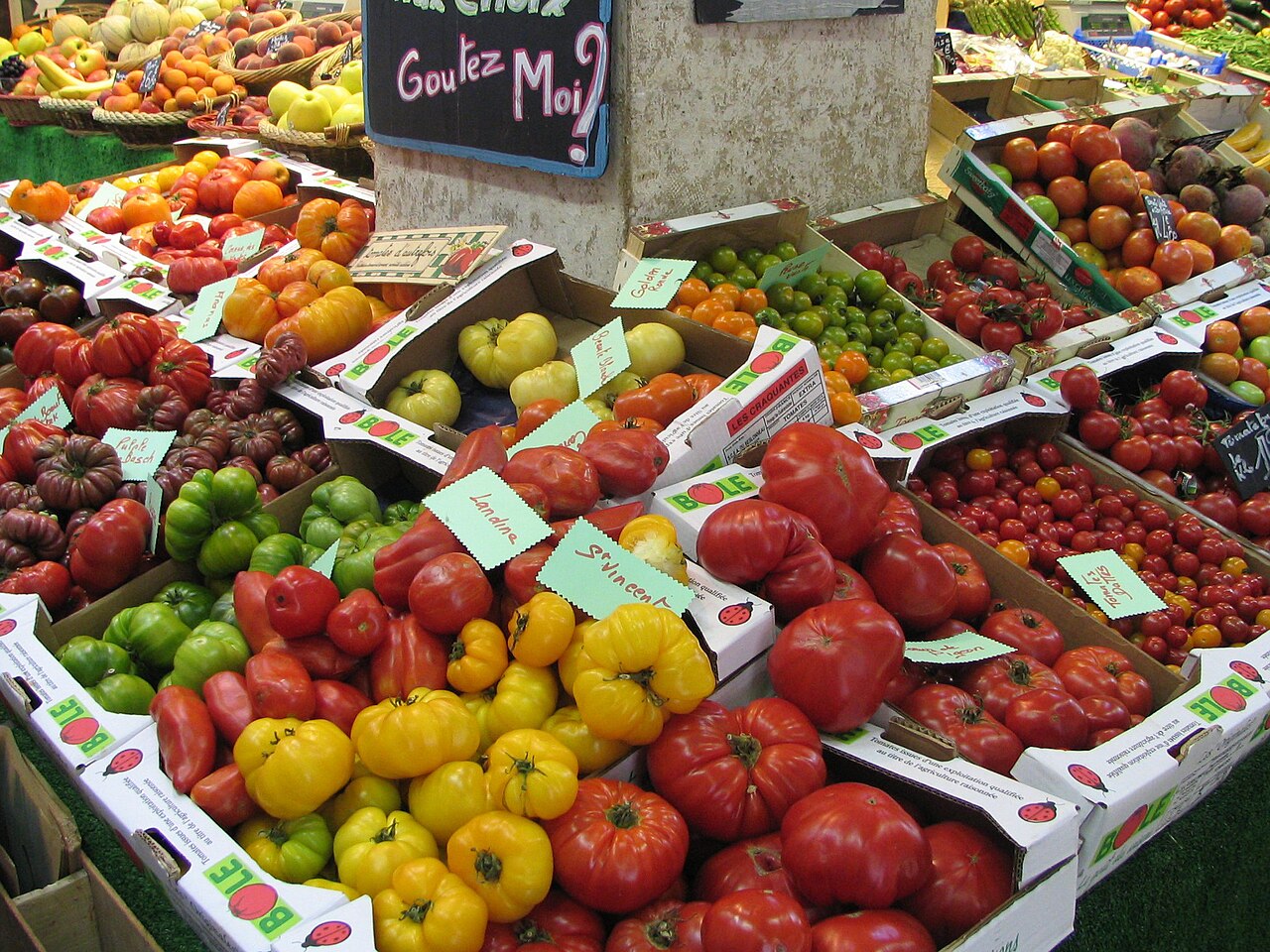
An international team including University of Georgia plant geneticist Esther van der Knaap has traced how tomatoes lost flavour during domestication and breeding, and identified a gene that breeders could use to bring some of it back. The study, published in the Proceedings of the National Academy of Sciences, analysed the chemistry and genetics of 558 tomato varieties and wild relatives.
Compared with heirlooms, modern tomatoes generally have lower sugar-to-acid ratios, fewer desirable aroma compounds and more of some volatiles linked to less pleasant tastes. A genome-wide association study linked flavour chemistry to 337 significant genetic associations, including known genes and new candidates.
The key find is Sl-LIP100, a previously uncharacterised gene that acts as a lipase, an enzyme that breaks down fats into compounds later converted into fresh, green and fruity flavour notes favoured by taste panels. Its more active version arose in Ecuador, spread in the earliest cultivated tomatoes and was partly lost as breeders selected for yield and disease resistance. Enzyme tests and gene-editing experiments confirmed that changing the gene altered flavour compound production.
"Flavor is extremely complex. This gene is only one part of a huge puzzle," van der Knaap said, but finding it means breeders can select the right version without testing aroma in the laboratory. She stressed the value of the crop's genetic diversity for traits from drought resistance to flavour.
Photo: Popolon / Wikimedia Commons (CC BY-SA 3.0)
Source: Morning Ag Clips
Comments
(0)