
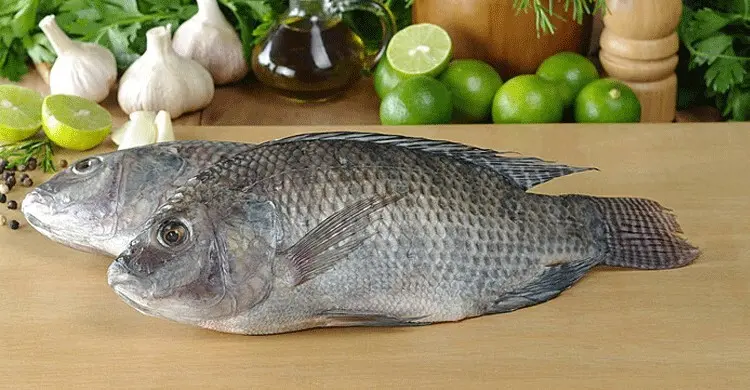
Alongside hilsa, rui and catla, tilapia is a popular fish on Bengali tables. It has few bones, is easy to cook and is relatively cheap, so many families eat it regularly. But tilapia is also controversial: some say it is full of nutrients, while others think the way it is farmed makes it harmful to health.
In fact, whether tilapia is good or bad depends largely on where and how it was farmed and how it is cooked. Tilapia raised in a clean, hygienic environment can be good for the body when eaten in moderation.
Nutrition
Tilapia is a good source of high-quality protein. It contains vitamin B12, phosphorus, potassium, selenium and a small amount of omega-3 fatty acids. Protein helps build the body's cells, keep muscles strong and heal wounds quickly, so tilapia can be included in moderation in the diet of children, teenagers and adults alike.
The selenium in tilapia helps strengthen immunity. It is a powerful antioxidant that helps protect cells from damage, and it may also help keep skin healthy.
The omega-3 fatty acids in tilapia help the brain function normally. Although it has less omega-3 than sea fish, it can still be part of a healthy diet, and eating fish regularly also helps keep the heart healthy.
Where the concern lies
The main worry about tilapia is not the fish itself but the environment it is farmed in. Various studies have found that some tilapia raised in polluted water can accumulate heavy metals such as arsenic, lead, cadmium and chromium. If these contaminants enter the body over a long period, the risk of damage to the kidneys, liver and nervous system can rise, as can the risk of heart attack.
There are also allegations that some unhygienic farms use low-quality feed, excessive antibiotics or various chemicals to make fish grow faster. Fish produced in such conditions can be risky for human health. But not all farmed fish are like this, so buying from a known and trusted source is the safest course.
Cleaning and cooking
After bringing fish home from the market, first clean the belly, gills and insides thoroughly, then wash it several times in clean water. If you like, rub it with salt and turmeric and leave it for 15 to 20 minutes. This reduces the raw smell and improves the taste.
According to experts, tilapia should always be fully cooked. Undercooked fish carries a risk of food-borne infection. Whether you cook it in a curry, fry, grill, pan-fry or bake it, make sure it is cooked right through.
There is no need to be needlessly afraid of tilapia. Fish farmed in a hygienic environment, cleaned properly and cooked well can stay on the menu as a nutritious food. But rather than eating the same fish every day, rotating it with rui, catla, hilsa, pabda and other fish gives the body a range of nutrients. A balanced diet and the habit of buying fish from safe sources are the most important conditions for eating tilapia.
The article draws on WebMD and the US National Library of Medicine.
Source: Jagonews24. First published in Bengali on The Agro News.



Comments
(0)