
Tangail has a special reputation for growing oilseed crops. According to the district agriculture department, the area under mustard has grown this year compared with last year. Yellow mustard flowers are already blooming on the plants, turning fields across the district into a sea of yellow, and farmers are dreaming of an extra harvest.
Across Tangail Sadar upazila, there is yellow everywhere between the green of the village. The fields are full of yellow on all sides, and flocks of insect-eating bulbuls and mynas are sometimes seen in them. The mustard fields sway suddenly in the gentle winter breeze, spreading the sweet scent of mustard flowers all around and winning everyone's heart.
Swarms of bees, busy humming as they gather honey, add to the beauty of the fields. Anyone walking along village paths beside the mustard fields is delighted by the sight. Nature lovers are coming from far away to see the beauty, and many are taking photos and videos of themselves with the mustard flowers.
Low cost, good returns
Farmers say the good flowering promises a good yield, and barring natural disaster there will be a bumper mustard harvest this season. Land lies empty between the aman harvest and the planting of boro paddy, so they grow mustard along with vegetables. All costs together come to about Tk 3,000 a bigha, and with a good yield a bigha produces about 6 maunds of mustard.
Farmer Samad said: "This time I have grown mustard on about 2 bighas. This crop needs much less irrigation, fertiliser and pesticide, so the cost is low too. People do not grow mustard only for oil. Crushing the mustard gives oilcake, and the plants give husk, which is good cattle feed and also good fuel."
According to the district Department of Agricultural Extension (DAE), mustard varieties grown in Tangail include BARI 14 and 17, BINA 9, Tori 7, Sampad and Maghi. Mustard has been grown on 41,700 hectares in the district this year, against 39,500 hectares last year.
5,000 bee boxes
Abdur Razzak, deputy director of the DAE in Tangail, told Dhaka Tribune: "Mustard has been grown on about 2,000 hectares more this year than last year. If the weather stays favourable, Tangail district will have a good mustard yield this time. There has been no damage to the mustard. Because mustard yields well, farmers are becoming more interested in it day by day. With little cost, mustard can be harvested in 70 to 85 days."
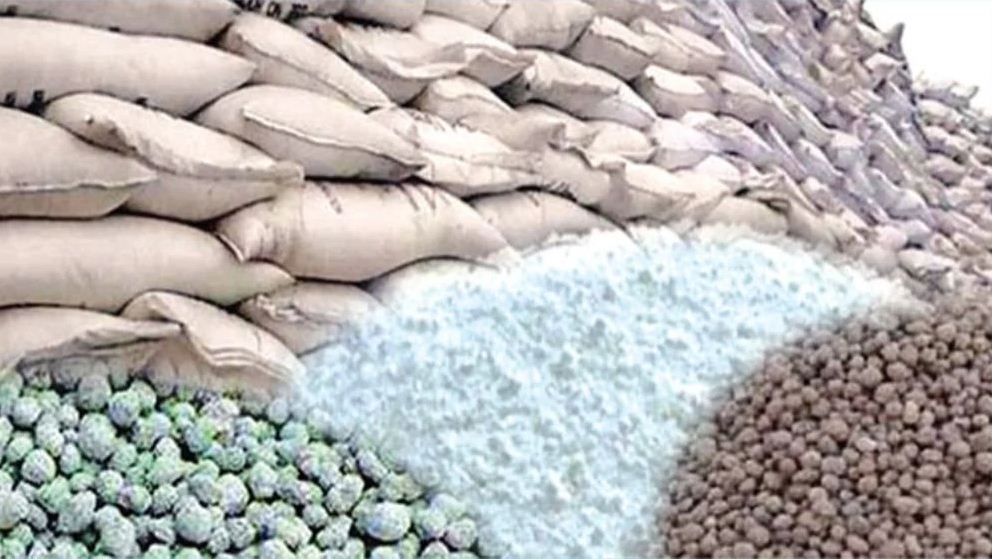
He added: "About 5,000 bee boxes have been set up among the mustard in the district this time, by beekeepers who have come from various parts of the country. We expect 150 tonnes of honey to be collected from these boxes. With the bees, pollination of the mustard will increase by 20 per cent, giving farmers an extra yield. To encourage mustard growing, 11,000 farmers have each been given fertiliser and seed for 1 bigha of land this year."
Source: Dhaka Tribune. First published in Bengali on The Agro News.
Comments
(0)