
The Prophet Muhammad described health as the greatest blessing after faith: 'Ask God for forgiveness and good health, for after faith no one has been given anything better than good health.' (Sunan al-Tirmidhi, hadith 3558) Prothom Alo's religion desk sets out six healthy habits from his life.
The first is his sleep routine: sleeping in the first part of the night and rising in the last part for tahajjud and fajr, and disliking idle talk after isha (Sahih al-Bukhari, 568). The second is moderate eating: a third of the stomach for food, a third for water and a third for breath (Sunan al-Tirmidhi, 2380).
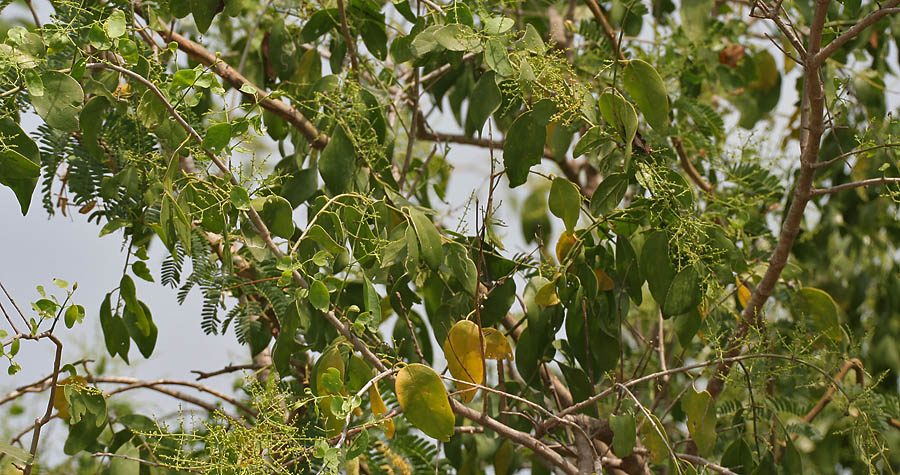
The third is how he drank: he forbade drinking while standing (Sahih Muslim, 2024) and drank seated, slowly, in three breaths, breathing outside the vessel (Sahih al-Bukhari, 5631). The fourth is the miswak, which he used at ablution, before prayer, on waking and on entering the house (Sunan al-Nasa'i, 5).
The fifth is qailulah, a short rest after lunch or zuhr (Tabarani, 2835). The sixth is walking briskly and firmly; Abu Hurairah said he never saw anyone walk faster than the Prophet (Sunan al-Tirmidhi, 3648). He also encouraged exercise such as archery, wrestling and racing.
The article also links these habits to modern health advice: 20 to 30 minutes of brisk walking a day helps the heart and lungs, and a 15 to 20 minute midday rest improves alertness.
Photo: J.M.Garg / Wikimedia Commons (CC BY-SA 4.0)
Source: Prothom Alo
Comments
(0)