
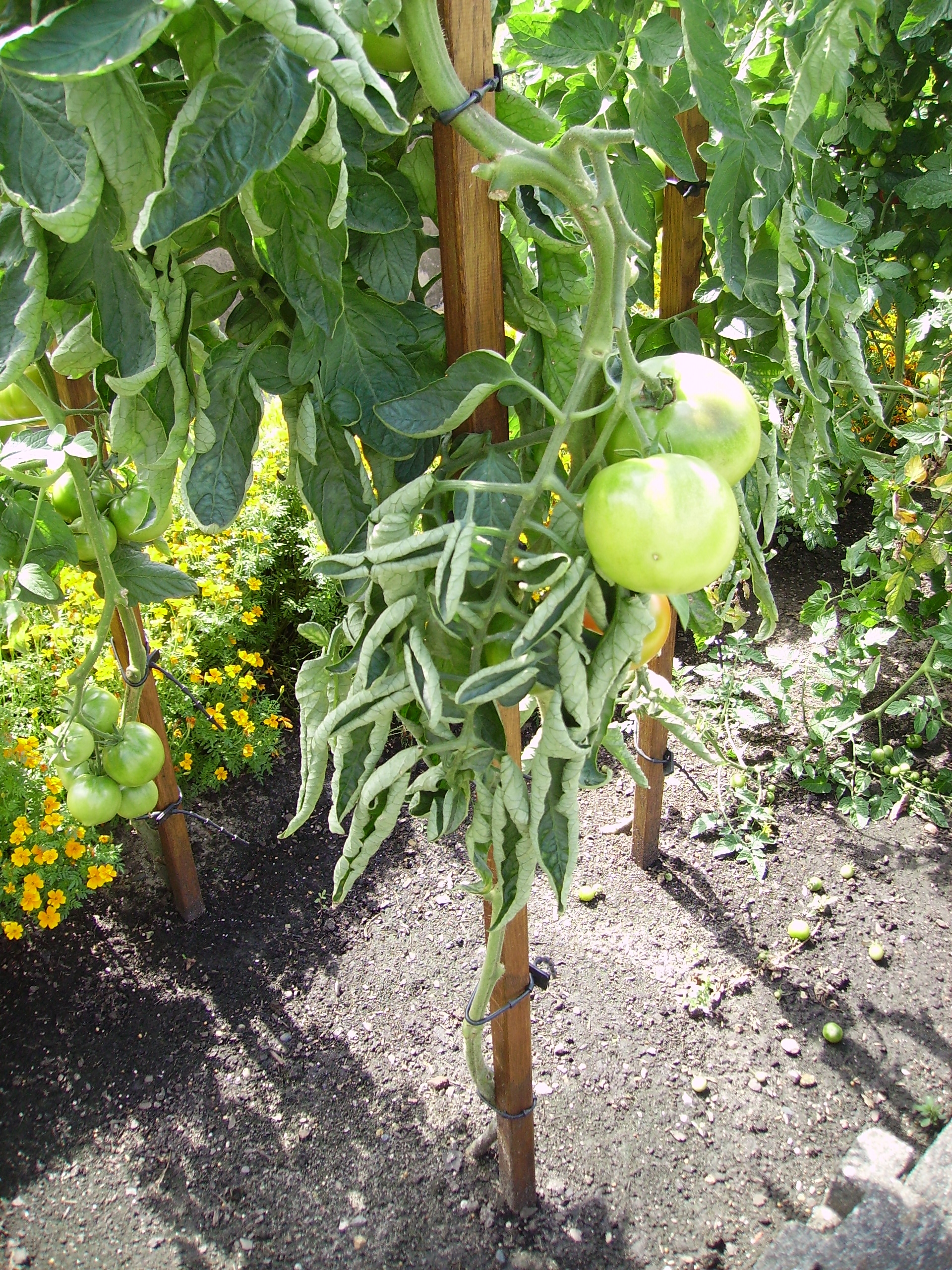
In the 2019-20 winter season, several hundred farmers in Sujanagar upazila of Pabna changed their fortunes by growing tomatoes on the chars (river islands) of the Padma for the first time. According to the local upazila agriculture office, farmers on these chars would earn about Tk 2 crore from tomato sales alone that season. Land that had long left families hard up was, for the first time, paying well. Who these farmers are, where they farm and how the crop succeeded is the subject of this report.
The first tomato crop on the char
The char lands lie in the villages of Khalilpur, Char Khalilpur and Kalikapur in Sagarkandi union of the upazila. A char is a tract of land that sediment builds up in or beside a river, and that erosion and deposition reshape year after year; its soil is loose and relatively low in nutrients. The upazila agriculture office said paddy and jute, the crops farmers usually tried on that land, did poorly there, and that farmers mostly ran at a loss growing them.
The office said that this was the first time farmers had grown winter tomatoes on that land, and that they had succeeded. This year about 300 farmers planted hybrid varieties, including the ones sold locally as Mintu Super and Hero Super. With favourable weather through the winter and fertiliser and pesticide applied at the right times, most of the fields produced a bumper crop, the office said. Land that had earned little for years was transformed by a single season of tomatoes.
What the farmers reported
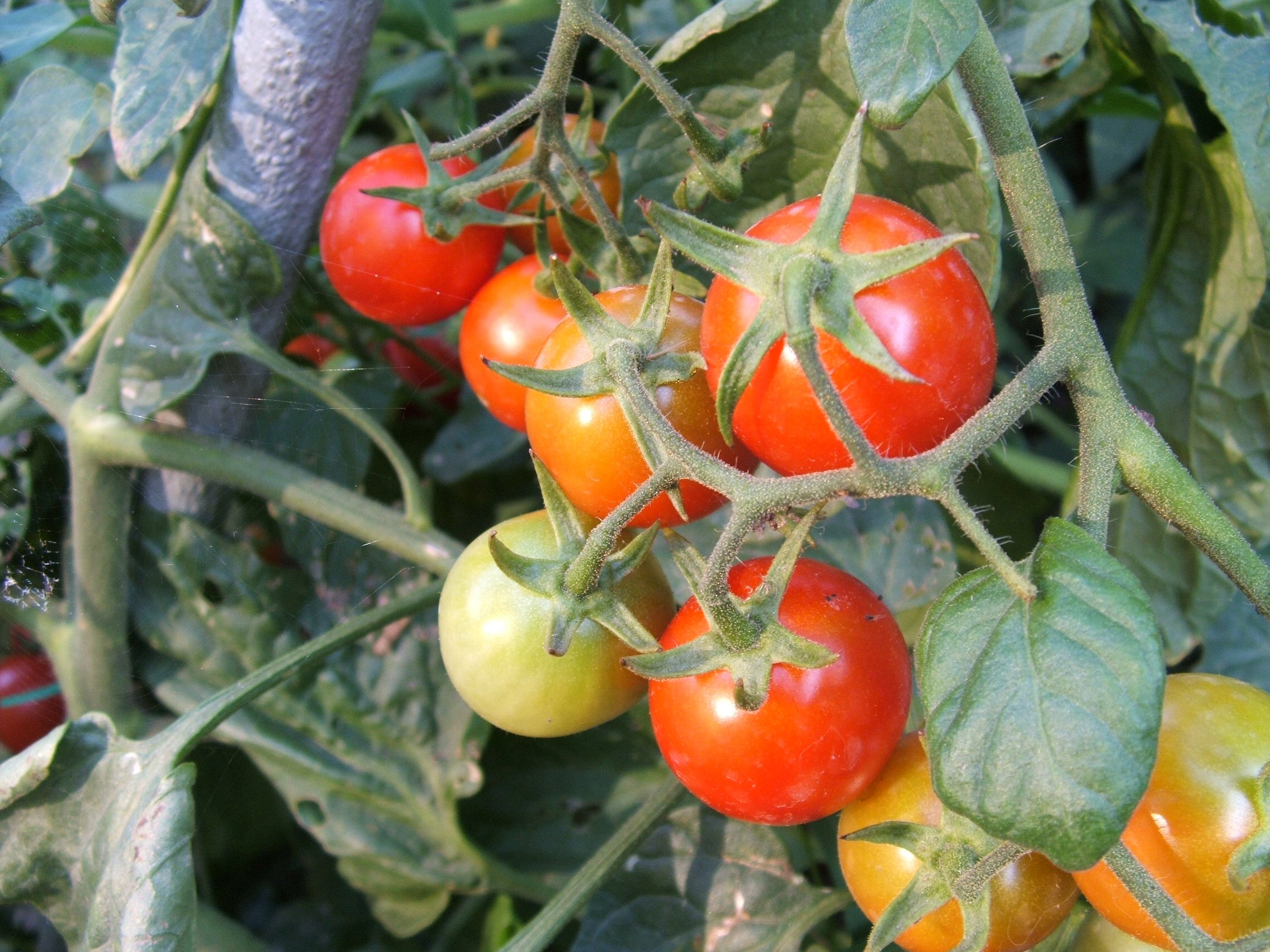
Yasin Ali, a farmer from Khalilpur, said yields had reached 120 to 130 maunds a bigha this year and that market prices were good. A maund is a traditional unit of weight of about 37 kilograms, and in this part of the country a bigha is roughly a third of an acre. In other words, the farmers were lifting a large quantity of tomatoes even from a small plot.
Abdul Aziz Mondal, a farmer from Kalikapur, set out the figures behind the income. Growing tomatoes on one bigha, he said, cost Tk 10,000 to 12,000, counting fertiliser, seed and labour; tomatoes were selling at Tk 700 to 800 a maund in the market; and after production costs the crop from each bigha was fetching Tk 80,000 to 85,000. That is, at a relatively low cost of cultivation, farmers were reporting a good profit in a single season.
Farmer Akkas Ali said his household had known want before, and that selling the char tomatoes was now keeping it comfortable. These figures are the farmers' and the office's own. The report did not break down how the Tk 2 crore total for the char was reached, so the numbers here are presented as the statements of those who gave them, not as independently computed totals.
On the very char land where farmers had lost money on paddy and jute year after year, a single season of tomatoes, grown at a relatively low cost and fetching a good price, turned loss-making plots profitable; in the words of the farmers and the agriculture officer, that is the heart of this success. For a smallholder, such extra income can change the whole picture of a household.
Chars and the lives built on them
According to Banglapedia, a char is a tract of land formed by sediment deposits in or beside a river, usually in channels or estuaries. Bangladesh has two main types: island chars, surrounded by water all year, and attached chars, joined to the mainland under normal flow. Chars are a by-product of the hydro-morphological dynamics of the country's rivers. A study by the Irrigation Support Project for Asia and the Near East (ISPAN) found that chars not eroded within four years of emerging could be used for farming or settlement.
Banglapedia records that island and attached chars are less productive than mainland areas because of poorer soil, erosion and frequent floods, though in the more fertile lower reaches cropping intensity ran at 150 to 185, close to the national average of 165 (BBS, 1997). In 1993 the total char area in the country was about 1,722 sq km and the char population about 631,000. Life on the chars revolves around fishing, grazing cattle and harvesting catkin grass for thatching.
Chars are highly vulnerable to erosion and floods; Banglapedia notes that about 729,000 people were displaced by riverbank erosion between 1981 and 1993, more than half of them along the Jamuna. Chars cover about 20 per cent of the Padma's within-bank area. On this uncertain, loose soil, long-duration crops like paddy and jute are risky, but short-duration winter vegetables often do well, and the success of tomatoes on the Sujanagar chars is an example of that potential.
Banglapedia groups the country's chars by river into the Jamuna, Ganges, Padma, Upper Meghna and Lower Meghna areas, and records that the Jamuna has by far the most char land, about 100,000 hectares in 1992 against roughly 75,000 hectares for all the other rivers combined. The chars are short-lived: about three-quarters of them lasted only one to nine years. River and groundwater are plentiful, yet irrigated crops remained scarce on most chars except in the Upper Meghna area, while forestry has succeeded on some. The Sujanagar farmers worked the Padma chars, one of these five char-forming river systems.
Char dwellers cope with the annual floods by building homesteads on high ground and raising their floors on plinths. Year-round river water makes fishing one of their main livelihoods; grasslands are used to graze cattle, catkin grass is cut for thatching, and some chars offer sand for construction. Against that background, growing a vegetable like tomato on char land in winter adds a new dimension to the char economy.
Sujanagar: a new crop in onion country
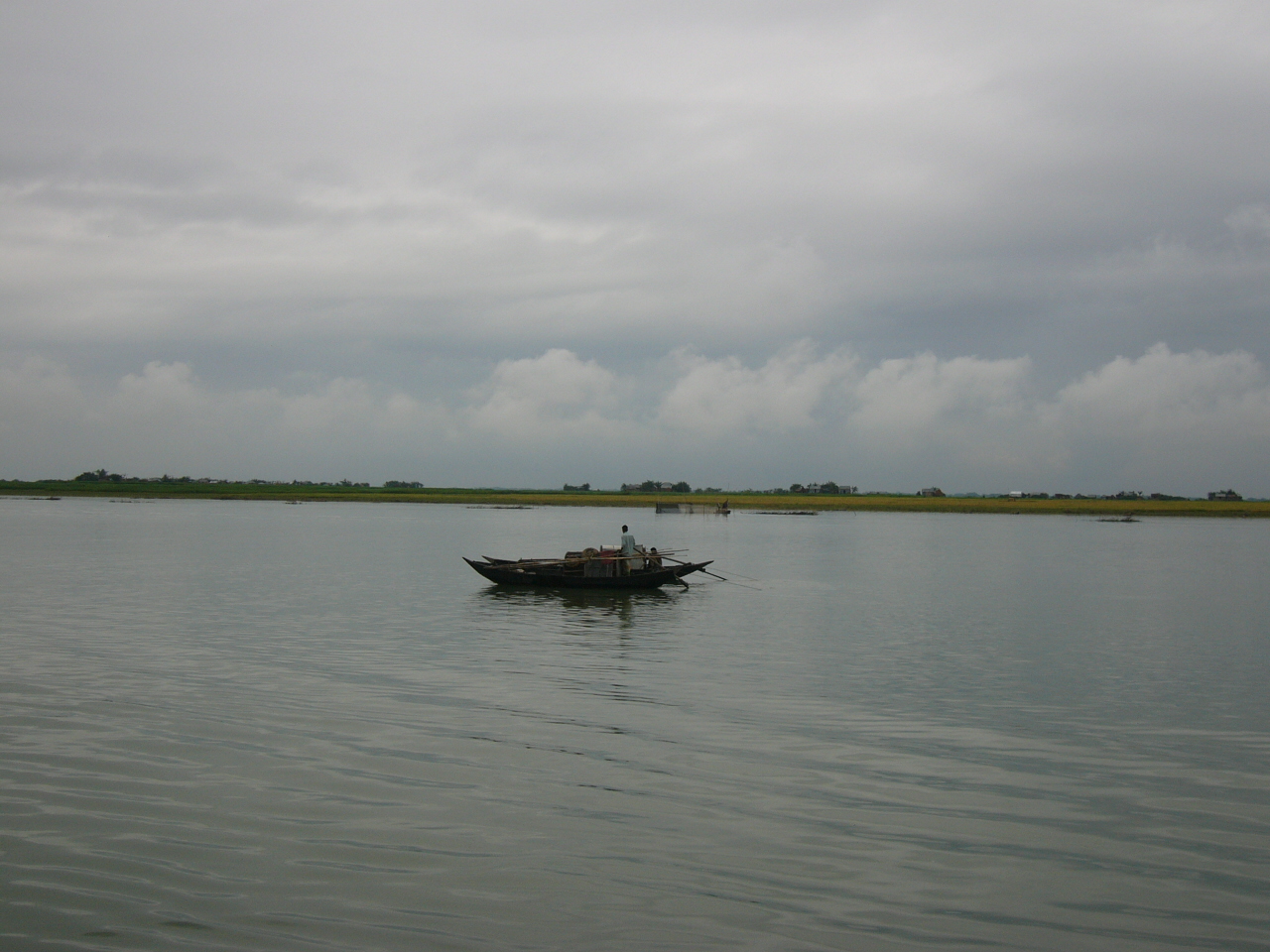
According to the upazila agriculture office, Sujanagar is mainly an onion-growing area; the office said Pabna is the country's second-largest onion-producing district and that within the district Sujanagar produces the most onions. According to Banglapedia, Sujanagar upazila covers about 338.65 sq km, its main rivers are the Padma and the Atrai, and the 2011 census counted about 278,000 residents.
Banglapedia records that agriculture is the backbone of Sujanagar's economy, providing about 61 per cent of local income. Rice, wheat, jute, sugarcane, groundnut, onion, garlic and vegetables are the main crops, while mango, jackfruit, litchi and papaya are the chief fruits. The upazila has 32 hats and bazaars, and onion, garlic and groundnut are among its notable exports. The three villages of Khalilpur, Char Khalilpur and Kalikapur in Sagarkandi union sit along the Padma, with extensive char tracts. In this onion-centred farming map, the char tomatoes were an entirely new addition.
Pabna and its rivers
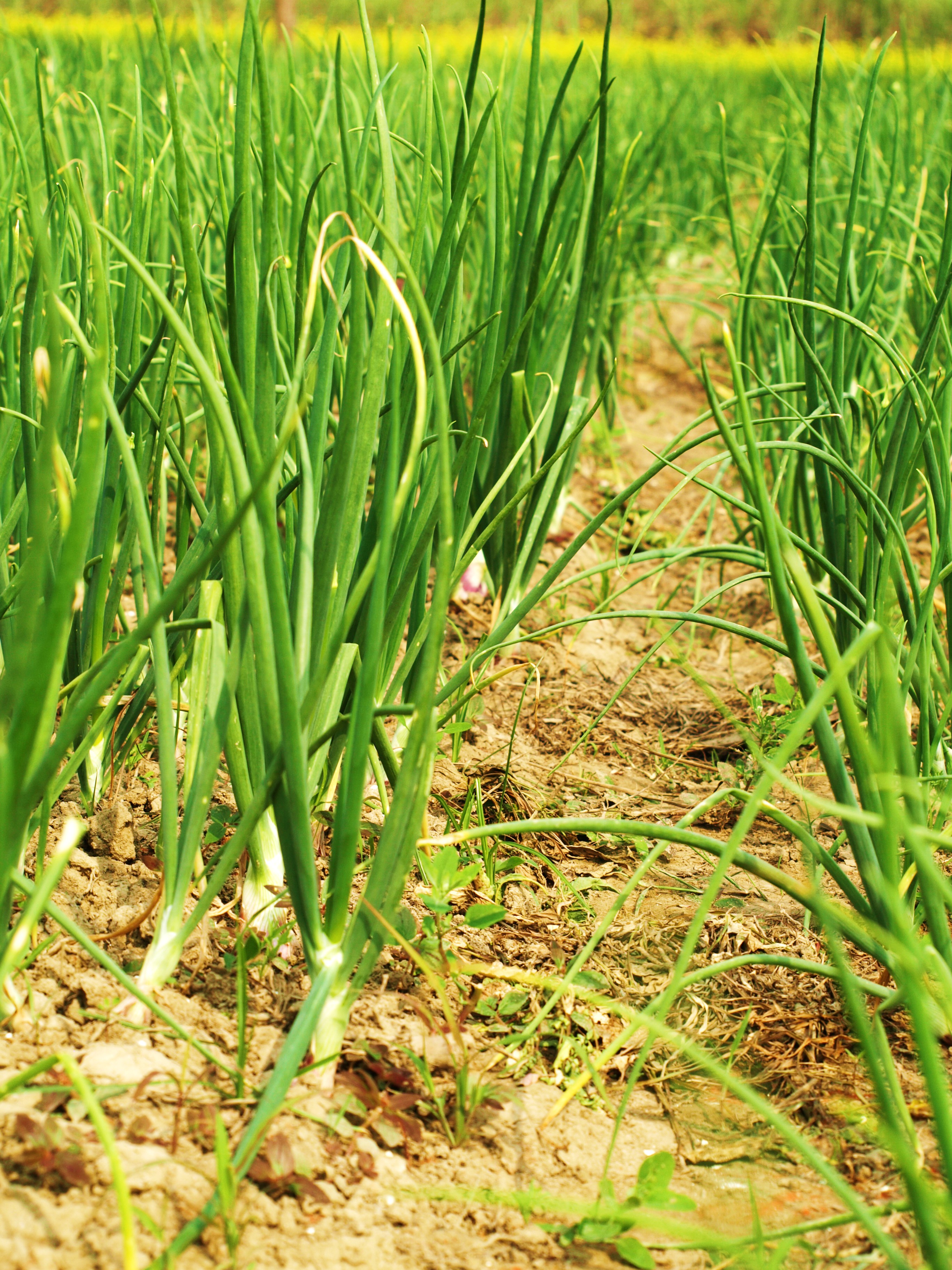
According to Banglapedia, Pabna district lies in Rajshahi Division and covers about 2,376 sq km. The Padma flows along its southern boundary; besides the Padma, the Baral, Jamuna, Ichamati, Atrai, Hurasagar and Chiknai are notable rivers of the district, and part of the great Chalan Beel also lies here. Agriculture provides the single largest share of income in the district.
Pabna is home to an Agriculture Research Centre and a Sugarcane Research Centre, which Banglapedia describes as among the largest in Asia. On the course of a great river like the Padma, sand builds up to raise new chars each year while erosion washes old ones away. It is this river-shaped geography that has given Pabna's farming its character, with cash crops such as onion and garlic on one hand and seasonal char vegetables on the other. The presence of these two research institutions reflects how important the district is to the region's farm economy.
Tomatoes in Bangladesh
According to Banglapedia, the tomato (Lycopersicon esculentum) is a solanaceous plant native to tropical America. In Bangladesh, seedlings aged 25 to 30 days are usually transplanted in November-December, and the crop is ready to harvest 80 to 90 days after transplanting. That is why the tomato is chiefly a rabi, or winter, crop. Banglapedia distinguishes two kinds of tomato plant: determinate types, which end in a flower bud and stop growing at a certain height, and indeterminate types, which keep growing from a vegetative bud. The crop is raised from transplanted seedlings rather than sown directly, which lets farmers grow strong plants in a seedbed before setting them out in the field.
Banglapedia notes that popular varieties include Oxheart, Marglobe, Sunmargino, Roma VF and Pusa Rubi, while the Bangladesh Agricultural Research Institute (BARI) has developed at least ten varieties, among them Ratan, Manik, BARI Tomato-3, 4 and 5, Chaiti, Apurba, Shila, Lalima and Anupama, some of which can also be grown in the warm season. Banglapedia puts the area under tomato at about 13,000 hectares and production at about 74,000 tonnes, with an average yield of 40 to 50 tonnes a hectare. Tomatoes are eaten fresh or cooked and used in salad, soup, pickle, chutney, ketchup and sauce; the fruit is rich in vitamins A and C, calcium and phosphorus.
A study published in the Journal of Bangladesh Agricultural University, analysing data from 1986-87 to 2015-16, found that winter vegetable production had increased tremendously in the country, and that production of tomato, cauliflower and cabbage grew at about 5 per cent a year, faster than other winter vegetables. The study attributes the gains partly to higher yields and partly to expansion of cultivated area. The Sujanagar farmers used hybrid varieties such as Mintu Super and Hero Super, which tend to give higher yields.
Against this backdrop the spread of tomatoes on the Sujanagar chars is significant. On land where farmers traditionally lost money growing paddy and jute, a short-duration winter vegetable created an opportunity for a large seasonal income. The loose, sandy-loam soil of the chars drains well, which often suits a crop like tomato, provided irrigation, fertiliser and pest management are handled at the right times.
The onion winter of 2019-20
The 2019-20 winter was an unusual one for Bangladesh's vegetable and spice markets. In late September 2019 India tightened onion exports, first raising its minimum export price sharply and then halting exports altogether. Onion prices in Bangladesh rose steeply as a result; according to news reports, retail prices reached record levels of around Tk 250 a kilogram in November 2019.
To manage the crisis, the government imported onions from Myanmar, Turkey, Egypt and a few other countries, and the state-run Trading Corporation of Bangladesh (TCB) began selling onions at a lower price on the open market, though supply fell well short of demand and long queues formed at the trucks. For onion farmers in Pabna and Sujanagar, as across the country, onions mattered more than ever that season.
Pabna is one of the country's leading onion-producing districts. News reports, citing an official of the Department of Agricultural Extension (DAE), said that about a quarter of the country's total onion output comes from Pabna, and that Pabna, Faridpur and Rajbari together account for roughly half of national production. The reports also noted that, through fiscal 2018-19, annual onion output in the country stood at 17 to 18 lakh tonnes against a demand of about 24 lakh tonnes. This gap drove the import dependence and price swings that weighed heavily on the region's farmers.
In such an onion-centred area, the successful cultivation of a different cash crop like tomato on char land offered farmers a way to diversify their income. Reducing reliance on a single crop, and putting fallow char land to use in winter, strengthens the income base of farming families.
Winter vegetables and farm income
Growing winter vegetables matters both for farmers' cash income and for people's nutrition. The Journal of Bangladesh Agricultural University study found that winter vegetable production in the country rose quickly over several decades, which both increased market supply and gave farmers a seasonal source of cash. Vegetables such as tomato, which Banglapedia records as rich in vitamins A and C, calcium and phosphorus, also make a positive contribution to the local diet.
On marginal, flood-prone land like a char, growing a range of crops rather than one reduces a farmer's risk. When onion prices were being pushed about by swings in the international market, a vegetable like tomato opened an alternative source of income for the same household. On char land exposed to erosion and flooding, a short-duration, low-cost vegetable crop can therefore be not just extra income but part of how a marginal family gets by. The char tomatoes of Sujanagar are a concrete example of that possibility.
The tomatoes are sold at local hats and to wholesale buyers. Banglapedia records that Sujanagar upazila has 32 hats and bazaars, which give farmers outlets for their produce. Farmers said good market prices that season made the char crop profitable; tomatoes were then selling at Tk 700 to 800 a maund, according to farmer Abdul Aziz Mondal. By raising the local supply of vegetables, the crop helps not only the growers but consumers too. When a new crop proves profitable in an area, more farmers tend to take it up the following season, and the experience on the Sujanagar chars opened the door to that possibility in local farming.
Char farming and the agriculture office
Upazila agriculture officer Moynul Haque Sarkar said: "For the first time, farmers have made a remarkable show by growing tomatoes on khas (government) char land. It has changed their fortunes. From now on farmers will be given support to grow tomatoes." His remarks suggest that bringing khas land into cultivation and choosing a suitable crop for it raised the productivity of the chars.
Success in char farming rests not only on the weather but on choosing the right variety, managing irrigation, fertiliser and pest control at the right time, and on advice from the local agriculture office. No specific fertiliser or pesticide dose is given here; farmers should apply these according to the advice of the upazila agriculture office or the local agriculture officer, based on their soil and crop. The Sujanagar experience shows how even marginal land like a char can become a good source of income with the right advice and support.
Such seasonal cultivation matters especially for marginal and smallholder farmers. A high-yielding crop grown at low cost on char land raises the food and income security of a household, while adding to the local supply of vegetables and so helping consumers too. The farmers of Khalilpur, Char Khalilpur and Kalikapur turned that possibility into reality.
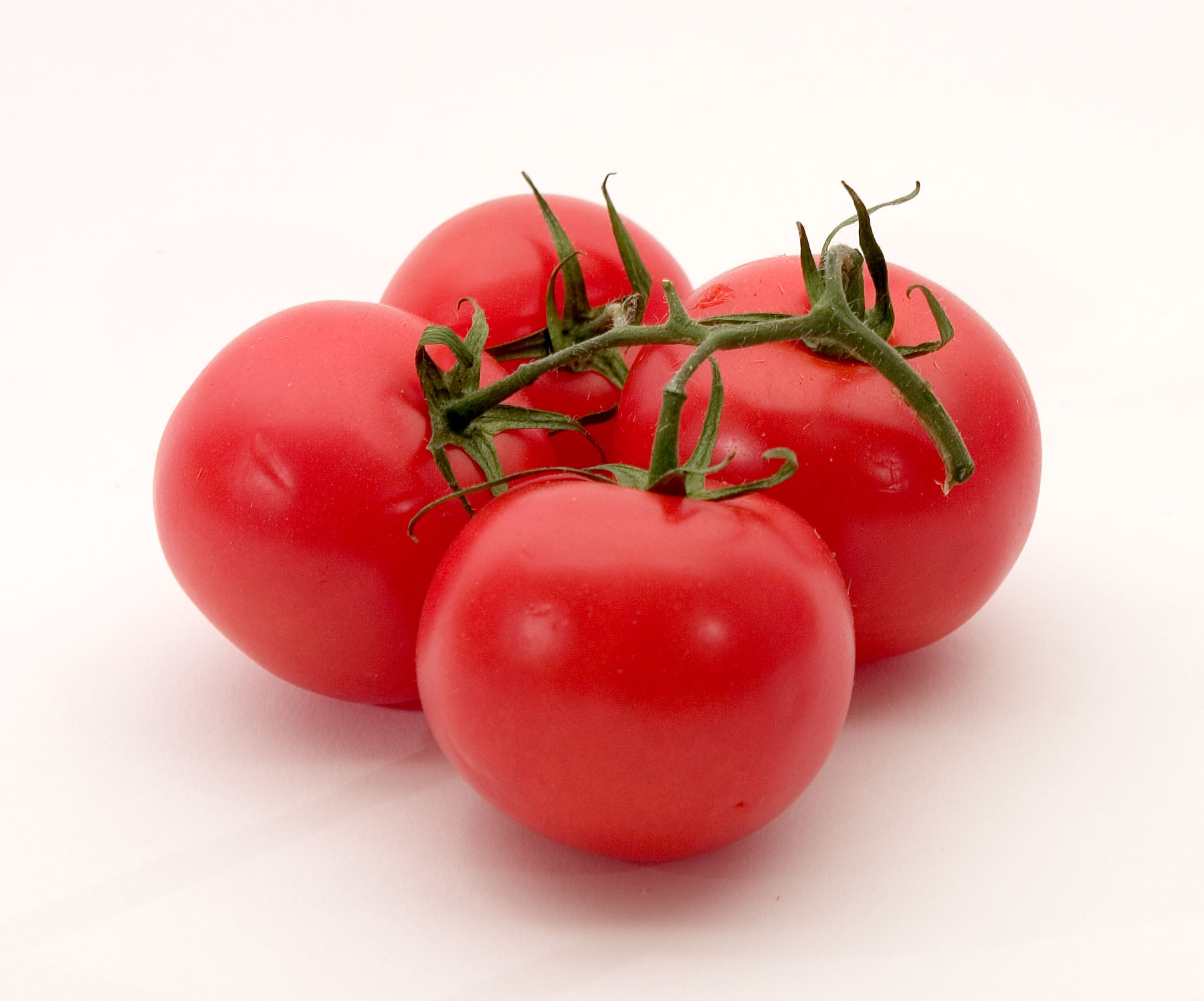
Photo: Garitzko / Wikimedia Commons (public domain)
Sources: Jagonews24, Banglapedia, The Daily Star, The Financial Express, Asia Times, Journal of Bangladesh Agricultural University

Comments
(0)