
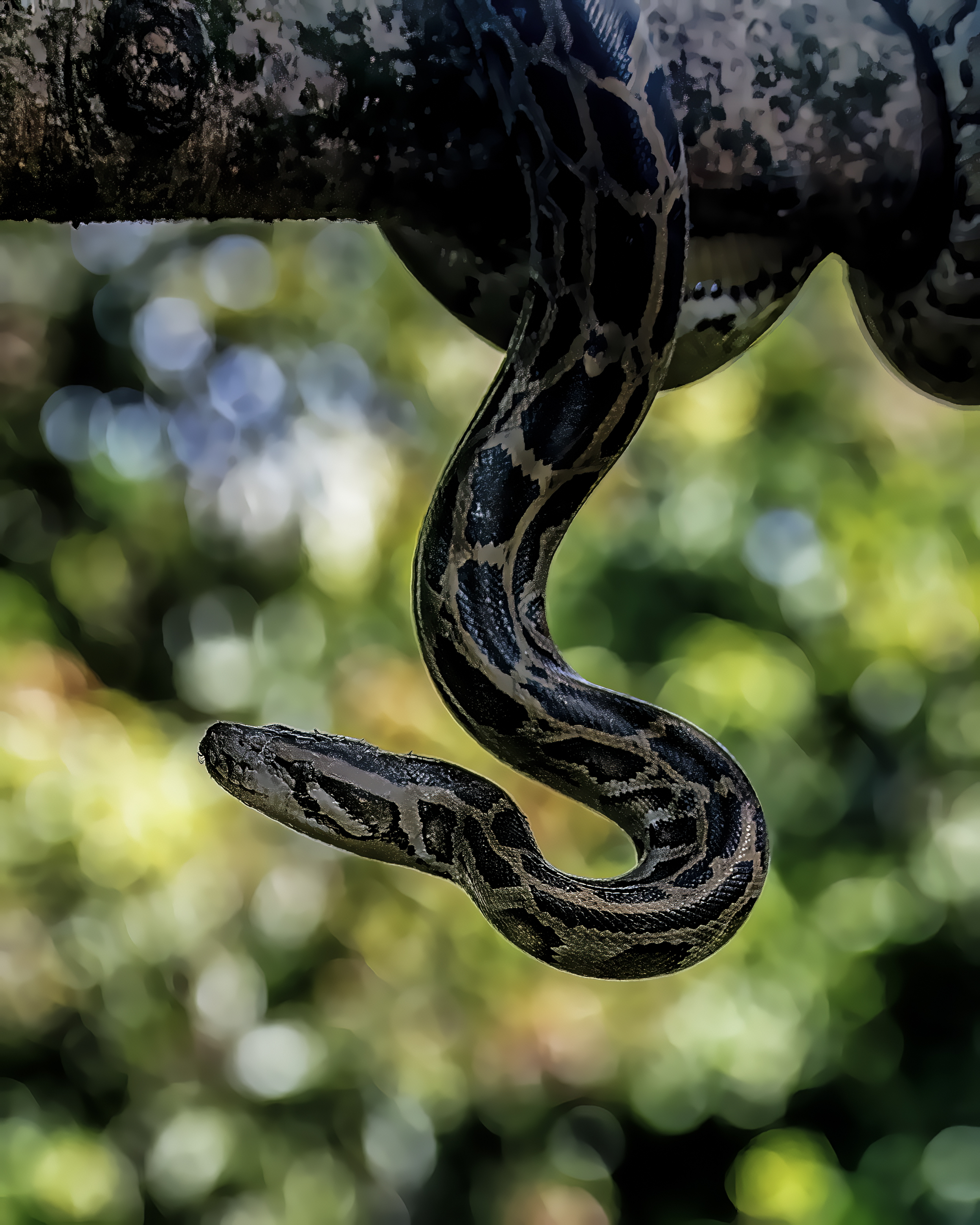
The Bangladesh Wildlife Service Foundation rescued a python about 10 feet long from the Bhurbhuria tea garden in Sreemangal upazila, Moulvibazar, on Thursday, 9 July 2026. The snake was caught unharmed at around 2:30 in the afternoon in section nine of the garden, which lies next to the Bangladesh Tea Research Institute (BTRI), and was then handed over to the Sreemangal forest range office.
Found in a bush during leaf picking
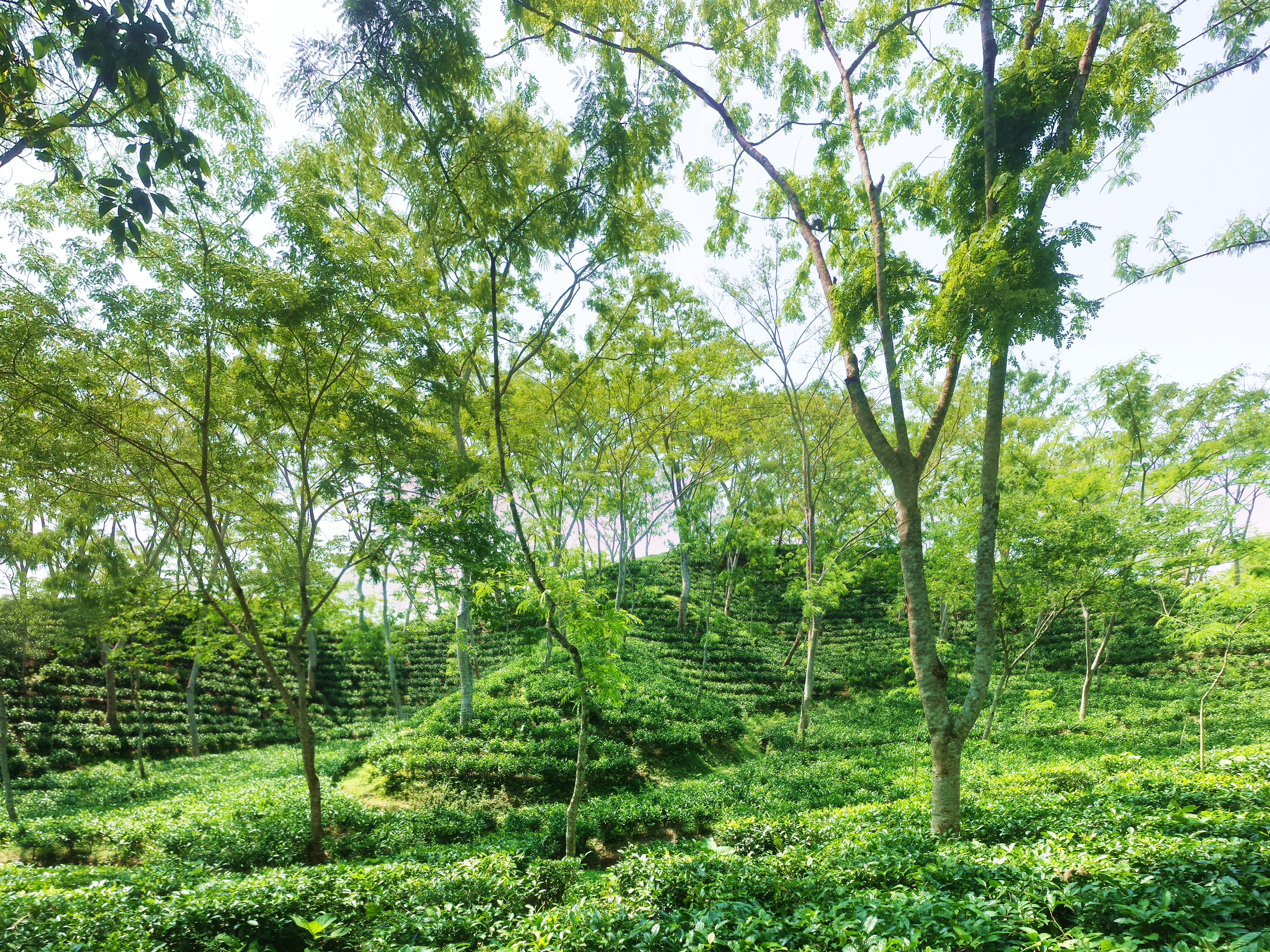
According to Jagonews24, tea workers picking leaves suddenly saw a large snake in a bush and were alarmed. They stopped work, moved to a safe distance and told the garden manager, Siddiqur Rahman. Dhaka Tribune Bangla reported that Bhurbhuria belongs to the Finlay tea company and sits beside the Bhanugach road.
The manager alerted the Wildlife Service Foundation, and its director Swapan Deb Sajal and environmental activist Rajdeep Deb Dip reached the spot quickly. They identified the snake and caught it without injuring it.
About 14 kg, and bound for the forest
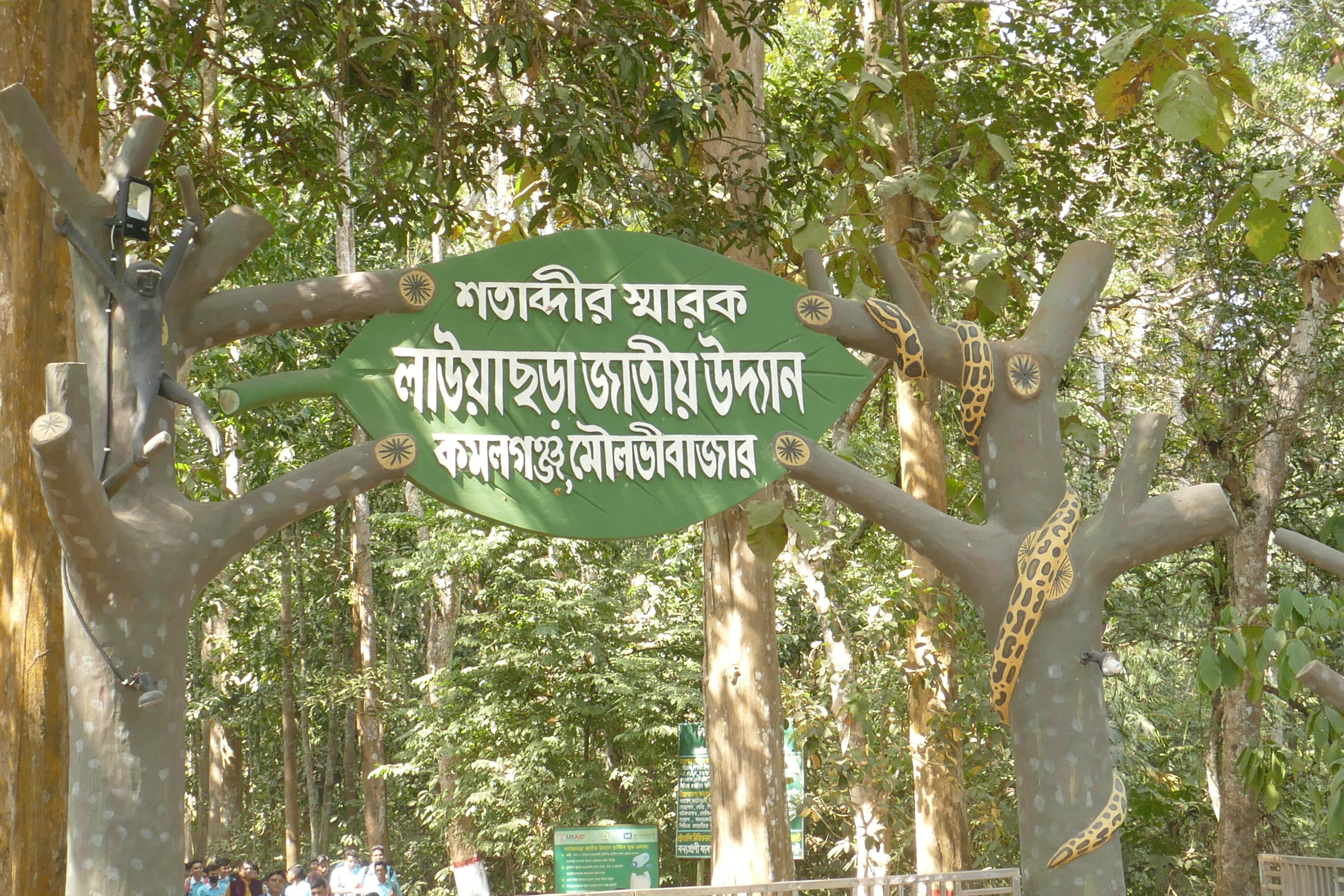
Swapan Deb Sajal told Jagonews24: "The rescued python is about 10 feet long and weighs around 14 kg. The snake is healthy and safe." Confirming the rescue, Sreemangal forest range officer Md Nazmul Islam said the snake would be released into the forest. Dhaka Tribune Bangla, citing the forest department, reported that it would be freed in Lawachara National Park.
Dhaka Tribune Bangla also quoted Sajal as saying that during the rainy season pythons come into tea gardens in search of food and shelter. He advised workers not to panic when they see one and to inform the authorities quickly.
The Burmese python, the tea gardens and Lawachara
South-eastern Bangladesh is part of the native range of the Burmese python (Python bivittatus). It is not venomous: it seizes prey with its teeth and kills it by constriction, feeding mainly on birds and mammals. It lives in grassland, marshes, rocky foothills and forest, and can both swim and climb. In the wild adults typically grow to about 5 metres (16 feet). The International Union for Conservation of Nature (IUCN) lists the species as Vulnerable.
Sreemangal is often called the tea capital of Bangladesh. It is home to the Bangladesh Tea Research Institute, run under the Bangladesh Tea Board, which grew out of a tea research station set up in 1957 and became an institute in 1973. Nearby Lawachara National Park, declared on 7 July 1996, covers 1,250 hectares of semi-evergreen and mixed deciduous forest and holds the largest surviving population of western hoolock gibbons in the country.
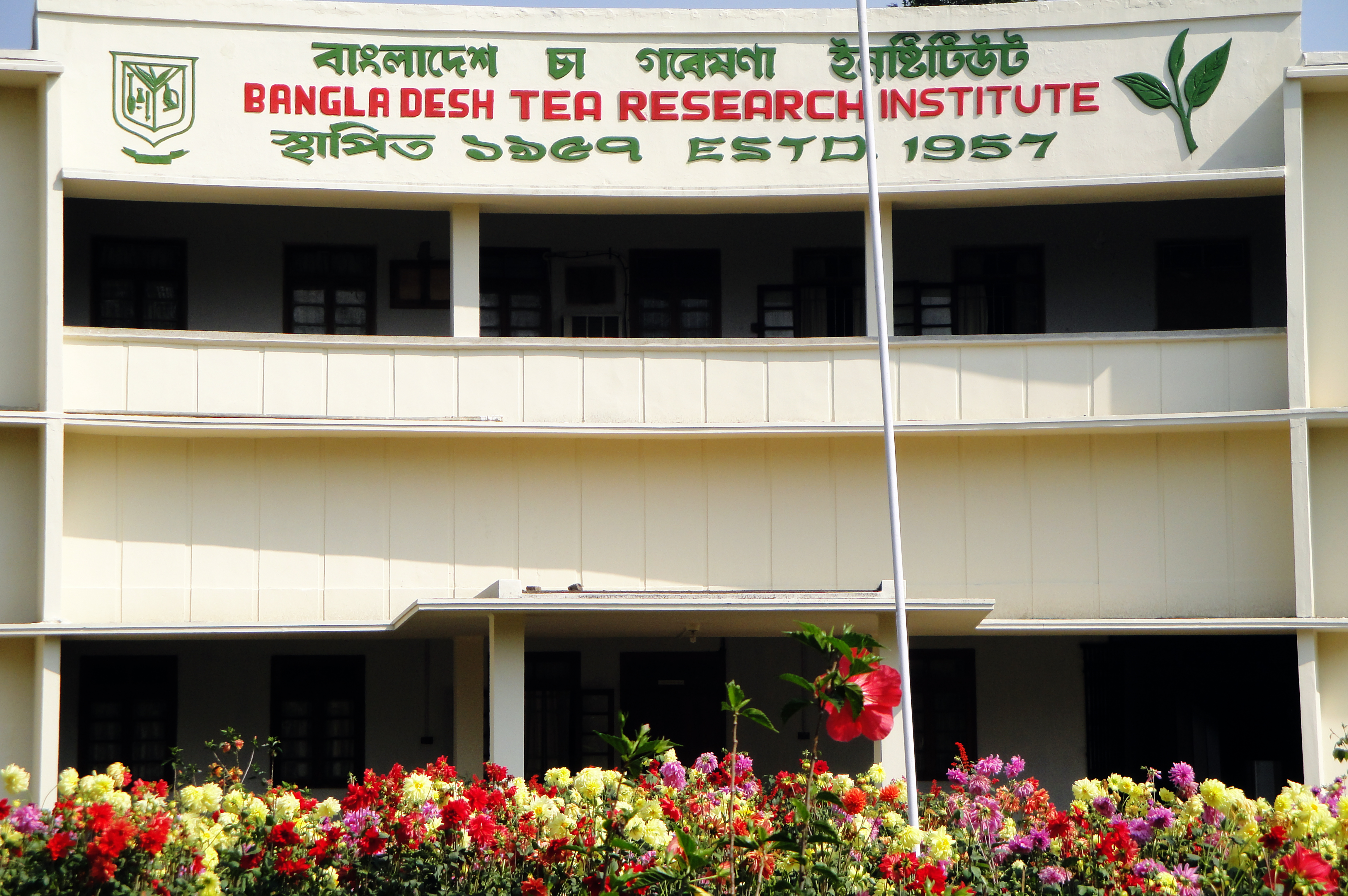
Photo: MD sajjad hossain photography / Wikimedia Commons (CC BY-SA 4.0)
Sources: Jagonews24, Dhaka Tribune Bangla, Wikipedia (Burmese python, Lawachara National Park, Bangladesh Tea Research Institute, Sreemangal Upazila)
Comments
(0)