
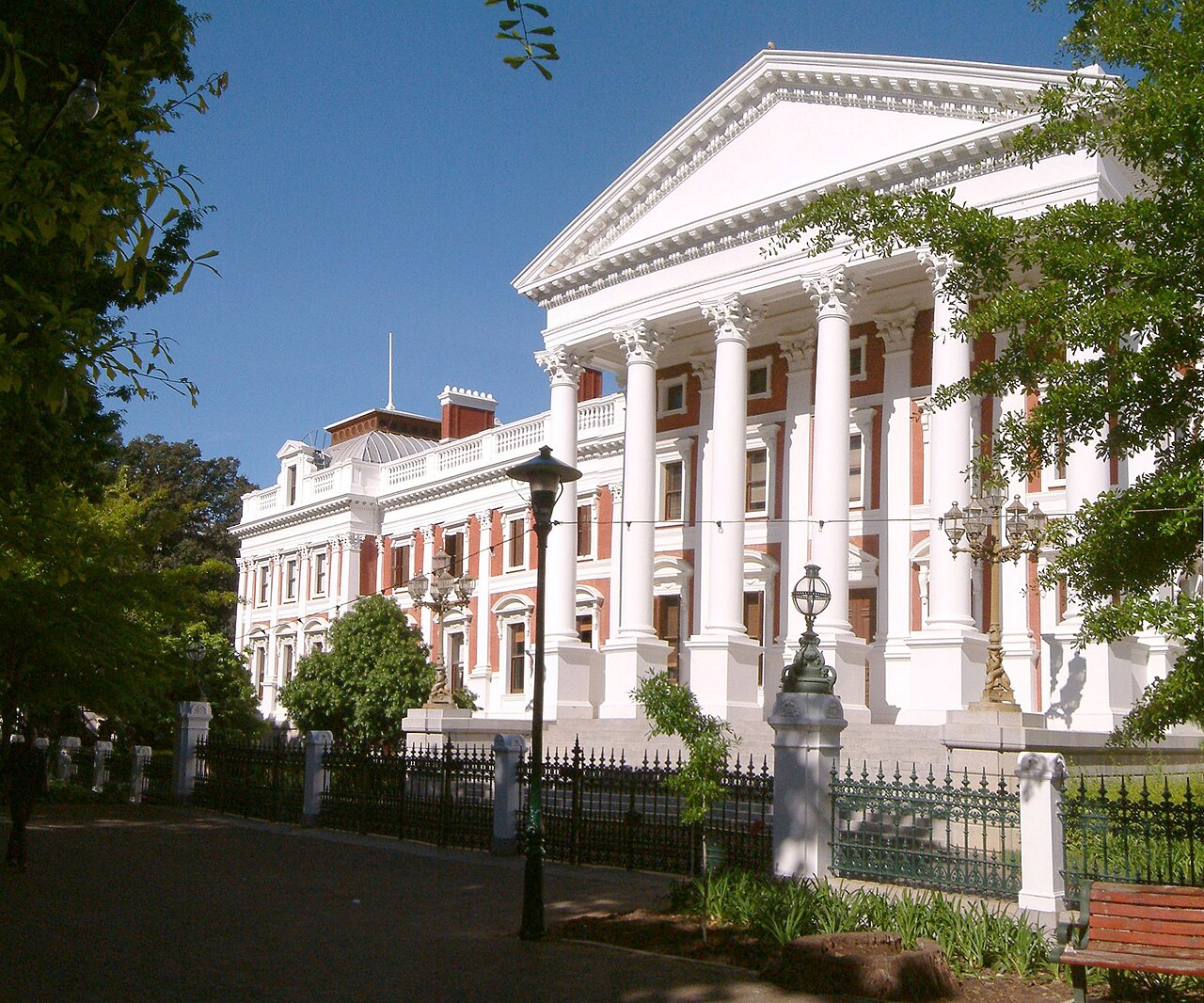
South Africa's farm organisations have welcomed temporary fuel levy relief, extra money for agricultural extension officers and a larger contingency reserve in Finance Minister Enoch Godongwana's 2026 Medium-Term Budget Policy Statement, tabled in Parliament on 21 October, but say the measures will be judged by what they deliver, Jyothi Laldas reports for Farmers Weekly.
From 4 November to 1 December 2026 the general fuel levy will fall by R3 a litre for diesel and R1.50 for petrol, then by R1.50 for diesel and R1 for petrol until 5 January 2027. The relief arrives as farmers prepare for summer grain planting and summer fruit production. Agbiz chief executive Theo Boshoff said about 80% of South African agricultural products move by road, so cheaper fuel eases costs along the whole chain. AgriSA chief executive Johann Kotze called it "an important intervention to ease pressure on agricultural production costs and food prices".
The statement cut the 2026 growth forecast from 1.6% to 1.2%, citing global uncertainty including the Middle East conflict, and Godongwana warned that El Niño could hurt producer costs and output. The contingency reserve was raised to R10 billion to respond to risks including El Niño, although it is not set aside for agriculture alone. Agbiz chief economist Wandile Sihlobo said the Department of Agriculture will need to assess El Niño's impact in 2027 and draw on the reserve for the hardest-hit farmers; Kotze said drought could raise feed and irrigation costs and squeeze grazing and water for livestock.
An additional R1.5 billion over three years will pay for agricultural extension officers, whose advice matters most to emerging farmers without private advisers. Sihlobo linked it to the release of more state land to new-entrant farmers. Frank Blackmore, lead economist at KPMG South Africa, said the fuel relief and the extension funding could help keep the country from a food crisis.
AgriSA welcomed R183 million carried forward for foot-and-mouth disease (FMD) vaccine procurement, R242 million to repair flood-damaged agricultural infrastructure and R1.46 billion for flood-damaged national and provincial roads, but Kotze said FMD needs a sustained, properly funded vaccination and biosecurity programme rather than emergency responses. Bennie van Zyl, general manager of TLU SA, said there was no new allocation for FMD control or rural safety, and pointed to the government's own review, which found that R887 billion in infrastructure grants to provinces and municipalities between 2017/18 and 2023/24 often went to projects that were delayed, unfinished or failed to deliver.
The budget deficit is expected to narrow to 3.9% of GDP in 2026/27, and growth is forecast at 1.6% in 2027 and 2% by 2029. Kotze noted that agriculture has grown by an average of 3% a year since 2012, against 1% for the wider economy, and said keeping that up needs investment in biosecurity, infrastructure and agricultural finance.
Photo: PhilippN / Wikimedia Commons (CC BY-SA 3.0)
Source: Farmers Weekly South Africa


Comments
(0)