
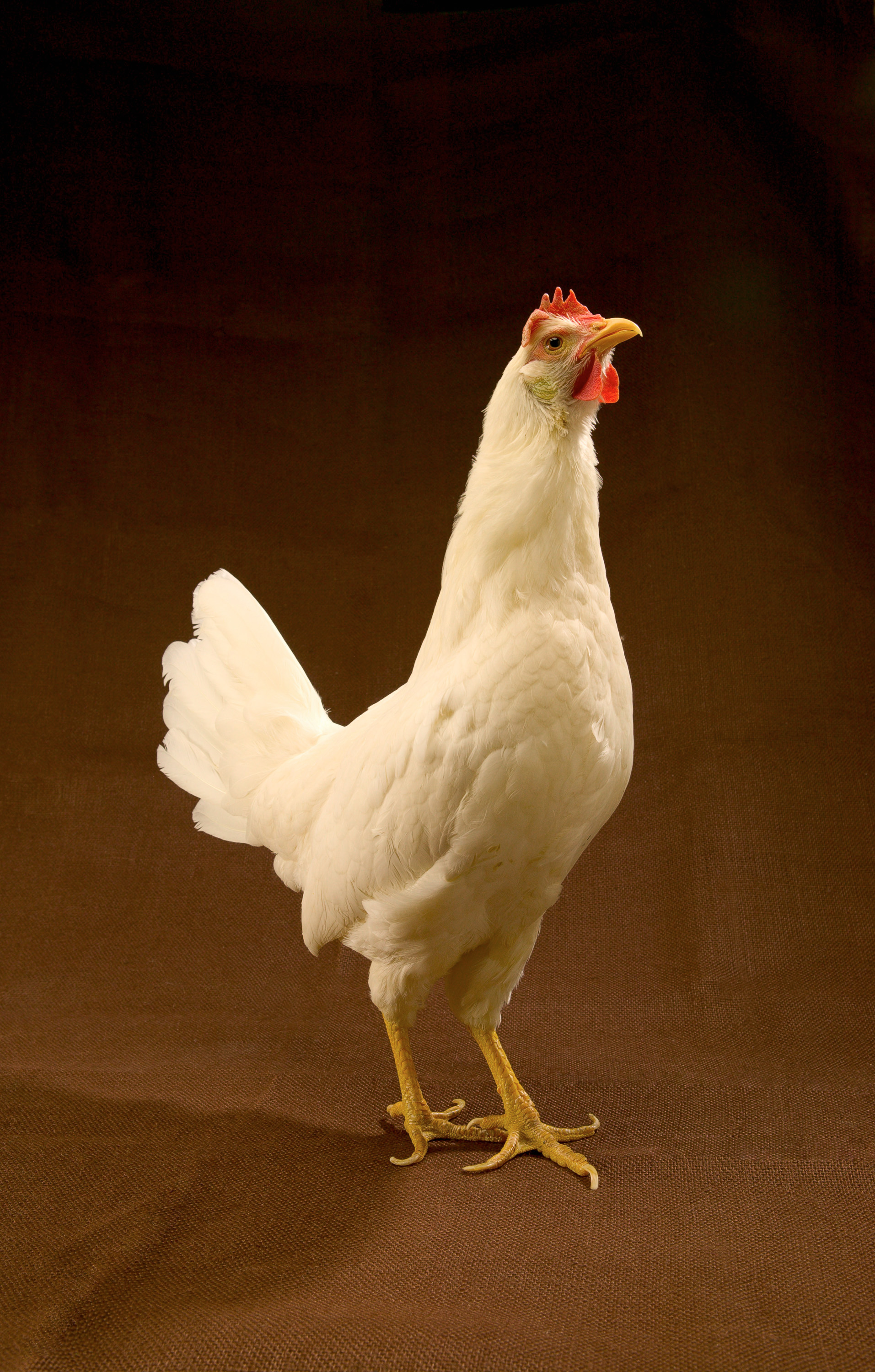
About 8,000 laying hens died between December 2025 and February 2026 on a poultry farm in Chapatala village, Bagerhat Sadar upazila, in south-western Bangladesh, Jagonews24 and The Daily Star Bangla reported in early March 2026. The farm, which its owner Sohag Sheikh had built up over 20 years, had about 11,000 hens before the deaths began. He told reporters he suspected bird flu, while the Bagerhat Sadar upazila livestock officer said samples had been collected and the exact cause would be confirmed only after laboratory tests. With his income gone, the farmer said he was struggling with debts that The Daily Star Bangla put at Tk 50 lakh.
Twenty years of work, and deaths since December
According to The Daily Star Bangla, Sohag Sheikh named his business Sohag Agro Farm and began it in 2006 with only 1,000 birds. Over two decades it grew, and the paper reported that it had given work to about a dozen people. Jagonews24 described the farm as a three-storey building in the yard of his own home, whose layer hens had once produced thousands of eggs a day.
The hens on the farm were White Leghorn layers, The Daily Star Bangla reported. Sohag Sheikh told Jagonews24 that he had built up his capital little by little and had reached 11,000 hens when, from December 2025, the birds suddenly started dying. At first he took it for an ordinary illness and gave various medicines and vaccines, he said, but they did not stop the deaths. By his account about 8,000 hens had died since December, and the roughly 3,000 still alive were dying too. The Daily Star Bangla wrote that the 3,000 surviving birds were also showing signs of illness.
Both papers described how the dead birds were handled. The farmer told Jagonews24 that hens died every day and that he filled sacks with them and either buried them or threw them into the river. The Daily Star Bangla reported that the farm's workers were spending their time putting the bodies of hens that had been about to lay into sacks and throwing them into the nearby river. "I cannot explain how painful it is to put these birds into sacks with my own hands and throw them away," he told The Daily Star Bangla. "Many hens are dying just before they start laying."
Debts, wages and pressure from creditors
The farm was the family's livelihood. Sohag Sheikh told Jagonews24 that his family and six employees depended on it, that he had to pay each employee Tk 16,000 a month, and that he had invested about half a crore taka in the farm. "Everything is gone," he said. To The Daily Star Bangla he said he had not been able to pay his workers for the previous two months.
The Daily Star Bangla reported that over the years he had taken large loans from banks and private moneylenders for the business, and that with his income cut off he was now under pressure from the people he owed. "The creditors are pressing for money, and some are demanding more than they are owed," he told the paper. "With the burden of debt and the losses, I have no road left open."
He made a similar complaint to Jagonews24. In good times, he said, shopkeepers and instalment lenders came to his house eager to supply goods and loans and even delivered feed and medicine to his door; now that things had gone badly, he said, they were demanding double what he owed, two lakh taka in place of one lakh, and were threatening to file cases when he asked for time. These are the farmer's own statements; the reports did not carry any response from the shopkeepers or lenders concerned.
His wife, Akalima Begum, told Jagonews24: "We have lost everything. If the people we owe would give us a year, we would pay them back little by little. Now they are all pressing us at once." The farmer also appealed to the government for financial help or a low-interest loan to get back on his feet, The Daily Star Bangla reported. He believed, the paper wrote, that without state support it would be impossible for him to recover from a loss of half a crore taka.
Cause not yet confirmed: what the livestock office said
Neither newspaper reported a confirmed diagnosis. The Daily Star Bangla's report described the deaths as caused by an unidentified disease and said the farmer suspected bird flu. Jagonews24's report said the hens had died of bird flu, but the officer it quoted said only that tests were still to be done, so this rewrite treats bird flu as the farmer's suspicion, not as a finding.
Speaking to Jagonews24, Bagerhat Sadar upazila livestock officer Dr Palash Kumar Das said: "We are going to inspect the farm. Samples will be collected and tested. Necessary action will be taken once we get the report." In The Daily Star Bangla's report he said a team from his office had visited the farm. "We have collected samples for testing," he said. "The exact cause of death can be confirmed after we get the laboratory results." The Daily Star Bangla added that he made no immediate comment on whether the farmer would be compensated.
The upazila livestock office is the local arm of the Department of Livestock Services (DLS), the government body responsible for animal health and production. According to the department's own history, its roots go back to the Civil Veterinary Department that opened at Writers' Building in Kolkata in 1893; it was reorganised as the Directorate of Livestock Services in 1960 and took its present Bengali name, প্রাণিসম্পদ অধিদপ্তর, in 2010. The department runs a Central Disease Investigation Laboratory, whose information system is linked from its website.
The White Leghorn: a breed kept for eggs
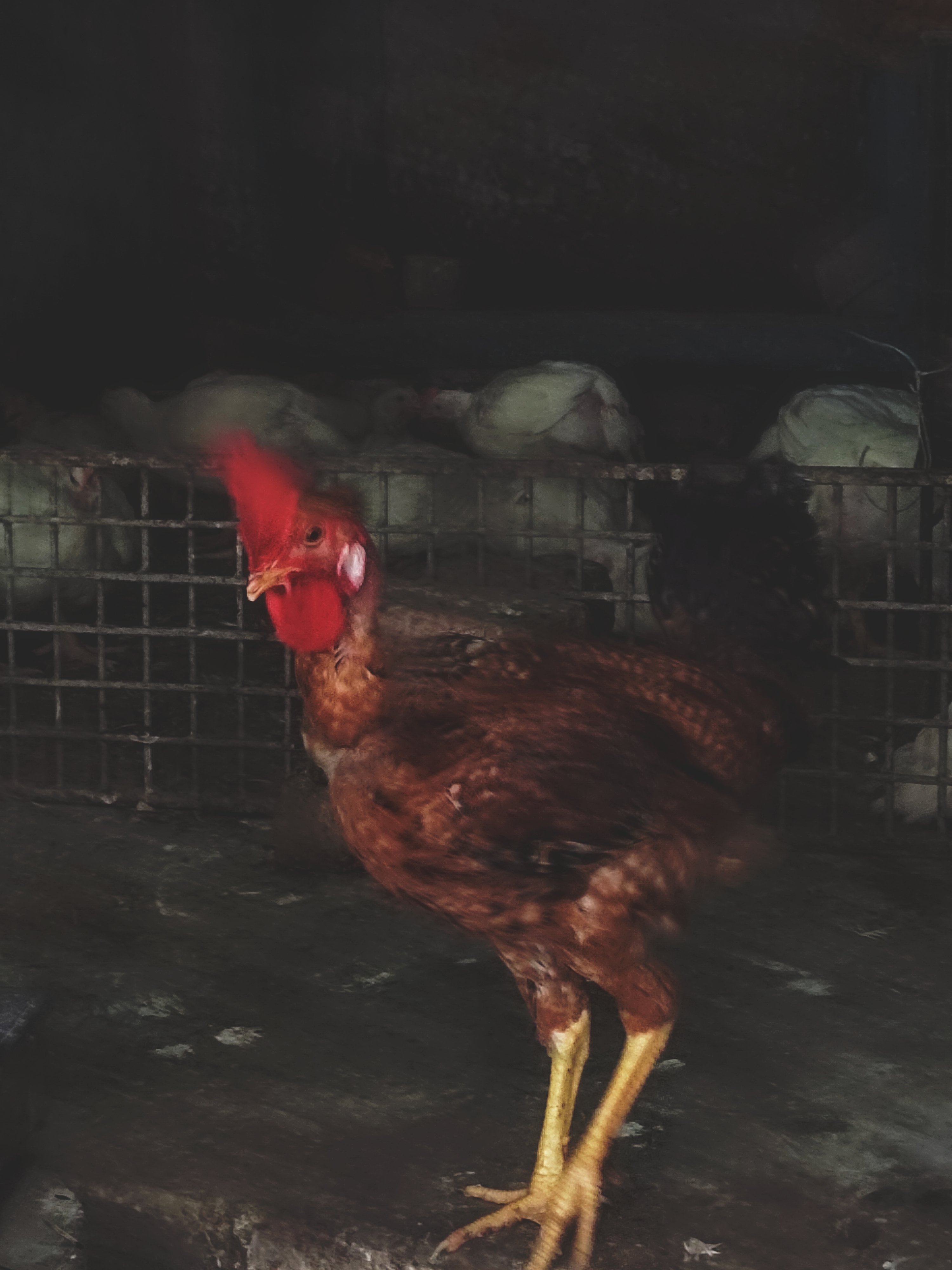
The White Leghorn is a variety of the Leghorn, a chicken breed that originated in Tuscany in central Italy. Birds were exported to North America from the port city of Livorno in about 1828, and the breed reached Britain from the United States in 1870. White Leghorns have been widely used to create the highly productive egg-laying hybrids kept on commercial farms.
Leghorns are good layers of white eggs, laying an average of about 280 a year and sometimes 300 to 320. They are light birds: hens weigh about 2.0 to 2.5 kilograms and cocks about 2.4 to 3.4 kilograms. They are kept for their eggs rather than for meat.
What avian influenza is, according to WOAH and WHO
The World Organisation for Animal Health (WOAH) describes avian influenza as a highly contagious viral disease that affects both domestic and wild birds. Its high-pathogenicity form (HPAI) can cause severe clinical signs and high mortality; WOAH says farmers may see deaths in their flocks often around 50 percent. The viruses spread through direct contact with secretions from infected birds and can be carried on farm equipment from one farm to another.
WOAH's guidance is that avian influenza should be reported to the veterinary authorities as soon as it is detected or suspected. It recommends strict biosecurity and good hygiene, including keeping poultry away from wild birds and disposing properly of manure, litter and dead animals. Where outbreaks occur in domestic birds, WOAH notes, the usual policy is to cull infected birds and those in close contact, and culled animals should not enter the human food or animal feed chain.
The World Health Organization's fact sheet on avian and other zoonotic influenza, dated 21 January 2026, says wild aquatic birds are the main natural reservoir of most influenza A subtypes, and that the difference between low- and high-pathogenicity strains refers to the disease in chickens, not in people. The main risk factor for human infection, WHO says, is exposure to live or dead infected animals or to contaminated environments such as live bird markets. Infection in people can range from mild flu-like symptoms or eye inflammation to severe respiratory disease and death.
WHO's advice to the public is to strictly avoid contact with sick or dead animals, including wild birds, and to wash hands often, especially before and after contact with animals and their surroundings. It also says there is no evidence that avian influenza viruses are transmitted to humans through properly prepared and cooked poultry or eggs, and advises people to handle, store and cook eggs, meat and other animal products properly. Anyone who falls ill after contact with sick birds should see a doctor.
Bird flu in Bangladesh before this case
Bangladesh first detected bird flu in March 2007, near Dhaka. A Reuters report of 15 July 2007 said the virus had by then reached 17 of the country's 64 districts, mostly in the north, and that 257,000 chickens had been culled and more than 2.2 million eggs destroyed since the outbreak began. The same report said about four million people in Bangladesh worked directly or indirectly in poultry farming.
The Daily Star Bangla, in a report of 26 March 2025, recalled that about 370 farms closed and more than a million chickens were culled in the 2007 outbreak; that the disease returned in 2013 without major damage to the industry; and that it appeared again in several areas in late 2017, with about five million birds culled across these outbreaks and many farms shut. The paper said, citing a Reuters report based on WOAH data, that bird flu was first found on Bangladeshi farms in 2007 and last in 2018, and that human infection was first detected in Bangladesh in May 2008.
That March 2025 report concerned a new detection after a gap of seven years, on a government poultry farm in Jessore, where the infection was found on 13 March 2025. The Jessore district livestock officer told the paper the virus was avian influenza type A, that 1,900 of the farm's 3,978 birds had died, and that the rest were killed to stop the spread. The president of the Bangladesh Poultry Association, which represents small farmers, asked the government to keep sick birds out of the market, form a special task force, and provide financial support and compensation to farmers.
Two human infections followed in 2025. CIDRAP, the Center for Infectious Disease Research and Policy at the University of Minnesota, reported in 2025 that the World Health Organization had been notified of H5N1 in two boys from Khulna division, both of whom recovered: one from a sample collected in April 2025, notified on 4 May, and one found retrospectively in a sample from February 2025, notified on 27 May. Sequencing by Bangladesh's Institute of Epidemiology, Disease Control and Research (IEDCR) identified clade 2.3.2.1a, a lineage that circulates in birds in Bangladesh and India. A poultry outbreak had been reported in the same district a month before the first child fell ill.
What the Animal Disease Act 2005 requires
The law that applies to a suspected outbreak on a farm is the Animal Disease Act 2005 (Act No. 5 of 2005, dated 28 February 2005), whose definition of an animal includes birds. Its schedule lists the contagious diseases it covers; among the poultry diseases named are avian influenza, Newcastle disease (known in Bangladesh as Ranikhet), fowl cholera, fowl typhoid, pullorum disease, Gumboro disease, Marek's disease, fowl pox and infectious bronchitis. Which of them, if any, is behind a particular die-off is for the veterinary authorities to establish by examination and laboratory testing.
The act's main duties for a case like this one are these:
- Section 3 requires the owner, keeper or any veterinarian or DLS field worker who has reasonable grounds to believe an animal has a scheduled disease to inform the Director General of the DLS, or an authorised veterinary officer, in writing without delay; the officer then examines the animals and the premises and takes the measures prescribed.
- Section 11(1) requires the carcass of an animal suspected to have died of a disease to be destroyed by burying it, with its skin, at least six feet under the ground, by burning it, or by another prescribed method.
- Section 11(3) forbids anyone to throw the carcass of a diseased animal, or straw, grass, waste or other material that has been in contact with it, into a place where it may threaten public or animal health.
- Section 4 requires an owner or keeper who is sure an animal is diseased to keep it apart from other animals and, as far as possible, to stop healthy animals coming into contact with it.
- Section 10 allows a veterinary officer to carry out a post-mortem on an animal suspected to have died of a disease and to collect parts of the body for laboratory testing.
- Section 16 bars anyone from setting up or running a poultry or livestock farm for commercial purposes without registration; farms run by the government and poultry kept for household use are exempt.
- Section 25 sets the penalty for breaking the act or its rules at up to two years' imprisonment, a fine of up to Tk 10,000, or both.
WOAH's guidance points the same way: dead birds and litter are to be disposed of properly so that they do not carry infection further. The reports did not say whether the livestock office gave the farm instructions on disposal.
Bangladesh's poultry sector in figures
The scale of what is at stake is set out in the DLS publication Livestock Economy at a Glance 2024-2025, which draws on the Bangladesh Bureau of Statistics. It puts the country's chicken population for 2024-25 at 3,360.70 lakh and its ducks at 705.82 lakh, for a total poultry population of 4,066.52 lakh. Ten years earlier, in 2015-16, the chicken population was 2,683.93 lakh.
Egg production, by the same publication, rose from 1,191.24 crore in 2015-16 to 2,374.97 crore in 2023-24 and 2,440.65 crore in 2024-25. Against a demand it calculates at 1,850.16 crore eggs a year, based on 104 eggs per person per year, the DLS gives availability in 2024-25 as 137.19 eggs per person per year.
The livestock sector as a whole, the publication says, contributed 1.81 percent of gross domestic product at constant prices in 2024-25 (a provisional figure), grew by 3.19 percent and made up 16.54 percent of agricultural GDP. It gives livestock as the direct source of employment for 20 percent of people and a partial source for 50 percent. Commercial layer farms such as the one in Chapatala are part of the supply behind these egg figures.
Bagerhat Sadar, where the farm stands
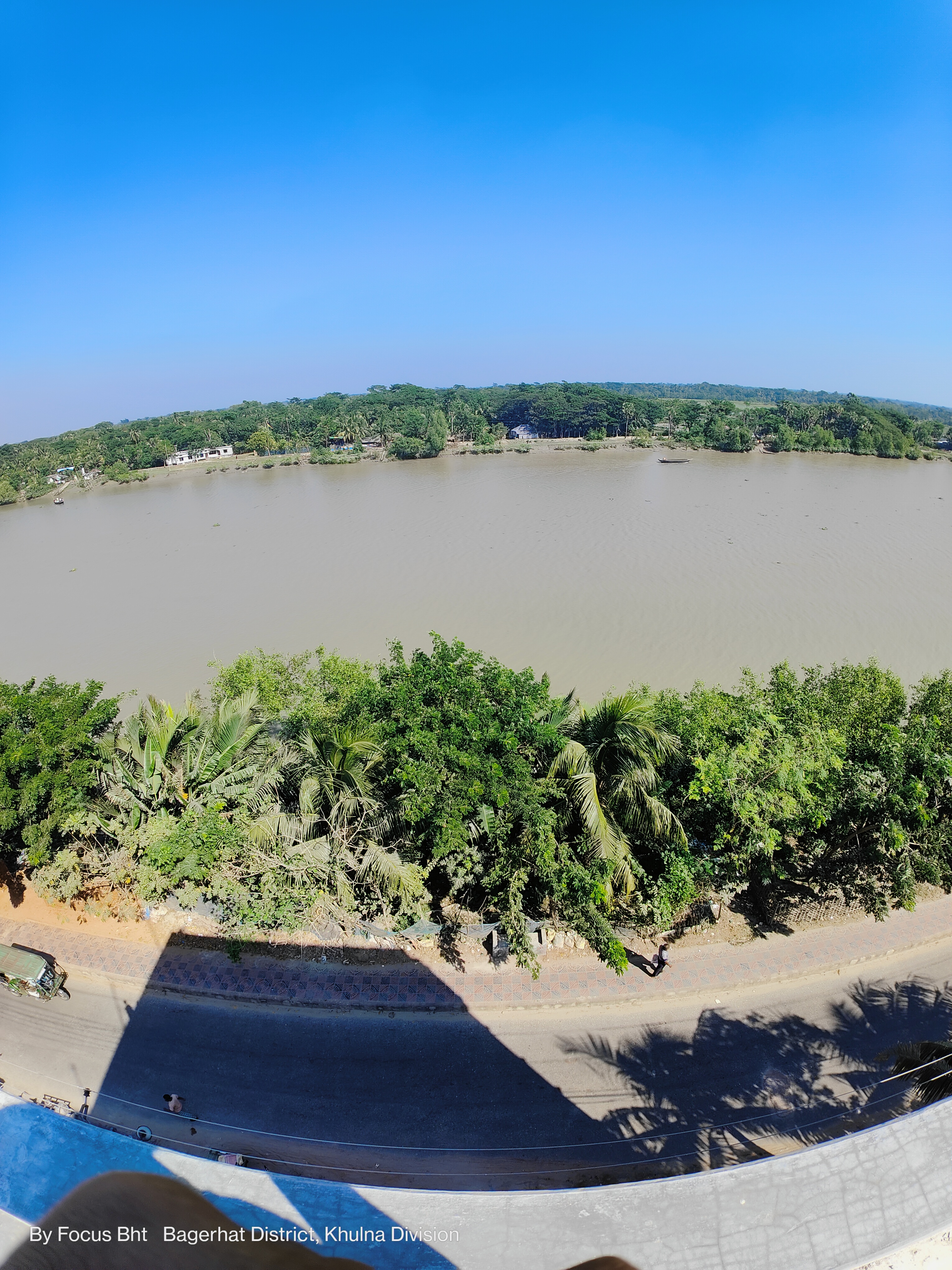
Bagerhat district lies in Khulna division in the south-west of the country, between Gopalganj and Narail to the north and the Bay of Bengal to the south. Banglapedia gives its area as 3,959.11 square kilometres and its population at the 2011 census as 1,476,090; the district was formed in 1984 and has nine upazilas. Its main rivers include the Pasur, Madhumati, Baleshwari and Bhola. Agriculture was the main source of income for 54 percent of households, according to the same entry.
Bagerhat Sadar upazila covers 272.73 square kilometres and had 266,389 people at the 2011 census. Banglapedia names the Bhairab, Chitra, Daudkhali and Taleswar as its notable rivers and records 320 poultry farms, 10 hatcheries, 42 dairies and 10,461 shrimp enclosures (gher) in the upazila, alongside paddy, jute, betel leaf, vegetables and fruit such as coconut and betel nut.
The upazila is also the site of the Shatgumbad (Sixty Dome) Mosque, which Banglapedia describes as the largest of the Sultanate mosques in Bangladesh. It is ascribed to Khan Jahan, who ruled the region from Haveli-Khalifatabad, identified with present-day Bagerhat, until his death in 1459. The mosque stands on the eastern bank of the Ghoradighi, about three miles west of Bagerhat town.

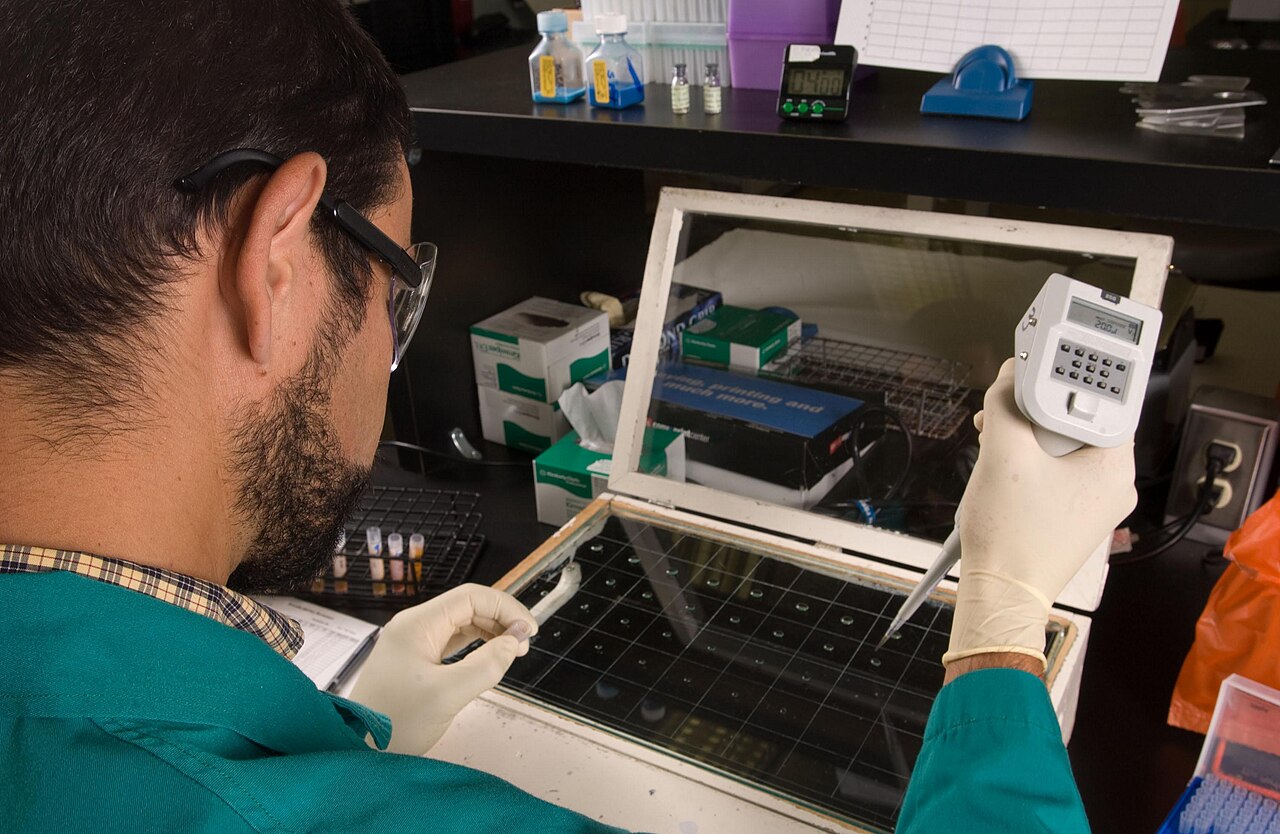
Photo: Stephen Ausmus, USDA Agricultural Research Service / Wikimedia Commons (public domain)
Sources: Jagonews24, The Daily Star Bangla, Department of Livestock Services (Livestock Economy at a Glance 2024-2025; history of the department), Animal Disease Act 2005 (bdlaws, Ministry of Law), World Organisation for Animal Health (WOAH), World Health Organization (WHO), CIDRAP, NBC News (Reuters), Banglapedia, Wikipedia (Leghorn chicken)
Comments
(0)