
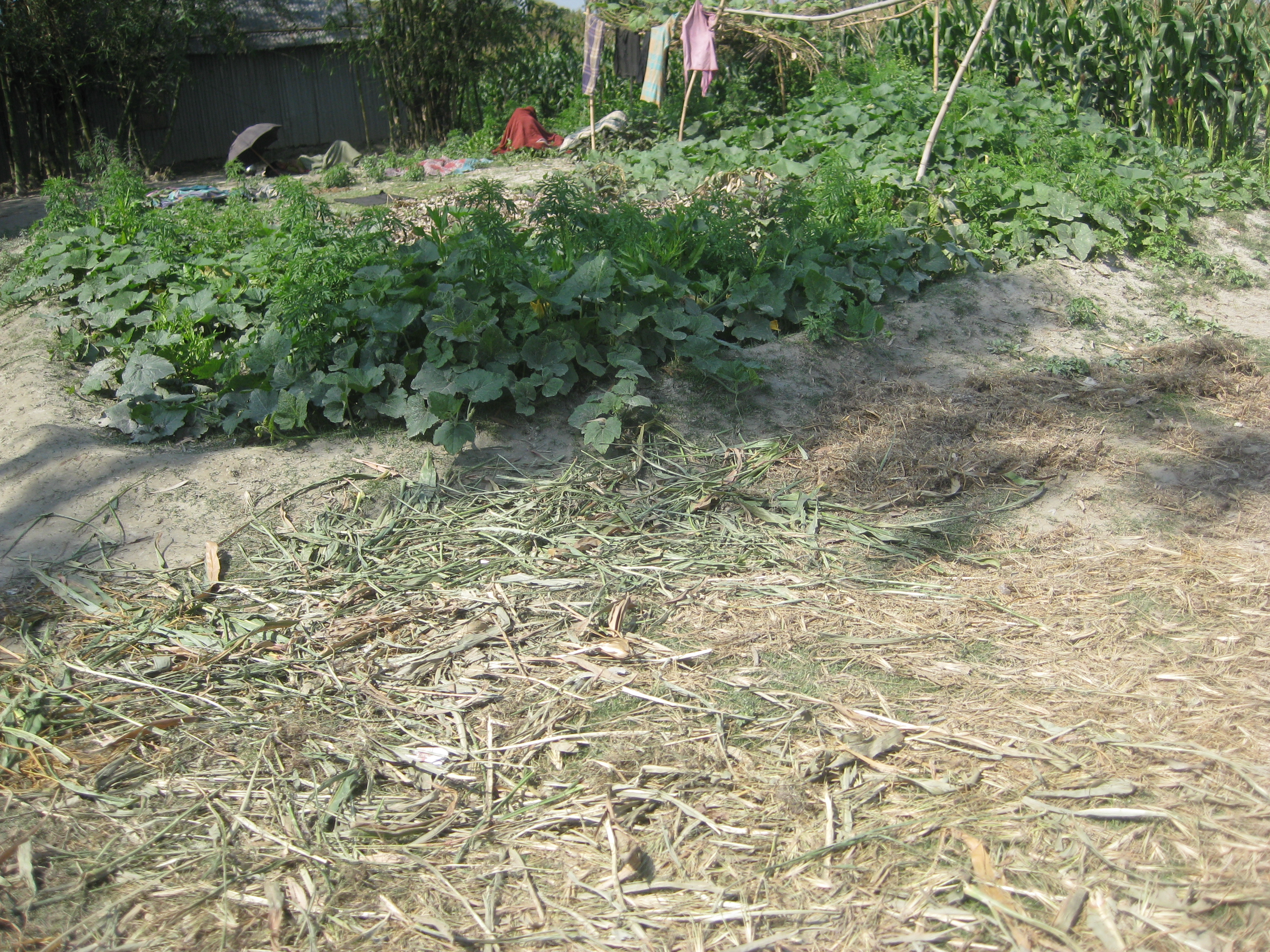
Md Shahjahan, a 62-year-old farmer, has been cultivating leased land in Siddhirganj, Narayanganj, for about 40 years. According to a Jagonews24 report of 26 November 2024, that season he had sown red amaranth, bottle gourd greens and several other leafy vegetables on four fields totalling 190 decimals in Mizmizi beel, in Ward 1 of Narayanganj City Corporation (NCC), beside the Dash Pipe stretch of the Mizmizi-Jalkuri-Chashara road. He expected a better profit than in previous years.
From Barishal to Siddhirganj
Shahjahan is the son of the late Ali Ahmed of Barishal. According to the report, he studied up to class eight before turning to farming, and in 1981 he left his village and moved to Siddhirganj, where he began farming as a young man. He first lived there as a tenant; later he bought 5 kathas of land beside the open market at Jalkuri Uttarpara in Ward 9, built a house and settled there with his family.
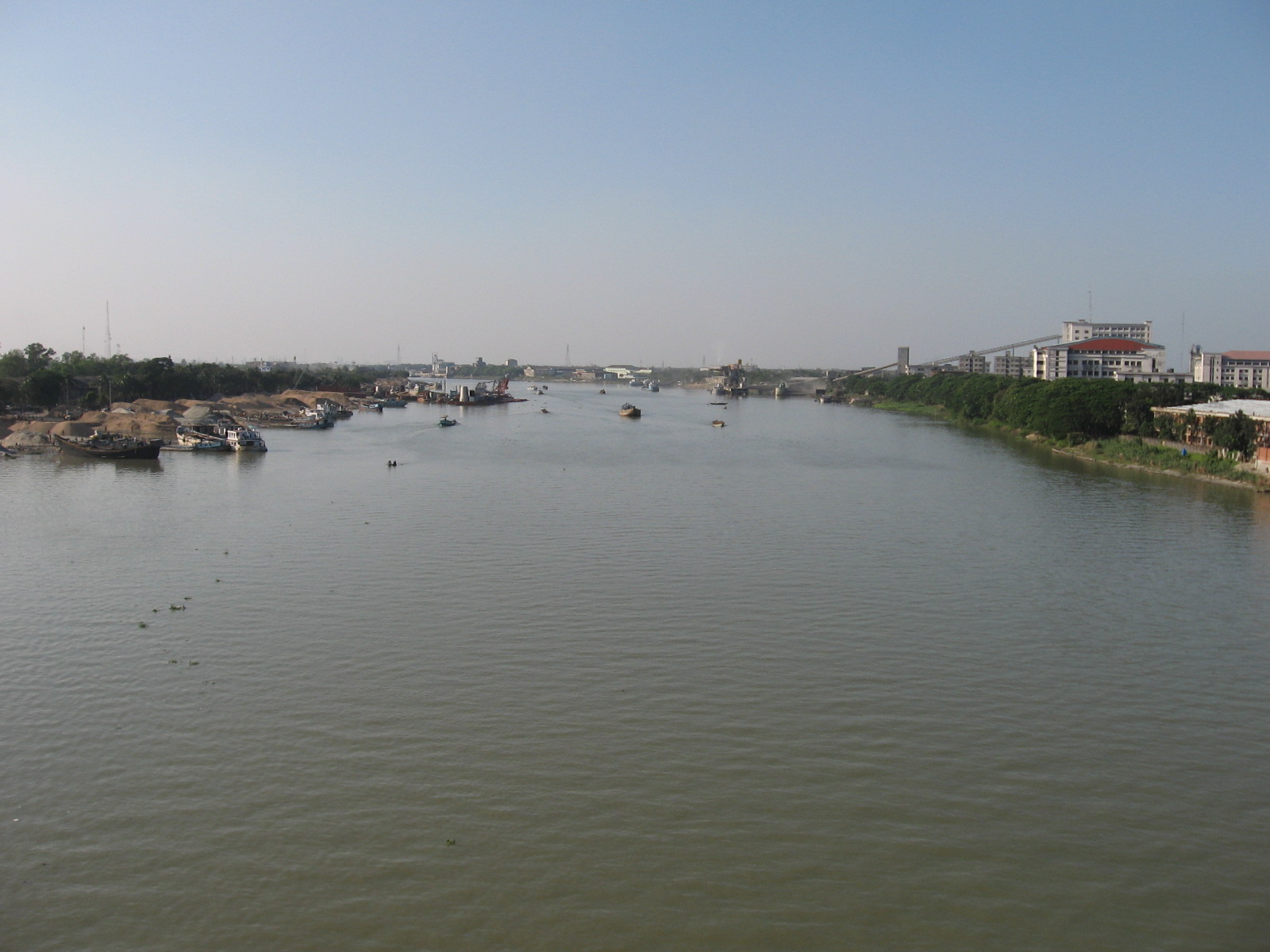
Siddhirganj, on the Shitalakshya River, is one of Bangladesh's oldest industrial areas. Narayanganj City Corporation was formed on 5 May 2011 from Narayanganj town, Siddhirganj municipality and Kadam Rasul municipality, and is divided into 27 wards. Among its factories, the low-lying beel land is still farmed for vegetables.
Five kinds of greens in one season
Shahjahan told Jagonews24 that he was growing vegetables on four plots leased for three years. That season he had sown bottle gourd greens on 115 decimals, red amaranth on 10 decimals, radish greens on 10 decimals, Malabar spinach on 40 decimals and napa greens on 15 decimals. He also has several fields elsewhere, and he farms all year round rather than in a single season.
By his account, he had spent Tk 1 lakh on these greens from sowing up to the time of the report and expected to spend another Tk 10,000. He said he employs eight workers on yearly contracts to tend the fields, paying each Tk 18,000 to 20,000. He applies TSP, urea, potash and other fertilisers and irrigates once a week. On the outlook, he said: "The profit will be higher than in other years. I think it will be possible to sell all the greens in the field for Tk 2 lakh. With a good yield, few greens have been spoilt this time."
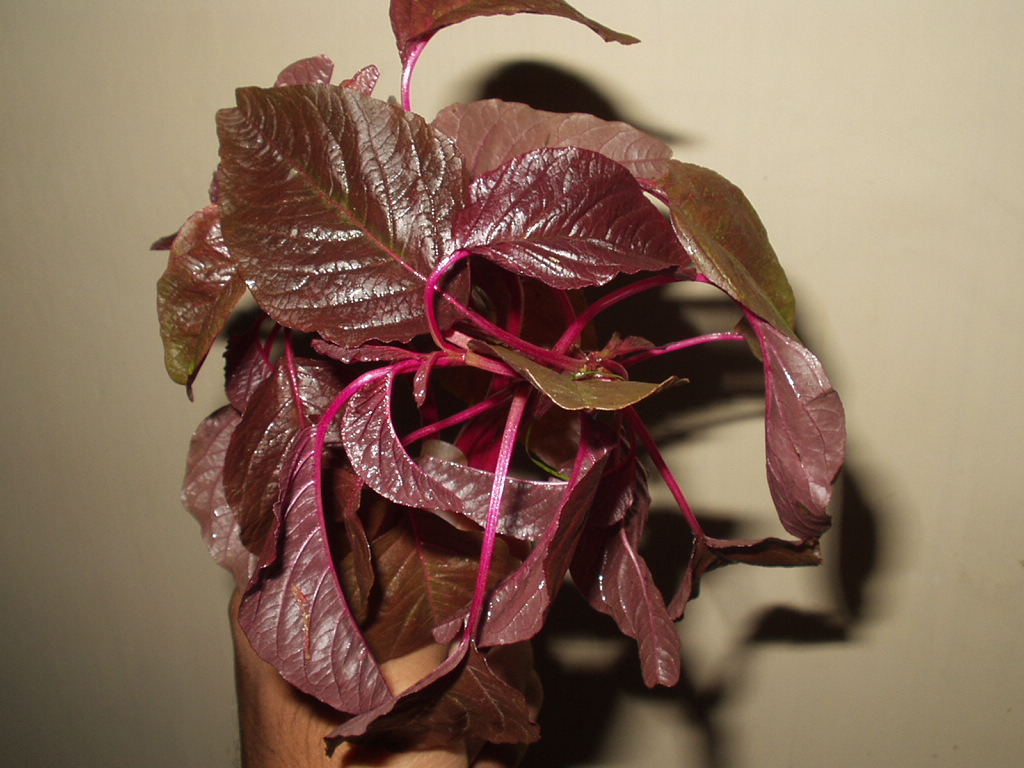
Abul Hossain, who looks after the crops, said red amaranth is the quickest of these greens, reaching full size in 20 to 22 days, while the others can be harvested in one to one and a half months. The Bangladesh Agro-Meteorological Information Service (BAMIS) likewise says red amaranth can be sown all year, especially in winter, and is ready for market from 20 to 25 days after sowing. Its improved varieties include BARI Lalshak-1 and Altapati, and the leaf yield is 40 to 56 kg per decimal.
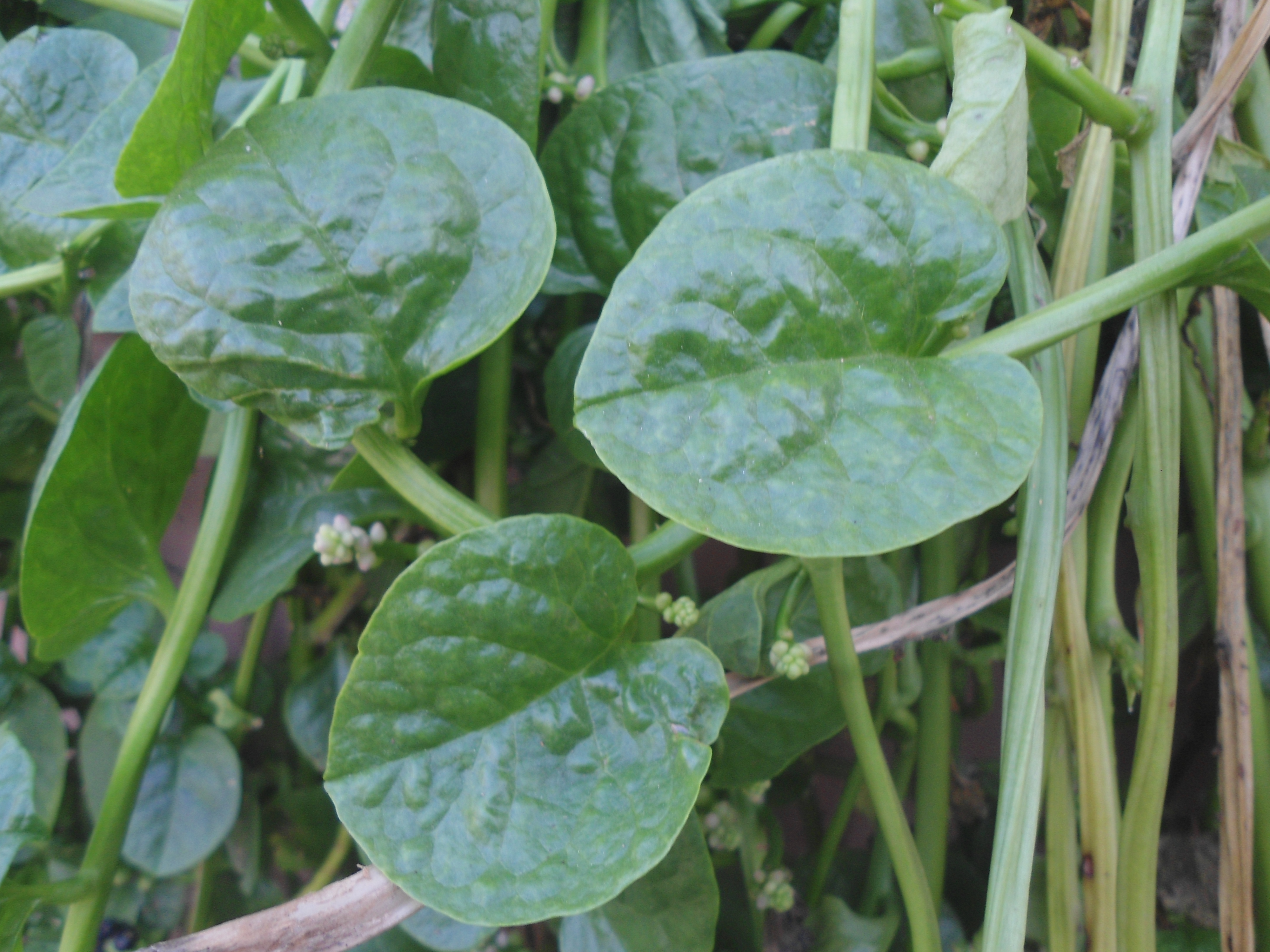
Malabar spinach (Basella alba), known in Bengali as pui shak, is a fast-growing vine with thick, heart-shaped leaves; in Bengal it is often cooked with fish, shrimp or pumpkin. Bottle gourd greens are the young shoots and leaves of the bottle gourd plant.
Educating his children
Though he could not finish school himself, Shahjahan has worked to give his children higher education. He said that of his two children, his elder son was studying engineering and that he had made preparations to send him abroad to study soon, while his younger daughter was studying for an honours degree at a public university. He remains the family's only earner and feels he is close to fulfilling his dream of educating his children.
Narayanganj Sadar upazila agriculture officer Mahmuda Hasnat told Jagonews24 that farmers were then cultivating a total of 544 hectares in Siddhirganj. She said the office spreads new farm technology and, subject to revenue, project and government allocations, distributes inputs and advice to farmers, and tries to stay in regular contact with them. Growers with questions about fertiliser or pesticide doses for leafy vegetables should consult their upazila agriculture office.
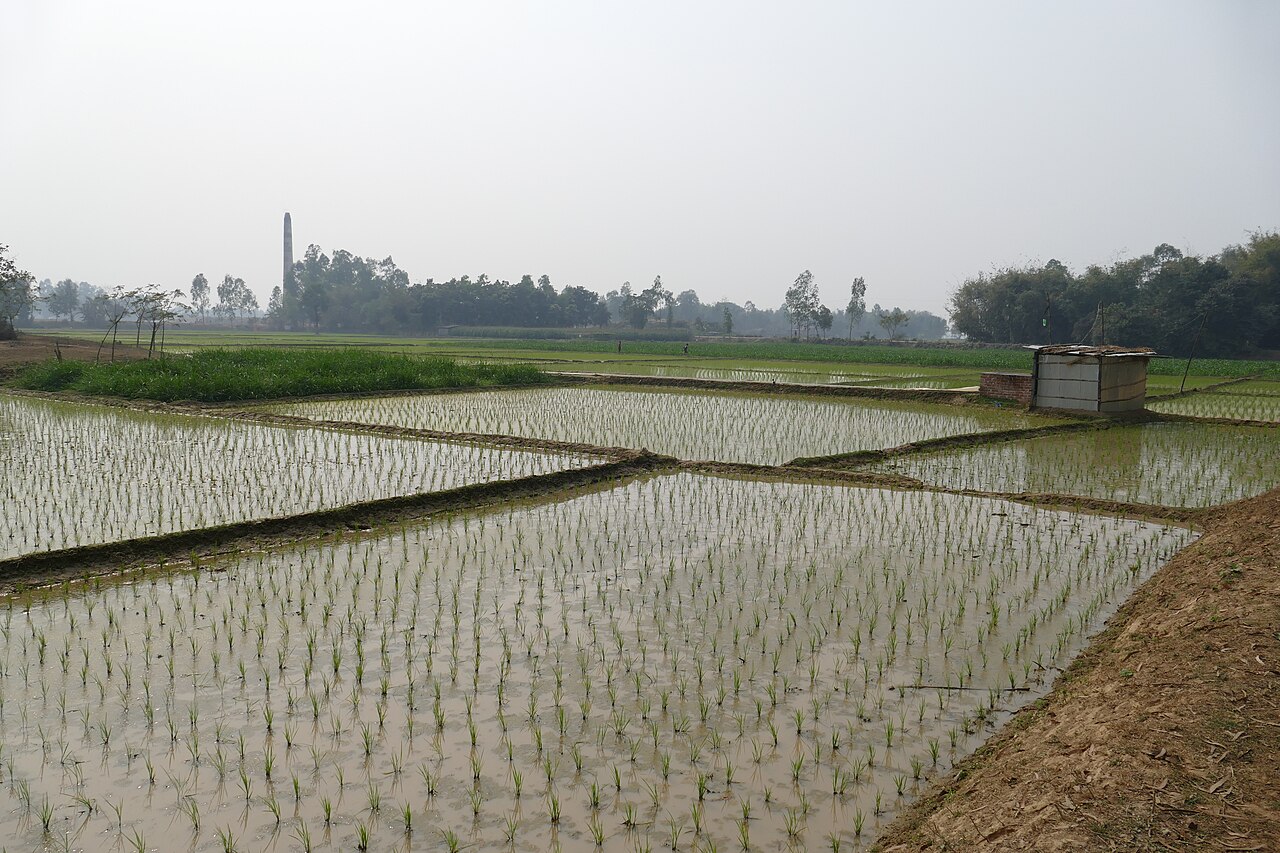
Photo: Ibrahim Husain Meraj / Wikimedia Commons (CC BY-SA 3.0)
Sources: Jagonews24, Bangladesh Agro-Meteorological Information Service (BAMIS), Wikipedia (Siddhirganj, Narayanganj City Corporation, Amaranthus tricolor, Basella alba)
Comments
(0)