
Researchers at the University of Sheffield have worked out how plants hold on to a memory of past infections while keeping their genomes stable, a finding that could give crop breeders a new source of variation for disease resistance and other traits. The study, in Nature Communications, was led by Professor Jurriaan Ton and Dr Adam Hannan Parker.
Plants have no specialised immune cells, but an earlier infection can prime their defences to respond faster and harder the next time. Earlier work in Ton's laboratory showed that plants store this memory by removing chemical tags from their DNA, which changes how genes are switched on without changing the DNA sequence. An enzyme called REPRESSOR OF SILENCING 1 (ROS1) removes the tags.
In the new study the team used a molecular tool called XVE to switch on ROS1 more precisely than an infection does, an experimental "plant vaccination" that let them follow how immune memory forms, how long it lasts and how it is erased.
Switching on ROS1 carries a risk. "Too much ROS1 activity carries a potential risk. It can release silenced transposons, or 'jumping genes', which move within the genome and cause mutations," Parker said. The researchers found that after vaccination, plants temporarily move their DNA-silencing machinery away from defence genes and towards the chromosome regions rich in transposons, keeping jumping genes quiet while defence genes on the chromosome arms keep their memory.
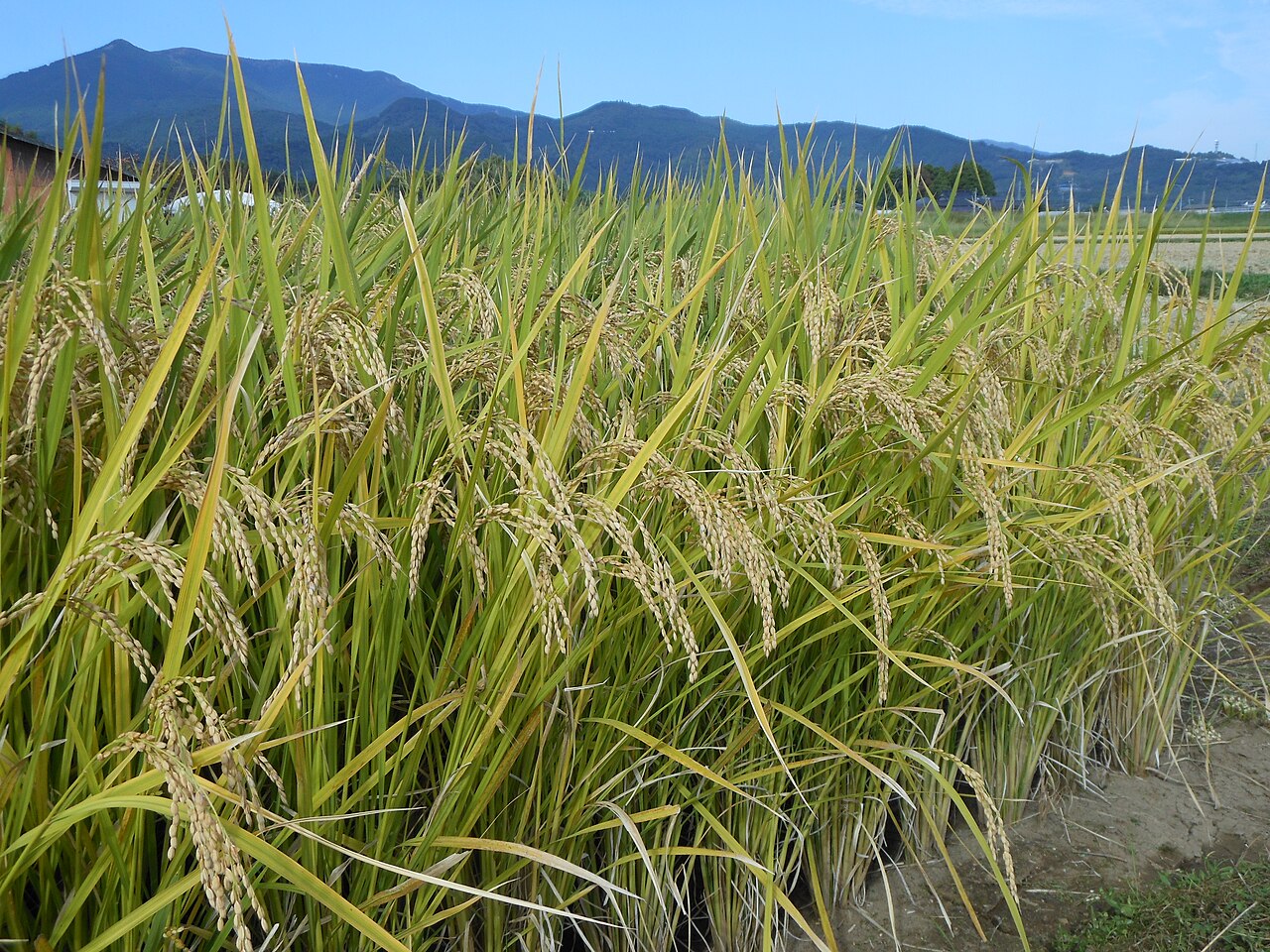
For breeders, the interest is in variation in how genes are regulated, alongside the differences in DNA sequence that conventional breeding selects. Ton said work with the Okinawa Institute of Science and Technology in Japan suggests the memory set by XVE in rice is not completely reset between generations, and part of it passes to offspring. The Sheffield team is refining the tool to deliver a stronger "epigenetic shock" whose effects stay stable over generations, so that breeders could screen plants for useful traits.
The researchers say targets could go beyond disease to tolerance of drought, heat or salinity, and to quality traits such as the nutritional value of vegetables. They add that more work is needed to show how reliably useful changes can be produced and inherited.
Photo: Pekachu / Wikimedia Commons (CC BY-SA 4.0)
Source: Seed World Europe

Comments
(0)