
Researchers at the University of Sheffield are leading an international programme to predict and prevent outbreaks of African swine fever (ASF), with a focus on the UK and Southeast Asia, Pig World reports. The project, ASF Nexus, will begin its fieldwork in Sarawak, in Malaysian Borneo, and could expand across the region.
It is one of 18 projects funded through a £54 million investment by the UK government and UK Research and Innovation (UKRI) in work on biological threats to human, animal and plant health.
The project is led by Professor Pete Dodd, Professor of Mathematical Modelling and Epidemiology at Sheffield's School of Medicine and Population Health. It brings together bioscience, mathematics, economics and behavioural science to work out why outbreaks happen, model how the disease could spread and assess the economic impact of different responses. With local stakeholders, the team aims to produce open-access prediction tools, guidance for farming communities and policy recommendations.
The partners are the University of Sheffield, the University of Liverpool's Pandemic Institute, Liverpool John Moores University, the Sarawak Infectious Disease Centre in Malaysia and Thailand's National Centre for Genetic Engineering and Biotechnology.
"African swine fever is one of the most serious threats facing pig farming worldwide," Professor Dodd said. Professor Tuck Seng Wong, Director of the UK-SEA Vax Hub and co-lead of the project, said the grant strengthened the hub's One Health work, which treats animal and human health as connected.
ASF has no widely available vaccine and is usually fatal to pigs, which is why prevention and early warning matter so much to pig farmers. The story was reported by Alistair Driver for Pig World.
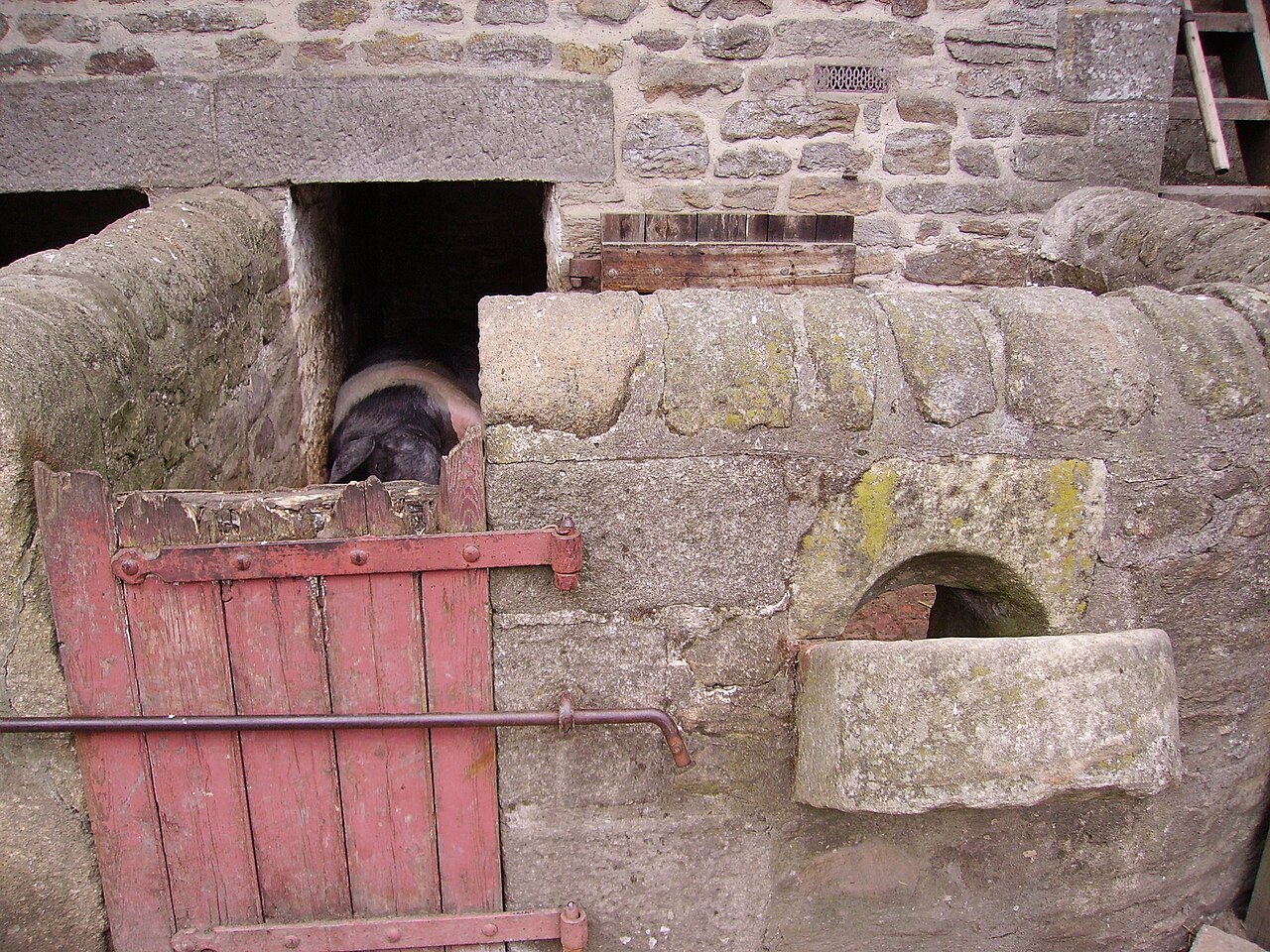
Photo: Immanuel Giel (a pig in a farm sty, County Durham) / Wikimedia Commons (public domain)
Source: Pig World

Comments
(0)