
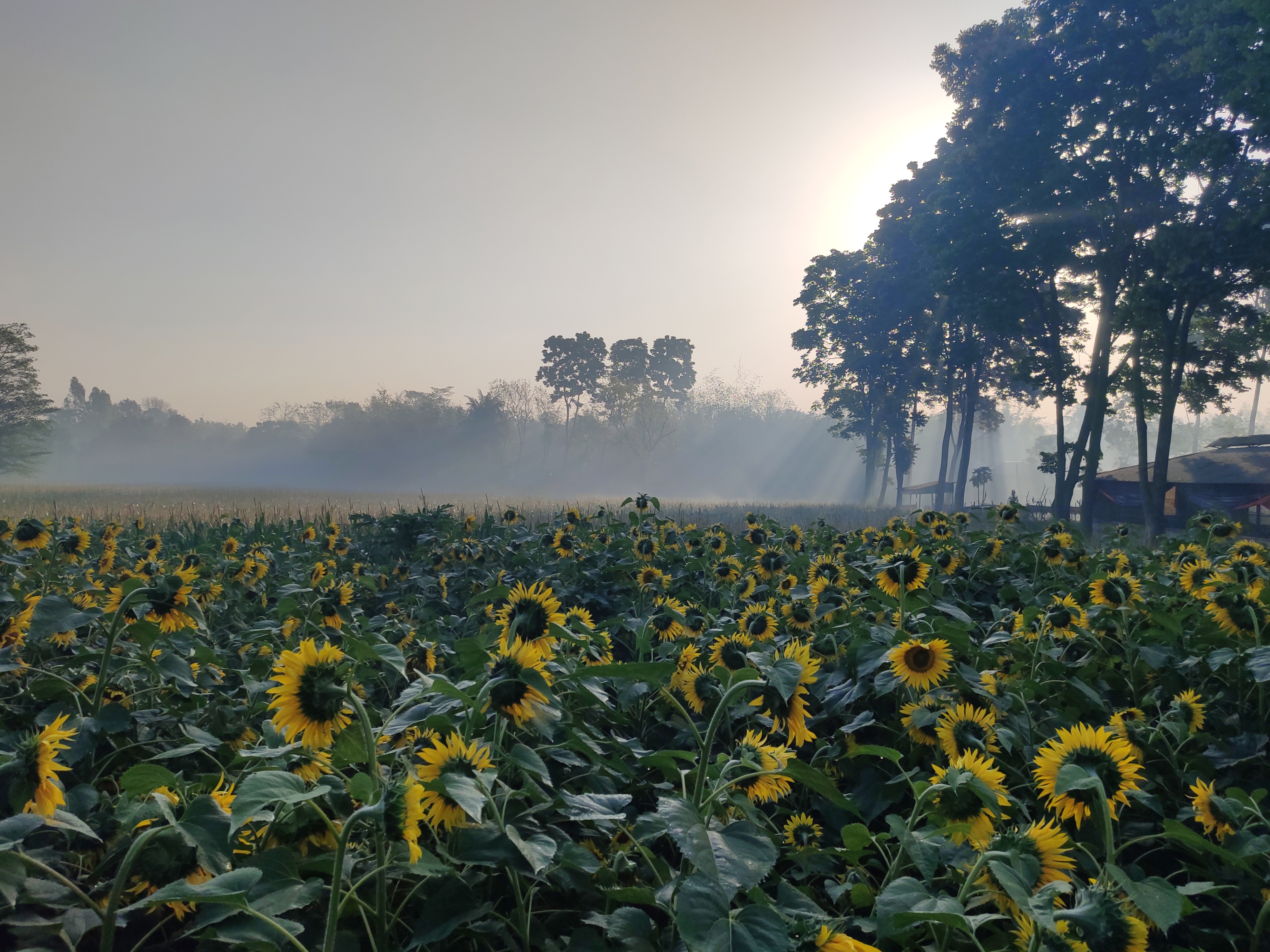
Farmers in Sharsha upazila and the Benapole area of Jashore, on Bangladesh's western border, grew sunflowers on land that used to lie fallow. According to a Jagonews24 report of 22 March 2026, they sowed the crop with free seed and fertiliser from the local agriculture office under an oilseed production project of the Department of Agricultural Extension (DAE). The fields were in full yellow bloom, and visitors came every day to see them.
From a trial plot to fields across the upazila
The report said farmers had grown sunflowers on a small area as a trial the year before and had a good yield and price. In the 2026 season, sunflowers were therefore sown in fields across the upazila, including fallow land. With advice and follow-up from field-level agriculture officers, the plants grew and the fields filled with flowers.
Upazila agriculture officer Dipak Kumar Saha told Jagonews24 that the sunflowers were grown under a DAE incentive programme meant to reduce the country's dependence on imported edible oil. By his count, about 750 decimals in the upazila were under sunflower that season. Farmers had been given free seed and fertiliser to encourage them, and the yield was good, he said. He added that sunflower oil is comparatively expensive, that demand for the crop for edible oil is rising, and that the agriculture office would give farmers the help they need if they want to expand it.
What the farmers said
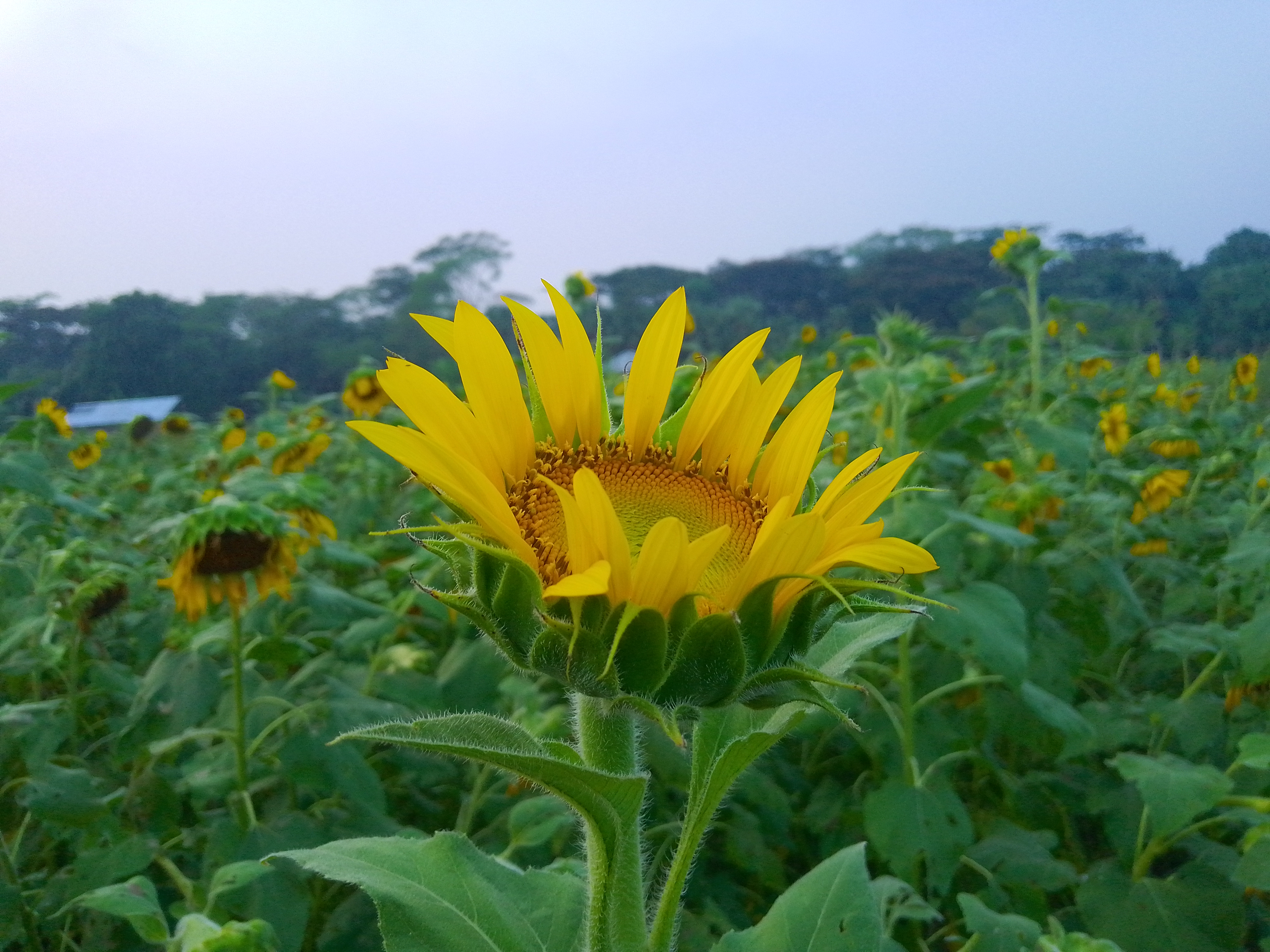
Farmers said they usually grow paddy, jute, sugarcane, wheat, maize and mustard in the upazila, but those crops earn them little, so they have turned to sunflower. Because it can be grown on fallow and single-crop land, interest is rising. By their account, the crop is cheap to grow and ready in 90 to 110 days; a bigha yields 7 to 10 maunds, and a maund sells for Tk 3,000 to 4,000.
Sharsha farmer Abdul Mannan said the crop can be harvested three to three and a half months after sowing. His seed had gone in two months before the report, and he expected to harvest by the second week of April; with favourable weather he hoped for a good yield. Farmers Altaf Hossain and Monir Hossain said sunflower gives a crop quickly at low cost and fetches a good price. The year before, on the agriculture office's advice, they had tried it on a small plot and got a good yield and price.
The crop and Bangladesh's edible oil gap
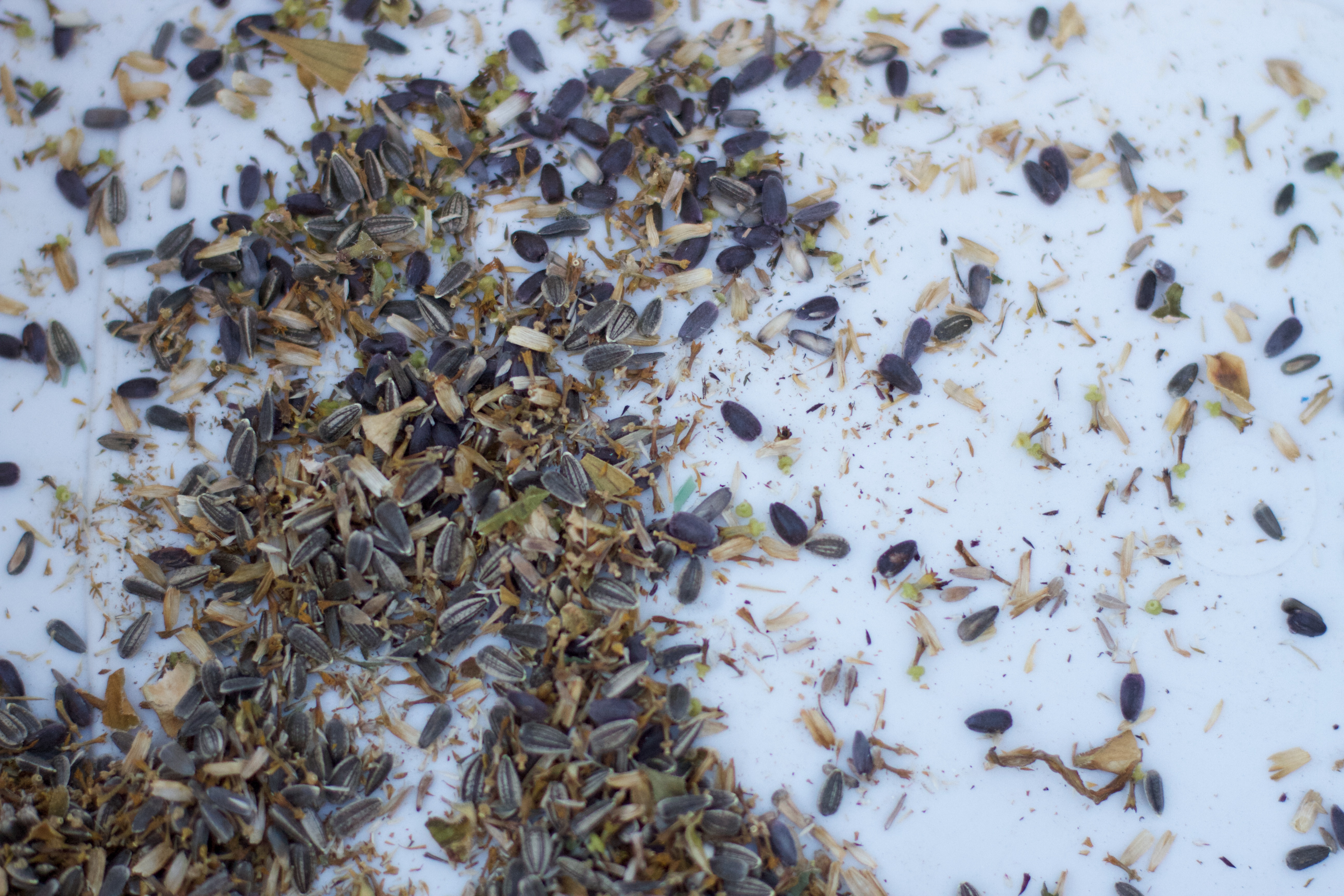
According to the Agriculture Information Service (AIS), sunflower has been grown as an oilseed in Bangladesh since 1975, and Jashore is among the districts where it is grown. It grows in most soils, but loam suits it best. The varieties released by the Bangladesh Agricultural Research Institute (BARI) take roughly 90 to 110 days, and the seed of BARI Surjomukhi-2 holds 42 to 44 percent oil. AIS gives the average sunflower yield as 1.7 to 1.9 tonnes a hectare and notes that the oilcake is fed to cattle and buffalo.
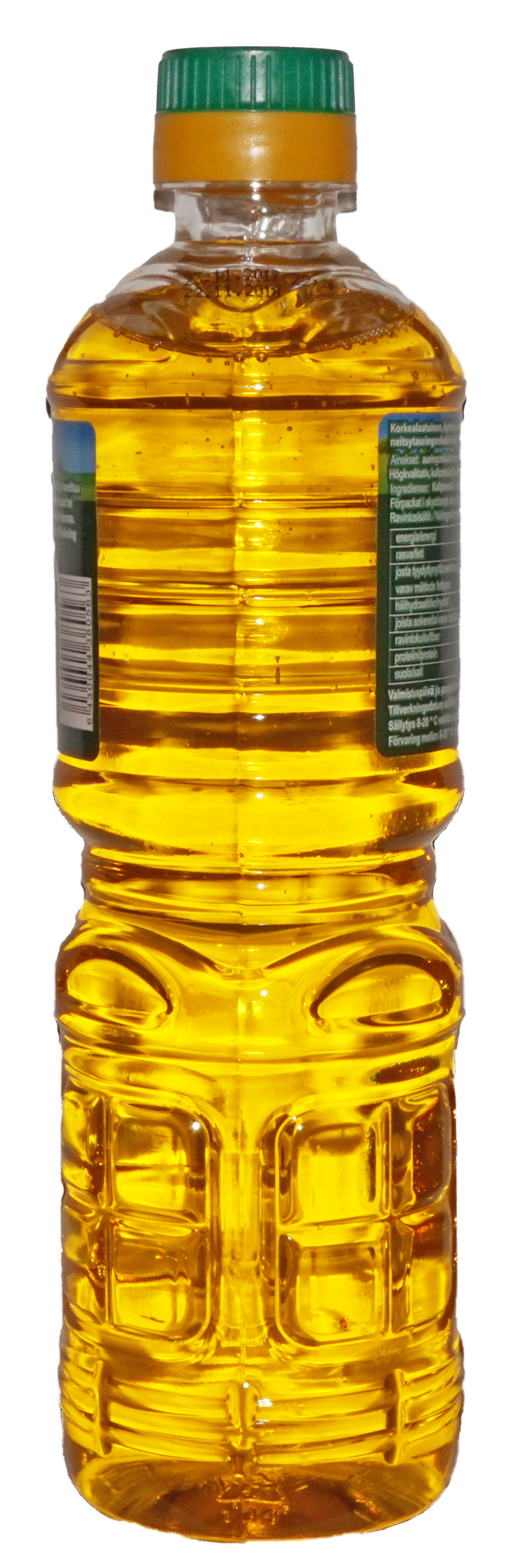
Bangladesh relies mainly on imports for its cooking oil. A March 2025 report by the US Department of Agriculture's Foreign Agricultural Service (USDA FAS) said domestically produced oilseeds meet about 15 percent of the country's edible oil needs, with the rest imported as crude oil or oilseeds. Based on DAE data, the same report estimated sunflower at about 10,000 hectares and 20,000 tonnes in fiscal year 2024-25.
Sharsha is a border upazila of Jashore district covering 336.28 square kilometres. It contains Benapole, the largest land port on the India-Bangladesh border.
Photo: Moheen Reeyad / Wikimedia Commons (CC BY-SA 4.0)
Sources: Jagonews24, Agriculture Information Service (AIS), US Department of Agriculture Foreign Agricultural Service (USDA FAS), Wikipedia
Comments
(0)