
As winter sets in, cold water, ice cream or a chilly morning breeze sets many people's teeth on edge. Writing in Prothom Alo, dentist Dr Sharmin Sultana says this should not be brushed off as a winter nuisance: it can be a sign of enamel wear, gum problems or other dental disease.
Why it happens: enamel is the tooth's hard outer layer; beneath it lies dentine, full of tiny tubules. When enamel wears away or gums recede and expose the dentine, cold, heat, sweet or sour food causes a brief sharp pain, known as dentine hypersensitivity. Brushing hard with a stiff brush, frequent acidic food and drink, clenching or grinding in sleep, decay, cracks and failing old fillings can all cause it. Winter itself is not the cause; it makes already sensitive teeth worse.
When to worry: ordinary sensitivity fades as soon as the trigger is removed. Pain that lasts, starts without a trigger, wakes you at night or gets worse on biting may mean inflammation of the pulp, deep decay or a crack. Then, rather than waiting with a sensitivity toothpaste, see a dentist, who may use an X-ray to find the cause.
Daily care: brush twice a day for about two minutes with a soft brush and fluoride toothpaste, and clean between the teeth with floss. Dr Sultana says sensitivity toothpastes may contain potassium nitrate or stannous fluoride, and that with regular use they can take several weeks to reduce the twinges.
Rinse with water after acidic food or drink and wait at least 30 minutes before brushing. Do not rub lemon, salt or charcoal on your teeth; it damages enamel further. Nor should you stop cleaning a sore tooth or chew only on one side for fear of pain.
A swollen face or cheek with fever needs prompt treatment, and difficulty breathing or swallowing is an emergency.
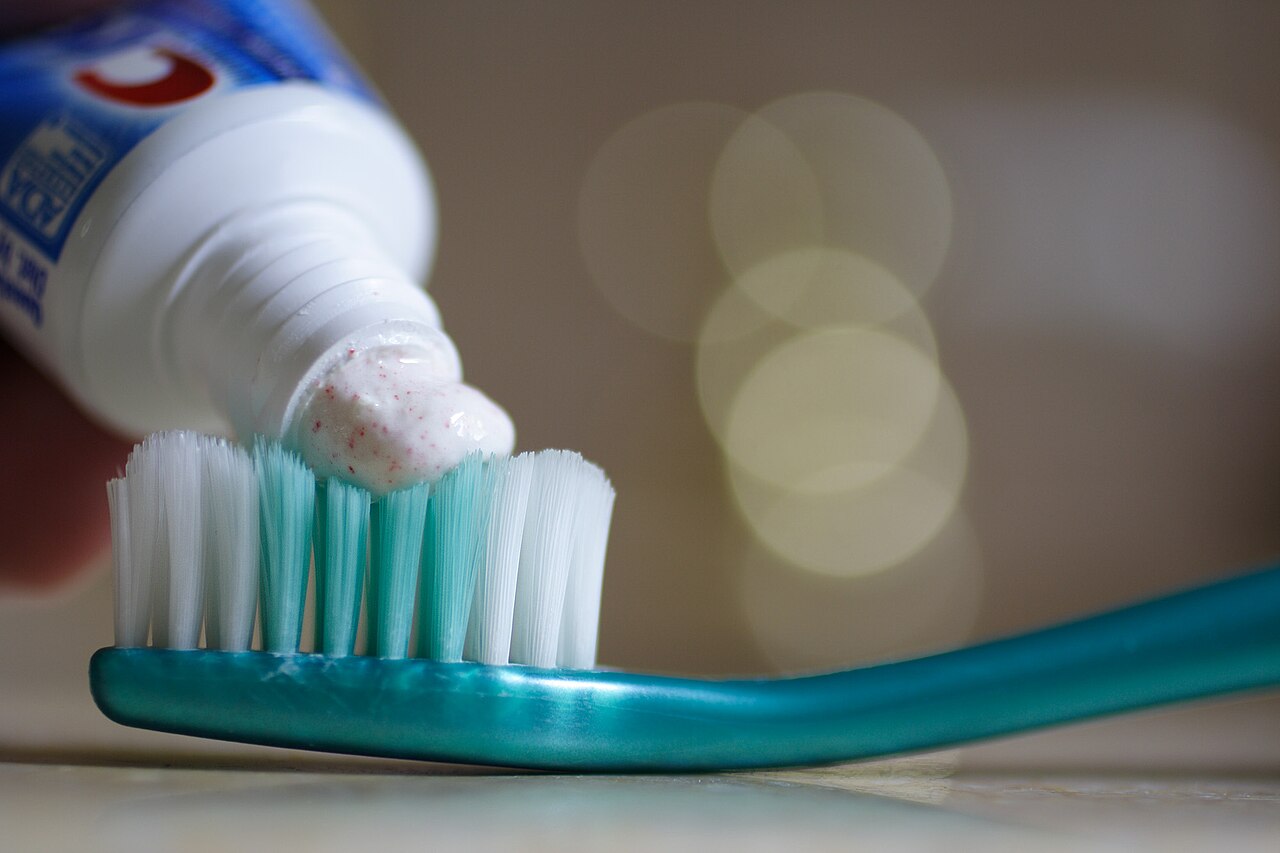
Photo: toothpaste on a toothbrush, Thegreenj / Wikimedia Commons (CC BY-SA 3.0)
Source: Prothom Alo


Comments
(0)