
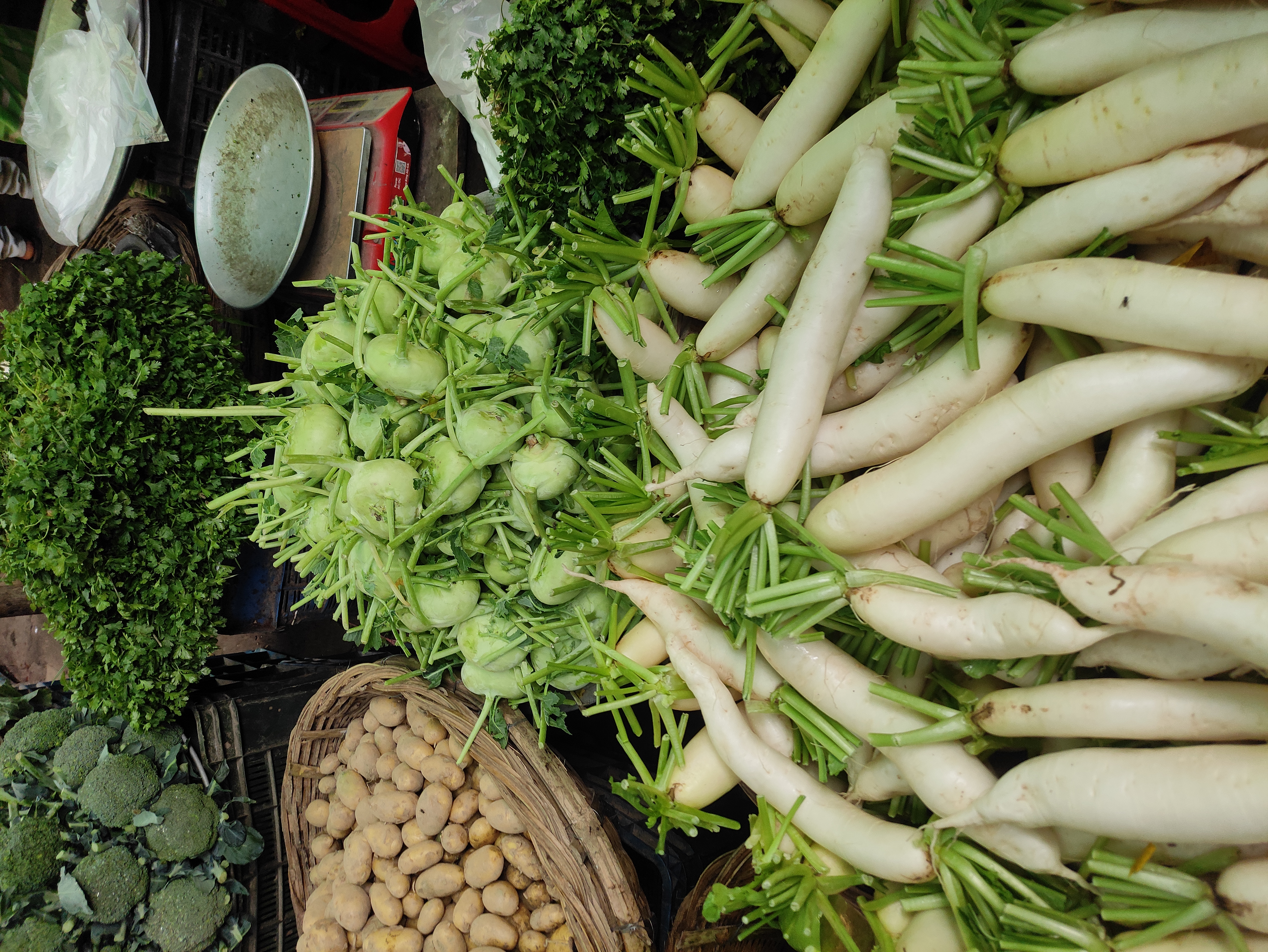
Several villages in Savar upazila of Dhaka district, South Meitka in Tetuljhora union and villages in Bhakurta union, had become known locally as the "China village" by the start of 2020, because their farmers were growing the foreign vegetables used in Chinese cooking. Barta24.com's Savar correspondent visited the villages on 1 January 2020 and reported that, with demand rising, many farmers were also renting land in neighbouring villages and districts to grow these crops.
Twenty or so varieties on about 80 hectares
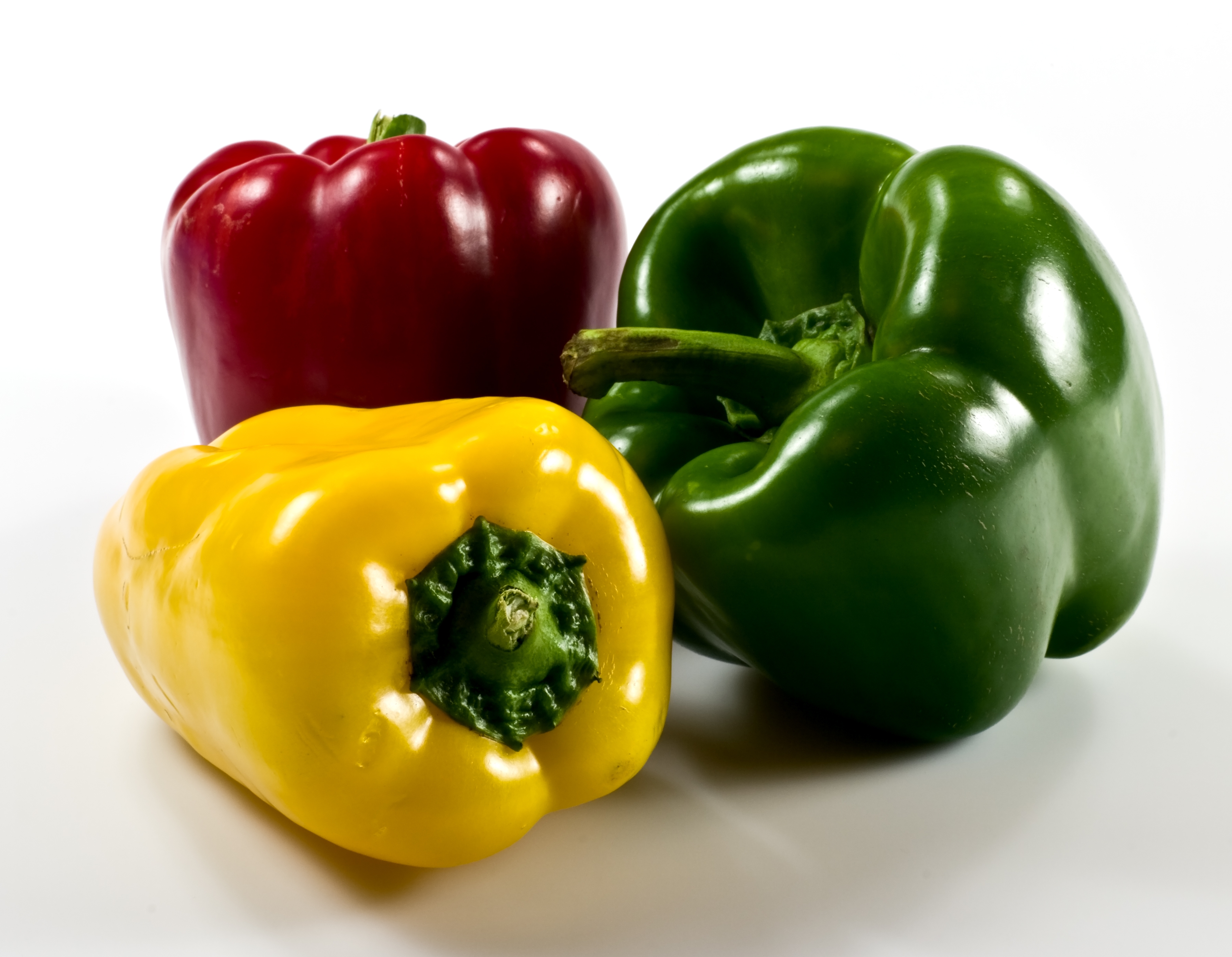
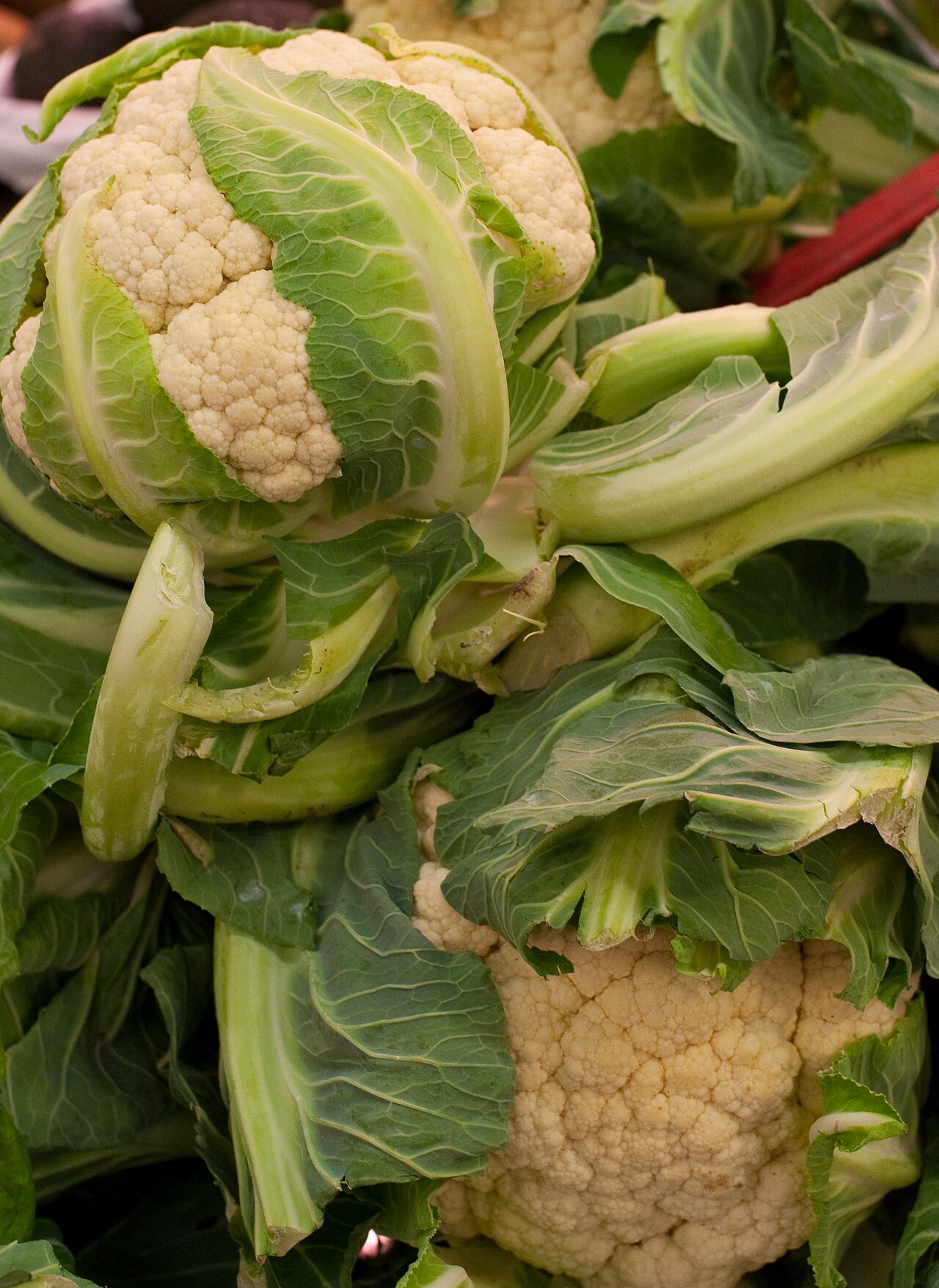
According to the report, some 70 to 80 hectares in the Tetuljhora and Bhakurta villages were under about 20 to 22 kinds of foreign vegetables, known locally as "China vegetables". Those named included:
- capsicum
- China leaf and leek leaves
- Changching onion
- pink cabbage
- parsley
- baby corn and sweet corn
- beetroot
- iceberg lettuce
- cherry tomato
- broccoli
- lemongrass and Thai ginger
Savar's upazila agriculture officer told Barta24.com that the high-value vegetables were grown on about 80 hectares in Savar, that the area was gradually expanding and that the agriculture office was advising the farmers regularly. Alongside the foreign crops, the villages' farmers also grew a range of local vegetables.
Demand from Chinese restaurants
The report linked the spread of the crops to the growing popularity of Chinese food in Bangladesh. One local farmer said the area used to grow all kinds of winter vegetables but now depended on Chinese vegetables, and that Dhaka's Chinese restaurants bought what they produced. Markets in Karwan Bazar and Shahbag in the capital, in Chattogram and elsewhere had drawn farmers into the crop.
The farming also brought steadier work for day labourers. Labourers in the fields told Barta24.com that they used to find work only on some days, but now had work every day and their households were better off.
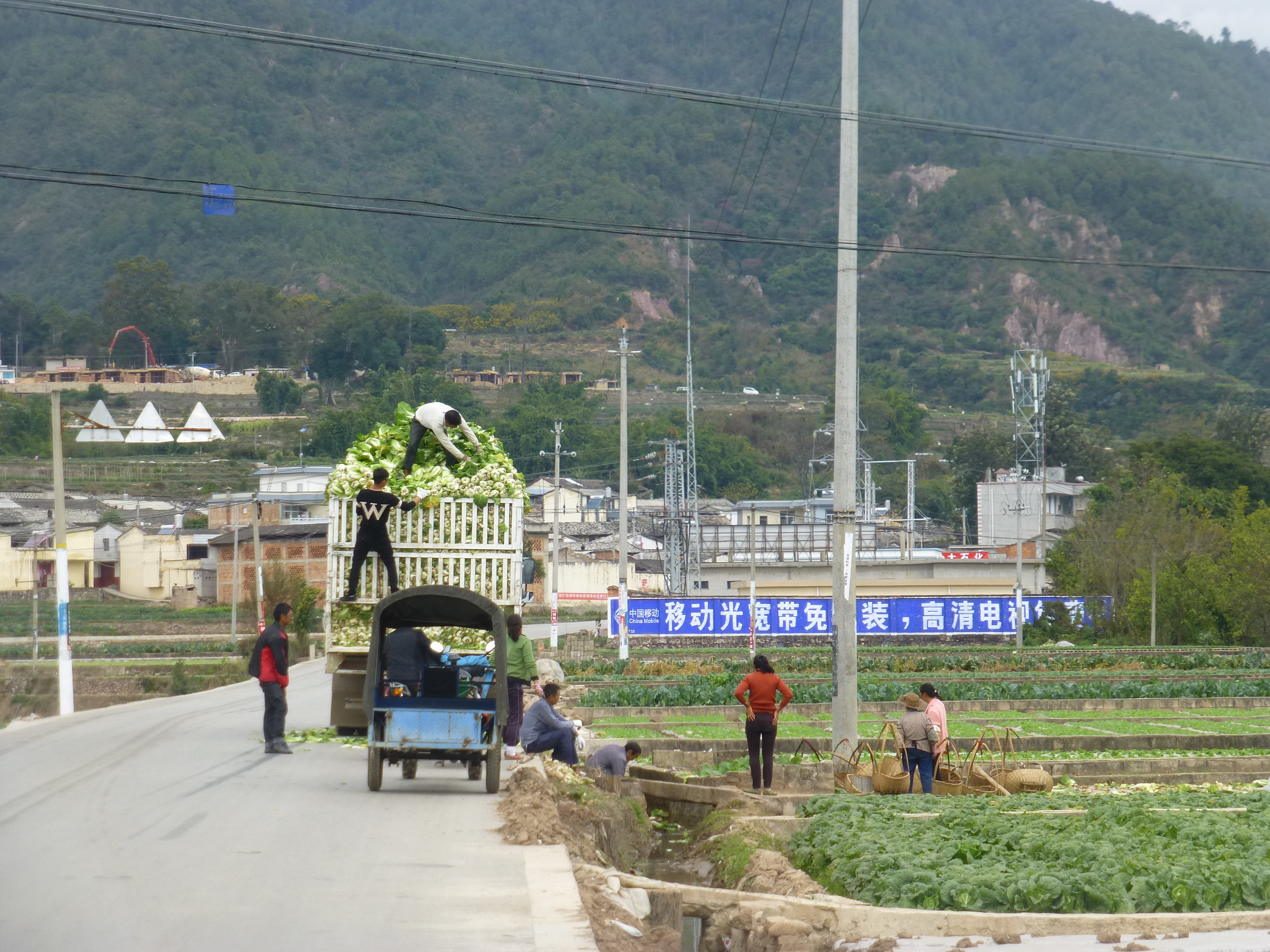
What farmers asked for
Farmers also had requests. One grower said he farmed vegetables on about 50 bighas, 15 of them under China vegetables, and would expand further if he could get farm credit. Another said that farmers received no service for these vegetables from the agriculture app.
The upazila agriculture officer said at the time that the crops were too new to be covered by the agriculture app and would be brought under it very soon. The chairman of Tetuljhora union parishad said the union parishad had arranged training and given farmers free fertiliser and seed, and that good road links let farmers get produce to buyers quickly.
Savar, and foreign vegetables elsewhere
Savar upazila lies about 24 kilometres north-west of Dhaka city. Besides Tetuljhora and Bhakurta, its unions include Kaundia, Dhamsona, Aminbazar, Ashulia and Birulia, and the Bangshi, Turag and Buriganga are among the rivers of the area. Its main crops include paddy, jute, peanut, onion, garlic, chilli and other vegetables.
Savar was not the only place where foreign vegetables had taken hold. Prothom Alo reported in February 2017 that farmers in the Shibganj, Gabtali and Shajahanpur upazilas of Bogura were growing lettuce, capsicum, broccoli, red cabbage, baby corn, Thai ginger and Chinese cabbage and supplying them to star hotels, supermarkets and Chinese restaurants.
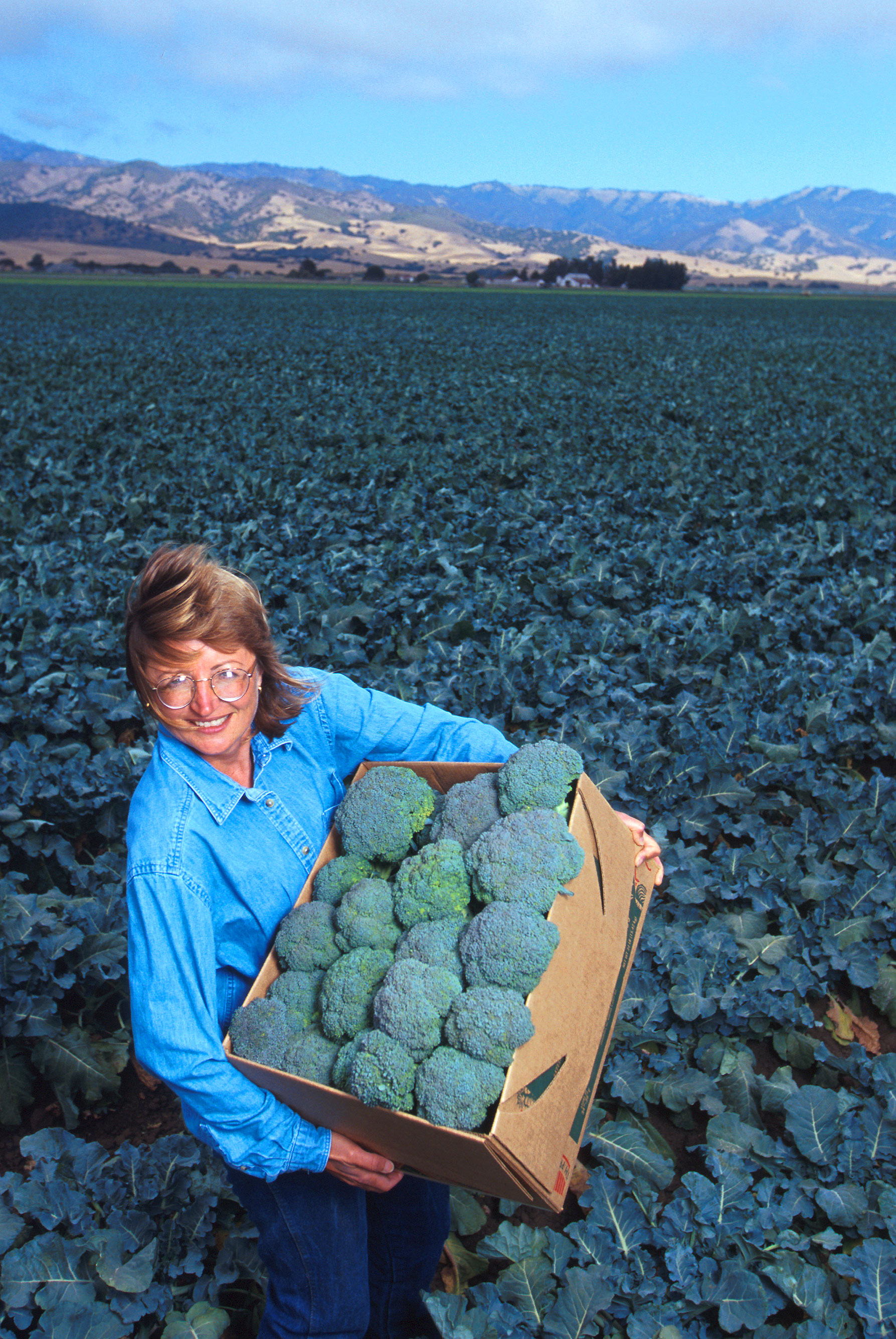
Photo: Sm faysal / Wikimedia Commons (CC BY-SA 4.0)
Sources: The Agro News, Barta24.com, Prothom Alo, Wikipedia (Savar Upazila)
Comments
(0)