
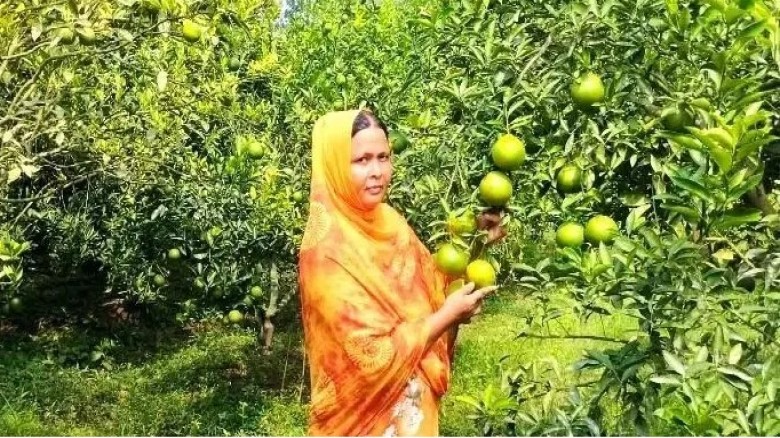
Low costs and high profits have made kul (jujube) farming very popular with marginal farmers in Satkhira. Because it pays so well in a short time, the area under kul is growing every year. After meeting local demand, hundreds of tonnes of kul are going to different parts of the country.
Kul farming is playing an important role in enriching Satkhira's economy. Farmers in the district are profiting greatly from growing kul commercially, and with suitable soil and weather, they have brought about a veritable revolution in kul production.
According to the district Department of Agricultural Extension (DAE), Satkhira's soil suits kul. Commercial kul farming began in the district mainly after 2000. Because the crop is profitable, hundreds of farmers have cut back on other crops and started growing kul.
Varieties grown in the district include Baukul, Applekul, Taiwan kul, Narikeli and Dhaka Ninety. This year kul has been planted on 660 hectares in the district, and the agriculture department says 7,000 tonnes will be produced.
Costs and profit
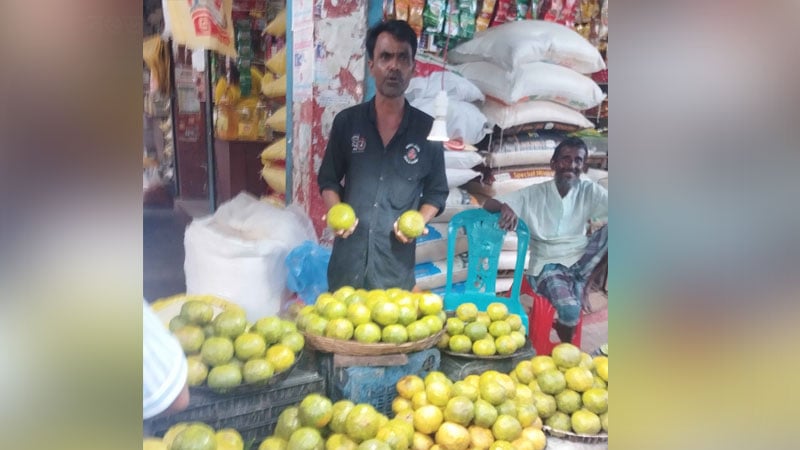
Growing kul costs Tk 20,000-22,000 a bigha. The wholesale price is Tk 40-50 a kg. After all costs, a profit of Tk 90,000 to Tk 1 lakh a bigha is possible.
All kinds of kul grown in Satkhira are in high demand across the country. After meeting the district's needs, the fruit is sent to Khulna, Dhaka, Chattogram and other places.
Kalyan Ghosh, a kul grower from the Patkelghata area of Tala upazila, said kul is a profitable crop. In the Satkhira market a kg of kul sells for Tk 80-100. Compared with other years, both yield and prices are good this year, so growers are earning more than before. If the government gave farmers loans on easy terms, kul farming in the district would grow much further, he said.
Arabindu Biswas, deputy director of the DAE in Satkhira, said kul has yielded well in Satkhira this year and farmers are getting good prices, so growers will profit well. The government has given kul farmers all kinds of support, he said.
Source: Dhaka Tribune. First published in Bengali on The Agro News.
Comments
(0)