
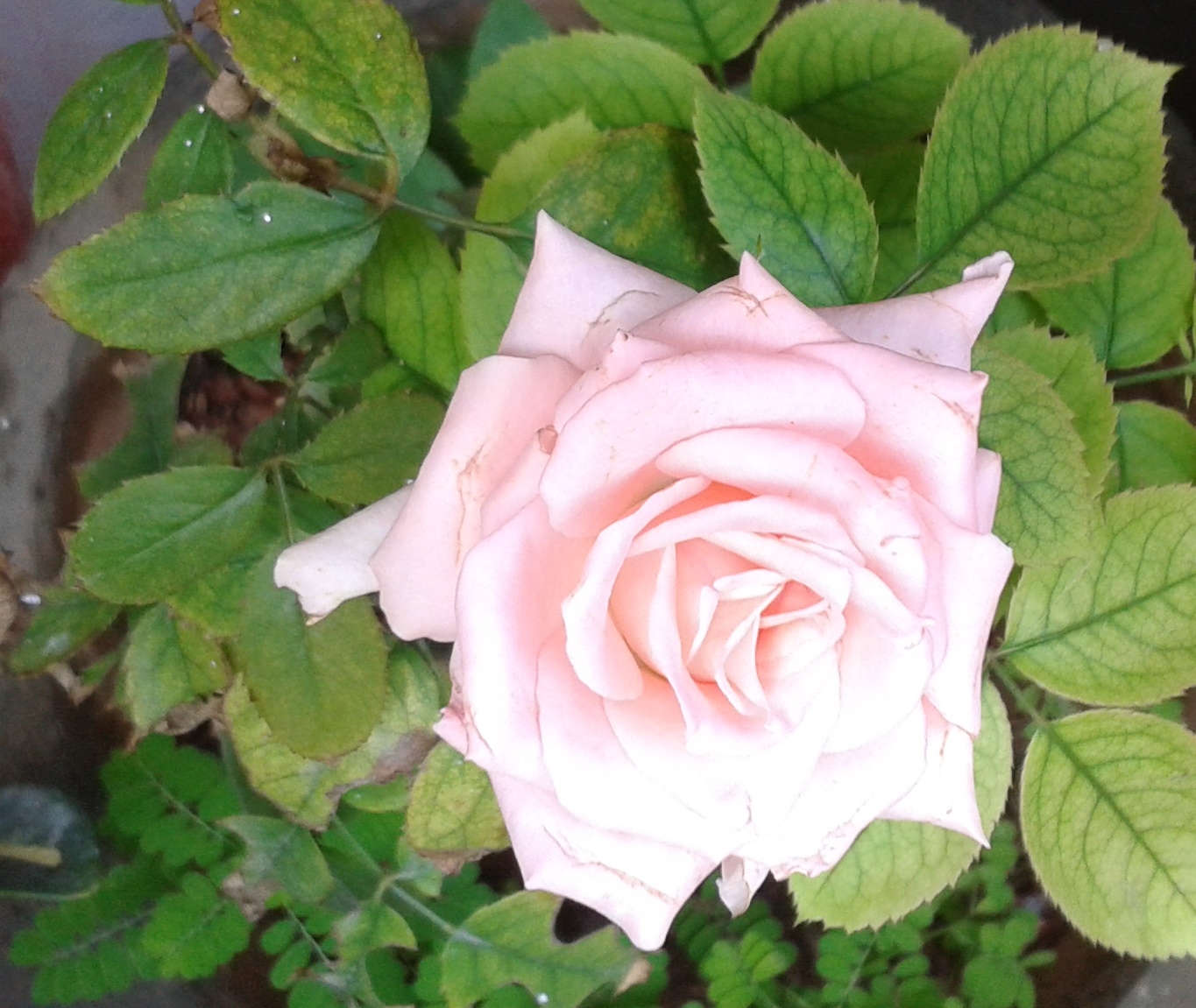
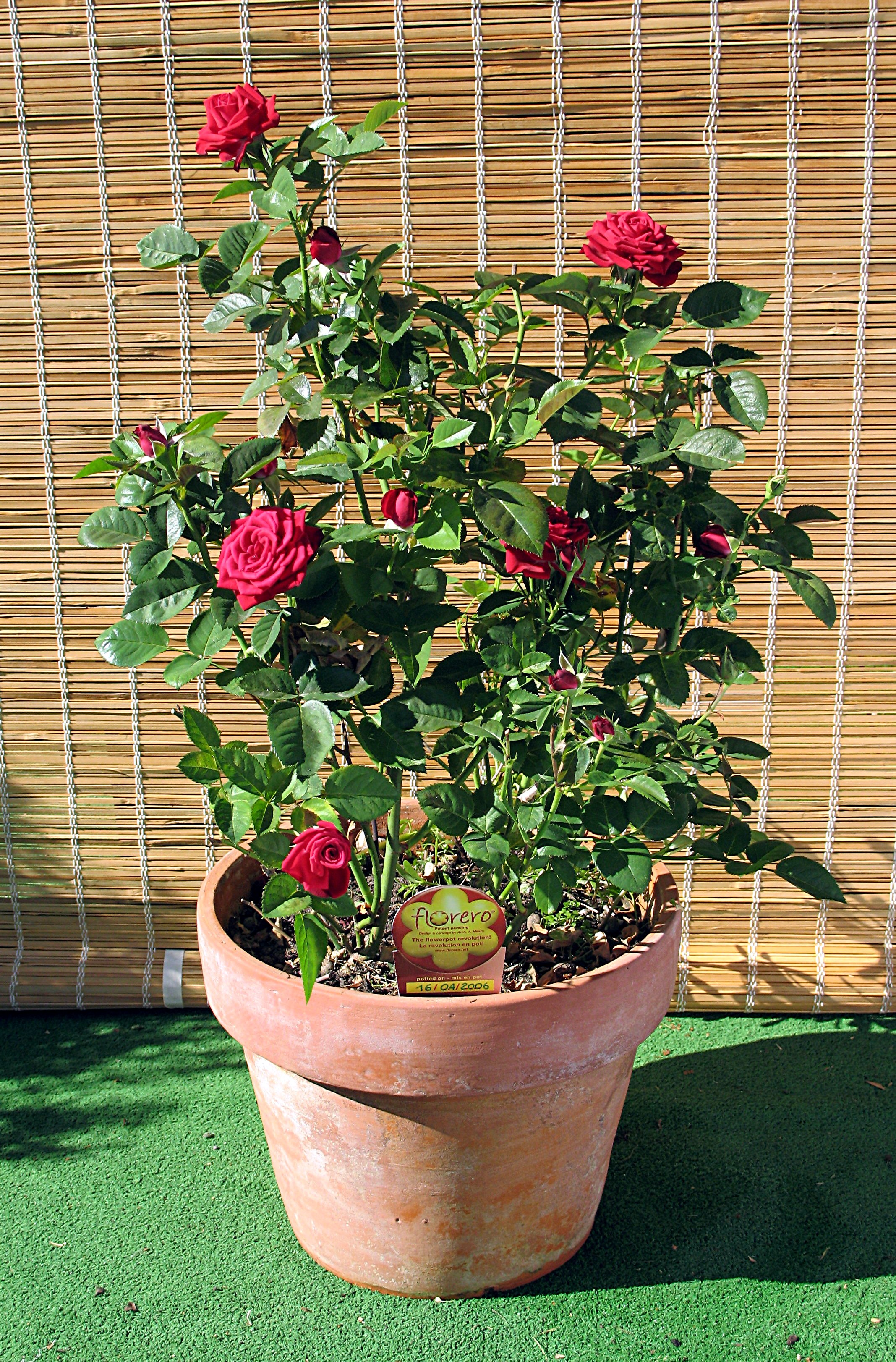
In towns and villages alike, many people grow flowers in pots on rooftops, balconies and around the house, and the rose is most people's favourite. In August 2017 Jagonews24 set out some basic rules for growing roses in pots. They are checked here against the rose-growing guide of Bangladesh's government National e-Tathyakosh, Banglapedia, the UK's Royal Horticultural Society (RHS) and Clemson University in the United States.
According to Banglapedia, roses are prickly shrubs of the genus Rosa in the family Rosaceae, which has more than 150 species. Roses can be propagated from seed, cuttings, layering and budding, and budding is by far the most suitable method for commercial plants: the chosen variety is budded onto the stem of a rootstock, which provides the roots. The e-Tathyakosh notes that roses are grown and sold commercially in Savar, Jessore and Kushtia.
Choosing and planting the seedling
Roses do best in an open spot with long hours of sun and in fairly cool weather. The e-Tathyakosh recommends a well-drained loam, sandy loam or clay loam with a soil pH between 6 and 7, and gives October-November as the best time to plant. Roses cannot tolerate waterlogging, so a pot needs drainage holes.
- Plant a one-year-old seedling rather than a new one.
- Set it upright in the hole.
- Cover the roots completely with soil and press the soil firmly around the base.
- On grafted plants, keep the graft joint at least 3-4 cm above the soil. Clemson University likewise advises setting the graft union just above soil level.
Pruning and disbudding
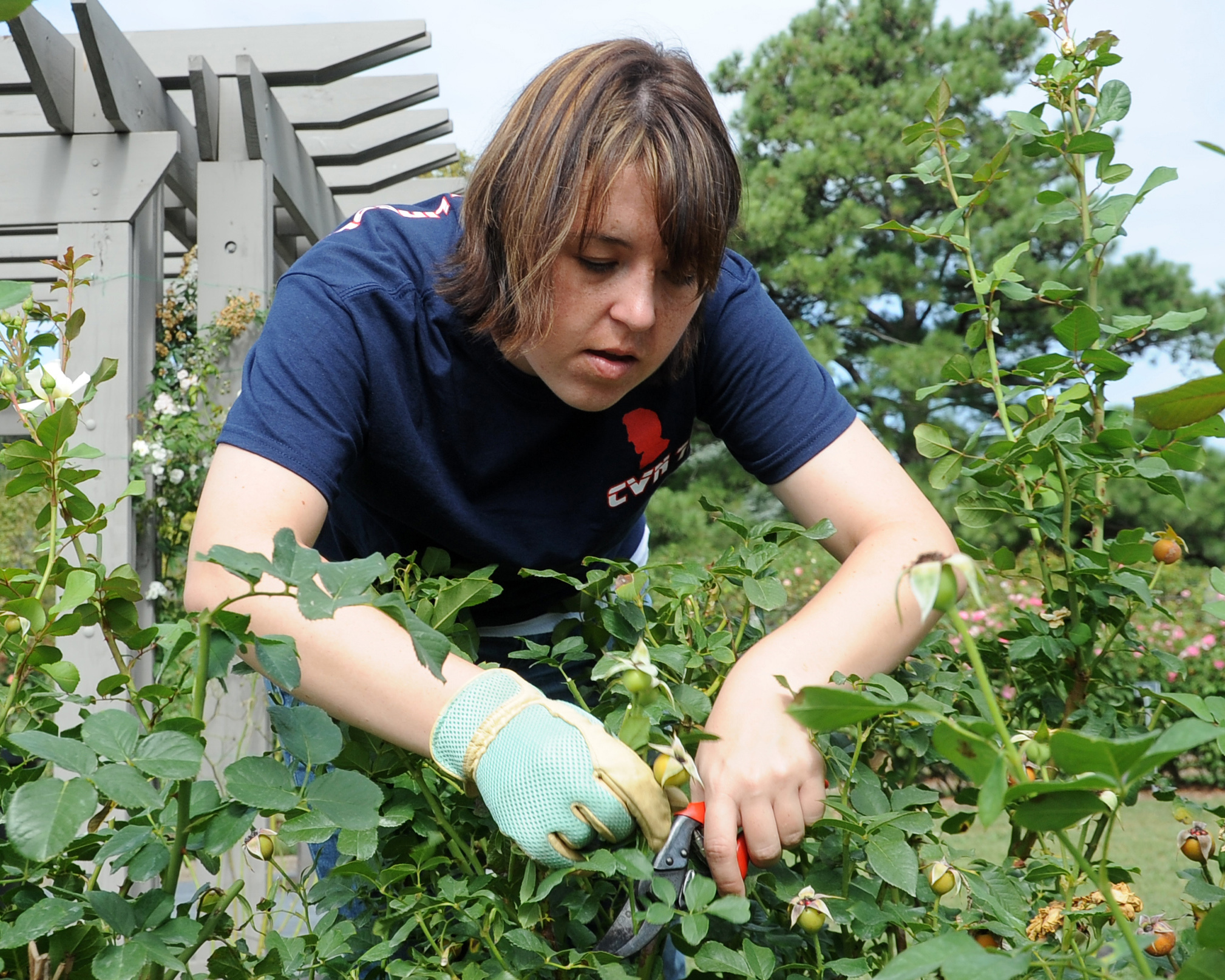
Roses flower more on new wood; old branches flower poorly. Old, damaged and diseased branches are therefore cut out so new shoots can spread. The original report named the Bengali month of Ashwin for pruning; the government e-Tathyakosh gives October-November as the usual time and says a plant needs no pruning in its first year. Pruning can be light, medium or hard depending on how the plant is growing.
- Cut dead and diseased branches with a sharp knife or secateurs; the RHS advises pruning dieback back to healthy white pith.
- To stop cut branches drying out, brush a thick fungicide paste onto the cut ends.
- Breaking off the first flower buds after pruning leads to larger flowers later.
- Cut away with a sharp knife any shoot that grows from below the graft joint, from the rootstock, as it is not the chosen variety.
Feeding and watering
The e-Tathyakosh advises using as much organic manure as possible for good-quality flowers and choosing fertiliser according to a soil test. Rotted cow dung and compost made from household and leaf waste both serve. A mulch of rotted dung and compost goes around the base in March-April. When loosening the topsoil of the pot to mix in manure, take care not to damage the roots.
- Water the base of a newly planted seedling frequently at first.
- Once a plant in a garden bed is established and putting out new shoots, the e-Tathyakosh says watering once every 10 days is enough in the dry season.
- For pots, the RHS notes that roses in containers need much more water than those in the ground, which could mean daily in hot weather.
- Loosen the soil around the base after each watering, but never let water stand in the pot or around the stem.
Pest control
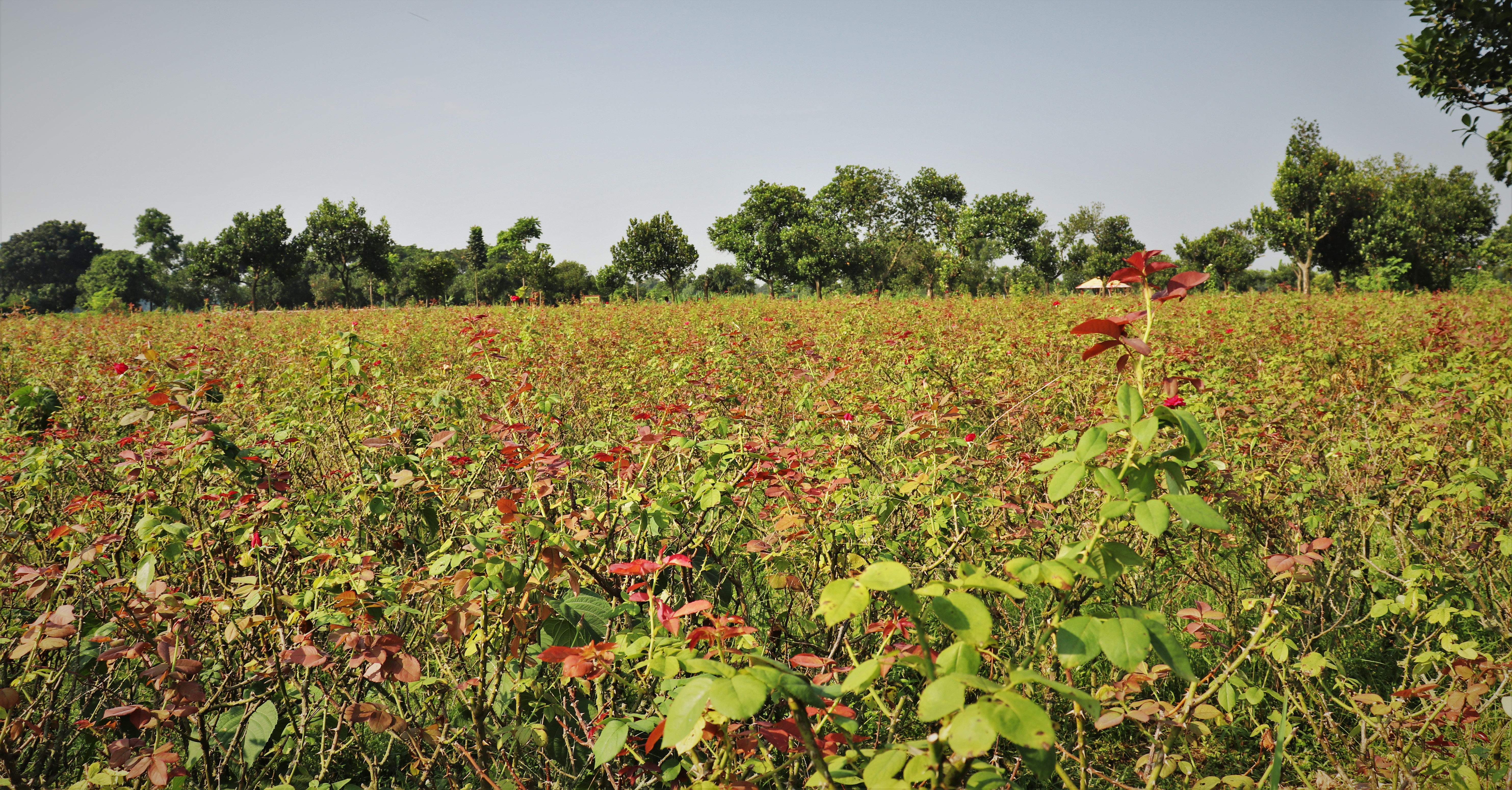
If pests attack potted roses, locally made organic pesticide can be used. If that does not work, the e-Tathyakosh advises asking the union-level agriculture officer of the Department of Agricultural Extension or the upazila agriculture office. For plants in garden beds, the guide also suggests digging a ring 20 cm from the base after pruning and leaving the roots exposed to sun and air for 8-10 days to kill harmful insects in the soil.
Photo: Jefrienannienelson / Wikimedia Commons (CC BY-SA 4.0)
Sources: Jagonews24, National e-Tathyakosh (rose cultivation), Banglapedia, Royal Horticultural Society (RHS), Clemson University Home and Garden Information Center


Comments
(0)