
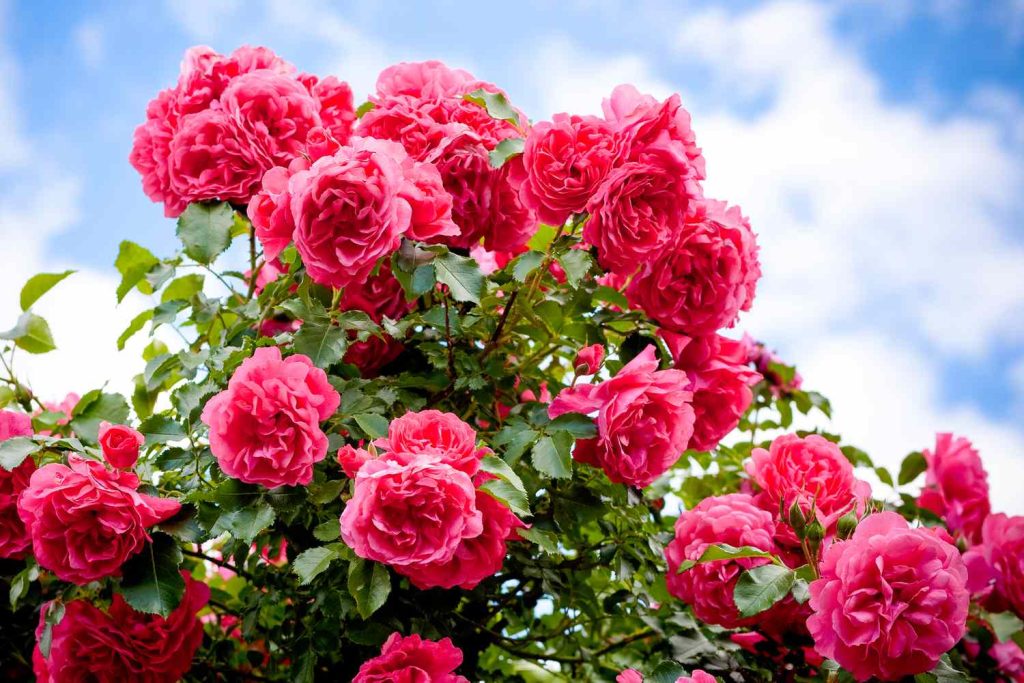
Various parts of the rose, such as the fruit, flowers, leaves and bark, can be used to develop a range of products including cosmetics, food and pharmaceuticals.
Medicines are being made from roses to treat many illnesses. The medical uses of rose include treatment of inflammation, diabetes, dysmenorrhoea, depression, stress, convulsions and ageing.
Besides skin care, rose flowers have long been used as food. Rose face packs are very effective for the skin and increase its brightness and beauty. Rose tea has also become very popular lately.
Benefits
- To reduce stress: the scent of roses lifts the mood. According to Ayurveda, this fragrance works well as aromatherapy, and eating rose petals refreshes you from within. If you feel stressed, the smell of roses will lighten you. As well as giving roses to others, you can keep them at home to benefit.
- For soft skin: rose petals are very effective. Soak a fresh rose in two cups of water and wash your face with that water the next morning. Alternatively, mix dried rose petals with milk into a thick paste, apply it to acne before going to bed and wash it off in the morning. This removes acne and softens the skin.
- Sore throat: gargling with a rose preparation helps treat swelling in the mouth, bad breath and sore throat. Chewing rose leaves also reduces swelling of the mouth and lips.
- For boils on the head: applying crushed rose leaves helps with head wounds, eye diseases or cataracts, dental disease and piles.
- For inflamed eyelids: applying crushed rose flowers reduces eyelid swelling, and rubbing it on the teeth helps with dental disease. Putting two drops of rose extract in the eyes is also said to relieve eye disease.
- For tuberculosis: rose flowers are used in medicines for treating TB, a lung disease.
- For stomach problems: taking 2–4g of rose powder with honey helps with constipation, bloating and diarrhoea.
- For liver disease: red roses are used to treat blood disorders and liver-related diseases.
- For leprosy: white roses are used in the treatment of leprosy, and applying white rose powder is said to cure leprosy and other bile-related disorders.
- For fever: when a fever will not come down, eating gulkand made from roses helps with bilious fever.
- Rose tea: tea can be made by boiling rose petals in hot water, or by adding dried petals to a measured amount of tea leaves.
Roses are widely used as cut flowers. They are unmatched for decorating social and religious events, gardens, lawns, flower beds and verandas, and are also used in the attar and perfume industry.
Harms
Roses have many uses and many benefits, but in some cases they also do harm. Some people develop allergies on contact with roses and should avoid them.
- Allergy: rose pollen and scent can cause allergies in some people. Symptoms include itchy eyes and nose, sneezing, coughing, breathing difficulty and skin rashes.
- Skin problems: rose oil and extract can in some cases harm the skin, causing allergy, itching, rashes and irritation.
- Eye problems: rose petals or oil can irritate the eyes, and the scent of roses can cause burning and watering eyes.
- Food allergy: eating food containing rose extract or oil can cause allergies in some people, with symptoms including nausea, vomiting, stomach pain, diarrhoea and breathing difficulty.
Source: Online Desk. First published in Bengali on The Agro News.

Comments
(0)