
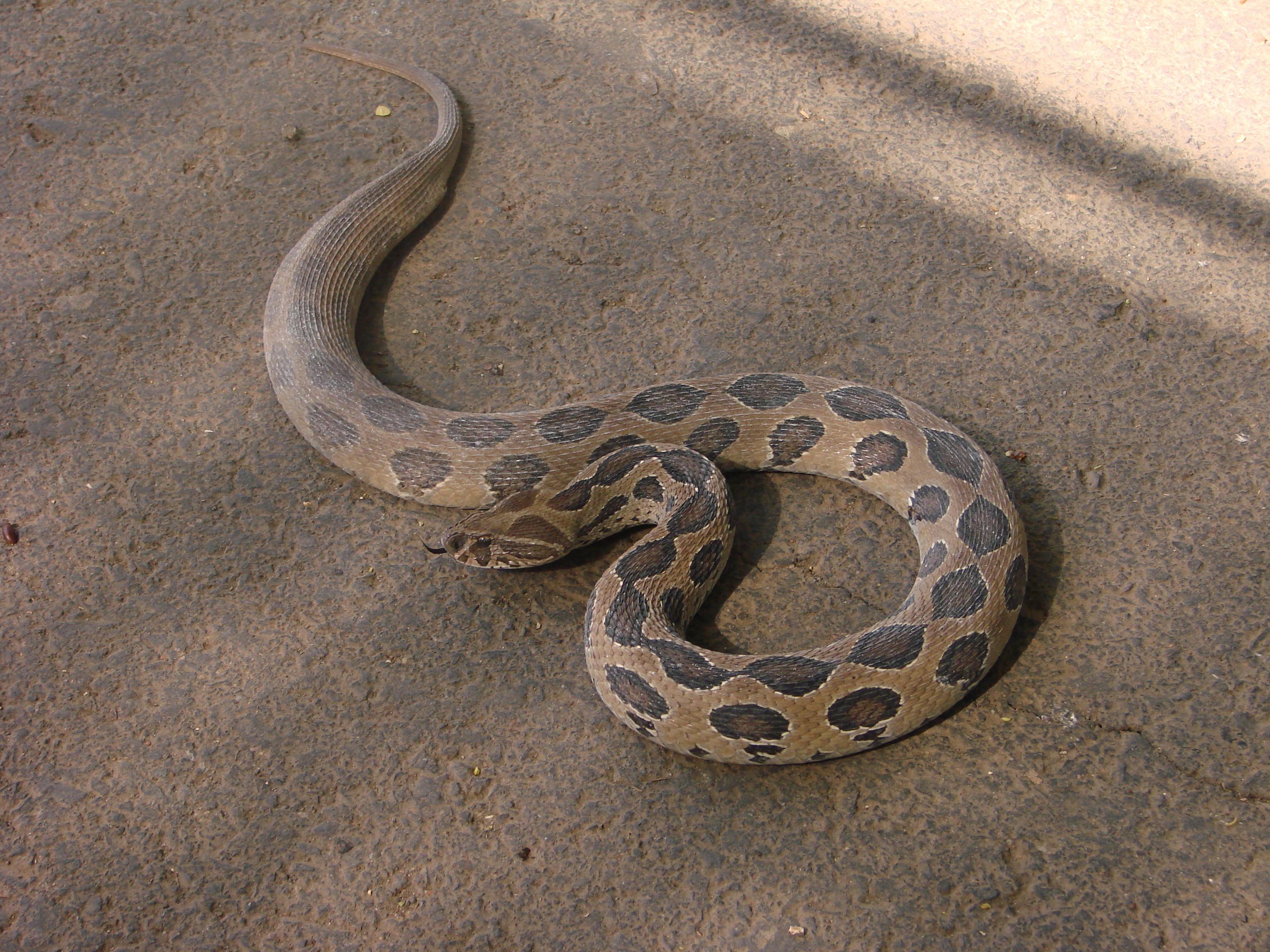
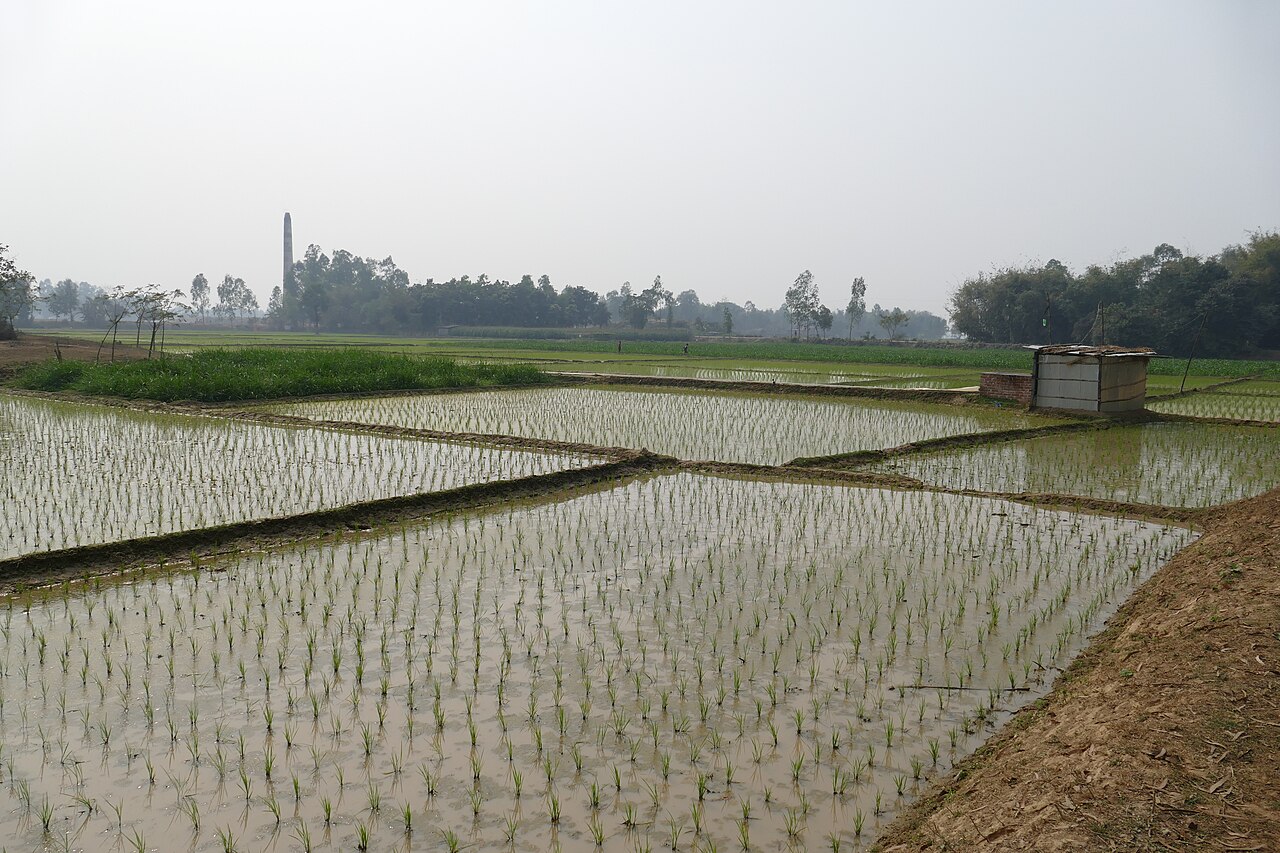
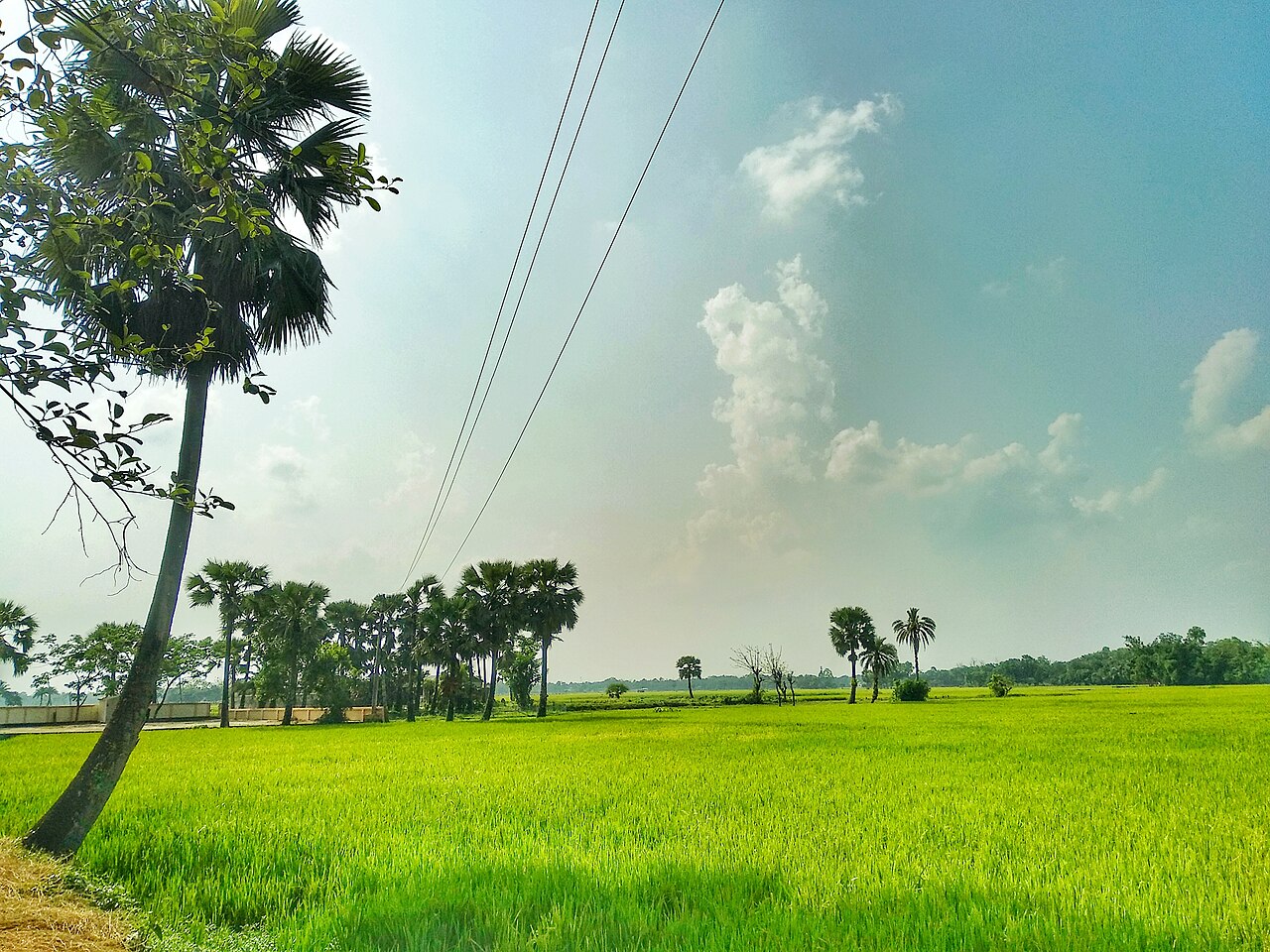
On the morning of Friday 28 November 2025, a venomous Russell's viper bit a farmer, Md Helal Biswas, 35, on the leg while he was working in a paddy field on a char (river island) of the Padma in Pangsha upazila, Rajbari. Farmers nearby caught the snake alive, put it in a plastic jar and took him, with the snake, to Pangsha Upazila Health Complex, where it was identified as a Russell's viper. The upazila health officer said he was being treated and was out of danger.
Bitten in a paddy field on the Padma char
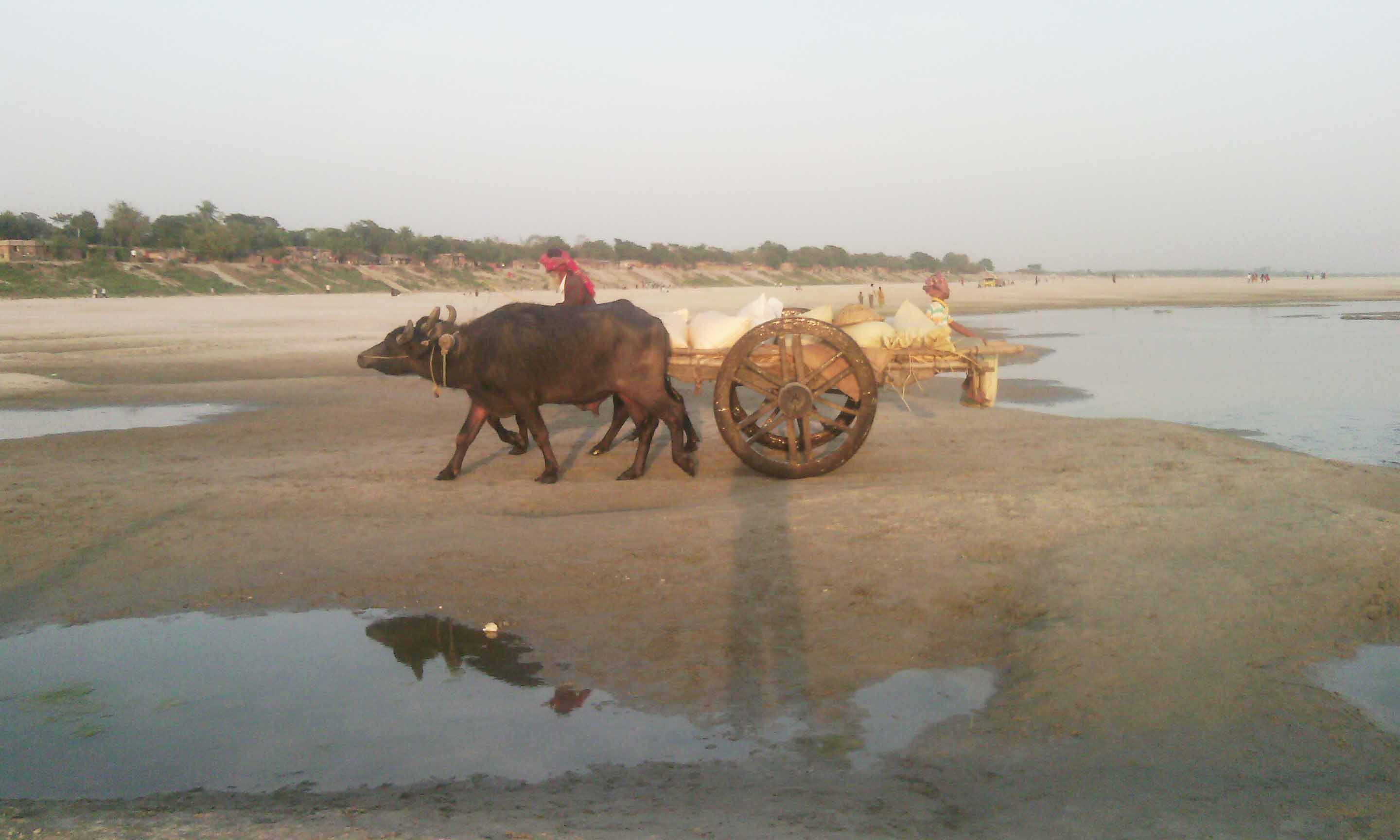
The bite happened on the Padma char at Shah Mirpur in Habaspur union. Helal Biswas lives in Shah Mirpur village, near the field. Jagonews24 reported that other farmers gathered after the bite and caught the snake. According to Bangla Stream, Helal did not panic and told the others what had happened; as he was not sure what kind of snake it was, he took it with him to hospital. Doctors there confirmed it was a Russell's viper, known in Bengali as chandrabora.
His cousin Badsha Biswas told Jagonews24 that they rushed him to Pangsha hospital on hearing the news, and that doctors there were checking on him regularly.
Quick identification made treatment easier
Pangsha Upazila Health and Family Planning Officer Md Ebadat Hossain told Jagonews24 that identifying the snake quickly had made it easier for doctors to treat the patient, who was under treatment and out of danger. He told Bangla Stream that the patient was being given antivenom and other necessary treatment and was under close observation.
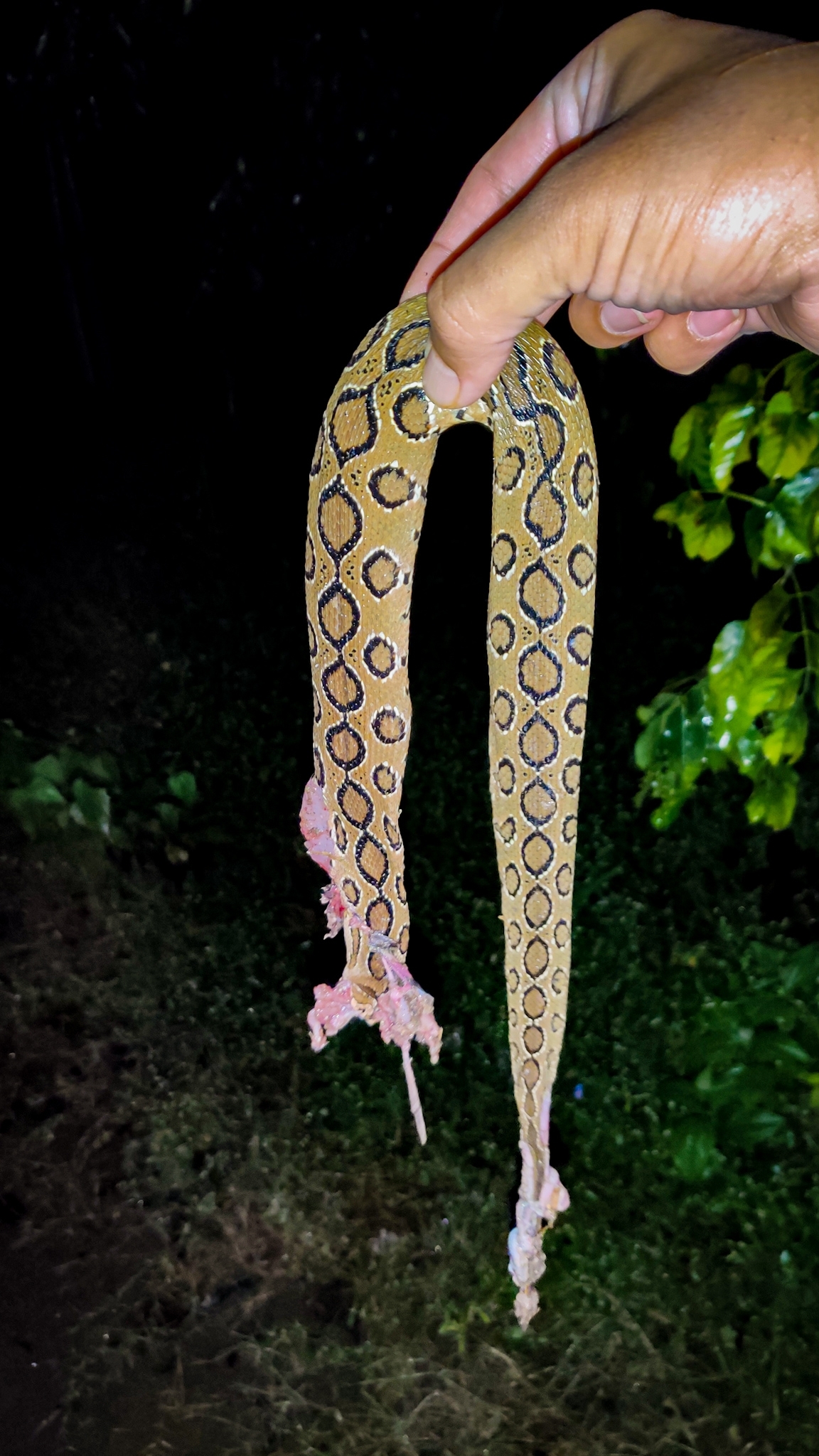
The World Health Organization's 2016 guidelines for the management of snakebites in South-East Asia say that knowing which species caused a bite is important for the best treatment. Experts can identify it from the dead snake or a mobile-phone picture. The guidelines call species-specific antivenom the only effective antidote for envenoming.
The Russell's viper and the Padma basin
The Russell's viper, Daboia russelii, is listed in the WHO guidelines among Bangladesh's venomous snakes of highest medical importance (Category 1). The guidelines say the species appears to be rare in Bangladesh and restricted to the west and south of the country, with recent reports of bites in the Rajshahi area.
bdnews24.com reported in July 2023 that the snake, considered endangered in Bangladesh a decade earlier, had been seen since 2012 on farmland in Rajshahi and Chapainawabganj and in Rajbari, Faridpur, Kushtia and Patuakhali. Dhaka University zoology professor Mohammad Firoj Jaman told the outlet that young vipers float down from India with monsoon floodwater via the Padma.

What to do after a snakebite: WHO advice
WHO estimates that about 5.4 million people are bitten by snakes worldwide each year, with 1.8 to 2.7 million envenomings and 81,410 to 137,880 deaths. It says envenoming mostly affects women, children and farmers in poor rural communities in low- and middle-income countries. A 2009 survey cited in the WHO guidelines estimated that 589,919 people are bitten and 6,041 die from snakebite every year in rural Bangladesh.
The guidelines recommend this first aid:
- Reassure the victim. Less fear slows the heart rate and reduces the spread of venom.
- Lay the person down and keep the whole body still, with the bitten limb immobilised by a splint or sling. Walking or any muscle movement spreads venom.
- Do not cut, rub, vigorously clean or massage the wound, or put herbs or chemicals on it. The guidelines say most traditional methods do more harm than good.
- Never apply a tight tourniquet, which can cause gangrene. If one is already on, it should not be released until the patient is under medical care and antivenom has been started.
- Get the patient to a hospital or clinic as quickly but as safely as possible, lying on the side if there is a risk of vomiting.
- Do not try to kill the snake, as this can be dangerous. If it has already been killed, take it along without handling it with bare hands, since even a severed head can bite. If possible, take several close-up phone pictures of it.
Photo: Abhinav Chawla / Wikimedia Commons (CC BY-SA 3.0)
Sources: Jagonews24, Bangla Stream, bdnews24.com, World Health Organization (snakebite envenoming fact sheet), WHO Regional Office for South-East Asia (Guidelines for the Management of Snakebites, 2016)
Comments
(0)