
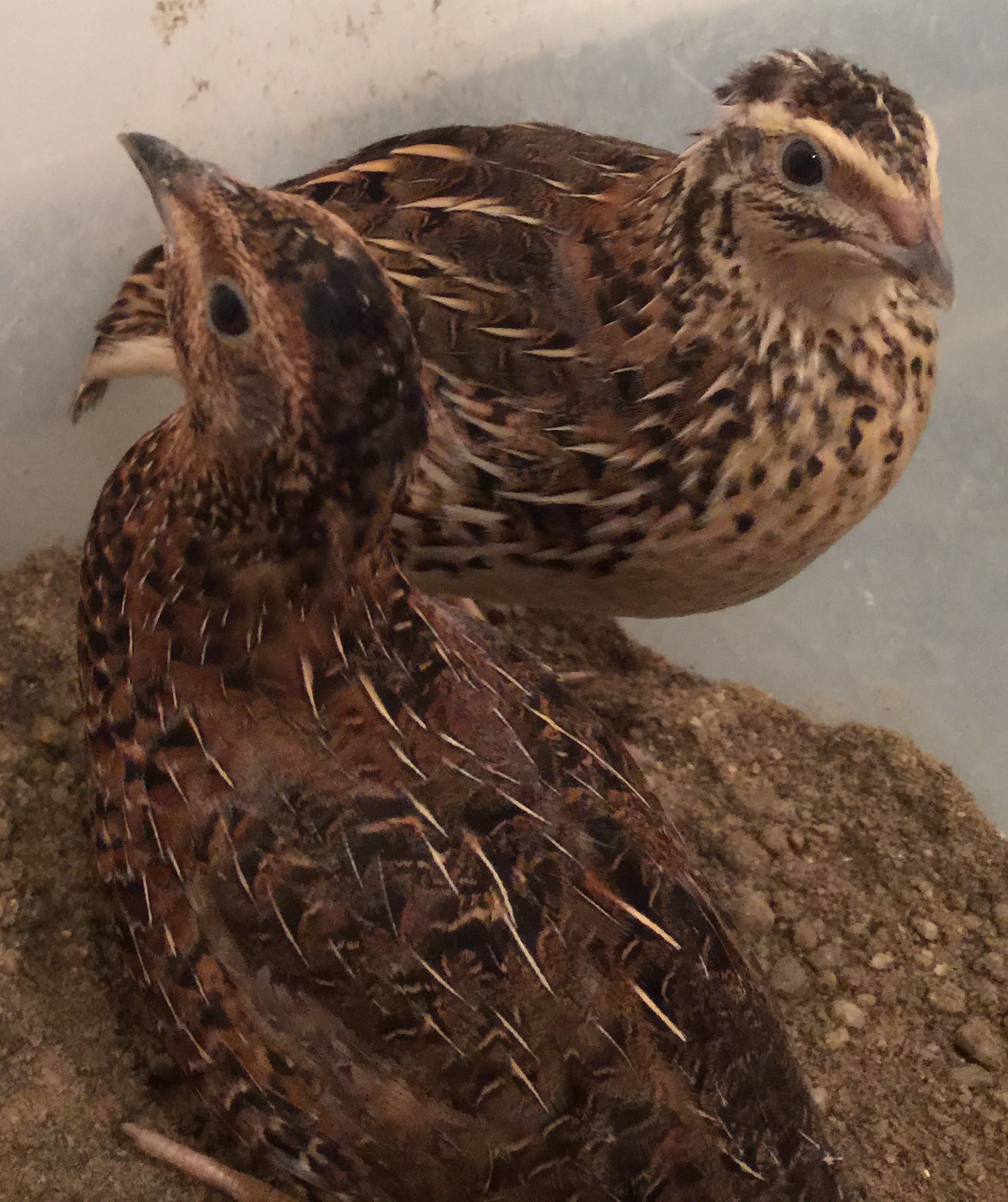
The quail is the smallest bird raised on farms. There are many wild quail species around the world, but the one kept on farms for eggs and meat is above all the Japanese quail, which has been farmed in Bangladesh since 1992. This explainer, drawn from research and extension sources, covers where farmed quail come from, the colour varieties of the Japanese quail and the uses of the bobwhite.
Wild species and domesticated quail
'Quail' is not one species: it is a collective name for medium-sized birds of several genera in the order Galliformes. Old World quail belong to the family Phasianidae and New World quail to the family Odontophoridae. The rain quail, harlequin quail, California quail, mountain quail and Montezuma quail are among the wild species.
The most common domesticated quail is the Japanese quail, also called the Coturnix quail. The bobwhite, Gambel's, California and a few other quail are also kept in captivity, far less commonly.
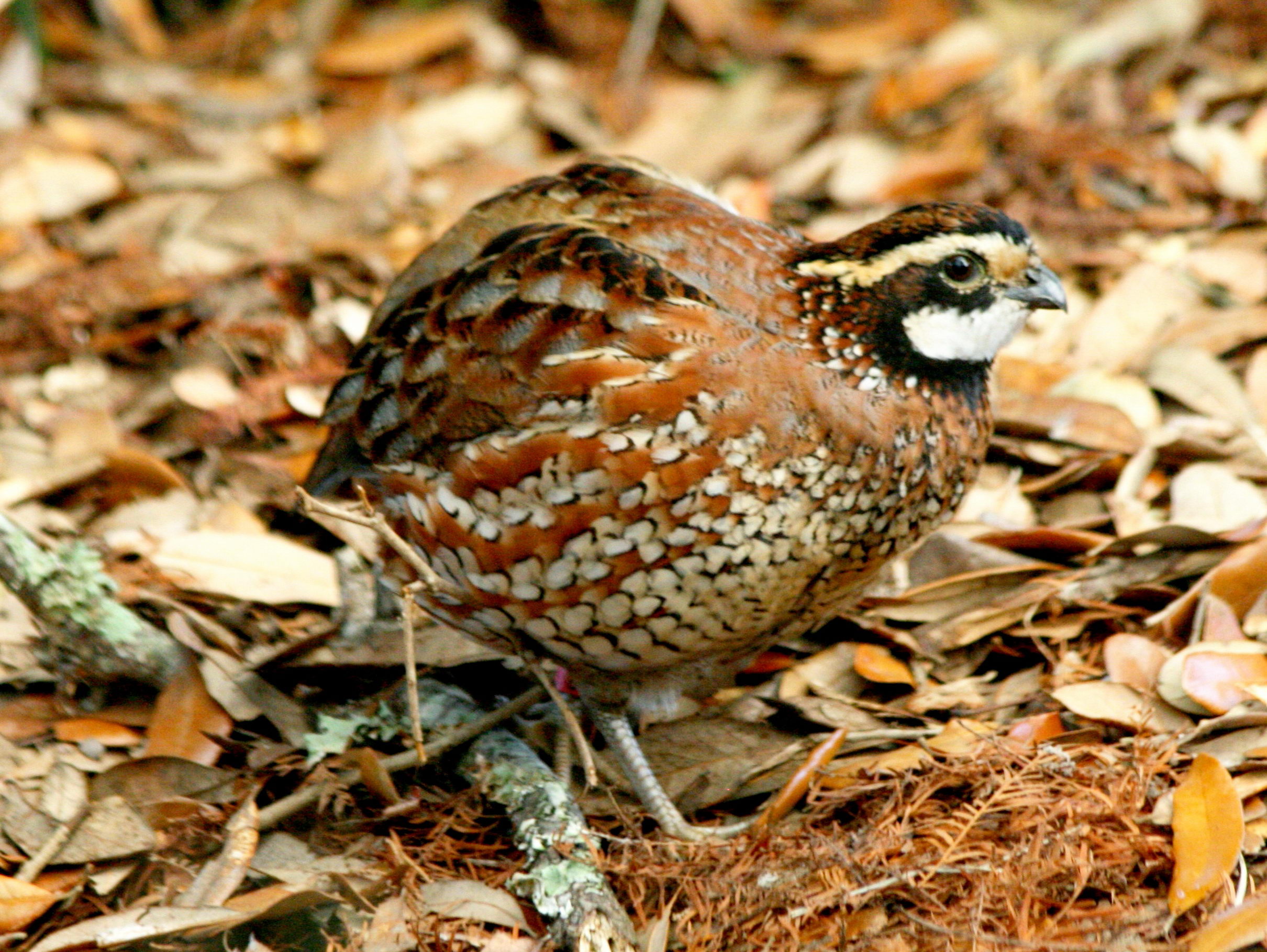
The northern bobwhite is native to Canada, the United States, Mexico and Cuba. It is 24 to 28 cm long; in Mexico it weighs 129 to 159 g, while northern birds average 170 to 173 g. A Mississippi State University Extension publication says farm-raised bobwhites are used on private and public hunting preserves, for wildlife release and for commercial meat sale.
Japanese quail: origin and production
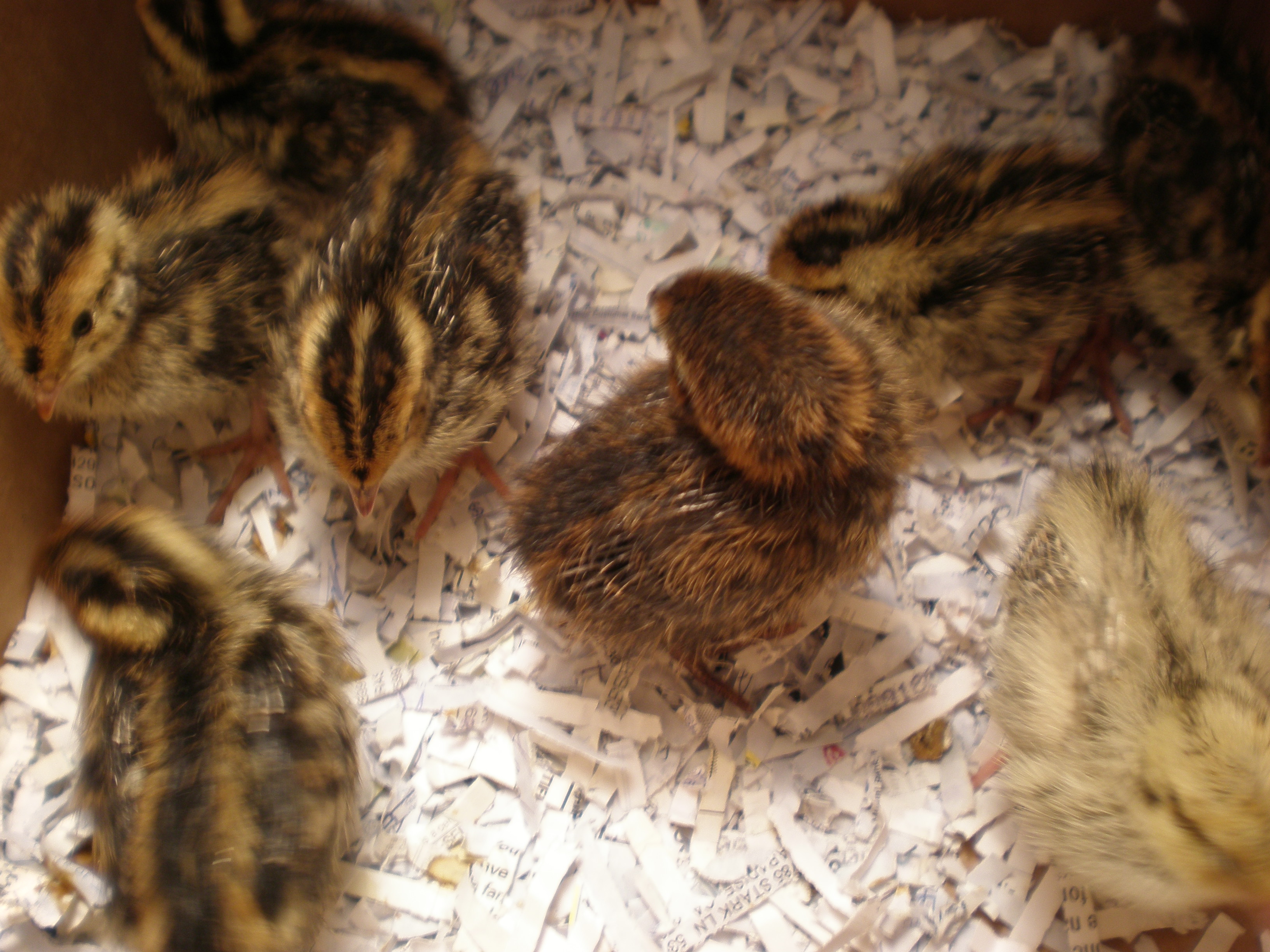
The Japanese quail ranges across East Asia and Russia, including India, Korea, Japan and China. The earliest records of domesticated birds come from 12th-century Japan, though some evidence points to domestication as early as the 11th century. They were first kept as songbirds; in the early 1900s breeders turned their attention to egg production.
Wild Japanese quail weigh 90 to 100 g and domesticated birds usually 100 to 120 g, while commercial strains bred for meat can reach 300 g. An egg weighs 8 to 13 g, with 10 g taken as the average, and incubation lasts 16.5 days on average.
A 2016 study from Odisha, India, published in Veterinary World, calls the Japanese quail the smallest farmed bird species. Females begin laying at about 6 weeks on average and can lay 250 to 300 eggs a year, and each egg is 8% of the hen's own body weight, against 3% in the chicken.
Colour varieties of the Japanese quail
Japanese quail varieties are told apart mainly by plumage colour. Common ones include:
- Pharaoh: a rusty brown underbelly, with the original wild brown colour on the head and upper body
- English White: an all-white variety
- Manchurian Golden: a golden variety
- Tuxedo
- British Range (Rosetta) and Dark British Range (Tibetan)
- Italian, Silver and Cinnamon (Red Range)
In the Odisha study of grey, brown and white Japanese quail under coastal conditions, body weight at 6 weeks was 173.79 g in the grey birds, 172.62 g in the white and 168.23 g in the brown, while peak hen-day egg production was 99.7% in the brown, 89.2% in the white and 87.3% in the grey.
Japanese quail farming in Bangladesh
According to a survey by Nasar and colleagues, published in Veterinary World in 2016, quail farming in Bangladesh began in 1992 and stayed static for about a decade (1992 to 2003), then grew gradually to a peak in 2009 before declining. The survey covered 52 farmers in 14 districts, including Dhaka, Mymensingh, Jessore, Khulna, Bogra, Comilla and Sylhet, from July 2011 to June 2012.
On the surveyed farms the birds laid their first eggs at 42 to 46 days of age, depending on the farm. The researchers note that Japanese quail lay up to 300 eggs a year, need only 20 to 25 g of feed per adult bird a day and little floor space. Quail eggs are rich in protein and good sources of folate, vitamin B12, pantothenic acid and iron, and the meat is tender and tasty. The farms' main problems were high feed costs, disease outbreaks and a lack of training. Anyone starting a farm should ask the upazila livestock officer about vaccination and disease control.
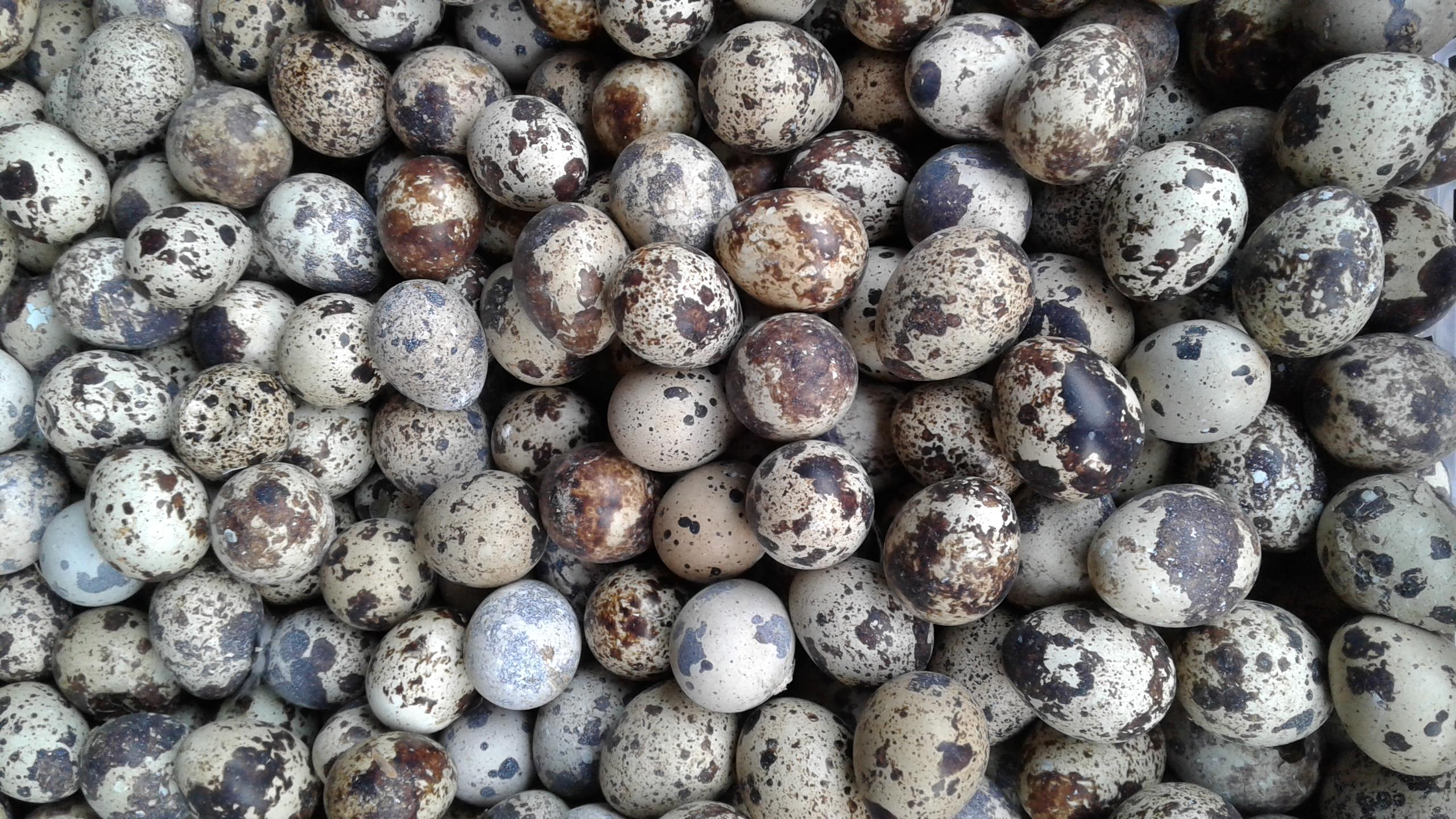
Photo: メルビル / Wikimedia Commons (CC BY-SA 4.0)
Sources: The Agro News (Online Desk), Veterinary World (Nasar et al., 2016; Bagh et al., 2016), Mississippi State University Extension, Wikipedia

Comments
(0)