
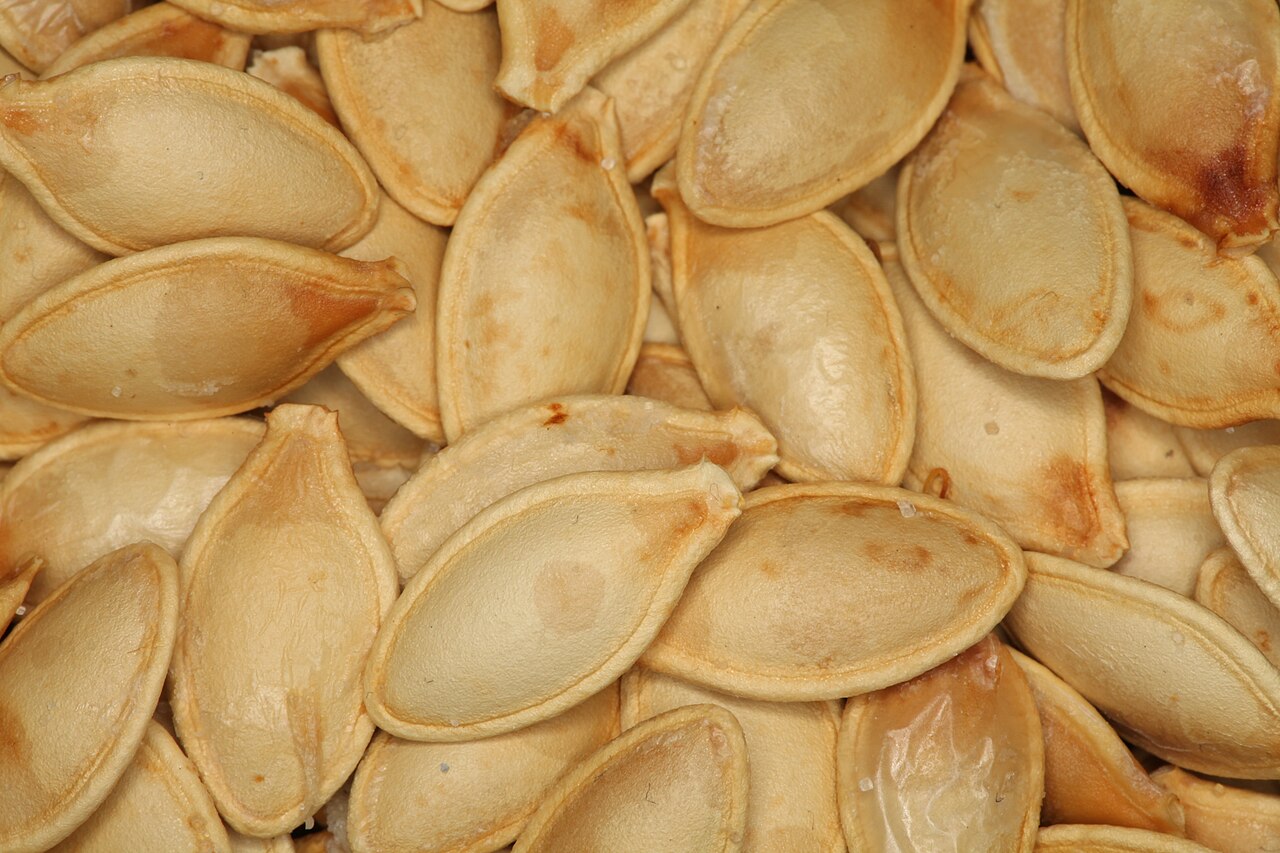
Researchers have made a prototype plant-based coffee creamer from protein extracted from pumpkin seeds, a material often left over after pumpkin seed oil is pressed. The work, by Jicheng Chen, Jianyu Huang and colleagues, is published in the Journal of Agricultural and Food Chemistry.
After oil extraction, what remains of the seed is largely protein, but pumpkin seed protein clumps in water, which makes it hard to use in drinks. The team treated it with two food-grade phosphate salts used as texture modifiers, sodium tripolyphosphate and sodium trimetaphosphate, and found that four parts of the first to one part of the second gave the best results. The modified protein was mixed with water and camellia (tea seed) oil to make the creamer.
At a 10 per cent dose in instant black coffee, the creamer lightened the coffee slightly without much change to its aroma. A panel of 12 people preferred it to a commercial nondairy creamer: the commercial product improved texture but did less to reduce bitterness and could add off-flavours, while the pumpkin seed version improved appearance, body and smoothness and kept the coffee's flavour. "A plant-based coffee creamer can improve mouthfeel without sacrificing the coffee's own flavor," Chen said.
The product is far from the shop shelf. The taste test was small, and the researchers plan to check how stable the creamer stays in coffee and other drinks, run more flavour and consumer tests, and develop liquid concentrate and powder forms that are easier to store and move.
For growers and processors, the interest is in value: a food use for pumpkin seed protein could give a by-product of oil pressing a market, part of a wider effort in the food industry to get more from crops after the main product is harvested or processed.
Photo: Daniel Schwen / Wikimedia Commons (CC BY 3.0)
Source: Farms.com

Comments
(0)