
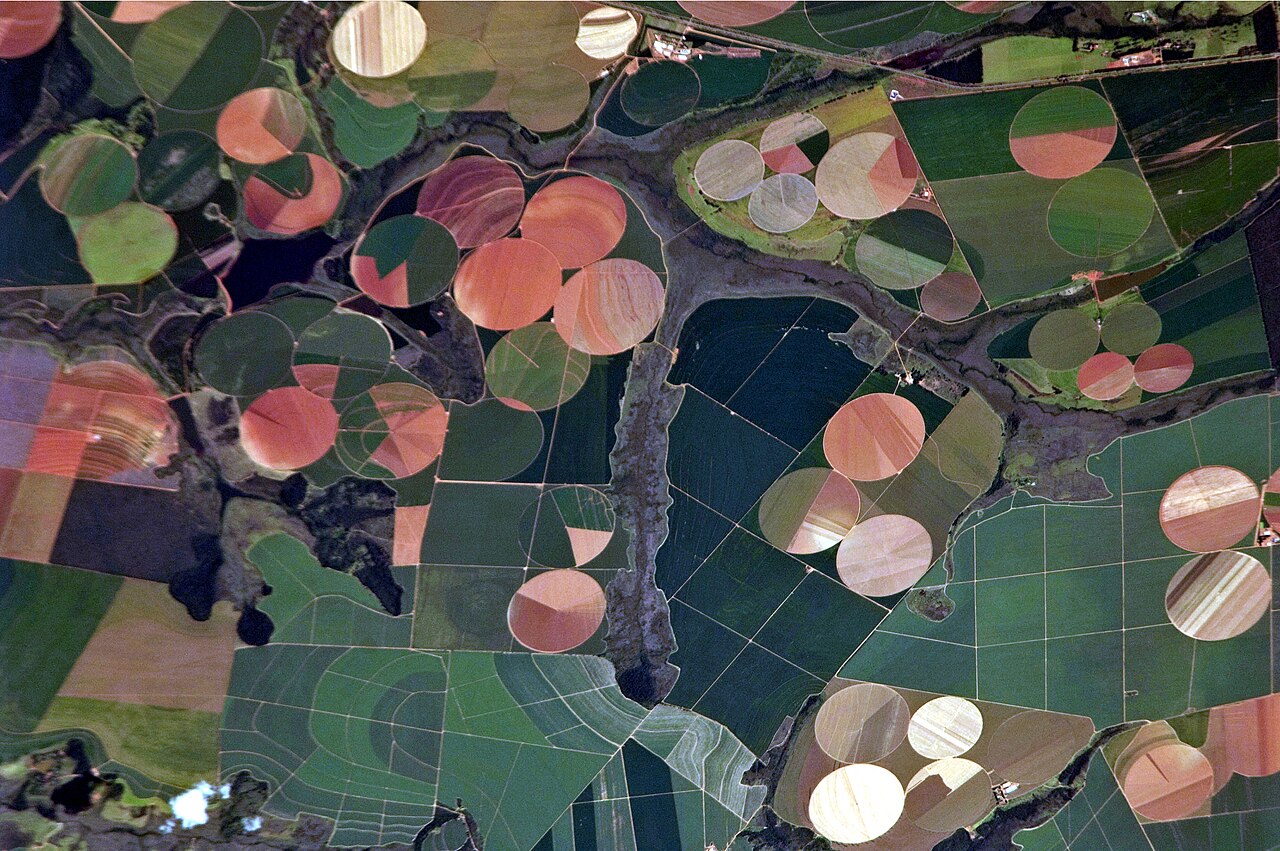
Governments should use public money to pull private capital into agriculture, but the deals must be open about who benefits, according to a report from the High-level Panel for a Just Rural Transition coalition released this week at the COP31 climate conference in Turkey. The panel wants the $842 billion spent on agriculture worldwide each year redirected towards cutting emissions, protecting nature, strengthening food security and improving rural livelihoods.
The report argues that farming is mostly private enterprise, from subsistence growers to large agribusinesses, and that governments with limited budgets cannot change farm practice on their own. What they can do, it says, is lower the risk of new products and technologies, improve farmers' creditworthiness and steer companies towards goals markets do not pursue by themselves, such as emission cuts and the inclusion of smallholders. "It is imperative, not optional, for public support to provide incentives for positive private sector participation," the report says.
It also warns about blended finance, the mixing of public and private money. Dr Sonja Vermeulen, a member of the panel, told AgFunderNews that the term has "a very wide, catch-all meaning" and that the detail of each model matters more than the label. In many schemes, she said, private money flows to larger, better-connected and lower-risk producers unless public programmes include explicit safeguards for women, tenants, young people and poorer regions. Such schemes can also hide who is being subsidised and increase competition for land and water.
The report points to programmes it considers successful. Brazil's Low-Carbon Agriculture (ABC) Programme, launched in 2010, offers cheaper credit through public and private banks for no-till farming, pasture restoration, integrated crop-livestock-forestry systems and manure management. In Australia, compulsory levies on livestock transactions, matched by the government, fund research corporations such as the Grains Research and Development Corporation and Meat & Livestock Australia. Malawi brought private agro-dealers and vouchers into its fertiliser subsidy, which studies cited by the report found improved timeliness and local access.
South Asia is also named. In India, Nepal and Bangladesh, the Inclusive Agritech Facility, managed through the International Finance Corporation, uses concessional public capital to lower the risk of early-stage equity investment in agritech firms that offer smallholders extension advice, market information, credit scoring, logistics and climate advice.
The panel draws five lessons: pay for outcomes such as water saved or yields improved rather than for one company's products; publish contracts, beneficiaries and subsidy values; build competition first, because in concentrated markets subsidies tend to inflate prices; design for inclusion through farmer registries, cooperatives, digital records and warehouse receipts; and keep decisions public, with governments setting the goals and smallholders, consumers and environmental groups at the table.
The report was covered for AgFunderNews by Jennifer Marston.
Photo: ISS Expedition 26 crew / Wikimedia Commons (Public domain)
Source: AgFunderNews

Comments
(0)