
The Prophet's home was the centre of a noble example. From it, the finest ideals, complete good manners, unmatched courtesy and a free social order spread across the world. In his time a social order took shape in which everyone in the family worked alike, and men gave their wives full help with their work. There was one moment when everyone came together: the azan. As soon as it sounded, everyone left their work and gathered in the mosque to pray.
The Prophet (PBUH) himself gave time to household work and helped his wives with theirs, but left the work as soon as the azan was called. Several hadith narrations establish this.
Aisha (RA) was asked what work the Messenger of Allah (PBUH) did at home. She replied: "He was a human being like others; he sewed his clothes, milked his goat and did his own work himself." (Musnad Ahmad)
Was he merely an ordinary man? No; he was a shining example of good character and humility. No one equalled him in any virtue. He was as humble as he was free of pride.
What kind of man was the Prophet? He never hurt anyone. He took part in every task and was the best of helpers to others. In worship and in obeying Allah's commands he was a model to follow. This verse was revealed about him: "Indeed in the Messenger of Allah you have an excellent example for whoever hopes in Allah and the Last Day and remembers Allah often." (Surah Ahzab, verse 21)
The Prophet's Sunnah on hearing the azan
Even after this declaration of the Quran, he never held back from worshipping Allah and following His commands. Rather, as soon as he heard the azan from the mosque he answered it, put all work aside and hurried to the mosque.
Aswad bin Yazid said: "I asked Aisha (RA) what kind of work the Prophet (PBUH) did at home. She replied: 'He would be busy with all the work of his family, but as soon as he heard the azan he would leave the house.'" (Bukhari)
The importance of praying fard prayers in the mosque
There was never an occasion in the life of the Messenger of Allah (PBUH) when he prayed a fard prayer at home, except just before his death, when he was gravely ill, could not rise from his bed and was unable to go to the mosque. Even then, he watched the prayer in the mosque through the door with tearful eyes.
The Prophet (PBUH) was very kind to his ummah, yet no one was as strict as he was about taking part in congregational prayer. About those absent from the congregation he declared: "I feel like ordering someone to lead the prayer, then going with some men carrying firewood to the homes of those who did not come to pray in congregation, and burning their houses down with them." (Bukhari and Muslim)
Prayer not accepted without going to the mosque
The Prophet (PBUH) placed special weight on going to the mosque and praying in congregation. He declared that the prayer of one who hears the azan and does not go to the mosque without a valid reason will not be accepted: "Whoever hears the azan and does not pray in congregation, without a valid excuse, his prayer will not be accepted." (Tirmidhi) A valid excuse here means fear of an enemy or illness.
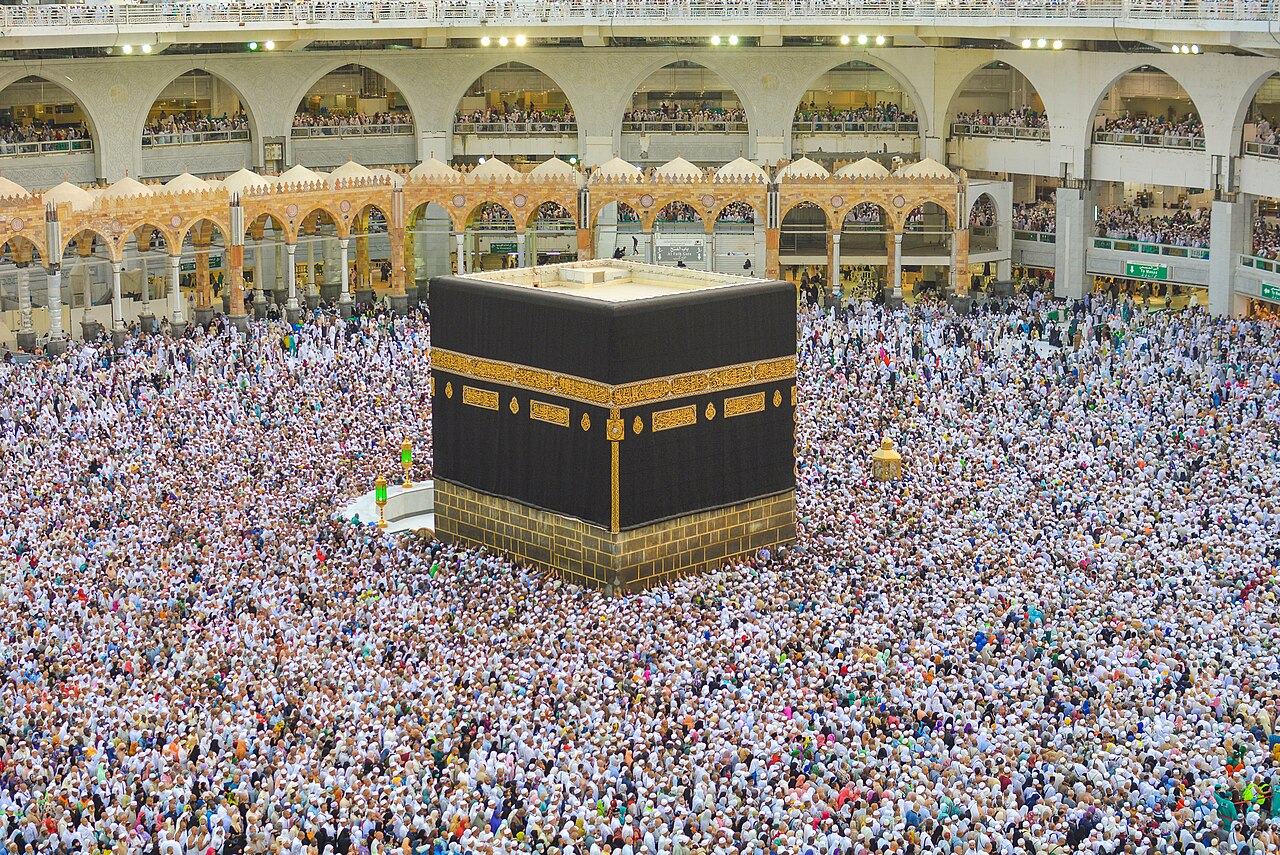
Where is that scene from the Prophet's time today, the writer asks, and where are those worshippers? The azan is called in the mosques, but the rows are not filled, even though there is no valid excuse today for not going to the mosque, neither fear of an enemy nor fear of danger.
Every believing Muslim, the writer says, should leave their work when the azan is called and come to the mosque, as in the golden age of the Prophet (PBUH), pray together and revive this beloved Sunnah.
The writer prays that Allah grants the Muslim ummah the ability to pray in congregation and to act on the hadith. Amin.
Source: Jagonews24. First published in Bengali on The Agro News.
Comments
(0)