
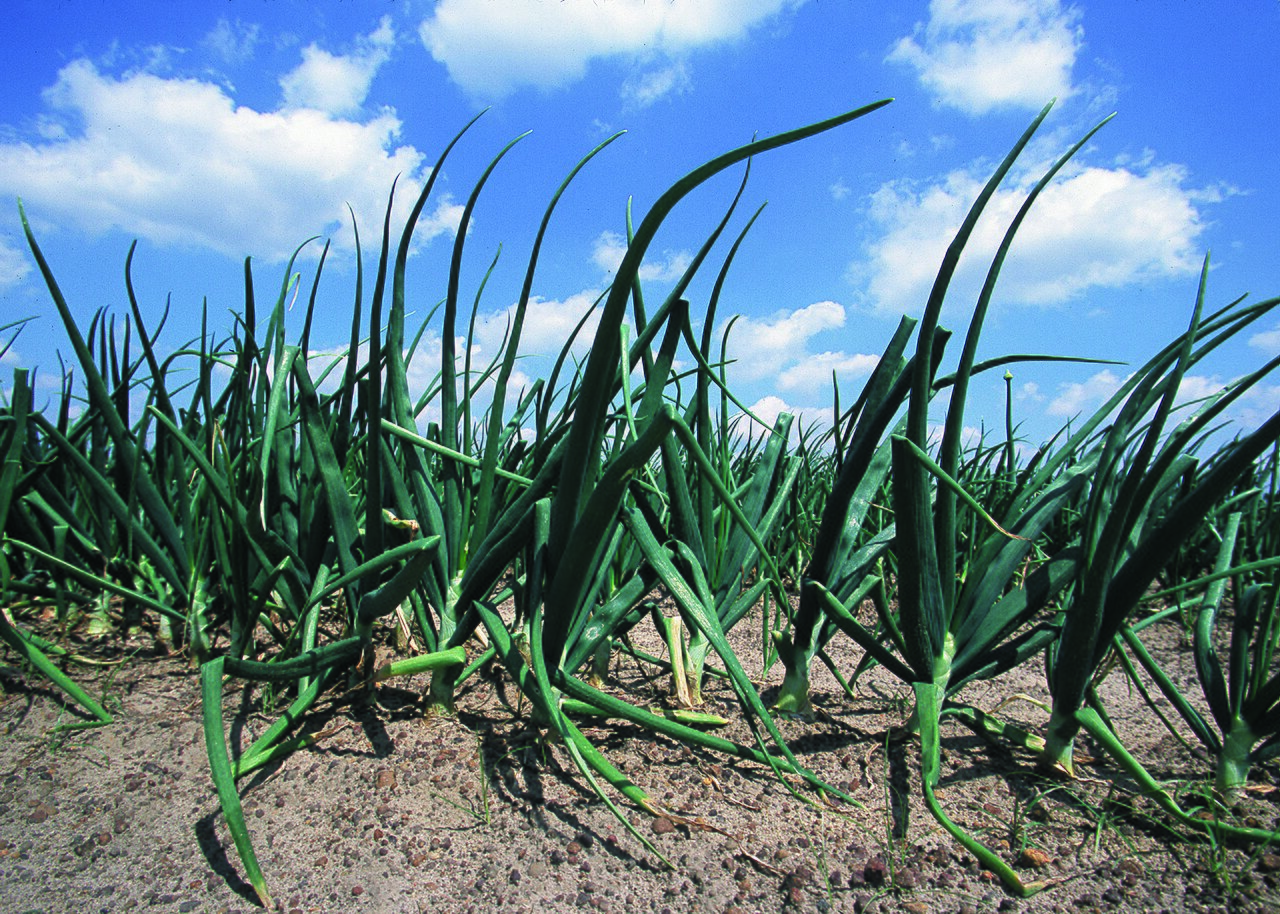
Soil amendments made from poultry litter, together with the weather, can lengthen how long Escherichia coli survives in fields used to grow sweet onions, according to a two-year field study from Georgia published in the journal Risk Analysis.
Across both growing seasons, E. coli survived longer in soils amended with heat-treated poultry pellets and composted poultry litter than in untreated soils, the researchers found.
Weather mattered too, though not in the same way each season. Higher humidity was linked to longer bacterial survival and stronger winds generally shortened it. Rain and warmer soil could help the bacteria persist, while higher air temperatures and wind speeds tended to reduce survival. The authors conclude that extreme weather events, not only average seasonal conditions, may decide how long bacteria last in farm soils.
"Organic produce growers increasingly rely on biological soil amendments to improve soil health and crop productivity," said Kapoor, one of the researchers. "Our findings show that field environmental conditions and the type of amendment used can interact in ways that influence the survival of E. coli."
The work matters in Georgia, one of the leading US poultry states, where about 2 million tons of poultry litter, a mix of manure, bedding, feathers and feed, are produced each year and widely used as fertiliser. Onions have been linked to several large foodborne outbreaks in North America, including slivered onions on McDonald's Quarter Pounder burgers reported by the FDA in 2024, a 2020 Salmonella Newport outbreak tied to red onions and a 2021 Salmonella Oranienburg outbreak linked to onions imported from Mexico.
The authors say regulators are still looking for data on the food-safety effects of amendments of animal origin, and that knowing how these practices interact with extreme weather could support risk-based management on the farm.
The findings were released by the Society for Risk Analysis and carried by Morning Ag Clips.
Photo: Jeff Vanuga, USDA NRCS / Wikimedia Commons (public domain)
Source: Morning Ag Clips



Comments
(0)