
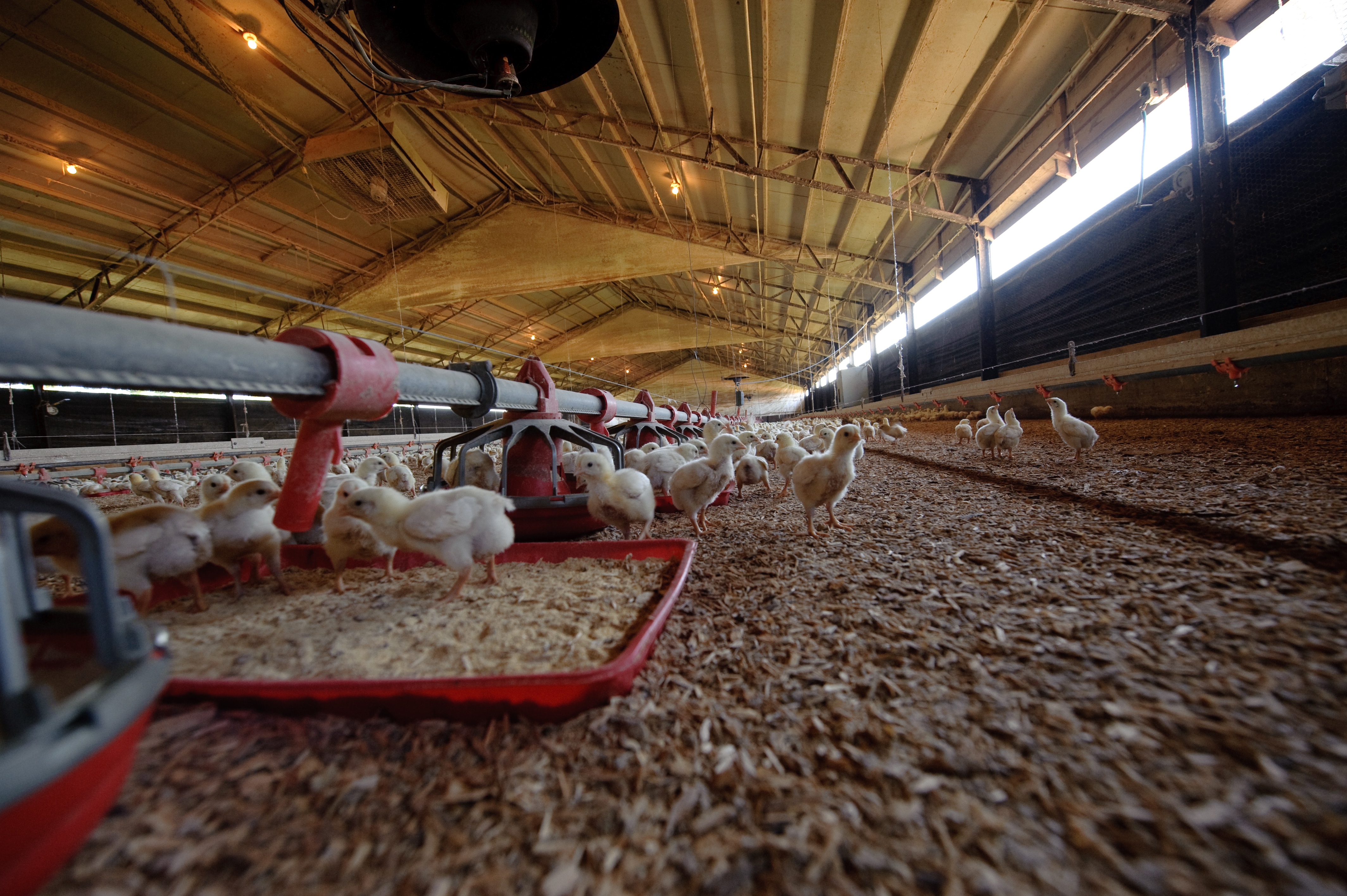
Day-old chicks piled in one corner of a shed, a shed wrapped in polythene against the cold, and chicks dying each morning with breathing trouble: this is the winter problem our staff correspondent described in an earlier report on winter care for poultry farms. Without special care in winter, the report said, broilers gain weight more slowly, layers lay fewer eggs and more chicks die, and supplying chicks with the right temperature is the main difficulty.
This guide keeps that report's advice and checks it against the authorities on the subject: the Department of Agricultural Extension's (DAE) agromet advisories for farmers, the extension services of Mississippi State University and the University of Georgia, and Banglapedia, the national encyclopedia. It covers brooding temperatures week by week, chick behaviour, covering the shed without cutting off fresh air, ammonia and carbon monoxide, and what the government's advisories say about vaccination. For medicine or a sick flock the advice is always the same: ask a veterinarian.
Why winter is hard on a poultry farm
Winter in Bangladesh is the cool, dry season from November through February, and January is the coldest month, according to Banglapedia. Average January temperatures range from about 17 degrees Celsius in the north-west and north-east to 20 to 21 degrees in the coastal areas. In late December and early January the minimum temperature in the extreme north-western and north-eastern parts of the country comes within 4 to 7 degrees of freezing point.
Those nights are hardest on chicks. A day-old chick's body temperature is about 3 degrees Fahrenheit below an adult bird's, explains an information sheet by Tom W. Smith, Jr., emeritus professor of poultry science at Mississippi State University (Information Sheet 1338). Its body temperature starts rising at about 4 days of age and reaches its maximum at 10 days, and the chick needs 2 to 4 weeks to develop its own temperature control. Until then the farmer has to supply the heat. The same sheet notes that improper brooding is one of the most common causes of stress in poultry flocks.
The DAE takes the season seriously too. Its agromet advisory bulletins, issued district by district with the Bangladesh Meteorological Department's forecast, warned farmers in January 2020 that special care should be taken for livestock, poultry and fish likely to be affected by cold temperature and fog.
Poultry in Bangladesh and the young farmers who keep it
The original report began with the reason poultry matters: the country treats poultry rearing as an important way to meet the shortage of animal protein, and the government encourages young people to take it up through short-term training and loans. That government role is real. Banglapedia records that the Department of Youth Development (DYD) was established in December 1980 and began work in March 1981. It gives unemployed young people residential training in livestock, poultry rearing and fish farming, among other trades, and has helped trained youths with credit. By February 2020 it had trained more than 6 million young people, over 2.2 million of whom became self-employed.
The sector is large. According to the Department of Livestock Services (DLS) publication Livestock Economy at a Glance 2023-2024, issued in August 2024, Bangladesh had 3,277.77 lakh chickens and 682.61 lakh ducks in the 2023-24 fiscal year, and egg production reached 2,374.97 crore, up from 2,337.63 crore in 2022-23. The Daily Observer, reporting on World Egg Day in October 2024, put per-person consumption at nearly 104 eggs a year against a recommended minimum of 180.
Brooding temperature, week by week
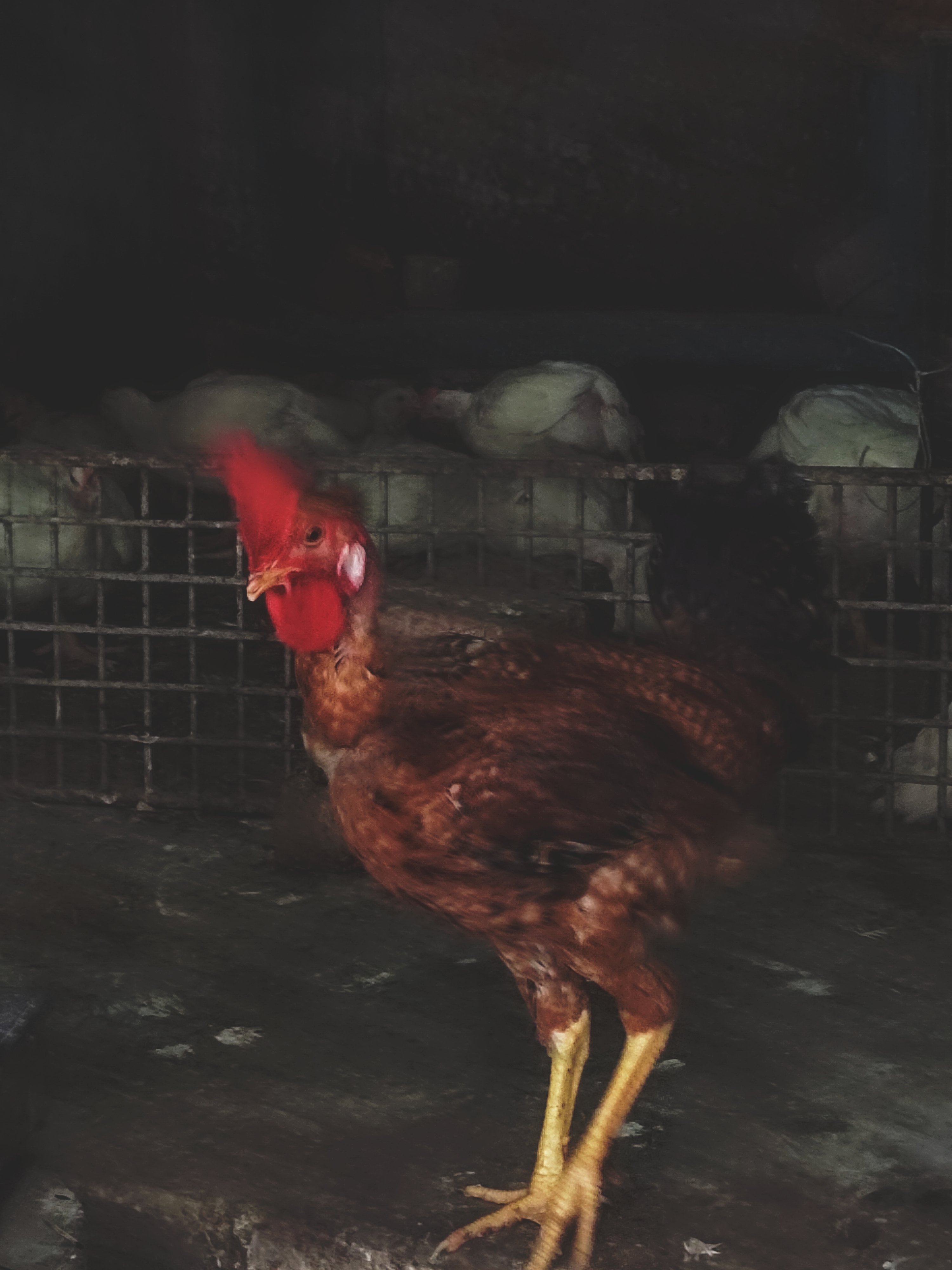
Brooding means keeping chicks warm with an artificial heat source until they can keep themselves warm. The original report gave a weekly schedule: 95 degrees Fahrenheit in the first week, 90 in the second, 85 in the third, 80 in the fourth, and 80 in the fifth week, when the chick guard should be removed.
Mississippi State University's brooding schedule is close to it and shows how the figures differ between seasons. It sets the brooder temperature, measured below the outer edge of the brooder about 1 inch above the litter, as follows:
- Days 1-7: 90 degrees Fahrenheit in summer, 95 in winter.
- Days 8-14: 85 in summer, 90 in winter.
- Days 15-21: 80 in summer, 85 in winter.
- Days 22-28: 75 in summer, 80 in winter.
- Days 29-35: 70 in summer, 75 in winter.
- Day 36 to market: 70.
Under this schedule the temperature falls by 5 degrees Fahrenheit each week. At 5 weeks, the sheet says, chicks maintain their own body temperature if the room is kept near 70 degrees. For the fifth week, therefore, the university's winter figure is 75 degrees rather than the 80 the original report gave.
The sheet adds several practical points. Light the brooders 24 hours before the chicks arrive, check that they work, and set the temperature. Use the higher, winter temperatures in the cold months, because most poultry houses are not tight enough to hold a steady temperature on cold nights. In times of stress or vaccination reactions, raise the brooder temperature about 5 degrees above the recommended figure until the chicks recover. It also warns that overheating, not too little heat, is the most frequent error it sees in the southern United States, and it advises checking thermostats and thermometers for accuracy.
Reading the chicks: huddling, panting and drafts
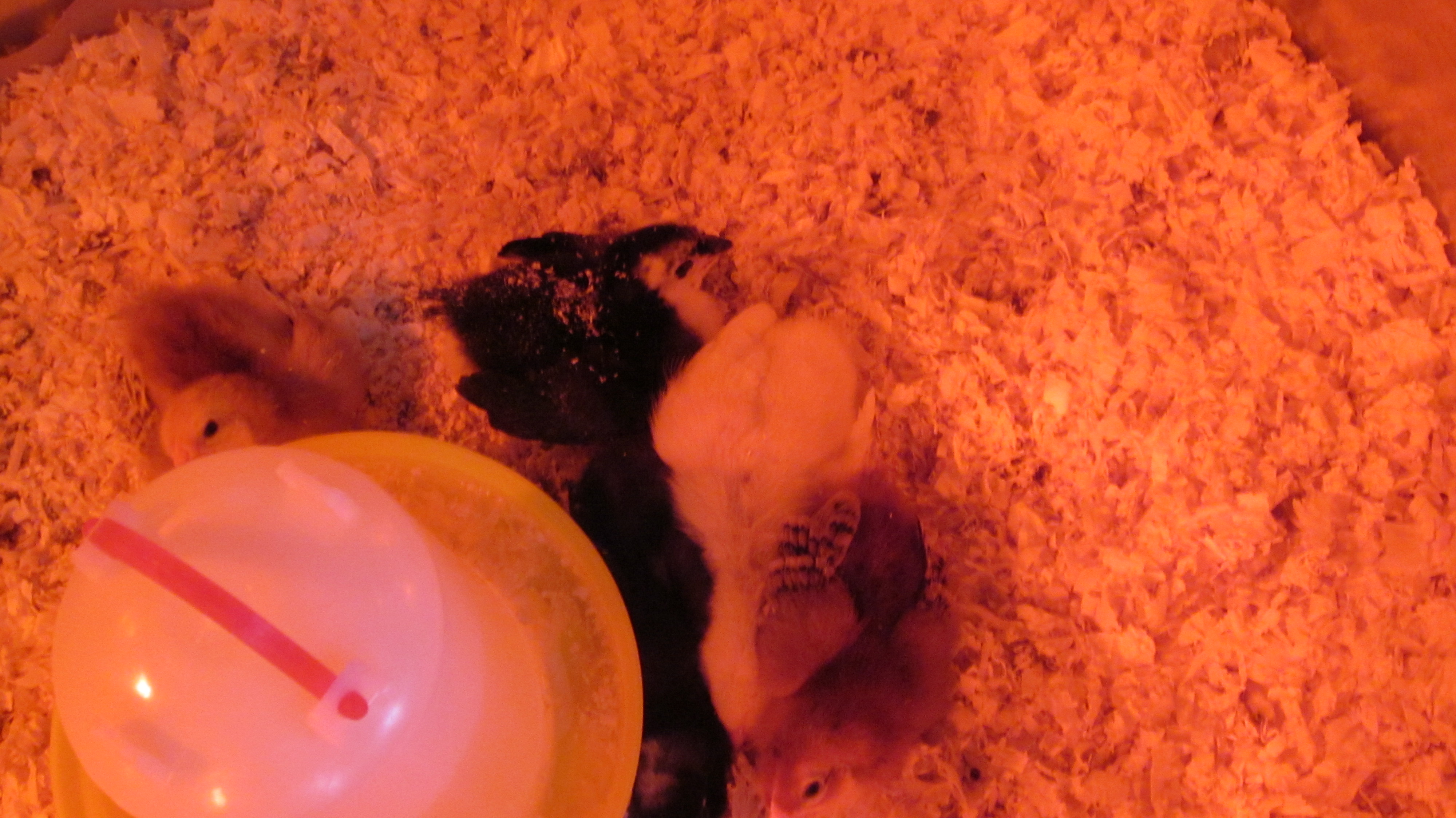
A thermometer helps, but the chicks themselves are the best guide. Mississippi State University's sheet describes the signs. Contented peeping and an even spread of chicks around and under the brooder mean conditions are comfortable. When the temperature is too cold, chicks chirp sharply and huddle together under the brooder. If they chirp and huddle to one side of the brooder, there is a draft. If they move away from the brooder, pant and look drowsy, it is too warm.
A 2024 Mississippi State University Extension publication on winter ventilation (Publication 2804) lists what comfortable chicks look like: spread evenly through the house, a quiet and uniform noise level with no loud fussing or chirping, and roughly one-third of the birds eating, one-third drinking and one-third resting. It also advises that for the first couple of weeks the house should feel too hot for the farmer, but just right for the birds.
The original report warned of what happens when the heat is too low: chicks crowd together, especially at night, and many die from suffocation under the pile. Its advice was to keep the house temperature under control and to stir the chicks gently from time to time so they do not stay piled for long. The university sheet recommends checking the chicks' comfort several times a day, especially in the evening, and adjusting the heat as needed.
Curtains, chick guards and heat sources
The original report's main practical advice concerned covering the shed. It told farmers to hang curtains of sacking or jute, stitched double for better control of temperature, and in very cold weather to hang jute curtains around and over the chick guard like a mosquito net. For heat it suggested bulbs in the brooder box, extra bulbs with reflectors hung low and switched on as needed, and, during power cuts and severe cold, kerosene stoves around the chick guard, choosing stoves that burn with a bluish flame.
The DAE's January 2020 agromet advisory gave similar advice: protect poultry from cold injury by keeping the coop clean and dry, use dry paddy straw as litter, cover the sides of the coop with thick cloth during the night, provide artificial brooding to keep chicks at an adequate temperature, and do not cover the cage with polythene.
Mississippi State University's sheet explains how the chick guard should work. It recommends an 18-inch-high solid brooder guard placed 3 to 4 feet from the edge of each brooder. The guard prevents floor drafts and keeps chicks near the heat. It should be expanded a little each day, by about 20 to 25 percent of the area in total, until it is no longer needed after 7 to 14 days. Corrugated cardboard makes a good guard and can be thrown away when soiled.
The height of the heater matters for both warmth and safety. The sheet advises using the brooder height the manufacturer recommends and keeping a minimum clearance of 5 to 6 inches over the chicks' backs: a higher setting wastes fuel, while a lower one increases the danger of setting the litter on fire and burning the chicks. It also recommends placing brooders near the centre of the house to cut heat loss through the walls and reduce drafts.
The original report preferred a gas brooder to an electric bulb brooder, arguing that heat from bulbs also lights the house, so the lighting programme cannot be followed properly; using a gas brooder alongside the electric one, especially in winter, lets the farmer set both the light and the heat as needed. Any burner, however, must be kept clean, as the next section explains.
Fresh air, ammonia and carbon monoxide
Closing a shed tightly against the cold brings its own danger. The original report noted that polythene or thick cloth curtains cut the supply of fresh air, especially oxygen, while ammonia builds up, causing breathing difficulty, swollen faces and other symptoms, and chicks die every day.
A University of Georgia Cooperative Extension tip from January 2003, written by extension poultry scientist Brian D. Fairchild, explains what is in the air. Air quality, it says, means providing enough oxygen and keeping carbon dioxide, carbon monoxide and ammonia low. Ammonia is the most common irritant gas in broiler houses. It forms when warmth and moisture in the litter let microbes break down the uric acid in droppings. Its effects include irritation of the windpipe, slower growth, poorer feed conversion, blindness (keratoconjunctivitis), respiratory infection and possibly death. Even 30 parts per million can harm young birds exposed for a long time, and the tip recommends keeping ammonia below 25 parts per million.
Mississippi State University's 2024 publication adds that prolonged exposure to as little as 20 parts per million can harm bird health and performance, and that eye damage may occur after 12 hours at 45 to 100 parts per million. It also warns that farmers who work among their birds for years can become used to the smell and may no longer notice ammonia below 50 parts per million, so the nose is not a reliable test.
Carbon monoxide is rarer but deadlier. The Georgia tip says that brooders and heaters that are not serviced regularly can burn badly and produce it. Below 200 parts per million chicks become drowsy but recover quickly in fresh air; between 600 and 1,000 parts per million toe picking, gasping and diarrhoea may be seen; above 1,500 parts per million death can occur within an hour and a half. A yellow flame on a brooder or heater can be a sign of improper burning, and the unit should then be cleaned. This is why the original report's advice to use only stoves with a bluish flame matters. Carbon dioxide from birds and burners can also build up, and people who spend long periods in a poorly ventilated house can suffer nausea and headaches.
The answer is a small, steady exchange of air rather than a sealed shed. The Georgia tip explains that minimum ventilation in cold weather helps in two ways: it removes moisture from the litter, which slows the microbes that make ammonia, and it removes the ammonia already in the air and brings in fresh air. Mississippi State adds that minimum ventilation should always be kept up for moisture control and bird health, even when farmers want to save fuel.
Litter, water, feed and light in the cold months
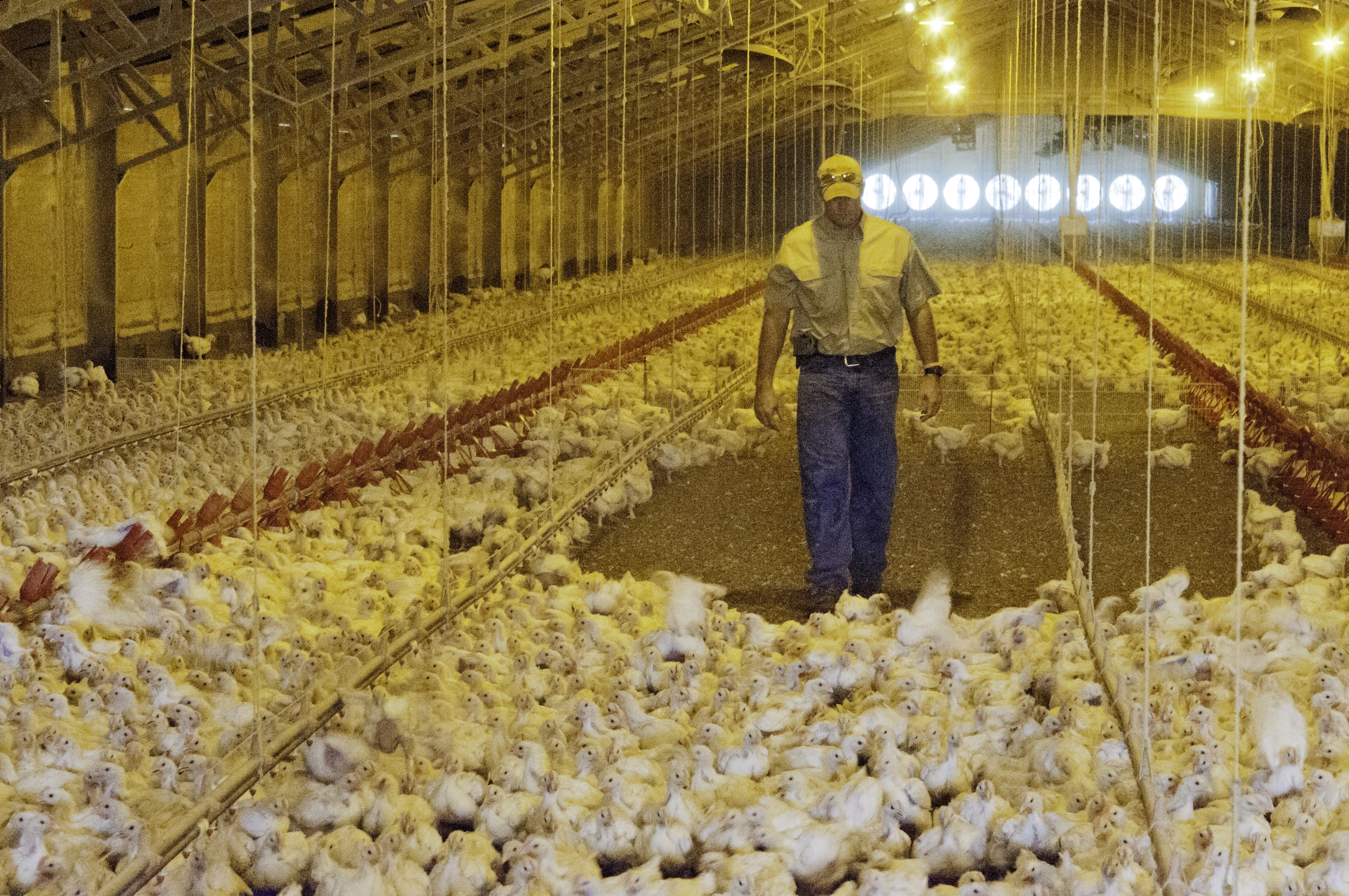
Dry litter is the farmer's best defence against ammonia. The 2024 Mississippi State publication calls too much moisture the greatest cold-weather challenge in poultry houses, because it leads to wet litter and more ammonia. Each bird keeps only about 20 percent of the water it drinks; the rest leaves the bird through breathing and droppings. Spilled water from drinkers and burning fuel add more: for every gallon of propane burned, the publication says, 6.8 pounds of water are produced.
Michael Czarick of the University of Georgia makes the same point in a 2021 presentation on litter moisture: a bird drinks roughly 1.8 pounds of water for every pound of feed, and if the water birds add to a house each day is not removed, the result over time is wet litter, which leads to excessive ammonia, respiratory problems, damaged feet and reduced performance. The Mississippi State publication suggests using warm, sunny winter days to ventilate more and dry out the house.
For feed and water, Mississippi State's brooding sheet recommends at least two 1-gallon waterers and two 12-inch or 18-inch chick feeders for every 100 chicks, placed around the brooder in a wagon-spoke pattern so part of each feeder is always in a comfortable zone, and never all directly under the brooder. Feed sprinkled on a few lids or egg flats helps chicks start eating sooner.
Light also matters for layers in winter. The DAE's January 2020 advisory suggested arranging light from a bulb for 1 to 2 hours after evening, saying it favours more egg production and reduces the chance of disease. The original report also recommended an electrolyte in the drinking water during the first 10 to 15 days of brooding; because no extension authority we consulted gives a dose for this, the amount is left out here, and farmers should ask a veterinarian or the upazila livestock office before adding anything to the water.
Vaccination and disease in winter
Banglapedia describes Newcastle disease, known locally as Ranikhet, as quite prevalent in rural Bangladesh and the principal cause of fowl deaths; it also names Gumboro disease, fowl pox and fowl cholera among the major poultry diseases. The 2024 Mississippi State publication cites a 1964 study on the adverse effects of ammonia on chickens, including their resistance to infection with the Newcastle disease virus, a reminder that clean air and disease protection go together.
The DAE's January 2020 agromet advisory suggested routine vaccination against the dreaded poultry diseases: vaccination (RDF1) of one-week-old chicks against Ranikhet disease and vaccination against Gumboro disease at two weeks, carried out after consultation with a local veterinarian. The schedule for a particular flock should therefore be set with a veterinarian or the upazila livestock office. Mississippi State's sheet adds one link with heat: in times of stress or vaccination reactions, raise the brooder temperature by about 5 degrees Fahrenheit until the chicks recover.
If chicks show breathing difficulty, swollen faces, diarrhoea or sudden deaths, do not treat them on guesswork: call a veterinarian or the upazila livestock officer of the Department of Livestock Services, who can examine the flock and advise on treatment.
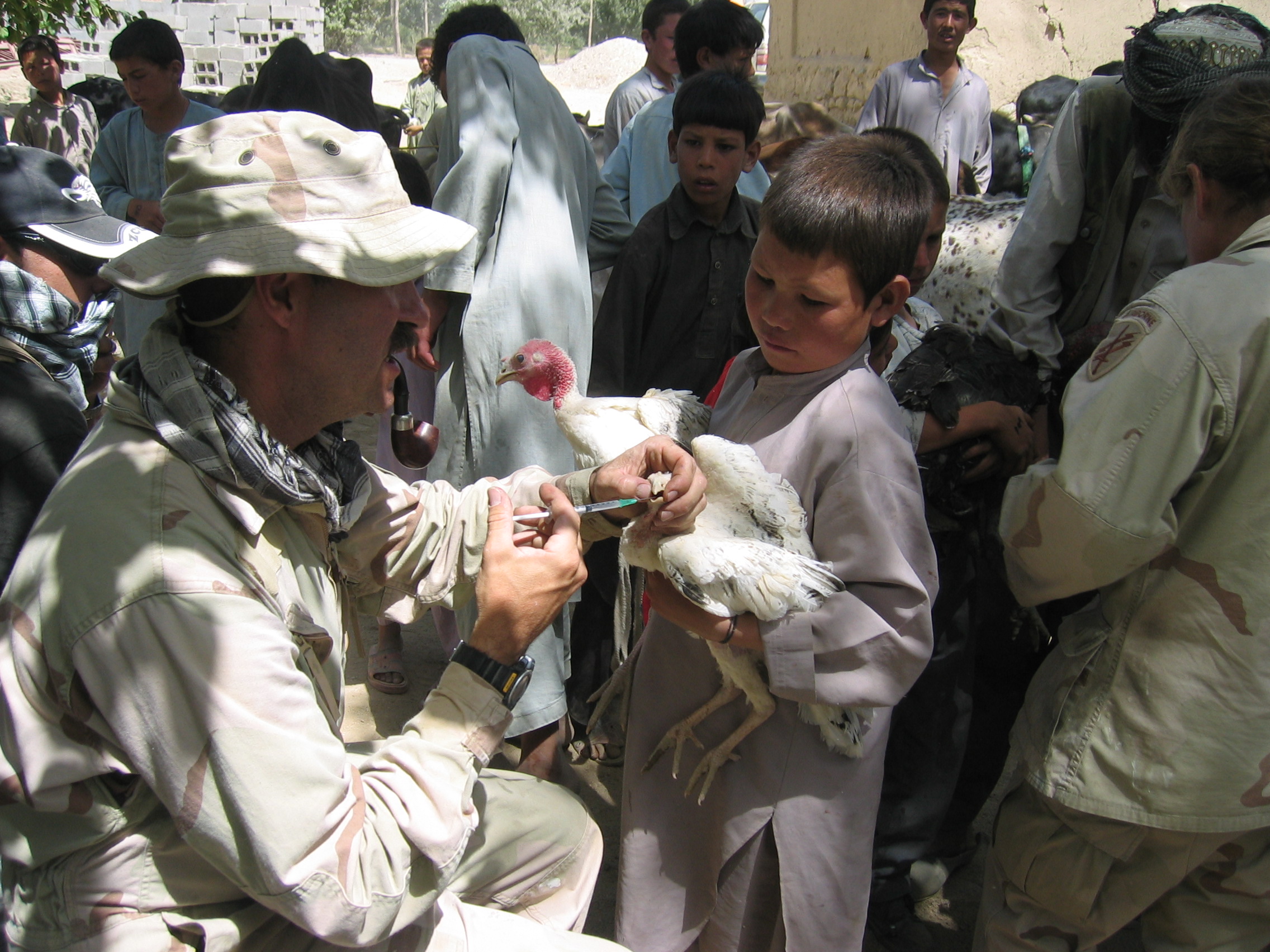
Photo: USDA NRCS Texas / Wikimedia Commons (public domain)
Sources: The Agro News (Staff Correspondent), Department of Agricultural Extension (Agromet Advisory Bulletin, January 2020), Mississippi State University Extension (Information Sheet 1338, Brooding Chickens and Quail; Publication 2804, 2024), University of Georgia Cooperative Extension (Broiler Tip, January 2003; Michael Czarick, Poultry House Litter Moisture Control, 2021), Department of Livestock Services (Livestock Economy at a Glance 2023-2024), The Daily Observer (11 October 2024), Banglapedia (Climate, Poultry, Youth Development)
Comments
(0)