
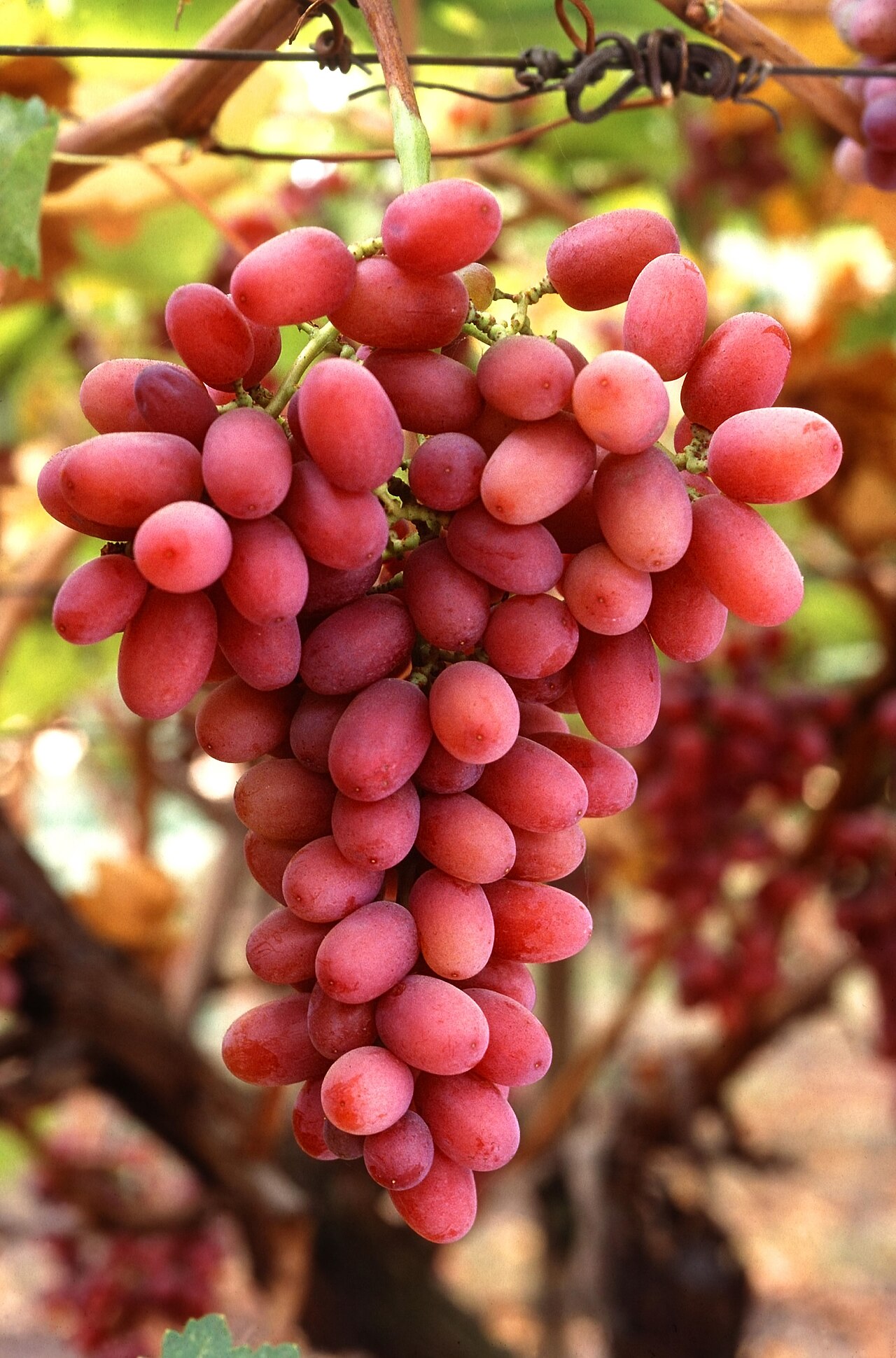
Farmers in the Rajshahi region are profiting from polynet houses, growing grapes, high-value vegetables and flower seedlings. Bangladesh's climate is not usually thought suitable for grapes, yet bunches of the Russian Baikonur variety now hang in the orchard of farmer Mokhlesur Rahman at Gurkhai in Durgapur, drawing crowds of curious neighbours.
A polynet house works much like a greenhouse in cold countries: a canopy-like frame of netting, polythene sheet and steel inside which sunlight, temperature and humidity can be largely controlled. Agriculture experts say the net blocks about 60 per cent of sunlight and keeps harmful insects out, so crops can be grown safely without pesticides.
Mokhlesur grows grapes on 20 decimals of land under polynet and has harvested twice a year, selling about Tk 400,000 of grapes each time. Without polynet, he says, the yield is not nearly as good. In Charghat, farmer Monirul Islam raises seedlings of capsicum, tomato, broccoli, squash, strawberry, melon, cucumber, cauliflower, cabbage, Brussels sprouts, lettuce and Chinese cabbage, as well as roses and gerberas, and has earned Tk 2.7 million in three years.
Under the Department of Agricultural Extension's project for agricultural development in Rajshahi division through modern technology, 102 polynet houses with modern irrigation have been given to farmers free of charge: 37 grow vegetable and fruit seedlings, 25 grapes, nine gerberas and chrysanthemums, seven summer tomatoes and 15 other vegetables. Project director SM Hasanuzzaman said farmers receive regular training, seed and fertiliser, and a proposal to add solar power to the houses has gone to the agriculture ministry this fiscal year. Experts warn, though, that choosing the wrong farmers could defeat the purpose.
Mulching is changing farming too. Covering the soil around seedlings with polythene keeps in moisture, moderates temperature and suppresses weeds. Mojibul Hasan Rocky, a student at Rajshahi Government College from Charghat, trained under the project and grows off-season watermelon on mulch; selling at Tk 2,600 to Tk 3,000 a maund, he earned Tk 208,000 from 15 katha last year and Tk 92,000 from 8 katha this year. He uses organic pest control instead of chemicals.
Project monitoring officer Md Anik Mehfuz said all mulching materials are supplied free. Charghat had six demonstration plots of mulched watermelon last fiscal year; this year nearly three times as many farmers are using the method at their own cost.
This report is based on reporting by Ajker Patrika's Saiful Masum.
Photo: Bob Nichols, USDA ARS / Wikimedia Commons (public domain)
Source: Ajker Patrika

Comments
(0)