
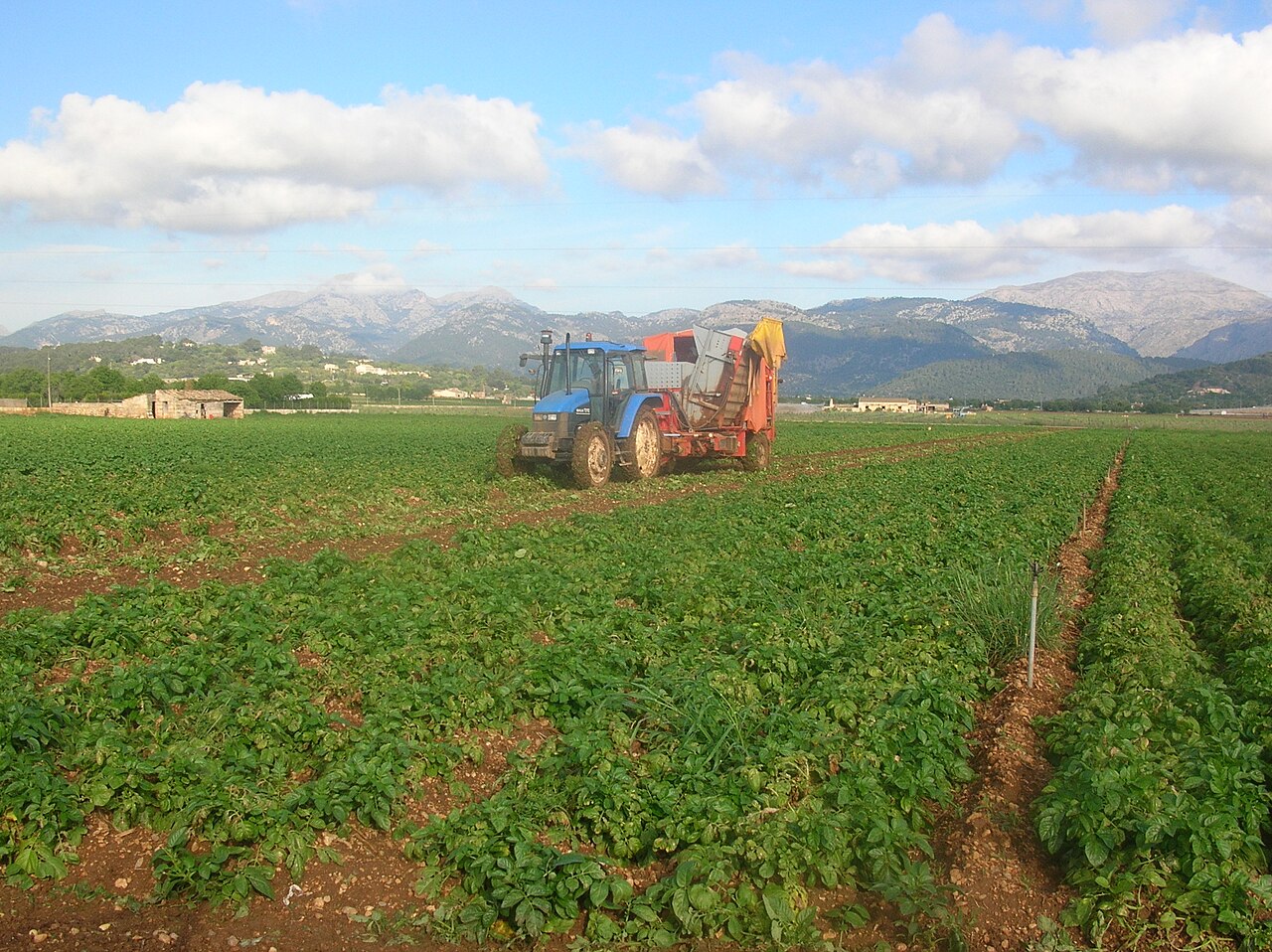
PepsiCo, one of the world's largest potato buyers, is trying to harness the knowledge of its farmer network to protect supplies against water shortages, extreme weather, input costs and changing growing conditions, Rob Meyers, the company's vice president of global agriculture procurement, told AgNavigator. The maker of Lay's and Doritos does not grow its own potatoes and works with around 300,000 farmers across its supply chains.
It recently brought more than 140 growers, suppliers, agronomists and experts from over 35 countries to its Global Agro University in Hannover, Germany. European growers have faced waves of drought as well as labour shortages and higher fuel and input costs. "There is no easy answer to some of these challenges," Meyers said, "and so you kind of fall back on doing the fundamentals," from seed and planting to harvest, storage and transport. Growers showed particular interest in improving soils to hold more water and in more water-efficient irrigation.
Alongside its Frito-Lay Ag knowledge platform, to which it has added AI to make information easier to find, PepsiCo uses demonstration farms, study tours and small regional meetings. In one example it took growers and agronomists from China to the US to learn bed planting, which can allow higher seeding rates and better land, water and nutrient efficiency but needs the right soil and modified machinery. Meyers said the most valuable part is farmers explaining what worked and what did not.
Asked whether climate change could move where the company sources potatoes, Meyers said it may make some regions less viable, and that PepsiCo's Climate Resilience Platform lets its teams look ahead to the end of the decade region by region. On regenerative agriculture, the company focuses on outcomes such as soil health and water and nutrient efficiency rather than a checklist of practices. "You can follow a checklist and not get the outcomes," he said.
PepsiCo does not buy equipment for growers, but Meyers said it tries to make the economics of its long-term contracts allow farmers to invest. "Maybe the second most valuable thing in agriculture after the soil is trust," he said. The report is by Oliver Morrison of AgNavigator.
Photo: Rotget / Wikimedia Commons (CC BY-SA 4.0)
Source: AgNavigator

Comments
(0)