
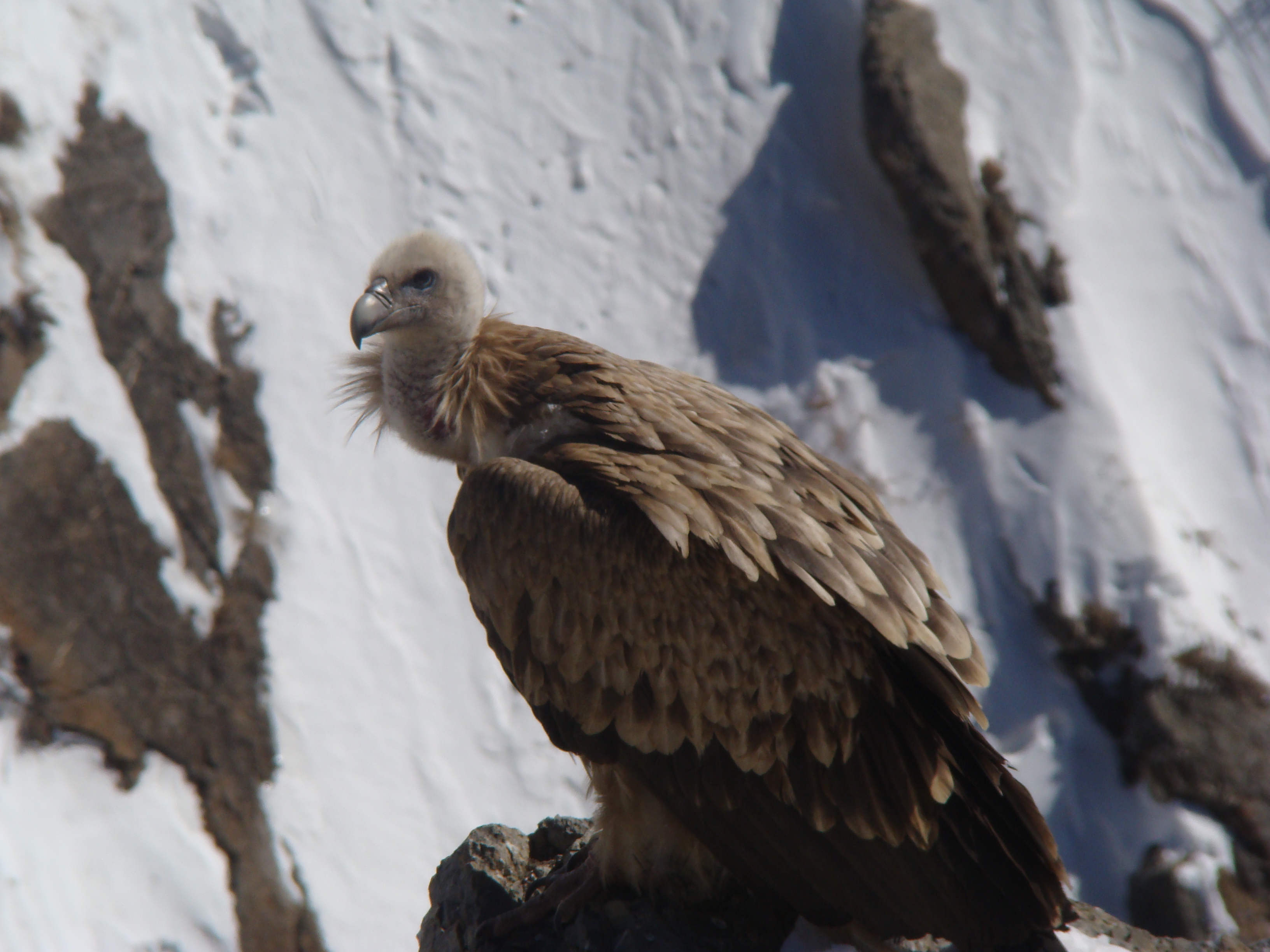
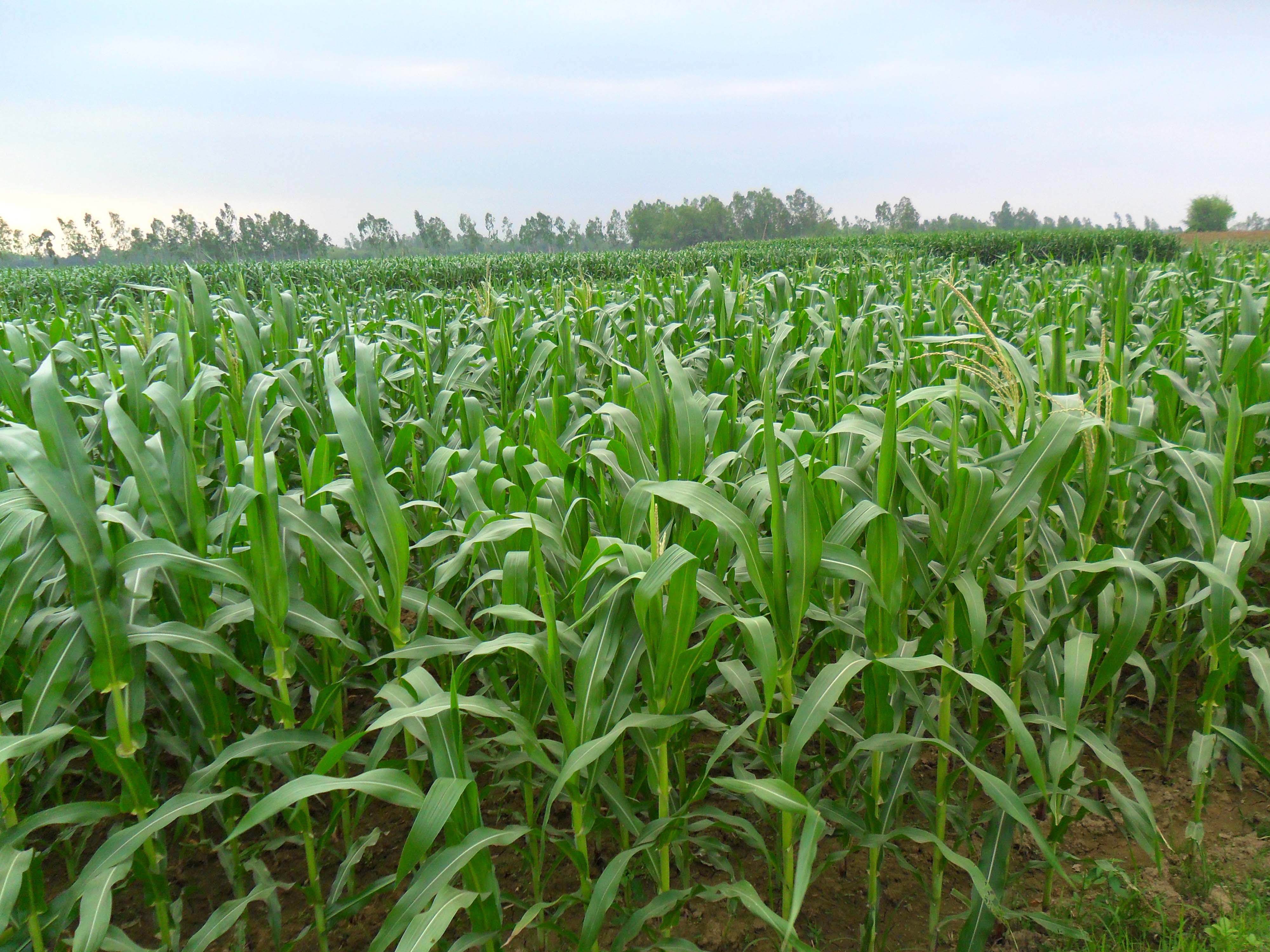
Forest department officials rescued three sick Himalayan griffon vultures from maize fields in Patgram upazila of Lalmonirhat on the morning of Wednesday, 14 January 2026. The birds were found in the Jagatber and Bangkanda areas of the upazila. Jagonews24 reported the rescue the following day, 15 January.
Three vultures that could not fly
Citing local sources, Jagonews24 said residents saw three very large birds lying in a maize field in the Bangkanda and Jagatber area that morning. The birds were unable to fly and were flapping on the ground. A local resident, Alauddin Pradhan Badsha, caught one of the vultures, took it to his home and informed the forest department. Forest officials then went to the spot and took all three birds into their custody one by one.
According to the forest department, each vulture weighed roughly 5 to 7 kg and had a very large beak. Patgram upazila forest officer Rezaul Karim confirmed the rescue. He said the species comes mainly from the Himalayan mountain region, and that during winter migration the birds often come down in inhabited areas after falling ill in the extreme cold or from exhaustion after the long journey. Arrangements were being made, he said, to send the vultures to the vulture care centre in Dinajpur for first aid and close observation, and to release them back into the wild once they recovered.
Patgram is an upazila on Bangladesh's northern border, covering 246.85 square kilometres. Jagatber is one of its eight unions. The upazila also contains the Dahagram-Angarpota enclave, which is linked to the Bangladeshi mainland through the Tin Bigha Corridor.
What the Himalayan griffon is
The Himalayan griffon, or Himalayan vulture (Gyps himalayensis), is a bird of the Himalayas and the Tibetan Plateau. Its range runs from Kazakhstan and Central Asia south to Pakistan, India, Nepal and Bhutan and east to western China and Mongolia. Young birds disperse further south in some seasons.
It is a large vulture, usually weighing 6 to 12.5 kg, with a wingspan of 2.56 to 3.1 metres. It feeds only on carrion, clearing away dead animals. The International Union for Conservation of Nature (IUCN) lists the Himalayan griffon as Near Threatened on its Red List. The birds are at risk of poisoning from residues of diclofenac, a painkiller used on livestock, in the carcasses they eat, although their numbers have not fallen as steeply as those of other Gyps vultures.
Caring for vultures that come down in the north
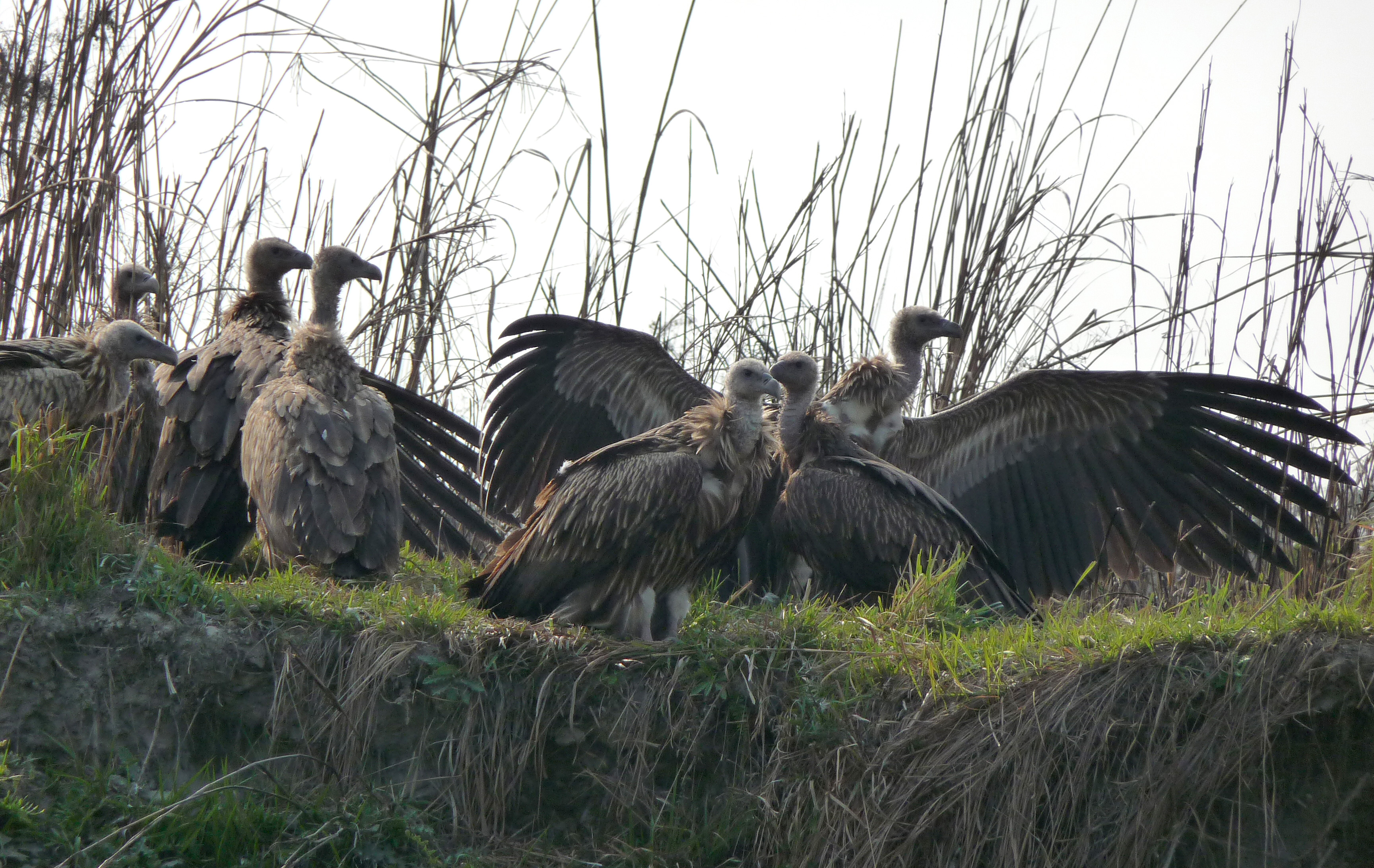
The IUCN says that every year, during the migration period, Himalayan griffons that are too weak or injured are rescued in northern Bangladesh. In November 2016 IUCN Bangladesh, with the support of the Bangladesh Forest Department, set up the country's first vulture rescue centre at Singra National Park in Dinajpur. According to the IUCN in March 2017, a total of 40 vultures had been rescued from different parts of the country between 2014 and 2016, and 16 were rescued in the 2016-17 season.
A Prothom Alo report of November 2021 said around 100 of these birds arrive in Bangladesh every year, and that almost half of those that make the long flight collapse to the ground, exhausted and unable to fly. They do not easily find dead animals and often go hungry for days. The report said the forest department and the IUCN had been working with Himalayan griffons since 2014 and that 114 vultures had been rescued up to 2020. Birds at the Singra centre usually stay for about three months and are released in the first week of April.
Singra National Park is a sal forest about 40 km north of Dinajpur town. The forest department declared it a national park on 10 October 2010; the park covers 305.69 hectares.
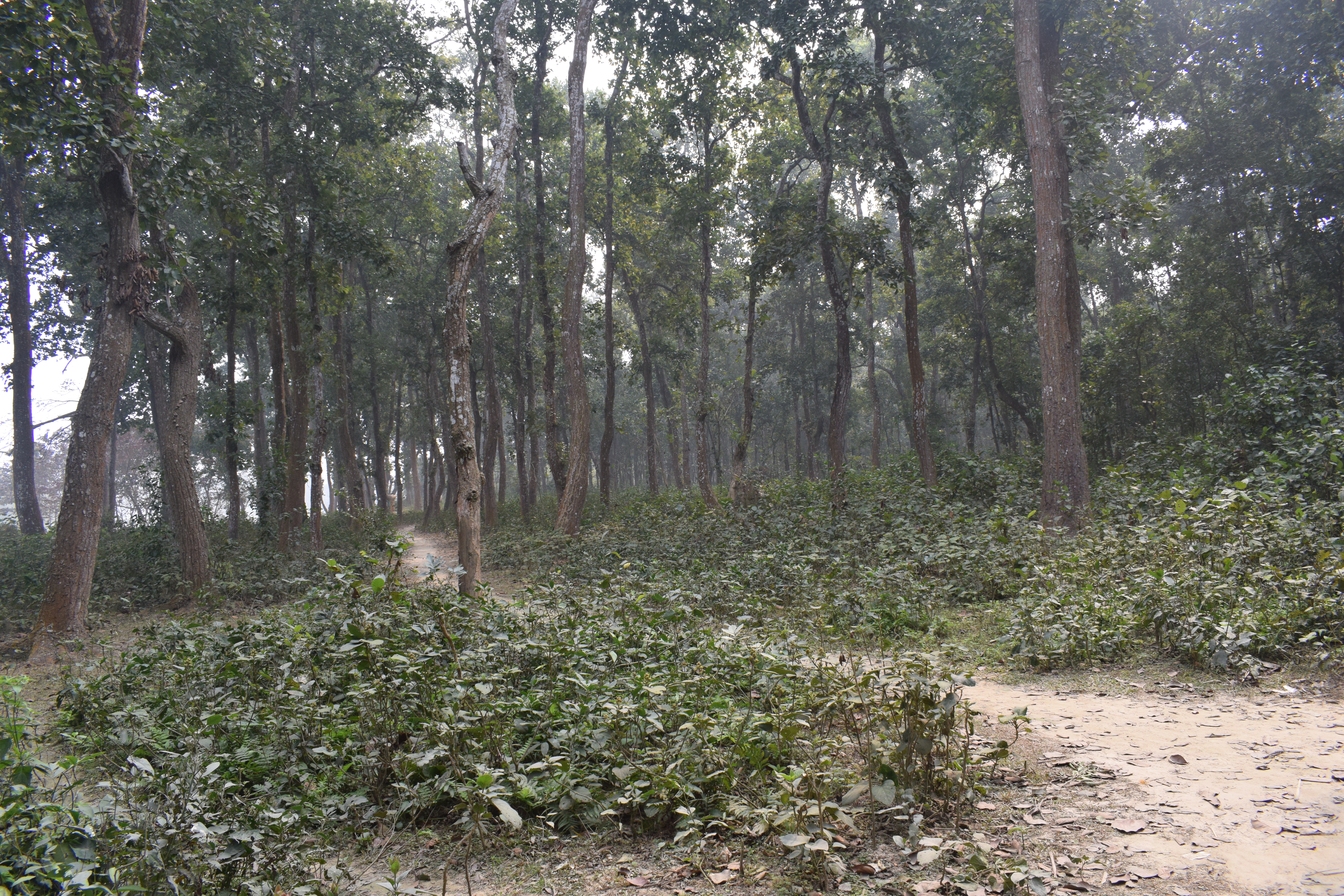
Photo: Ksuryawanshi / Wikimedia Commons (CC BY-SA 4.0)
Sources: Jagonews24, IUCN, Prothom Alo, Wikipedia
Comments
(0)