
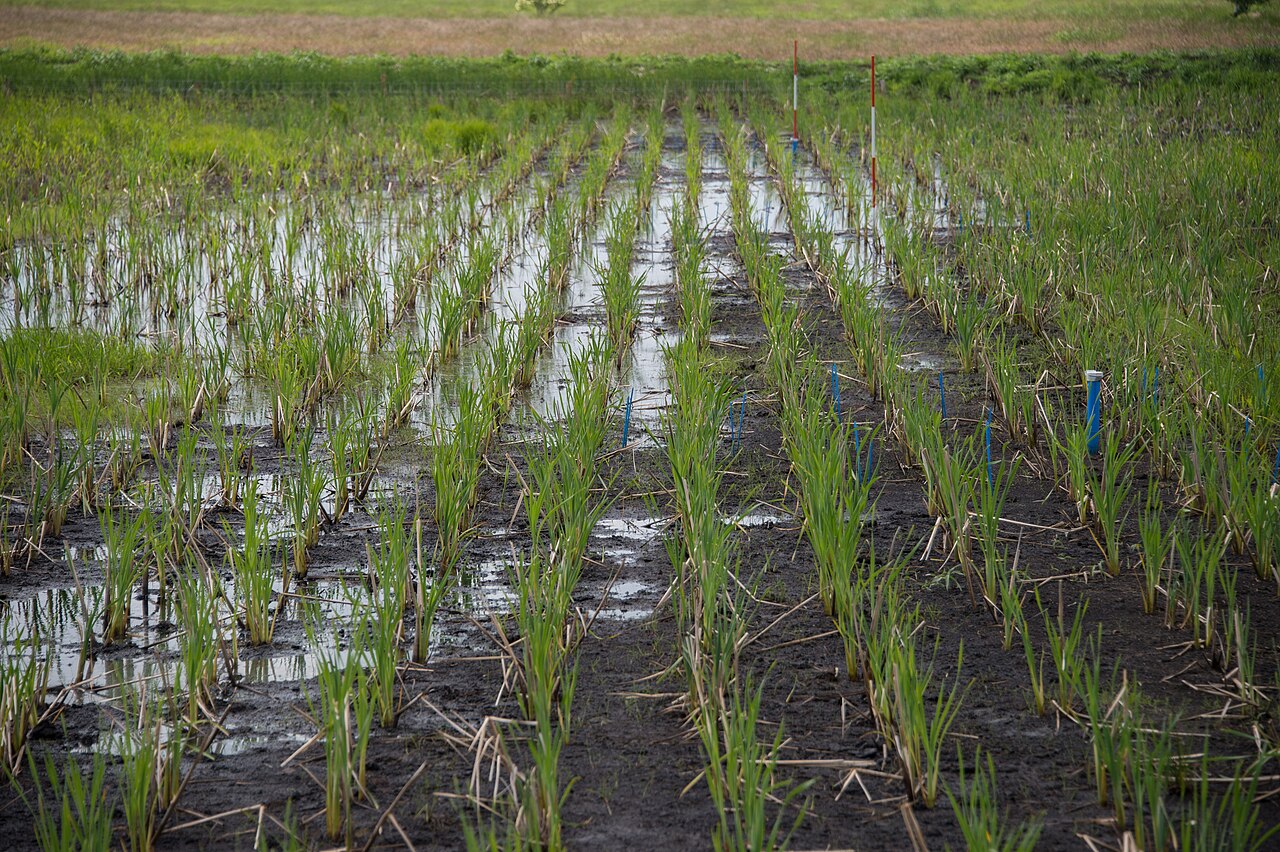
A new Irish-led study says paludiculture — farming on wet or rewetted peatland — can both preserve soil carbon and provide income for farmers, and sets out what is needed to take it from small pilots to mainstream practice.
The paper, 'Transitioning from Degraded Peat to Paludiculture: Evidence-Based Roadmap for Research and Practice', was published this month in the journal Land. It is led by Lisa Jessen and Dr. Florence Renou-Wilson of University College Dublin, with co-authors from Liverpool John Moores University, Manchester Metropolitan University, Lancashire Wildlife Trust, the University of Galway and the University of Amsterdam.
It comes from Palus Demos, a €10 million Horizon Europe project led by the University of Galway, with 26 partners and large-scale demonstration sites in Offaly, Manchester and the Netherlands, which aims to turn rewetted bogs into profitable farms and develop markets for wetland crops.
The authors say paludiculture "has demonstrated potential as a viable option for land managers to remain productive while maintaining important carbon, biodiversity and climate goals". But most evidence so far comes from short-term, small-scale sites concentrated in Germany and the Netherlands, making results hard to transfer to other regions.
Their roadmap calls for long-term demonstrations that follow crops from planting through several harvests, investment in low-impact machinery for soft peat soils, and coordinated development of markets and supply chains. The team has also published a downloadable database of information sources on paludiculture in temperate peatlands.
Project coordinator Niall Ó Brolcháin of the University of Galway said the work drew on soil and climate scientists, farming practitioners and conservation bodies across Europe.
The report was written by Kathleen O'Sullivan.
Photo: Hannes Grobe / Wikimedia Commons (CC BY-SA 4.0)
Source: Agriland


Comments
(0)