
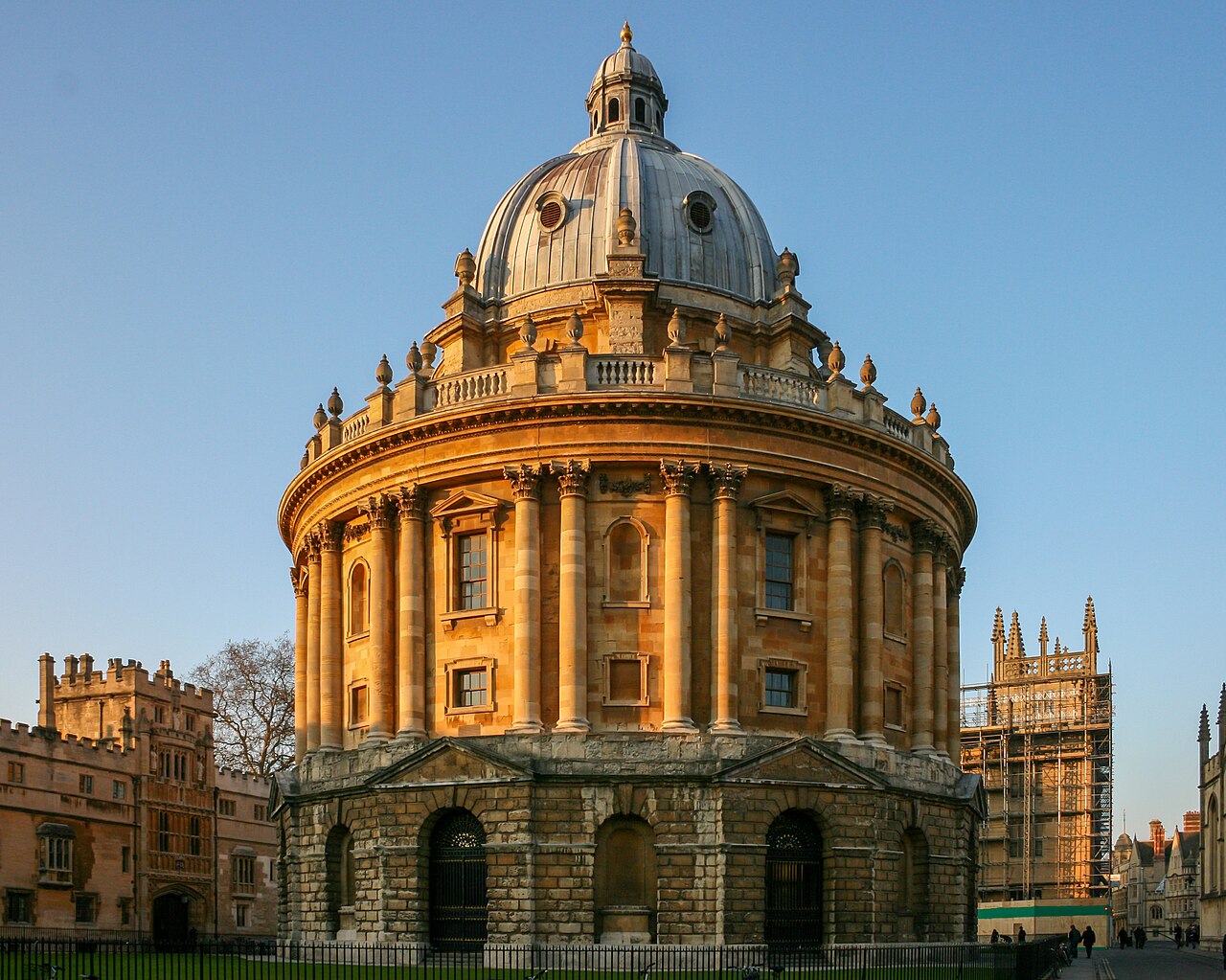
Student teams at a weekend hackathon in Oxford went from first ideas to working digital tools for farmers in 48 hours. The event was organised by the International Maize and Wheat Improvement Center (CIMMYT) and Oxford Edge, and asked undergraduates and postgraduates in engineering, computer science, biology, physics and public policy to work on agriculture and job creation in the global South.
One team tackled monocropping. It designed a district-level platform for Ethiopia to encourage intercropping, linking farmers, agro-dealers, extension officers and local government, with an early warning system that flags monocropping risk and triggers support before problems grow.
A second team borrowed from the stock market. Its prototype applied financial risk and portfolio methods to farm decisions, pairing agronomic recommendations with assessments of risk and profitability so that a farmer can weigh trade-offs against weather, prices, pests and input costs.
A third group set out to go beyond advisory apps that stop at crop recommendations. Its platform brought input supply, finance, market links, logistics and product traceability into one system. A fourth project addressed forest loss in cocoa-growing areas, combining early warning, monitoring and better market links so that farmers can earn more without clearing forest.
Mentors and speakers included Djavan Declerq and Jonathan Li on agriculture and artificial intelligence, Monika Zurek on food systems, Watu Wamae and Christiaan De Koning on innovation, George Darrah on venture capital, Adam Mahdi on machine learning and Gareth Davies, a founder. Gareth Davies, Watu Wamae and the chemist Carl Formstone judged the projects on feasibility, sustainability and impact.
CIMMYT's account stresses that the strongest ideas linked farmers to markets, information and incentives rather than treating farming problems in isolation, and that teams produced functioning apps, platforms and decision-support tools in a single weekend. The tools remain prototypes; the piece does not say whether any will be developed further.
Photo: Mike Peel / Wikimedia Commons (CC BY-SA 4.0)
Source: CIMMYT

Comments
(0)