
Writer and researcher Pavel Partha has written for Prothom Alo from the UN climate conference (COP31) in Antalya, Turkey. His argument is that the blame for crises made by environmental, social and political choices cannot all be loaded onto "climate change", and that talk of funds alone will not solve them. The views are the writer's own.
He recalls writing "blame it all on climate" in Prothom Alo in 2008, after the Bengali proverb about Nanda Ghosh who got the blame for everything, and says he found a Turkish counterpart, "günah keçisi", the scapegoat. Grabbing rivers, canals and hills, cutting hills, approving hazardous chemicals, plastic and lead pollution, filling wetlands, replacing natural forest with invasive trees, commercial shrimp farms on cropland and roads across Chalan Beel and the haors, he argues, are all hidden behind the climate.
In his view these crises are products of an unequal and unaccountable state structure, which climate change then makes harsher and more complex, and hiding the state, power structures, the neoliberal market and destructive ideas of development is a weakness of the "climate discourse".
He reports that on Saturday about 10,000 people marched from Aydin Kanza park in Antalya in a People's Climate March for climate justice, with slogans such as "people and planet before profit", "make polluters pay" and "stop fossil fuels", and that such an open public park made him think of Dhaka's lost parks and playgrounds.
In the first week of the conference, which opened on 9 November, finance, adaptation, energy transition and justice were discussed, but he writes that the difficulty vulnerable developing countries face in getting money and the lack of accountability of rich polluting countries dominated. Day seven was devoted to seas and oceans, nature, land and the Rio conventions. The column turns attention to cropland, wetlands and haors as part of the climate conversation.
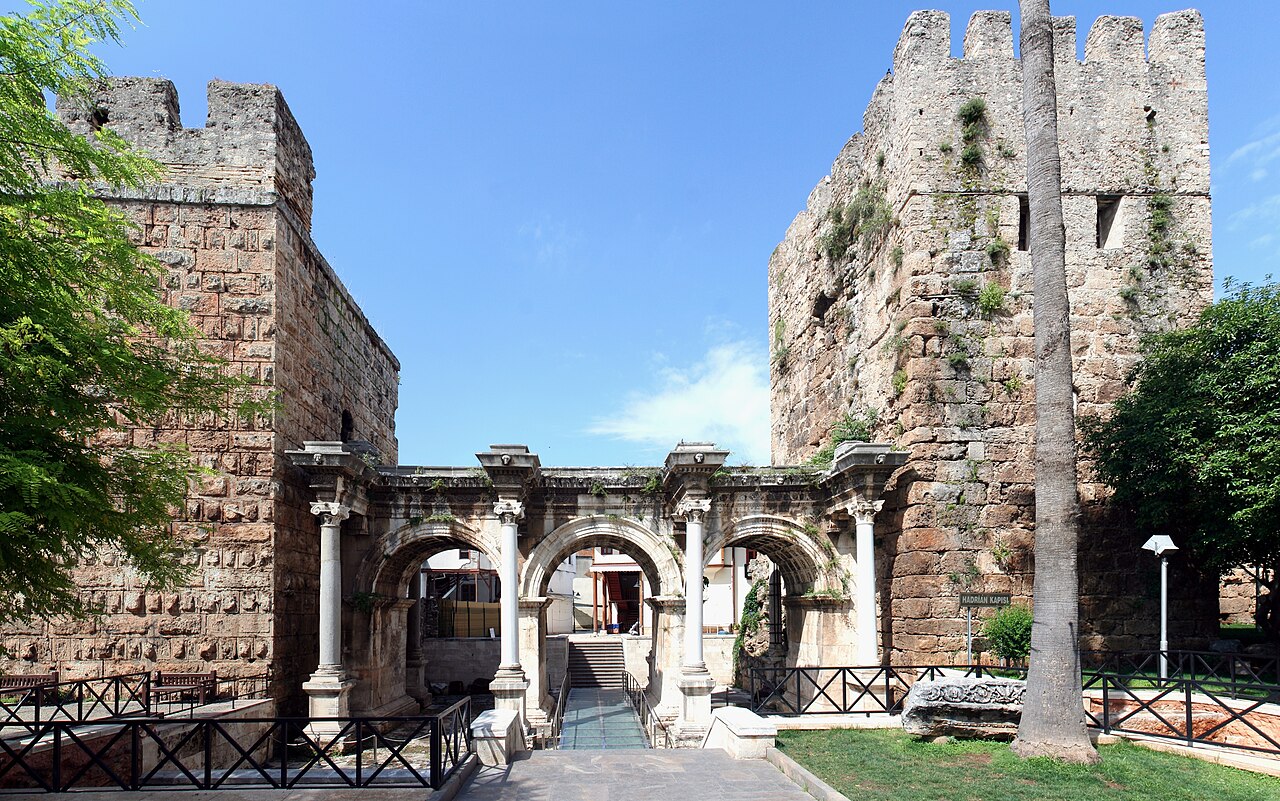
Photo: Ingo Mehling / Wikimedia Commons (CC BY-SA 3.0)
Source: Prothom Alo

Comments
(0)