
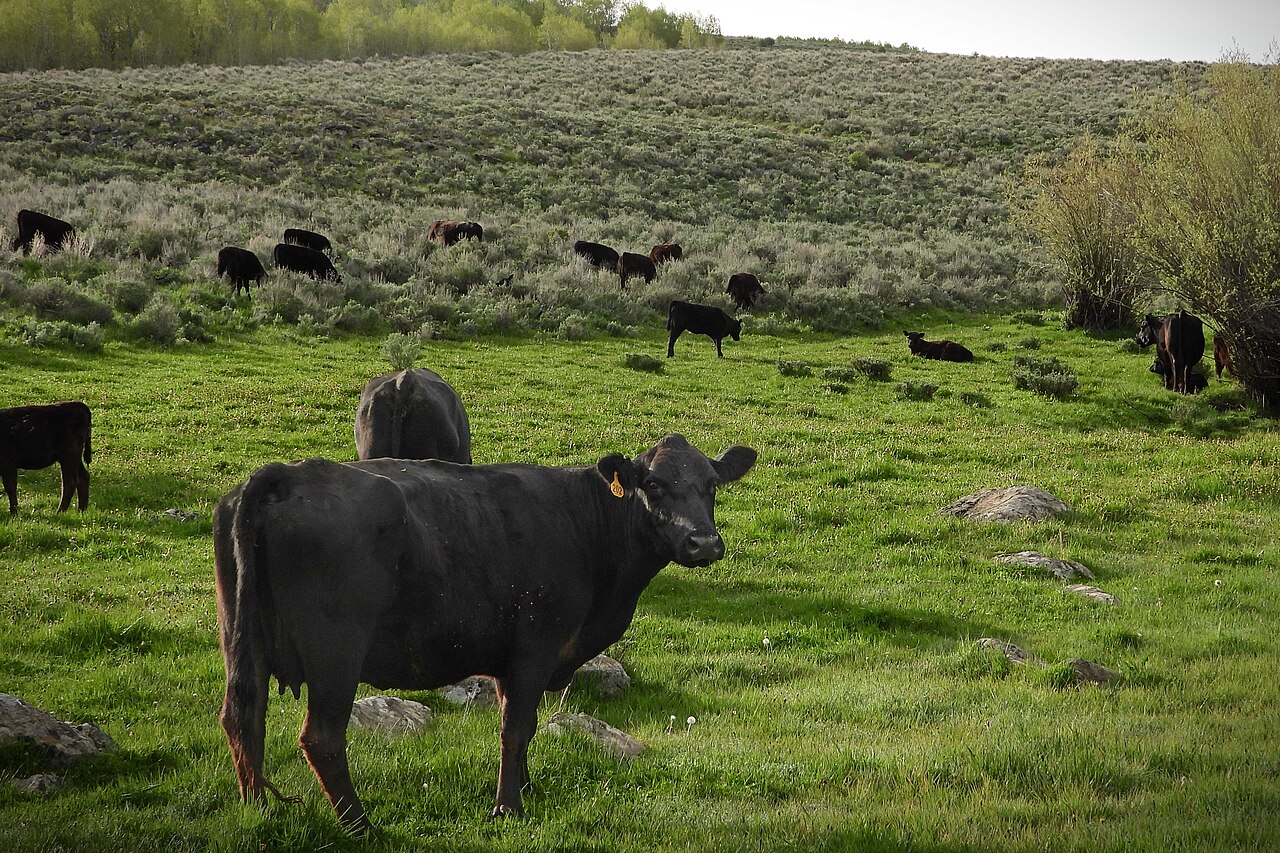
A federal appeals court has ruled that Idaho's process for forfeiting water rights unconstitutionally discriminates against the US government's stockwater rights on federal grazing allotments leased to ranchers.
The 9th US Circuit Court of Appeals overturned a 2024 opinion by Chief US District Judge David Nye, who had struck down several provisions of Idaho's amended water law but upheld the new forfeiture process as not singling out the federal government.
Idaho lawmakers changed the state's water law in 2017, limiting the federal government's ability to own stockwater rights and altering how rights are forfeited, with the stated aim of protecting stockwater holders from "encroachment by the federal government". The revisions were meant to reflect the Snake River Basin Adjudication, which inventoried and confirmed water rights in the region. The United States challenged them.
Under the forfeiture process, a party can seek the forfeiture of a water right not put to beneficial use for five years, forcing the holder to defend it — unless it can show the right was maintained by an "agent". But the amended law says ranchers cannot become agents of the United States simply by grazing under a federal permit. Because the federal government historically acquired water rights through ranchers putting water to beneficial use, rather than by owning livestock itself, the court said the process was "part of a statutory scheme to divest the United States of its SBRA-decreed water rights".
Idaho argued the federal government could still avoid losing its rights; the court said that "argument rings hollow", and that the process forces the United States to defend against burdensome collateral attacks, as forfeiture proceedings since brought against it show. It also rejected the state's argument that tying stockwater rights to a rancher's home base property merely codified an Idaho Supreme Court decision, finding that the state had misread that ruling.
For ranchers who graze federal allotments, the decision keeps water rights on those allotments tied to the federal land where the water is used, rather than to the ranch headquarters.
The report was written by Mateusz Perkowski.
Photo: BLM Idaho / Wikimedia Commons (Public domain)
Source: Capital Press
Comments
(0)