
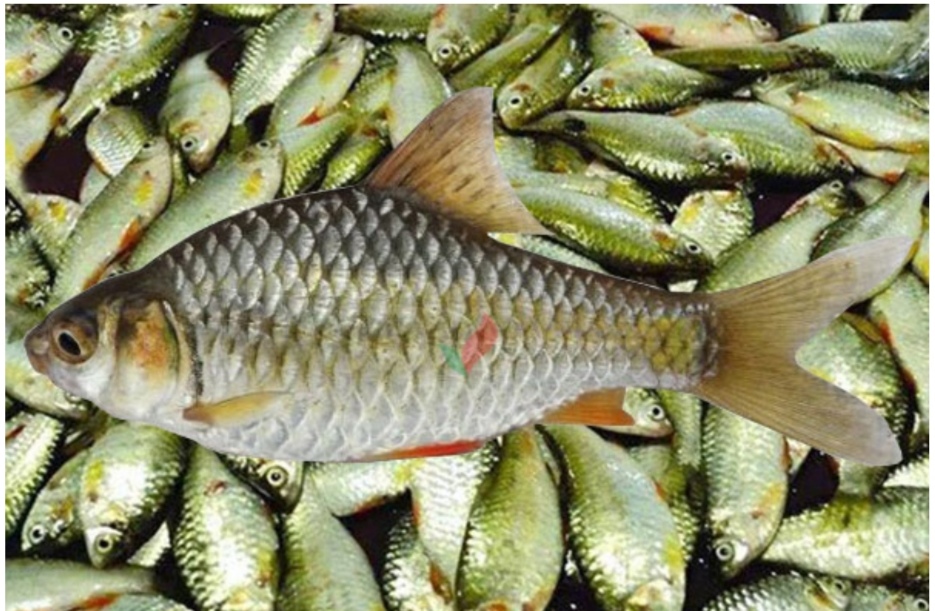
Native puti (barbs) were once plentiful in canals, beels, haors and paddy fields. Natural stocks have fallen as wetlands shrink, but planned culture in a homestead pond or small water body can supply the family and bring extra income. The fish is in demand all year for its taste.
Choose a pond that gets plenty of sun, holds water for a long time, has strong, flood-free banks and little aquatic weed. Before stocking, make sure it holds no predatory fish such as snakehead, taki, gajar, boal or magur, which eat puti fry.
Stock fry in the cool of the morning or late afternoon. Float the bag from the nursery in the pond for a while, then add pond water to the bag little by little and let some bag water out. After 40 to 50 minutes of this, release the fry; acclimatising them reduces losses from sudden temperature change.
Puti feed on algae and other small natural food in the pond, so good pond management keeps feed costs down; supplementary feed can be given as stocking density requires. Keep the water clean, consult a fisheries officer before applying fertiliser or other inputs, and take care with feeding on rainy or overcast days.
Puti also suit polyculture with carps or other small fish, so one pond can yield several species and more income. Demand for this small native fish, a source of protein as well as calcium, iron and vitamins, is growing.
Source: Agricare24

Comments
(0)