
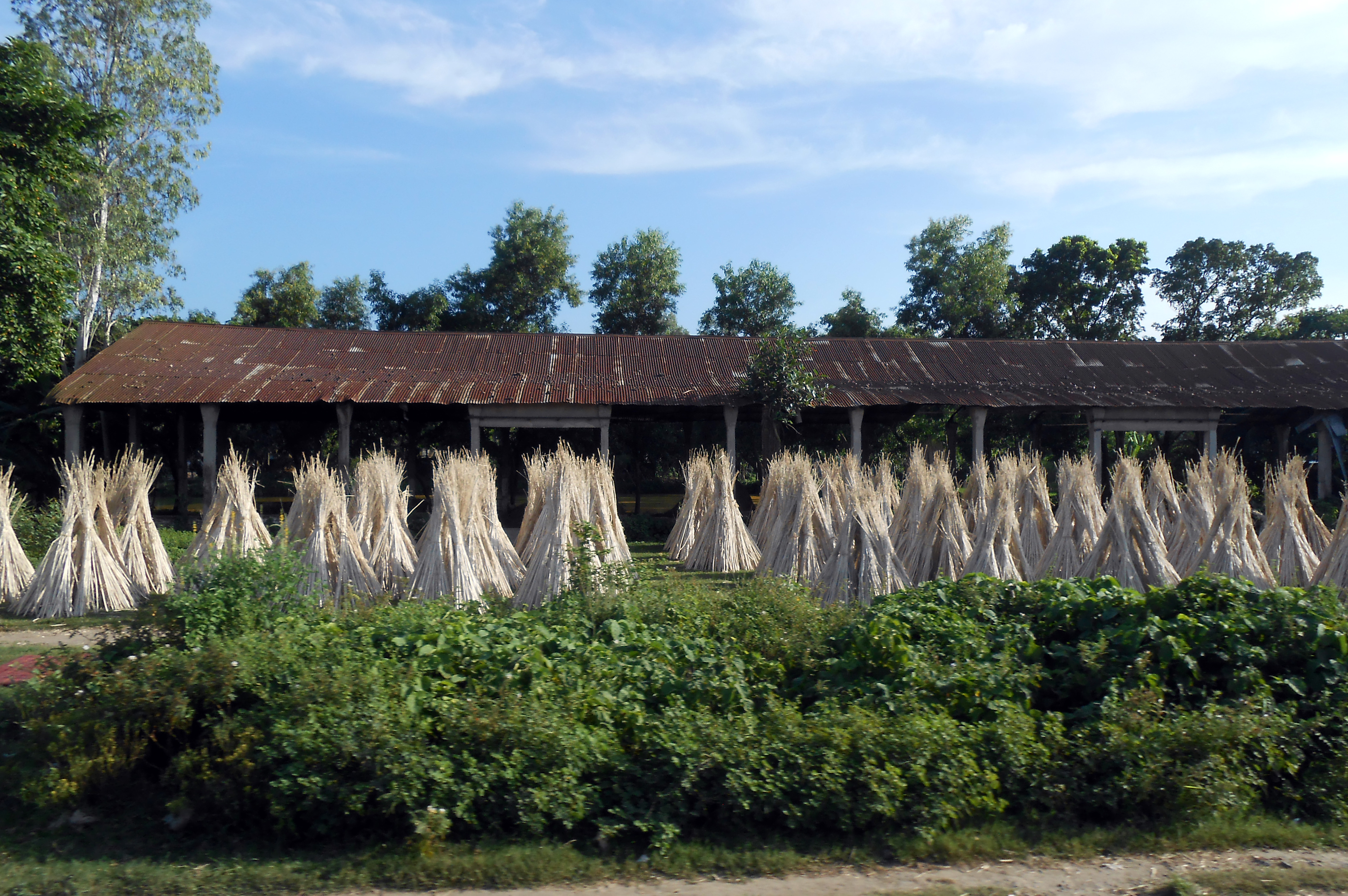
The closed jute mills of Palash in Narsingdi, which once ran on the labour of thousands of workers, were given fresh hope by a government plan in April 2026. On the morning of Tuesday 21 April, State Minister for Textiles and Jute Md Shariful Alam visited Co-operative Jute Mills and Bangladesh Jute Mills in Palash. He told journalists afterwards that, to keep an election pledge, the government wanted to restart the country's closed jute mills through leases.
In a ministry press release the day before the visit he had said: "This visit is to observe the present overall condition of the two jute mills. To fulfil our election pledge on reopening jute mills, we want to restart the closed mills through leases."
Leases and PPP: how the mills would restart
The state minister said notices had been published and valuation was under way for leasing several closed mills. The government mainly wanted the mills run through public-private partnerships (PPP) or by private industrialists, and planned to bring the industrial area back to life by encouraging domestic and foreign investors, to give the national economy momentum.
According to Bangla Tribune, an expression of interest (EOI) had been invited to lease Co-operative Jute Mills. Bangladesh Jute Mills Ltd stands on about 77.025 acres, part of which had already been brought under industrial use through a lease. The mill can produce about 13,968 metric tons a year of hessian and sacking.
Earlier, at a ministry press conference at the Secretariat on 5 March 2026, officials said all 25 mills under the Bangladesh Jute Mills Corporation (BJMC) were closed; 14 had been placed under long-term leases and seven more were in the process of reopening. The state minister said that because of long years of losses, the government was handing the mills to private management rather than running them itself. The Daily Star had reported that in July 2020 the government decided to stop production at the BJMC's 25 mills, paying full dues to about 25,000 workers, and that Bangladesh Jute Mills in Narsingdi was later leased to Bay Group for 20 years.
A promise of local jobs
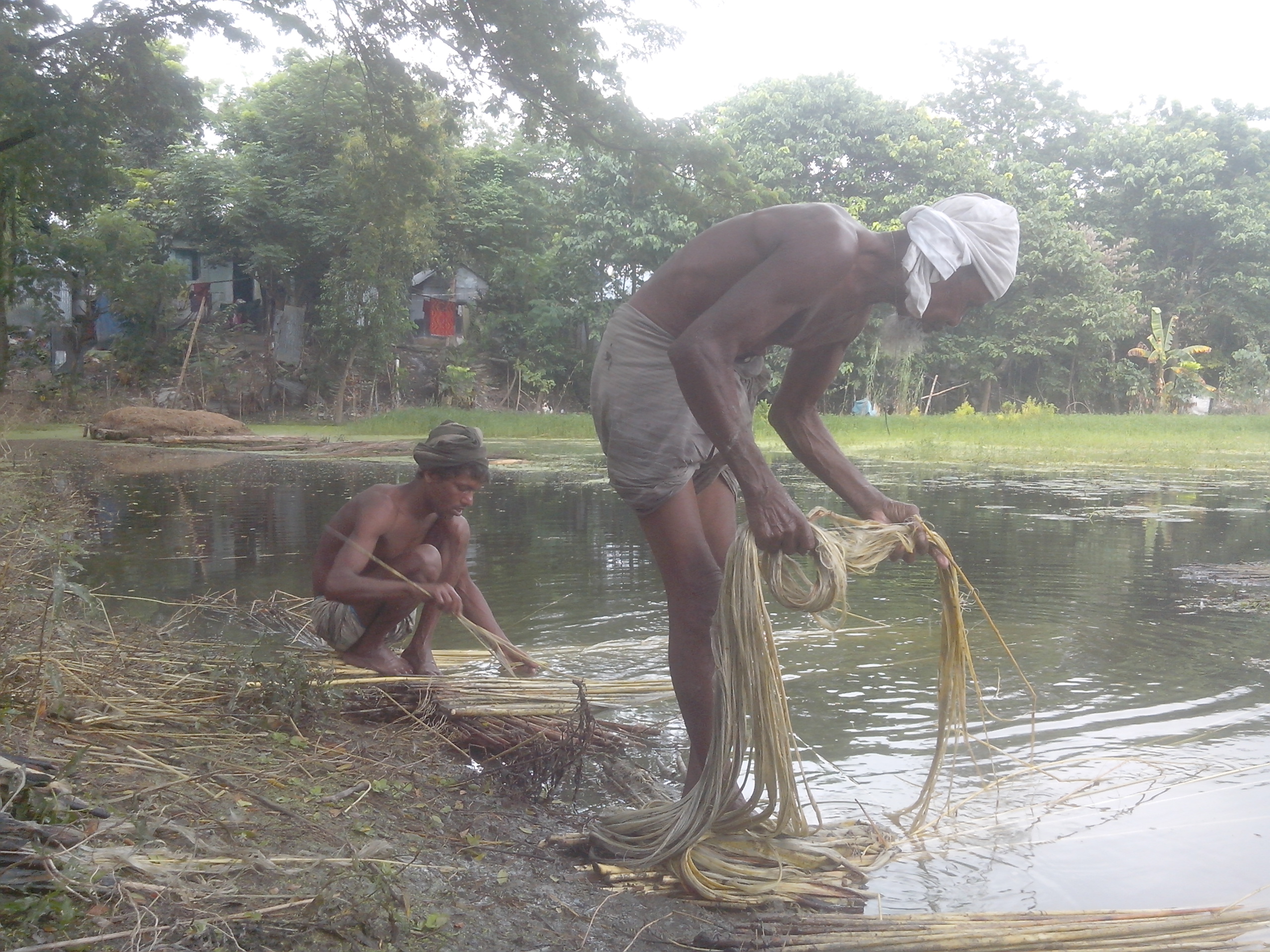
The state minister said these factories in Narsingdi had once employed thousands of people, and that they meant a great deal to people in the area. If the mills reopened, almost all general posts would be filled locally, though people from outside might be hired for technical or specialist posts. He said the move would play an important part in improving local livelihoods.
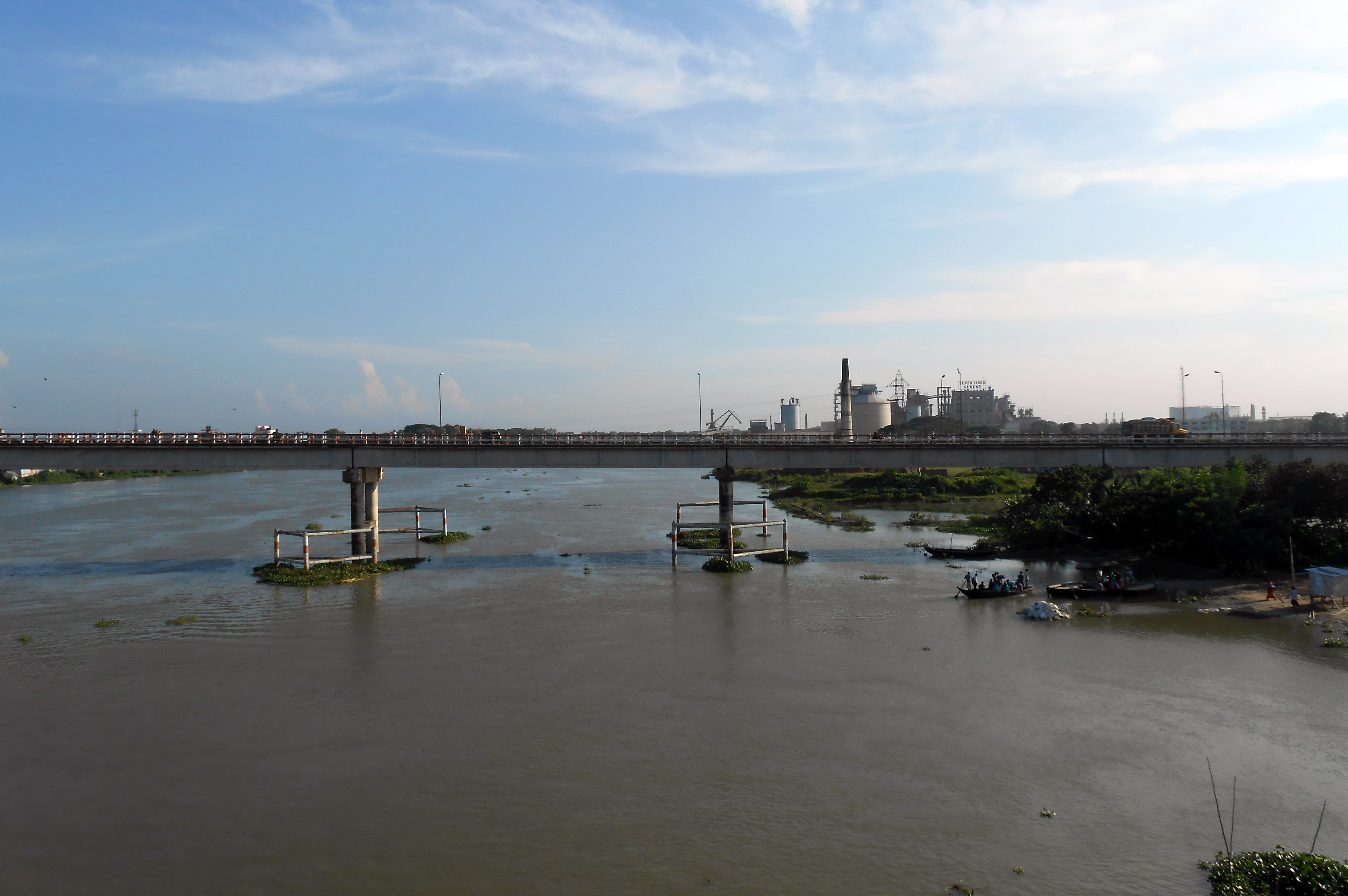
Palash is the smallest upazila of Narsingdi district, covering 94.43 square kilometres, with the Shitalakshya, Haridoa and Old Brahmaputra rivers flowing through it. Its only municipality, Ghorashal, lies on the east bank of the Shitalakshya and is known as an industrial area.
Seed, research and farm prices
The state minister also said the government was stressing better jute seed and research to restore the golden fibre's lost heritage. Work was under way with the Bangladesh Jute Research Institute (BJRI) so that local seed could match the yield of seed coming from the neighbouring country. He said the ministry was also watching that farmers got a fair price, and that jute had risen to Tk 5,000 a maund from Tk 3,000.
In Bangladesh jute is called the "golden fibre" for its colour and money value. Jute and jute goods once topped the country's exports and now rank second after ready-made garments.
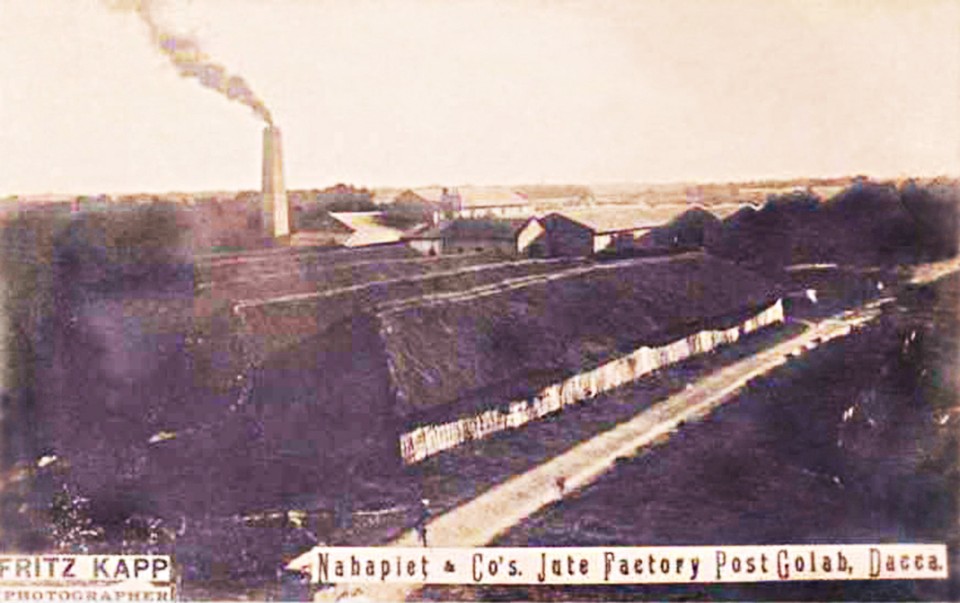
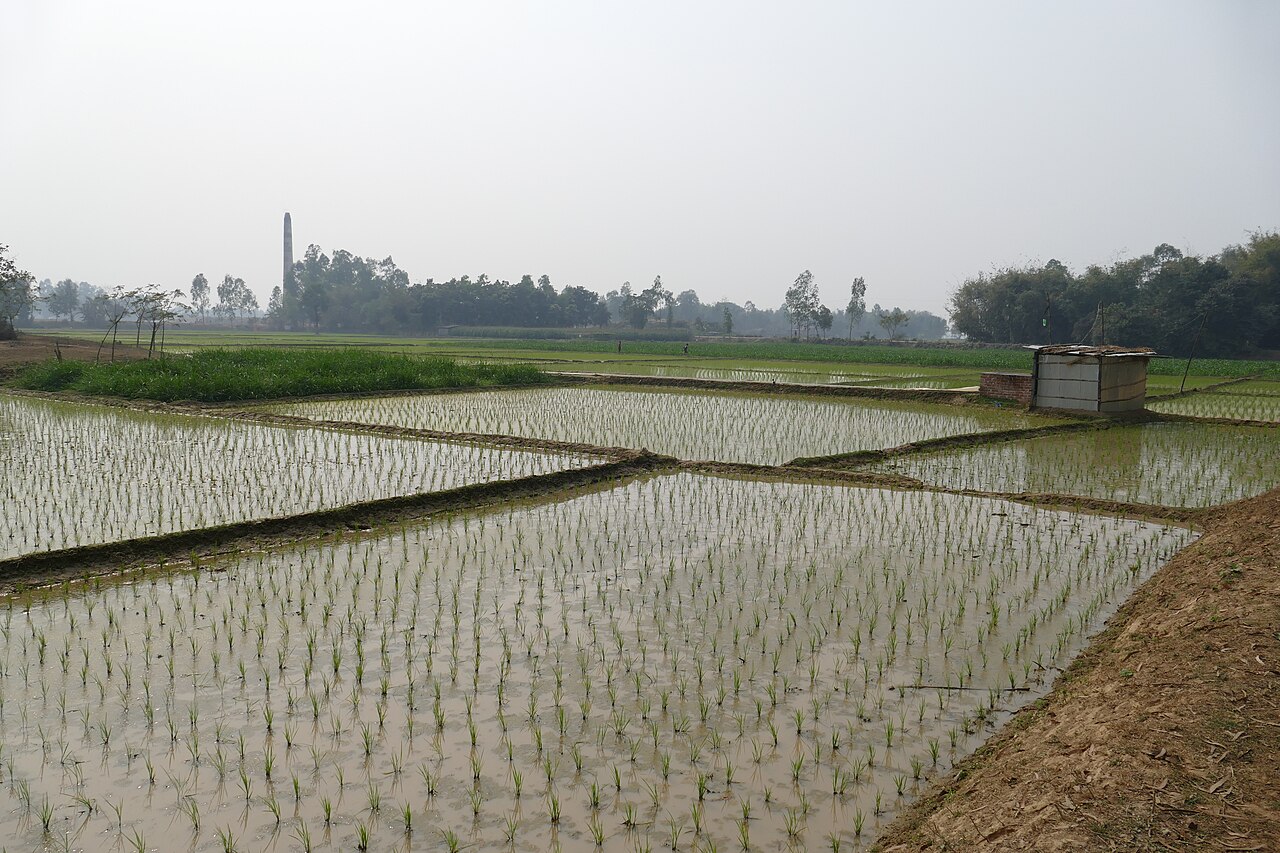
Photo: Moheen Reeyad / Wikimedia Commons (CC BY-SA 4.0)
Sources: Jagonews24, Jugantor, Bangla Tribune, Independent Television, Arthosuchak, The Daily Star, Wikipedia
Comments
(0)