
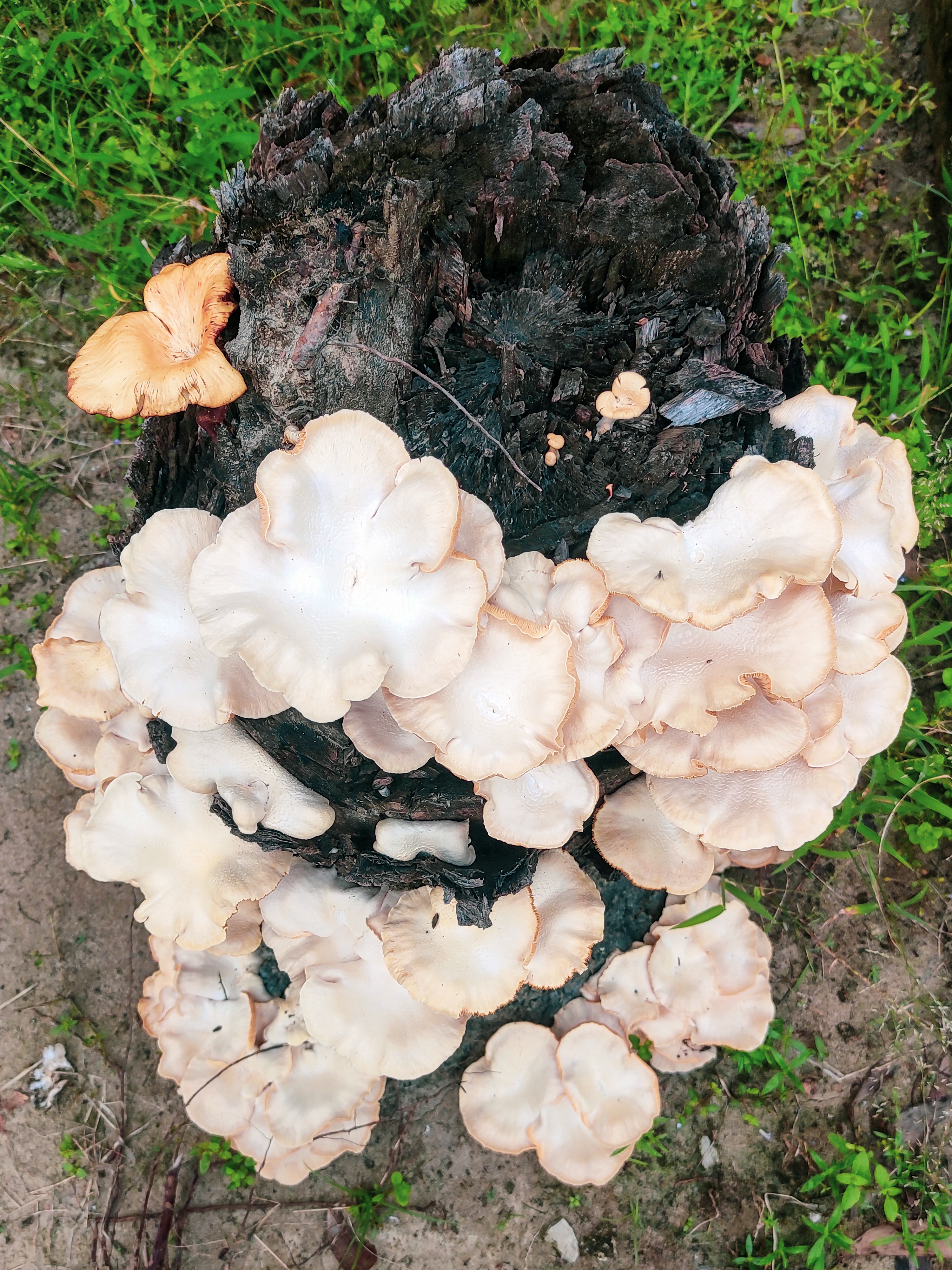
Md Hasib of Tingaon in Bandar upazila, Narayanganj, once worked as a driver and later drove an auto-rickshaw. After several ventures failed, he started growing mushrooms in early 2020 on a friend's advice. In a report Jagonews24 published on 11 March 2025, he said he and his wife and children grew mushrooms together and that he earned about Tk 7-8 lakh a year from them. He hoped to turn the venture into an industry and create jobs for others.
From driver to mushroom grower
Wanting to work independently, Hasib had taken up driving, but the job left him little time for his family and kept him working under someone else. He then drove an auto-rickshaw in his own area, but that did not satisfy him either: he did not want his children to grow up to be auto-rickshaw drivers. To stand on his own feet he tried rearing quails, ducks and pigeons, then growing vegetables, but none of it succeeded.
Once he turned to mushrooms, hard work and self-belief brought him a profit within about a year, the report said. By March 2025 he was growing mushrooms on a large scale, meeting his family's needs and selling the rest commercially.
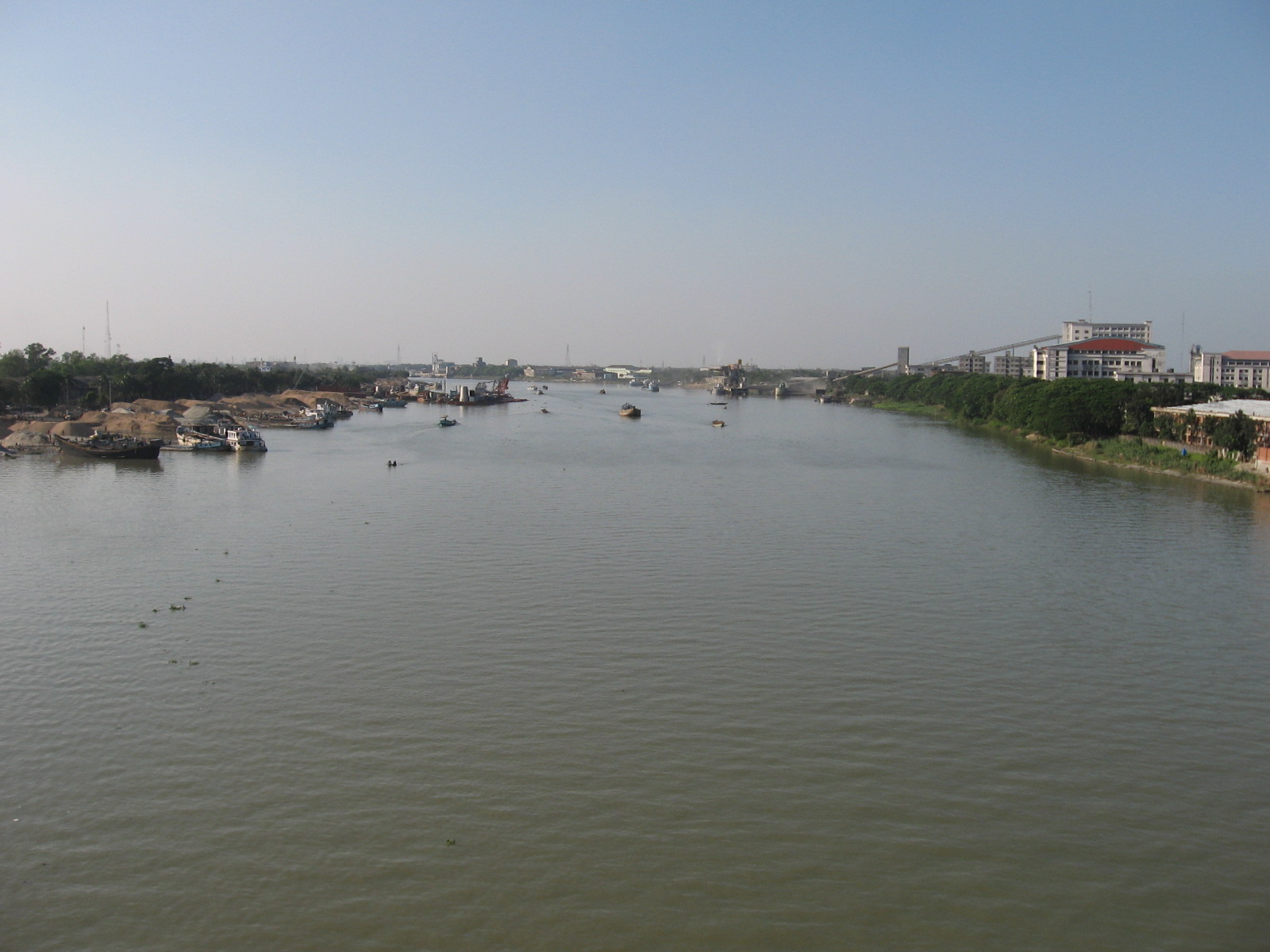
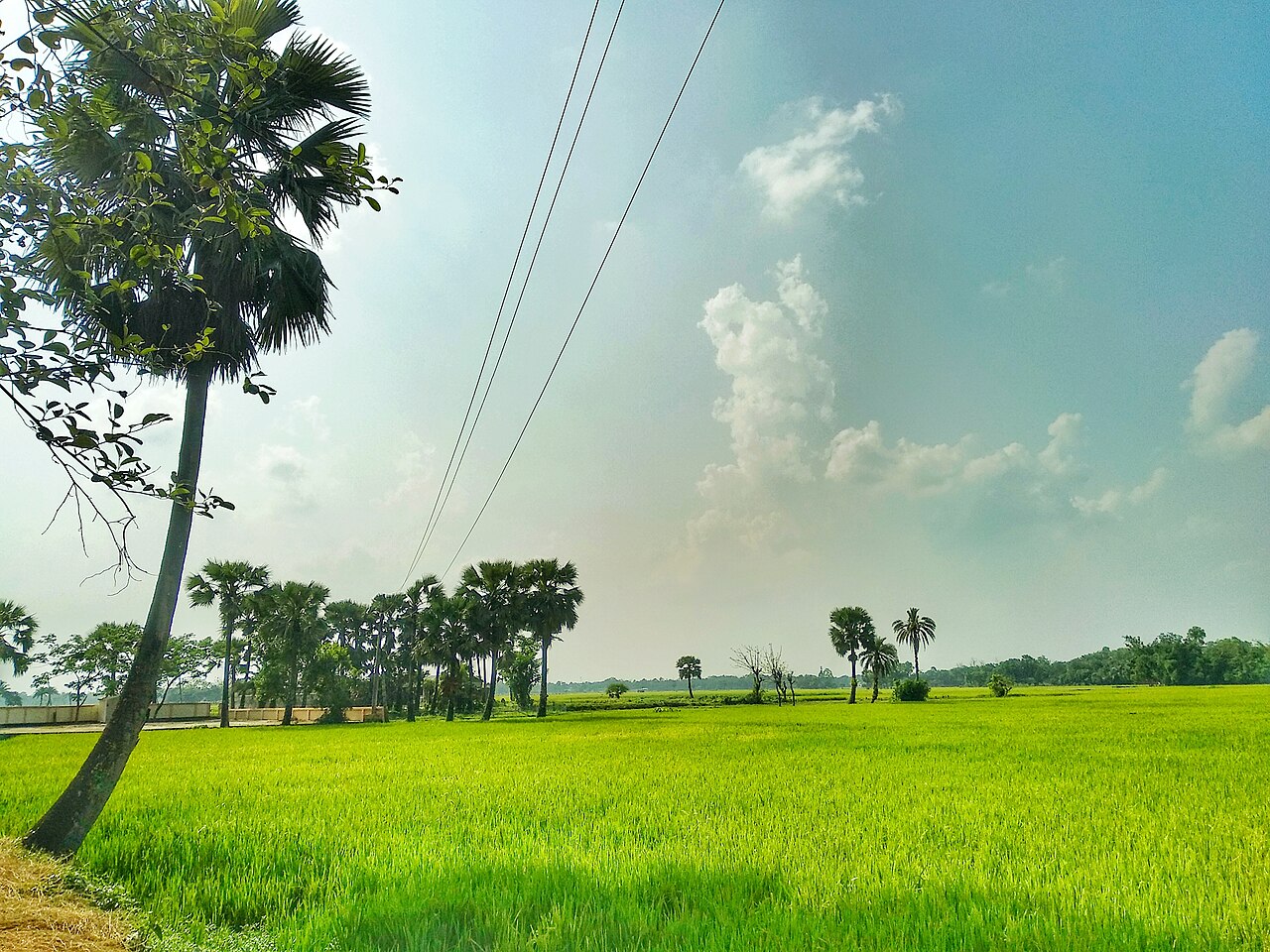
Bandar is an upazila of Narayanganj district in Dhaka division and part of Greater Dhaka. It covers 54.39 square kilometres, and the Shitalakshya river separates it from Narayanganj Sadar and Munshiganj Sadar upazilas to the west and south.
Spawn and mushrooms from a rented house
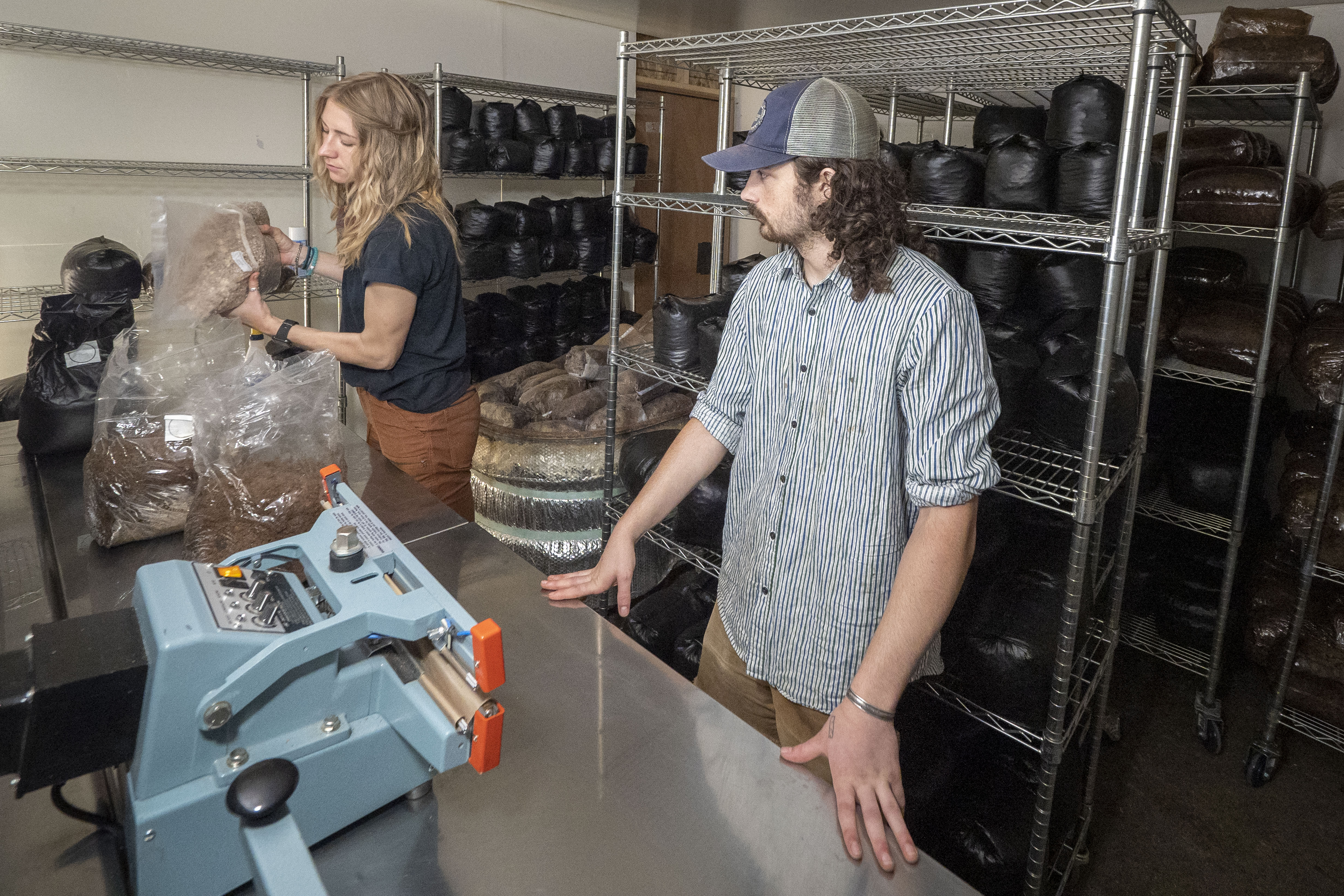
Hasib owns no land. He lives with his wife and two children in a rented two-room tin-shed house. The family lives in one room; the other he has turned into a laboratory where he produces mushroom spawn. Two rooms are used for growing the mushrooms.
Hasib said he buys spawn from the Mushroom Development Institute in Savar. By his account, his farm produces 200 to 250 kg of mushrooms a month, which he sells for Tk 200 to 250 a kilogram wholesale and Tk 300 to 400 retail. Prices vary with the season: output is higher in winter, so mushrooms sell for less then. In his view, mushroom farming can earn twice what it costs.
His wife, Sadia Akter, said: "I really enjoy growing mushrooms. I learned from my husband and I help him." She said they had bought spawn at first but now produce it themselves, and that the family eats mushrooms itself and encourages others to.
On his plans, Hasib said: "In future I'll grow mushrooms on a bigger scale and work with different varieties. I want to take mushrooms to an industrial level. I hope the government will come forward to help make my dream come true."
Training and government support
Bandar upazila agriculture officer Taslima Akter told Jagonews24 that a training was held under a project at the mushroom development centre in Savar, where Hasib received 15 days of residential training. "So far he has been given Tk 2 lakh 95 thousand in financial grants," she said. "We built two houses for him to grow mushrooms. He has been given whatever an entrepreneur needs."
The Mushroom Development Institute is part of the Horticulture Wing of the Department of Agricultural Extension (DAE). It stands about 31 km north-west of Dhaka at Sobhanbagh in Savar, beside the Dhaka-Aricha highway. According to the institute's own profile, mushroom cultivation in Bangladesh began in 1980 at the Sobhanbagh horticulture centre, and the institute was set up in 2015 for mushroom research and extension. It supplies farmers with spawn (pure culture, mother culture and spawn) at government-fixed prices, and on every working day from 9.30am to 3pm it gives anyone interested a free one-day "awareness and technology demonstration" training.
At the time the DAE was also running the "Nutrition Improvement and Poverty Reduction through Expansion of Mushroom Cultivation" project, scheduled for January 2023 to December 2027 and covering 160 upazilas and 15 metropolitan thanas. Its work included training for farmer groups and entrepreneurs, demonstrations and spawn production. The Jagonews24 report did not name the project under which Hasib was trained.
Photo: Moheen Reeyad / Wikimedia Commons (CC BY-SA 4.0)
Sources: Jagonews24, Mushroom Development Institute (Department of Agricultural Extension), Department of Agricultural Extension, Wikipedia
Comments
(0)