
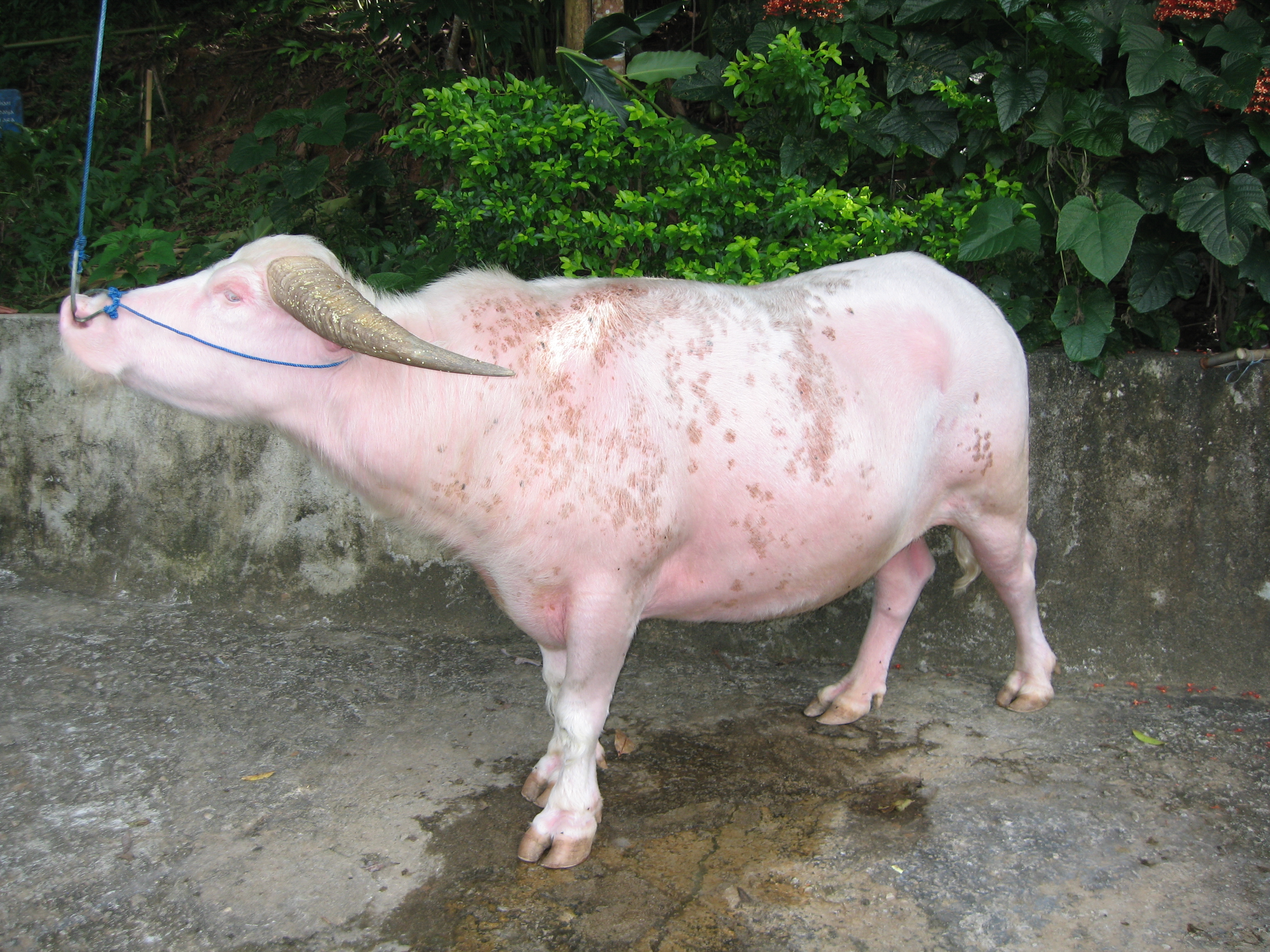
Two light-skinned buffaloes that the herdsmen of a farm in Bandar, Narayanganj, had nicknamed 'Donald Trump' and 'Netanyahu' were drawing visitors in May 2026 as the district prepared for Eid-ul-Azha. Jagonews24 reported on 14 May 2026 that the pair, which the farm described as albino buffaloes, had grown up together at SS Cattle Agro Farm in Bandar and were being kept for the Qurbani season.
The report said a buffalo called 'Donald Trump' had already caused a stir in Narayanganj ahead of Eid, with people coming from far away to see it. At SS Cattle Agro Farm two such buffaloes could now be seen side by side, and curiosity about them had grown. Besides its buffaloes of foreign breed, the farm kept several hundred local and foreign-breed cattle and sheep.
According to the report, the herdsmen gave one animal the name 'Donald Trump' because the hair on its head reminded them of the hair of the US president. The other was named after Israel's prime minister because it was short-tempered and given to charging at others. The names were the herdsmen's own nicknames for two farm animals; the report carried no other connection between the buffaloes and the two men.
Named by the herdsmen, not the owner
Rasel, a herdsman at SS Cattle Agro Farm, explained the names to Jagonews24. "One buffalo was named 'Donald Trump' because of the hair on its head," he said. "There is another buffalo that shows anger for no reason. It gets into fights with other buffaloes on its own, and then it loses the fight. That is why it was named 'Netanyahu'."
Rasel said the two animals were fed with care. They liked grass, maize and bran, he said, and since word of their names had spread, many people had been coming to the farm to see them.
Sadia Rahman Niha, a visitor, told the reporter that she had been hearing the names 'Donald Trump' and 'Netanyahu' for a long time and had now come to the farm and seen the animals. She said she was quite amazed and found the buffaloes very beautiful.
The farm's owner, Mehenuma Mehjabin, said SS Cattle had been running for a long time and kept many kinds of animals; raising albino buffaloes was one part of that. Asked about the names, she said the farm did not choose them. "The herdsmen give the names. We do not give these names," she said. "These buffaloes are a little different, so the herdsmen name them out of their own interest."
An earlier 'Donald Trump' at Paikpara
The Bandar pair was not the first buffalo of that nickname in Narayanganj that season. Two days earlier, on 12 May 2026, Jagonews24 had reported on a pink, albino buffalo called 'Donald Trump' at Rabeya Agro Farm in the Paikpara area of Narayanganj town. That report described it as a large animal of about 700 kg, three and a half years old, with comparatively long hair on the front of its head, which was why people saw a likeness to the US president.
Workers at Rabeya Agro Farm told the newspaper that the buffalo had been bought from the Rajshahi City cattle market about a month after the previous year's Qurbani Eid and had been raised on the farm with special care since then. It had already been sold to a buyer in Dhaka at Tk 550 per kilogram of live weight, the farm said, and was to be handed over before Eid-ul-Azha. Its diet included grass mixed with 12 kinds of feed, maize and bran.
The farm's owner, Ziauddin Mridha, told Jagonews24 that the animal was an albino buffalo weighing more than 700 kg and that his younger brother had thought it looked like Donald Trump because of the hair at the front of its head, which was how the name came about. A farm employee, Md Parvez, said crowds had come since the name spread and that some people had wanted to buy the buffalo, but it had already been sold.
The 14 May report itself linked back to this earlier story, so readers in Narayanganj that week heard of two separate farms, in Paikpara and in Bandar, where light-coloured buffaloes with famous nicknames were waiting for the Eid market.
Narayanganj's preparations: surplus animals and 25 veterinary teams
Both reports ended with the same message from the district's livestock office. Narayanganj district livestock officer Dr Md Abdul Mannan Mia told Jagonews24 that the district had a surplus of sacrificial animals that year compared with demand.
To look after the health of sacrificial animals, he said, 25 veterinary medical teams would work in the district. The teams would identify sick animals and give them prompt treatment. In the 12 May report he added that 190 professional butchers and 315 seasonal butchers had been trained so that animals would be slaughtered in a hygienic way.
The district officer did not give the numbers behind the surplus in either report, and no district total of animals is given here for that reason.
Why some buffaloes are white or pink
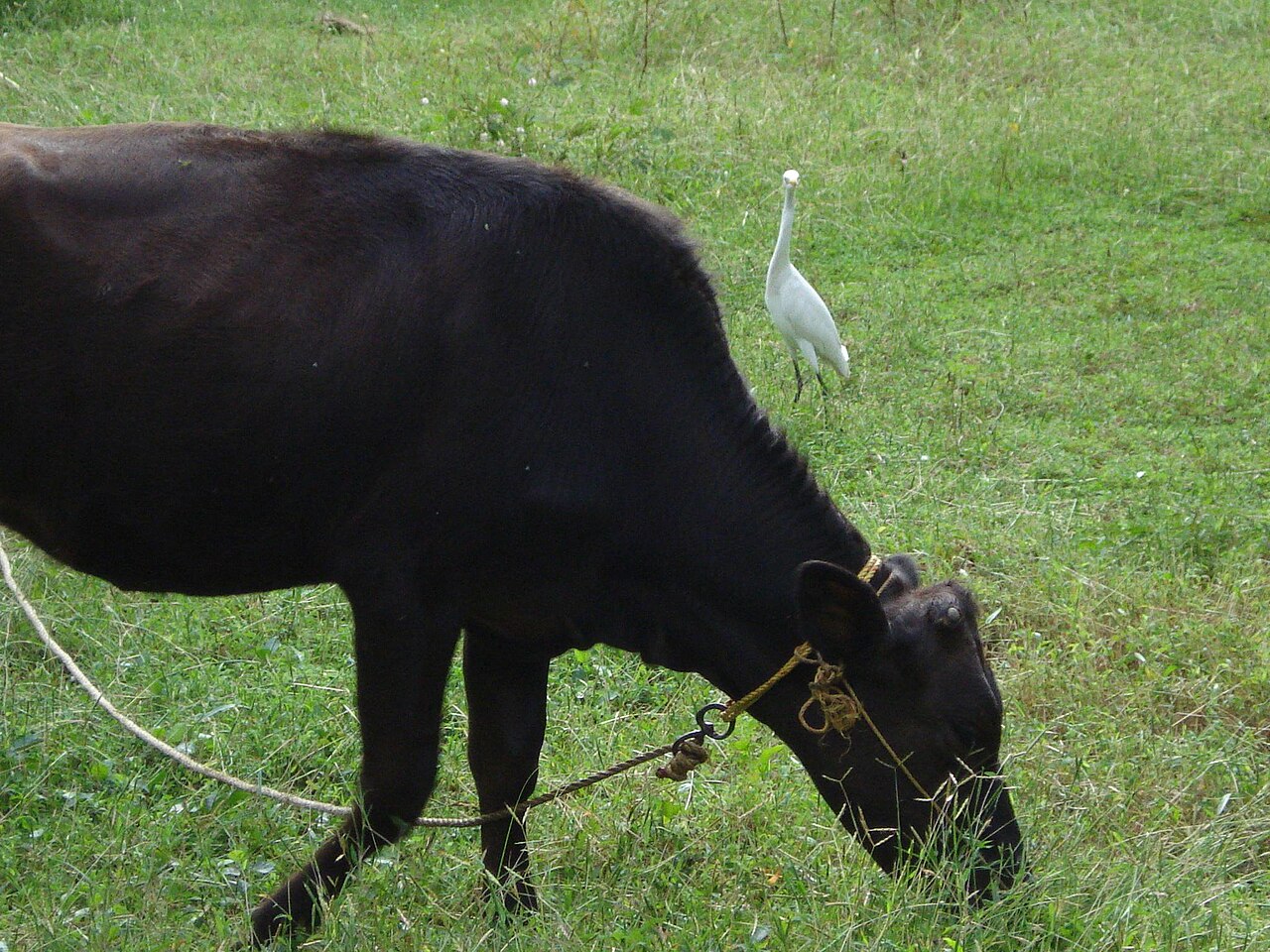
Banglapedia, the national encyclopedia of Bangladesh, describes the domestic buffalo of the region as a massive, long-headed animal with a dull black body and very sparse short hair. Against that, a buffalo with pale or pink skin stands out at once, as the crowds at the two Narayanganj farms showed.
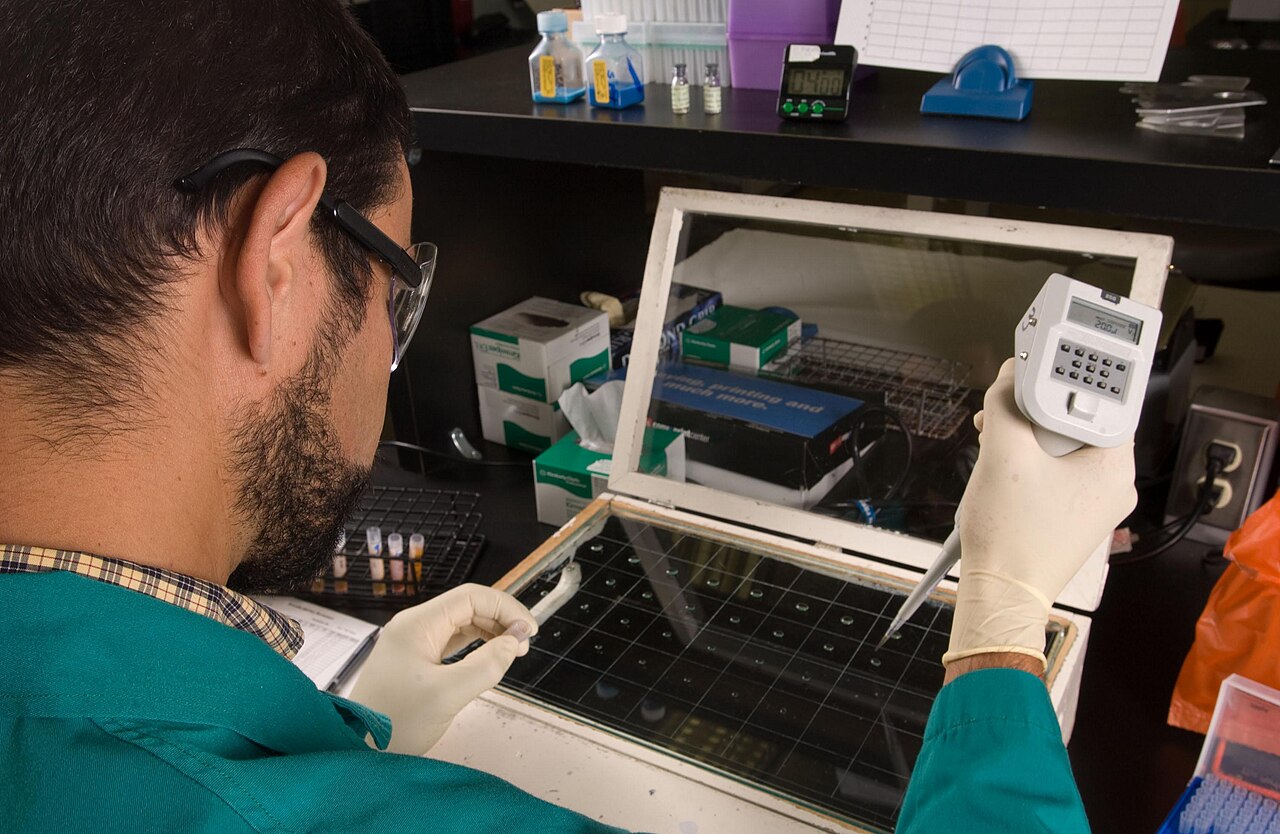
The farms in Narayanganj called their animals albino buffaloes. Albinism describes a lack of pigment rather than a breed, and the cause of a pale coat can differ from animal to animal. One cause has been studied closely. In a paper published in the journal Molecular Biology and Evolution in November 2020, Liang and colleagues reported that the white coat of the swamp buffalo is caused by a 2,809-base-pair LINE-1 insertion, a piece of mobile DNA, in the ASIP (agouti signalling protein) gene.
The researchers found that this insertion acts as a strong promoter and raises the activity of the ASIP gene in white buffalo skin about tenfold. The extra ASIP stops pigment cells (melanocytes) from maturing, so the skin and hair of these buffaloes carry no pigment. Their analysis indicated that the white-buffalo version of the gene arose from a recent genetic event in swamp buffalo, and they noted that a similar LINE-1 insertion has been found in the ASIP gene of cattle.
White and patterned buffaloes are prized in some places. The Toraja people of Sulawesi in Indonesia favour the tedong bonga, a piebald water buffalo with a black and white coat. Whether the Narayanganj animals carried the same mutation was not tested or reported; the reports described only how they looked.
The water buffalo in Bangladesh
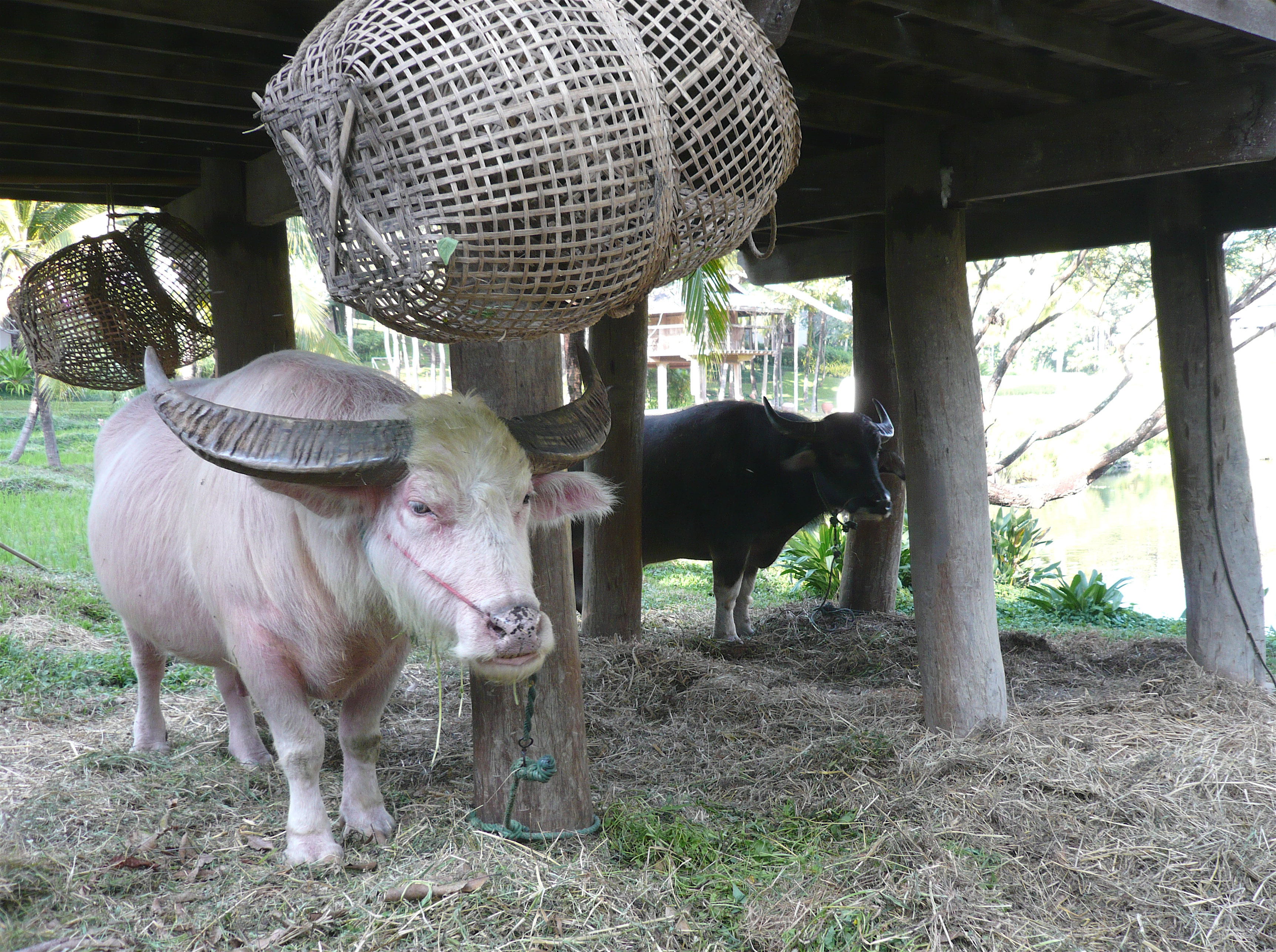
The domestic water buffalo, Bubalus bubalis, has two recognised types. The river buffalo belongs to the Indian subcontinent and countries further west, and the swamp buffalo runs from Assam through Southeast Asia to the Yangtze valley in China. The river type has 50 chromosomes and the swamp type 48. Adult water buffaloes usually weigh 300 to 550 kg, although animals of more than 1,000 kg have been recorded. Most reports give a gestation of 300 to 320 days; Banglapedia puts it at 10 months.
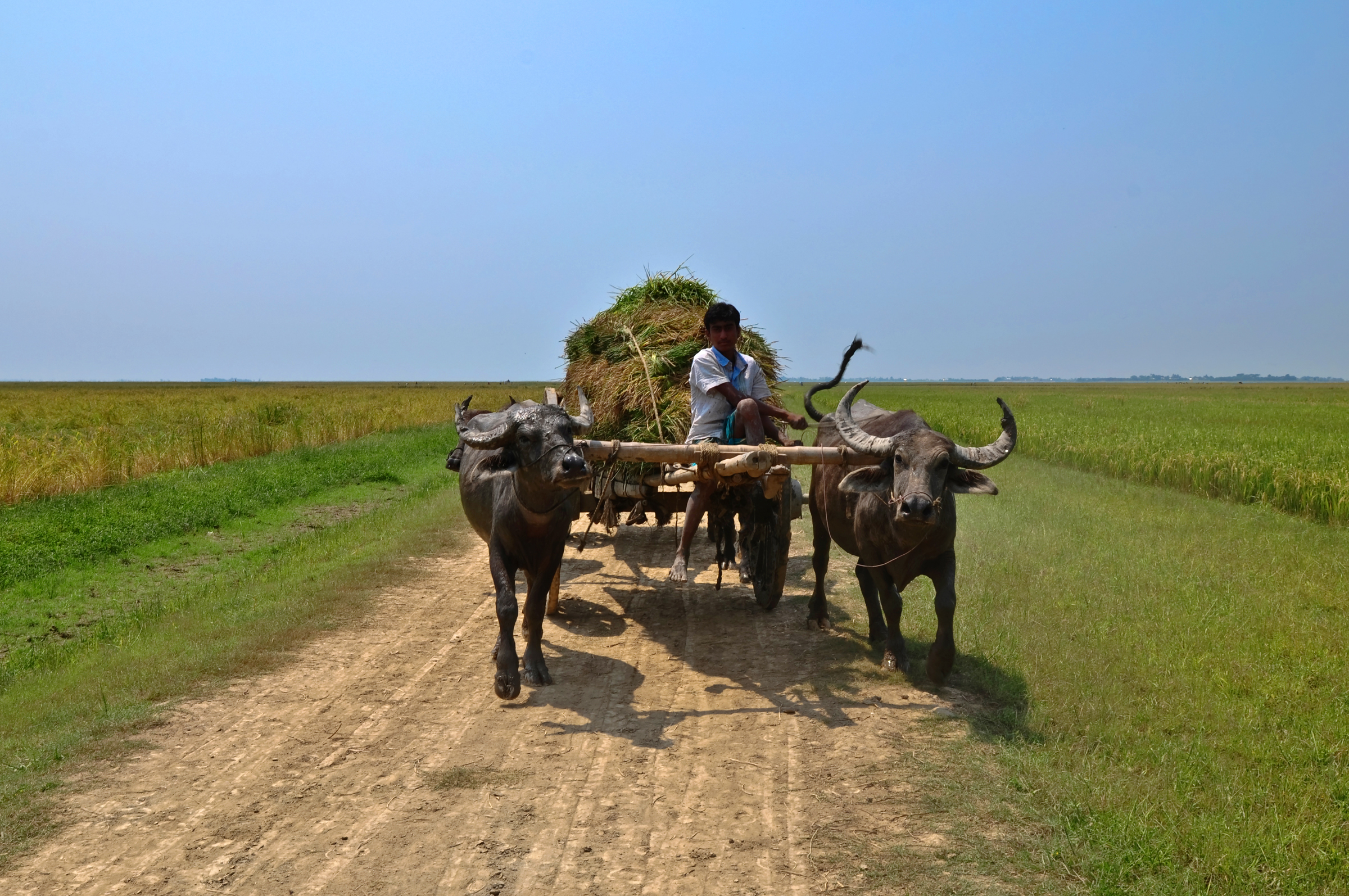
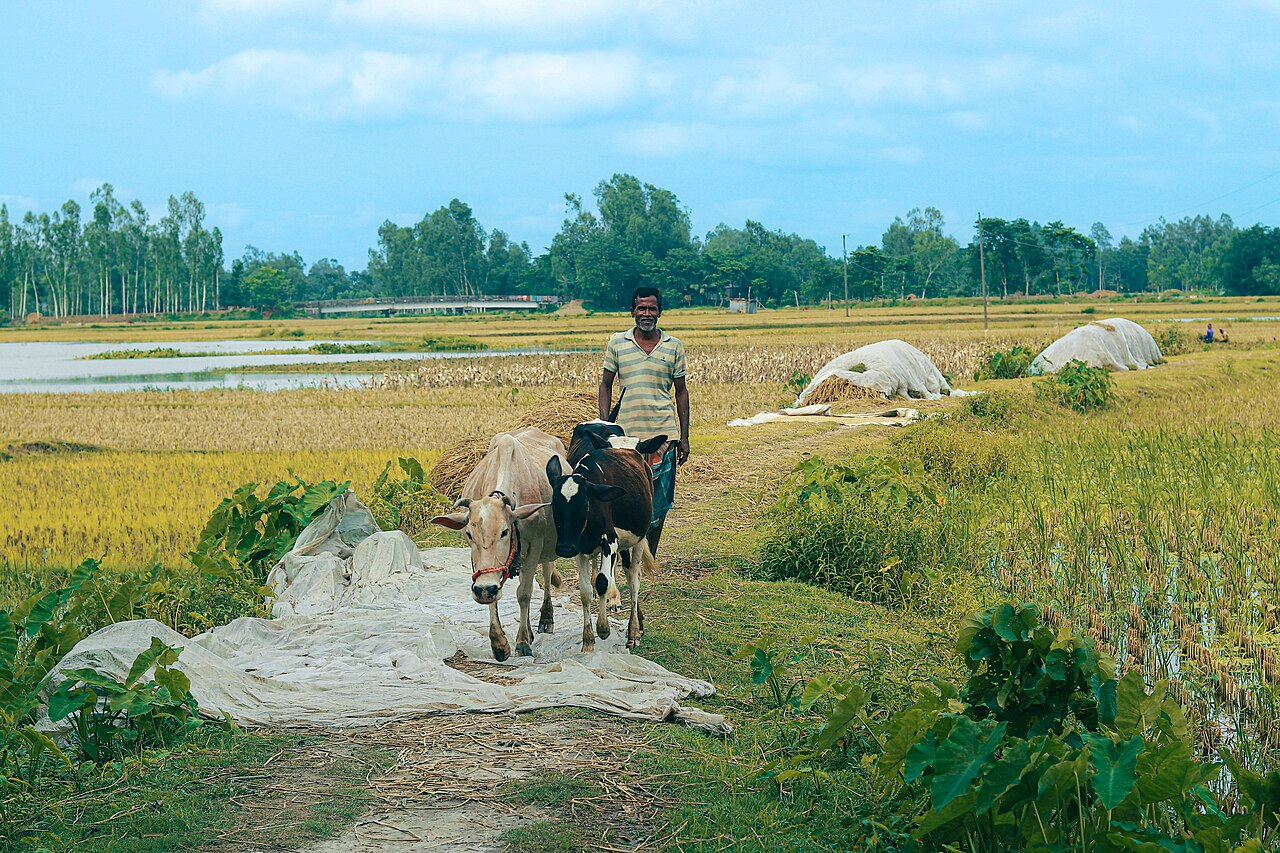
Banglapedia notes that Bangladesh has no important buffalo breed of its own. Buffaloes have long been kept as draught animals for ploughing and pulling carts, especially in Chittagong, Noakhali, Rajshahi, Rangpur, Dinajpur and Bogra. The encyclopedia names the shortage of green grass as the main limit on raising buffaloes in the country and says an individual animal needs at least 30 kg of grass a day.
According to the Department of Livestock Services (DLS), in its Livestock Economy at a Glance 2024-25, which draws on BBS figures, Bangladesh had 15.32 lakh buffaloes in 2024-25, up from 15.24 lakh in 2023-24 and 14.71 lakh in 2015-16. Buffaloes are a small share of the national herd: the same table counts 251.71 lakh cattle, 272.91 lakh goats and 39.81 lakh sheep in 2024-25.
The DLS table puts livestock's share of GDP at 1.81 per cent and its share of agricultural GDP at 16.54 per cent for 2024-25 (provisional), and puts direct employment in livestock at 20 per cent and partial employment at 50 per cent. It set the year's meat demand at 77.92 lakh tonnes, based on 120 grams per person per day, and estimated meat availability at 137.90 grams per person per day.
Buffaloes had also been on the policy agenda in the two years before this story. At the opening of the 11th Asian Buffalo Congress in Savar in October 2024, fisheries and livestock adviser Farida Akhter called for more buffalo production to meet protein demand through meat and milk, and mentioned the buffalo milk curd made from thousands of buffaloes in Bhola, New Age reported. At a national workshop on grazing land for buffaloes in coastal areas, held in Barishal in August 2025, she said the loss of grazing fields to unplanned development was putting buffalo resources at risk, and speakers said shrinking grazing land and rising feed costs were reducing buffalo and other livestock numbers.
Feeding animals for the Qurbani market
The feeding the Narayanganj farms described matched what farmers elsewhere told reporters that spring. Rasel said the Bandar buffaloes liked grass, maize and bran; Rabeya Agro Farm said its buffalo ate grass mixed with 12 kinds of feed, maize and bran.
In Rajshahi division, New Age reported on 26 April 2026, farmers preparing animals for Eid said they used natural feed including straw, green grass, maize, oil cake and bran, and avoided steroids and harmful chemicals. Commercial farms there were fattening cattle such as Sahiwal, Sindhi, Red Chittagong, Pabna and Mir Kadim for sacrifice. The farmers also said rising feed prices had raised their costs and might push the prices of sacrificial animals higher that season.
According to the DLS figures in the same New Age report, about 43 lakh sacrificial animals had been prepared in Rajshahi division against a local demand of about 26 lakh, and nearly 17 lakh were expected to be sent to other parts of the country, particularly Dhaka, Chattogram and Sylhet. Rajshahi is also where the Paikpara 'Donald Trump' had been bought a year earlier.
The national picture before Eid-ul-Azha 2026
At a press conference on 3 May 2026, fisheries and livestock minister Mohammad Aminur Rashid said about 1.23 crore sacrificial animals were ready for the coming Eid-ul-Azha against an estimated demand of 1.01 crore, leaving more than 22.27 lakh surplus, New Age reported. Of the animals available, about 57 lakh were cattle and buffaloes and 66 lakh goats and sheep, with a small number of other species.
The minister said more than 3,600 cattle markets would be set up across the country, 27 of them in Dhaka city (16 in Dhaka North City Corporation areas and 11 in Dhaka South). He said cattle markets in border areas would be closed under a policy decision to protect local farmers from the illegal entry of foreign animals, that online sales of sacrificial animals would carry no tax or market fee, and that professional and non-professional butchers had been trained to prevent damage to hides.
On 7 May 2026 the cabinet approved a seven-day public holiday for Eid-ul-Azha from 25 to 31 May. On 13 May, the day before the Narayanganj story, New Age reported that Eid was likely to be celebrated in Bangladesh on 28 May, subject to the sighting of the moon.
The same day the government fixed the prices of salted rawhide. In Dhaka, salted cowhide was set at Tk 62 to Tk 67 per square foot, up from Tk 60 to Tk 65 a year earlier; outside Dhaka it was Tk 57 to Tk 62, against Tk 55 to Tk 60. Salted khasi goat hide was set at Tk 22 to Tk 25 and bokri goat hide at Tk 25 to Tk 30 per square foot. Commerce minister Khandaker Abdul Muktadir said the government would supply salt worth Tk 176 million free of cost for preserving hides, and that around one crore animals are sacrificed in the country every year at Eid-ul-Azha.
The previous year gives a measure of the scale. The DLS said 91,36,734 animals were sacrificed at Eid-ul-Azha in 2025: 47,05,106 cattle, 44,30,668 goats and sheep and 960 others. Dhaka division, which includes Narayanganj, accounted for 21,85,040 of them, second only to Rajshahi division. The department said 33,10,603 sacrificial animals had gone unsold in 2025 because production was high. It based its count on stratified random sampling, taking samples of at least one per cent from three villages (small, medium and large) in each upazila.
What Qurbani asks of an animal
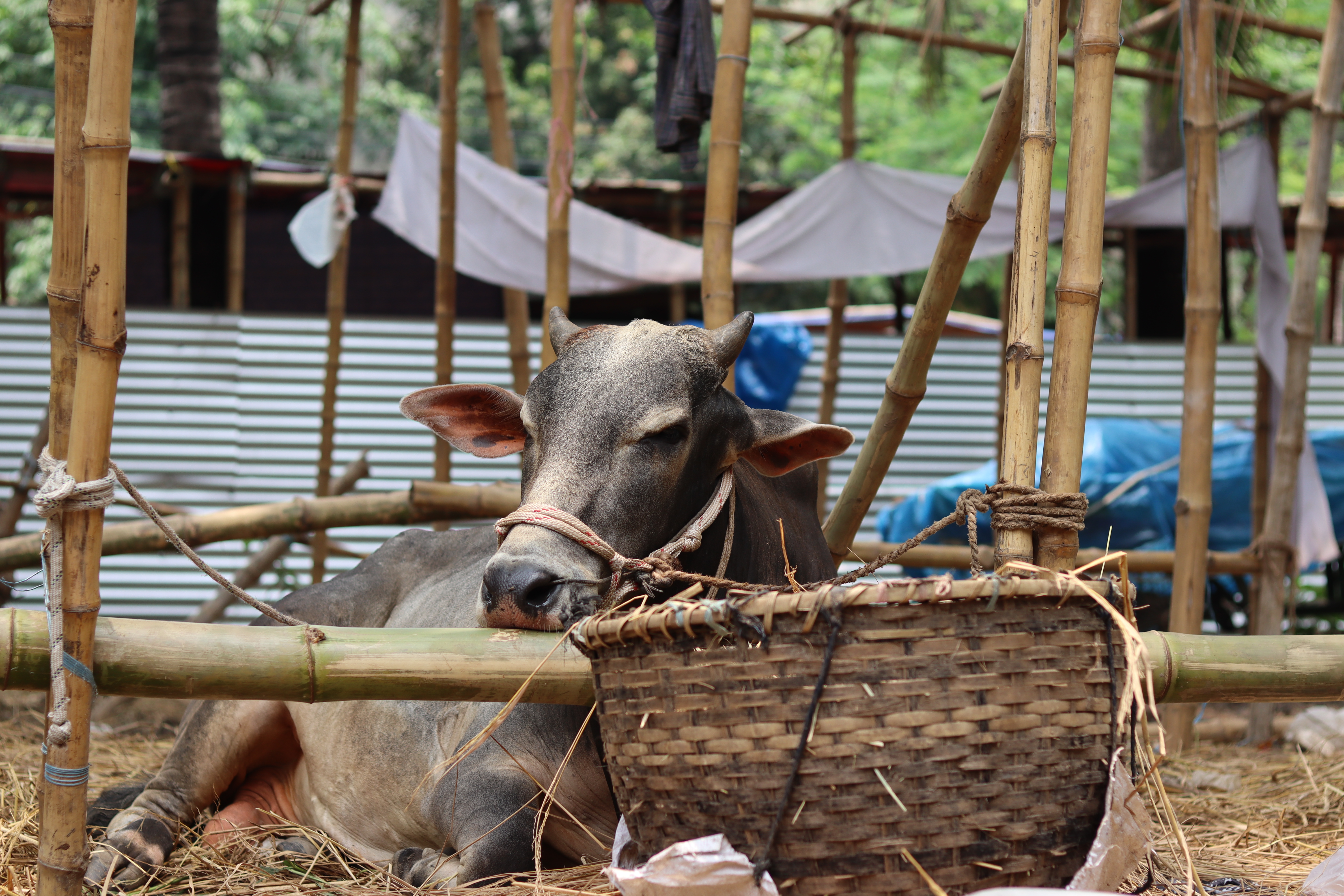
Eid-ul-Azha, known in Bangladesh as Kurbanir Eid, commemorates the sacrifice of Hazrat Ibrahim (A). Banglapedia explains that it is observed on the 10th of Dhul Hijjah, and that the sacrifice may be offered after the Eid prayer and on the following days. A camel, cow or buffalo can be sacrificed on behalf of seven persons, while a sheep or a goat counts for one person only. Cows, goats and buffaloes are the animals usually sacrificed in Bangladesh.
The animal must be of a set age and free of certain defects: it should not be blind, and should not have broken legs or horns or ears cut off in part or in full. Banglapedia describes the custom of dividing the meat into three parts, one kept by the owner, one given to relatives and one given to the poor. Selling the hide, meat, fat or bones for one's own use is not allowed; the hide or the money from it is to go to the poor, or to poor students of madrasas and orphanages.
The festival also matters to industry. Banglapedia's entry on the leather industry says about 40 per cent of the country's supply of hides and skins comes from animals slaughtered during Eid-ul-Azha, which is why the government fixes rawhide prices and arranges salt before each Eid.
Bandar, Narayanganj and the Shitalakshya
Narayanganj district, in Dhaka division, covers 684.37 square kilometres and has five upazilas, Araihazar, Narayanganj Sadar, Bandar, Rupganj and Sonargaon. Its main rivers are the Shitalakshya, Meghna, Old Brahmaputra, Buriganga, Balu and Dhaleshwari. Narayanganj sub-division was formed in 1882 and became a district in 1984, and Narayanganj City Corporation was established on 5 May 2011.
Bandar, where SS Cattle Agro Farm stands, is the smallest upazila of the district at 54.39 square kilometres. It is bounded by Sonargaon upazila on the north and east, Munshiganj Sadar upazila on the south, and Narayanganj Sadar upazila and the Shitalakshya river on the west. Bandar thana was formed in 1964 and became an upazila in 1993; it has five unions, Kalagachhia, Dhamgar, Bandar, Madanpur and Musapur, and the former Kadam Rasul municipality of Bandar forms wards 19 to 27 of the city corporation.
Banglapedia lists potato, paddy, jute, mustard and wheat as Bandar's main crops and records 123 dairies and 141 poultry farms in the upazila. Its markets include the Sonakanda, Langalbanda and Madanpur haats. The upazila is also known for old monuments, among them the Bandar Shahi Mosque of 1481, the Baba Saleh Mosque and Tomb of 1504 and Sonakanda Fort.
The Shitalakshya, which runs along Bandar's western edge and flows east of Narayanganj town, is about 110 km long and about 300 metres wide near Narayanganj. It is navigable all year, and the important river port of Narayanganj stands on its bank, along with heavy industries such as the Adamjee Jute Mills.
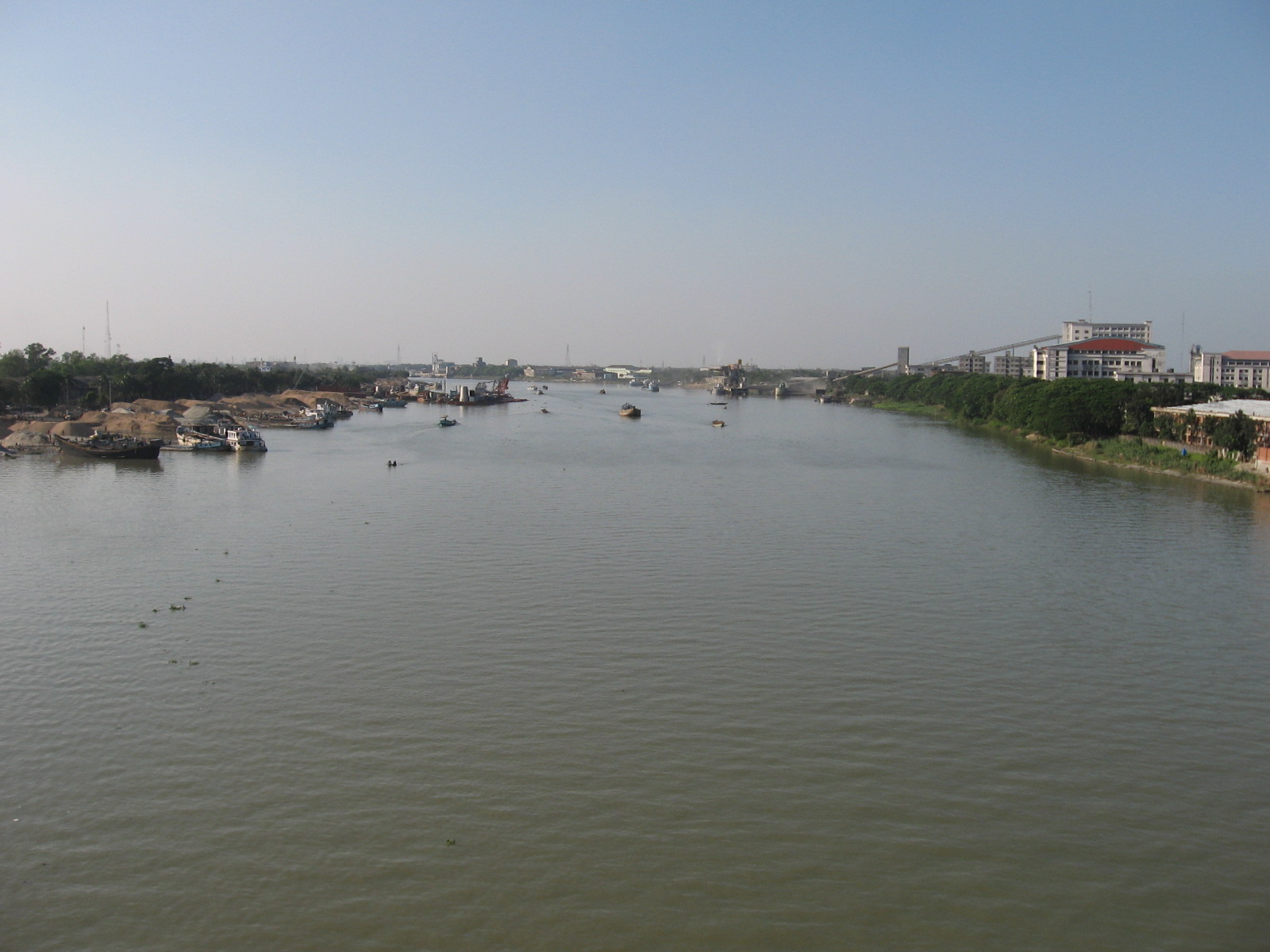
Photo: Jrintanen / Wikimedia Commons (CC BY-SA 3.0)
Sources: Jagonews24 (14 May 2026 and 12 May 2026), New Age (3, 8 and 13 May 2026, 26 April 2026, 11 June 2025, 25 August 2025 and 26 October 2024), Department of Livestock Services, Livestock Economy at a Glance 2024-25, Banglapedia, Molecular Biology and Evolution (Liang et al., 2020), Wikipedia (Water buffalo)
Comments
(0)