
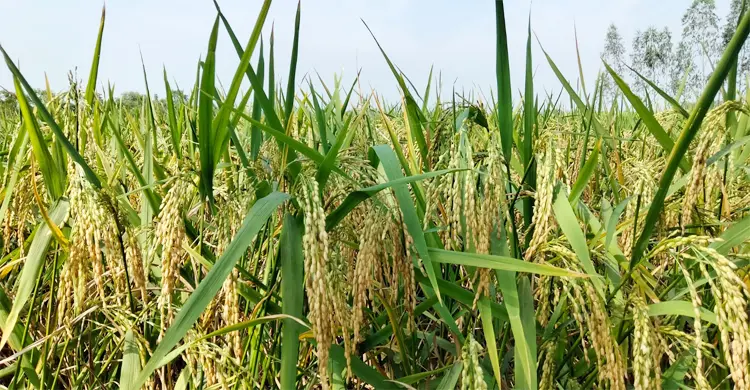
Today is the auspicious moment for bringing the new paddy home, because today is the first of Agrahayan. Many call it the month of "Aghon". In rural Bengal, grandmothers call it Aghon month or the month of harvesting paddy. A festival is held, and the Nabanna festival is woven into Bengali culture.
The dictionary meaning of Agrahayan is the time of year when the best paddy is produced. Because plenty of aman paddy is produced this month, the Nabanna festival begins in it. Although in some places harvesting starts a few days earlier or later, people celebrate Nabanna in Agrahayan. Nabanna means new rice: bringing home the new grain by harvesting aman paddy is called Nabanna.
A festival of the first cooking
It is Bangladesh's traditional harvest festival, the festival of preparing rice from aman paddy harvested in Agrahayan and cooking it for the first time. Many prepare the rice by the second day of Agrahayan. In village after village, the rice is cooked into payesh with molasses or kheer, and relatives are invited to share each other's hospitality.
Rafiqul Islam, an elderly freedom fighter of Sonatala, recalled: "As a child, I never missed going to the mosque on the first Friday of Agrahayan, because at Nabanna many villagers gave kheer to the mosque. After prayers we would eat it off banana leaves in the mosque courtyard, licking our fingers clean. But that is not seen any more. With the passing of time it is being lost."
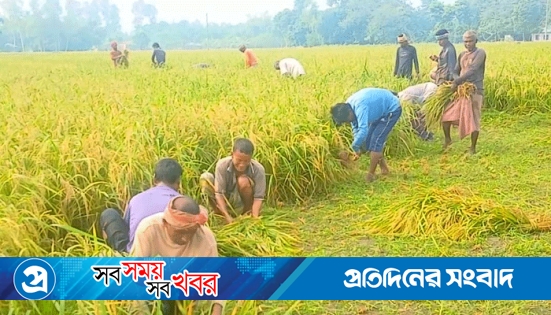
Shamim Reza said: "The young men of the village used to go to the fields in groups to cut aman paddy. We sang songs as we harvested. After harvesting, we sold the paddy and bought winter sweaters and clothes. Now that scene is not seen in the village at all."
Fading customs
In this month daughters and sons-in-law are invited, and daughters are brought to their parents' home as "naior". A festive mood sweeps through the villages, with folk dance, songs, lathi khela (stick fighting), Baul songs, merry-go-rounds, flutes, bangles, puffed rice and moa sold at village fairs. With the touch of modernity much of this is being lost, yet what is still celebrated bears witness to Bengali culture.
Source: Jagonews24. First published in Bengali on The Agro News.


Comments
(0)