
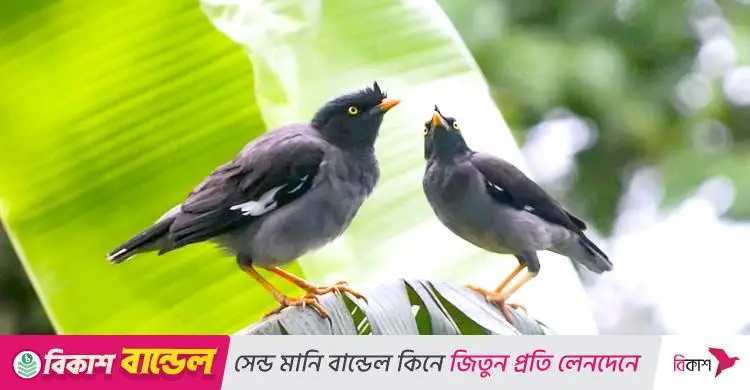
Under the fierce sun, the leaves of the rice field seem to blaze with a strange light. A light breeze passes, and the rustle of the leaves carries the story of a hidden life. Then comes a steady chirping, as if someone unseen is keeping watch. Suddenly it appears: a pair of sharp eyes, a yellow beak and sombre plumage. It is the myna, the mysterious bird of the paddy fields.
The myna is not just a bird but an invisible guardian of the rice field. It flies over the field and looks all around before landing. Stem borers hiding among the leaves, caterpillars that suck the rice, grasshoppers and locusts are all on its menu. At a time when farmers rely more and more on pesticides, natural friends such as the myna work silently from field to field.
A farmer's friend
Mynas arrive in flocks and leave in flocks. At different times of day they sit at one edge of the field, or perch on top of the rice ears. Farmers say: "Where there are mynas, insects cannot do much damage." That is why many consider the bird the farmer's true friend. Their presence is useful and it also brings the fields to life.
The myna does not only eat insects in the field; it is a warrior that keeps nature in balance. From the soil to the trees, it spots harmful pests and catches in its beak the insects that quietly damage crops.
Though it moves about less in the dust of the cities, the myna is still active in the fields of rural Bengal. Mynas sit on branches, drop into the fields and suddenly fly off into the open sky. Small children are delighted to see them; some clap, some throw stones. Still the myna returns, patiently and with quiet affection.
When the afternoon sun softens, a flock of mynas flies over the paddy. The sound of their wings and the rhythm of their calls seem to wake the surroundings. A farmer sitting beside the field feels a little more at ease; perhaps he says the natural guards have arrived to watch over his crop.
Many think of the myna as an ordinary bird. But it is more than that: a silent character in the story of Bengal's rice. Like a hero it claims no credit, yet day after day it plays its part. Crops often survive on its wings, and farmers smile because of it.
Numbers are falling
The myna teaches us how every life, however trivial it seems, becomes essential when it lives in harmony with nature. Sadly, this harmless bird is now under strain. Pollution, excessive pesticide use, urbanisation and the loss of trees are reducing its numbers day by day. The familiar flocks are no longer seen as they once were, and the chirping that used to fill the fields has largely faded.
Without mynas the effect is not confined to the bird world. The insects they eat multiply unchecked and attack crops. Stem borers at the base of the rice plant, and caterpillars and gall-forming insects that suck sap from the leaves, spread easily. Yields fall, and farmers and the country's food production face a crisis. The absence of each bird leaves an invisible gap in the whole food chain, and it is people who pay the price.
Yet as long as rice grows in the fields and insects hide among the leaves, the myna will be needed. Saving it is up to us. Loving nature does not only mean planting trees; it also means creating safe shelter for those who silently keep nature in balance.
Source: Jagonews24. First published in Bengali on The Agro News.

Comments
(0)