
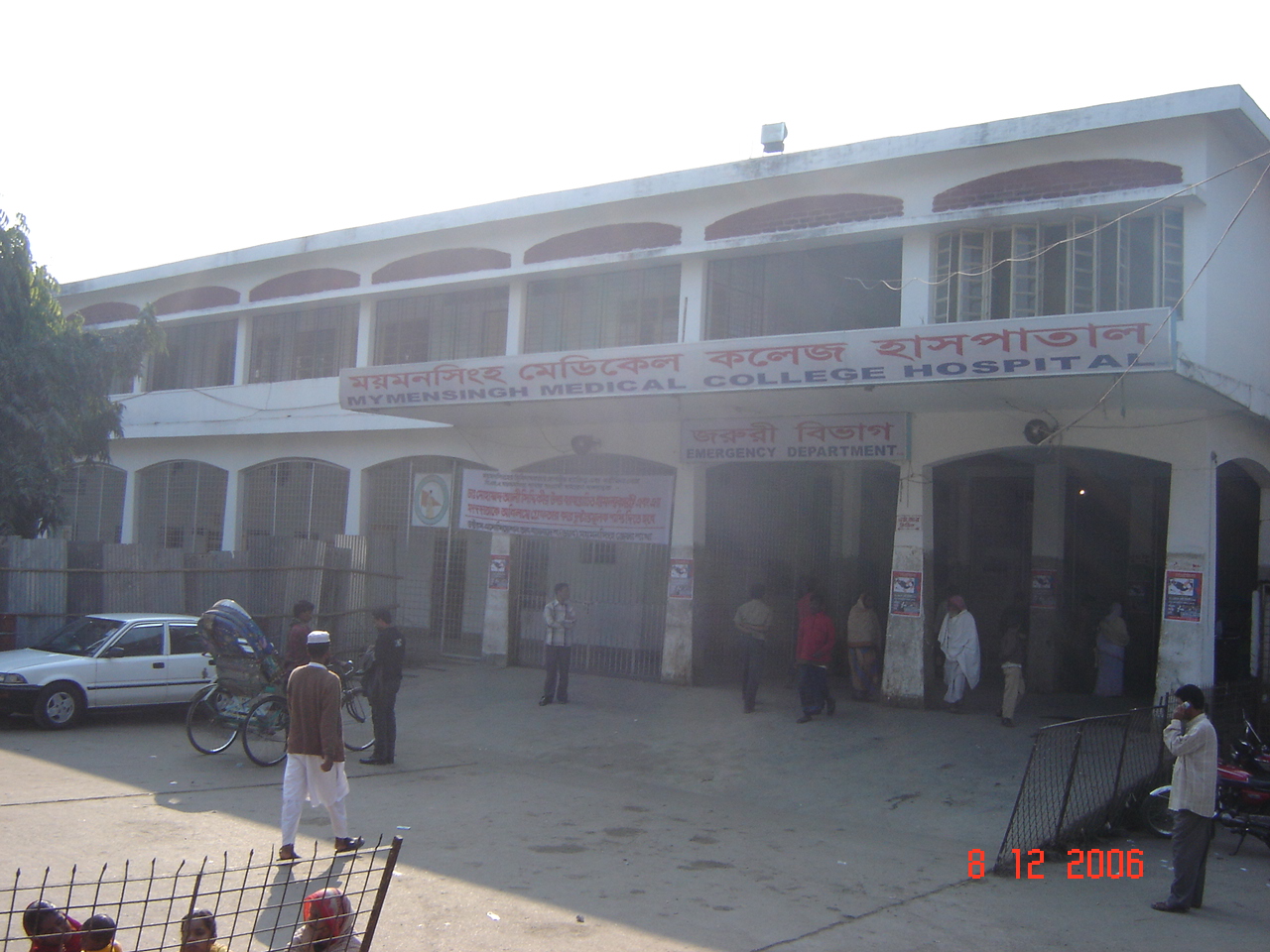
A photograph of a cow walking inside Mymensingh Medical College Hospital (MMCH), the main teaching and referral hospital for Mymensingh and the surrounding region, spread widely on social media in mid-May 2026 and drew sharp criticism of the hospital's security. The picture, first posted in a local Facebook group on the night of Friday 15 May 2026, showed the animal in a corridor on the third floor, in front of the paediatric surgery department. A hospital official told reporters that the authorities had noticed the matter and that action would be taken against those responsible for letting the animal in.
The incident was reported by Prothom Alo on 16 May and by Jagonews24 on 17 May 2026. Neither report said that any patient or visitor was hurt, and neither identified the owner of the cow.
What the photograph showed
According to both reports, the picture showed a large black-and-white cow walking along a verandah corridor inside the hospital. Prothom Alo reported that the cow was standing in front of a signboard pointing the way to the paediatric surgery department on the third floor. A trolley used to carry patients stood to one side, and a group of patients and their attendants could be seen in front of the animal.
The person who posted the photograph wrote that cows were moving about the paediatric surgery department inside the hospital and asked whether there was anyone to look into it. The post drew the attention of the hospital director and asked him to check the closed-circuit camera footage for around 10 pm on 15 May. Jagonews24 reported that the picture went viral and set off a storm of criticism.
A comment under the post, quoted by both newspapers, claimed that the cow normally wandered freely around a rubbish heap on the west side of the medical college, eating whatever it found there, and that it was regularly seen near the college gate and beside the main road. The comment argued that the owner of the cow, rather than the hospital director, was to blame, and said that the owner should be identified and reported to the director. These were the claims of a social-media comment; neither report confirmed them independently.
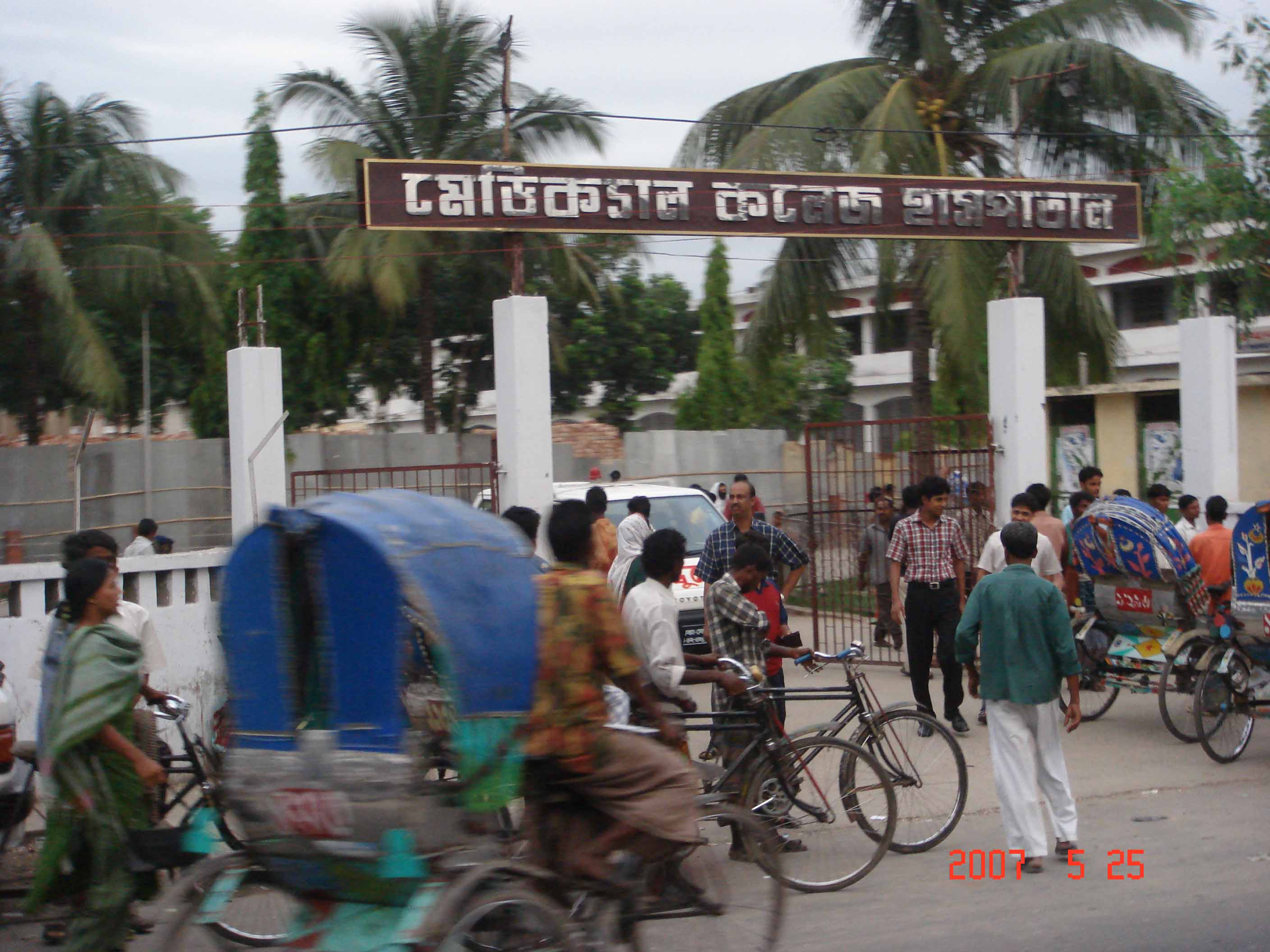
The hospital's response and a citizens' group's view
Jhantu Sarkar, senior store officer of Mymensingh Medical College Hospital, spoke for the hospital. Jagonews24 quoted him as saying: "Dogs and cats run in, that's one thing. But a cow this big coming into the hospital and wandering around is unacceptable. We will look into why the security guards did not see it. Action will be taken against them once I am at the office."
In the version of his remarks carried by Prothom Alo, he pointed out that the hospital has its own security staff, asked why a cow should get inside at all and why the guards had not noticed it, and said that a step would be taken regarding them when he went to the office the next day. Prothom Alo summarised the hospital's position as a promise to take the necessary measures now that the matter had been brought to its notice.
Ali Yusuf, secretary of the Mymensingh city unit of Shushashoner Jonno Nagorik (SHUJAN, Citizens for Good Governance), told Prothom Alo that people had seen pictures of dogs roaming inside the hospital before, and that now they had seen a cow. "The hospital is the last place of hope for patients' treatment," he said. He argued that the hospital had to be kept safe from animals of every kind, that the government had appointed staff for that purpose, and that the situation was the result of mismanagement. He called for swift and appropriate action against those responsible.
SHUJAN is a Bangladeshi citizens' organisation founded in 2002 to campaign for good governance. It has its headquarters in Mohammadpur, Dhaka, and works through central, district, upazila and union committees. Badiul Alam Majumdar was its founding secretary. The organisation is best known for its work on elections, and it also takes up social issues.
A 1,000-bed hospital carrying three times its load
Mymensingh Medical College Hospital is the teaching hospital of Mymensingh Medical College. The institution traces its history to the Lytton Medical School, set up in Mymensingh in 1924 by the Earl of Lytton, then Governor of Bengal, to train doctors for the Licentiate of Medical Faculty. In 1962 the school was upgraded and renamed Mymensingh Medical College, began teaching the MBBS course with a first batch of 32 students and was affiliated with the University of Dhaka. In 1972 the college and its hospital moved from Baghmara to the present campus at Charpara, on the eastern side of the city beside the Dhaka-Mymensingh highway. The campus covers about 84 acres. The college also teaches dentistry (BDS), a course it started in 2011, and publishes the Mymensingh Medical Journal.
The hospital has 1,000 beds, but it has long treated far more patients than that. Bonik Barta, reporting in January 2025 from the Directorate General of Health Services (DGHS) Health Bulletin 2023, said the hospital's bed occupancy rate in 2023 was 326.5 per cent, meaning that on an average day it held about three and a quarter times as many in-patients as it had beds. In 2023 its outpatient department treated 1,152,594 patients, its emergency department saw 69,590 and 313,581 patients were admitted.
Hospital officials told Bonik Barta that around 9,000 patients came to the hospital every day, about 4,500 of them in the in-patient wards and about 5,000 in the outpatient department. The hospital had 425 sanctioned posts for doctors, more than a hundred of them vacant. Patients lay on beds placed on the floor, in corridors and on staircases; the paediatric and medicine wards had barely any room to move; and the neonatal intensive care unit, with 70 beds, admitted six to seven babies per bed. The assistant director for finance and stores, Dr Ali Reza Siddiquee, said the hospital had been the first medical college hospital in the country to introduce a round-the-clock One-Stop Service for accident and emergency patients from the highway, in 2017.
The same report set the hospital in its regional context. DGHS data showed that Mymensingh Division had 1,651 beds in primary health-care centres, the lowest of the country's eight divisions, the fewest beds in secondary hospitals at 770, and the second-lowest number in tertiary hospitals at 2,000. Doctors said that because the surrounding districts lacked good hospitals, patients from those districts kept coming to MMCH.
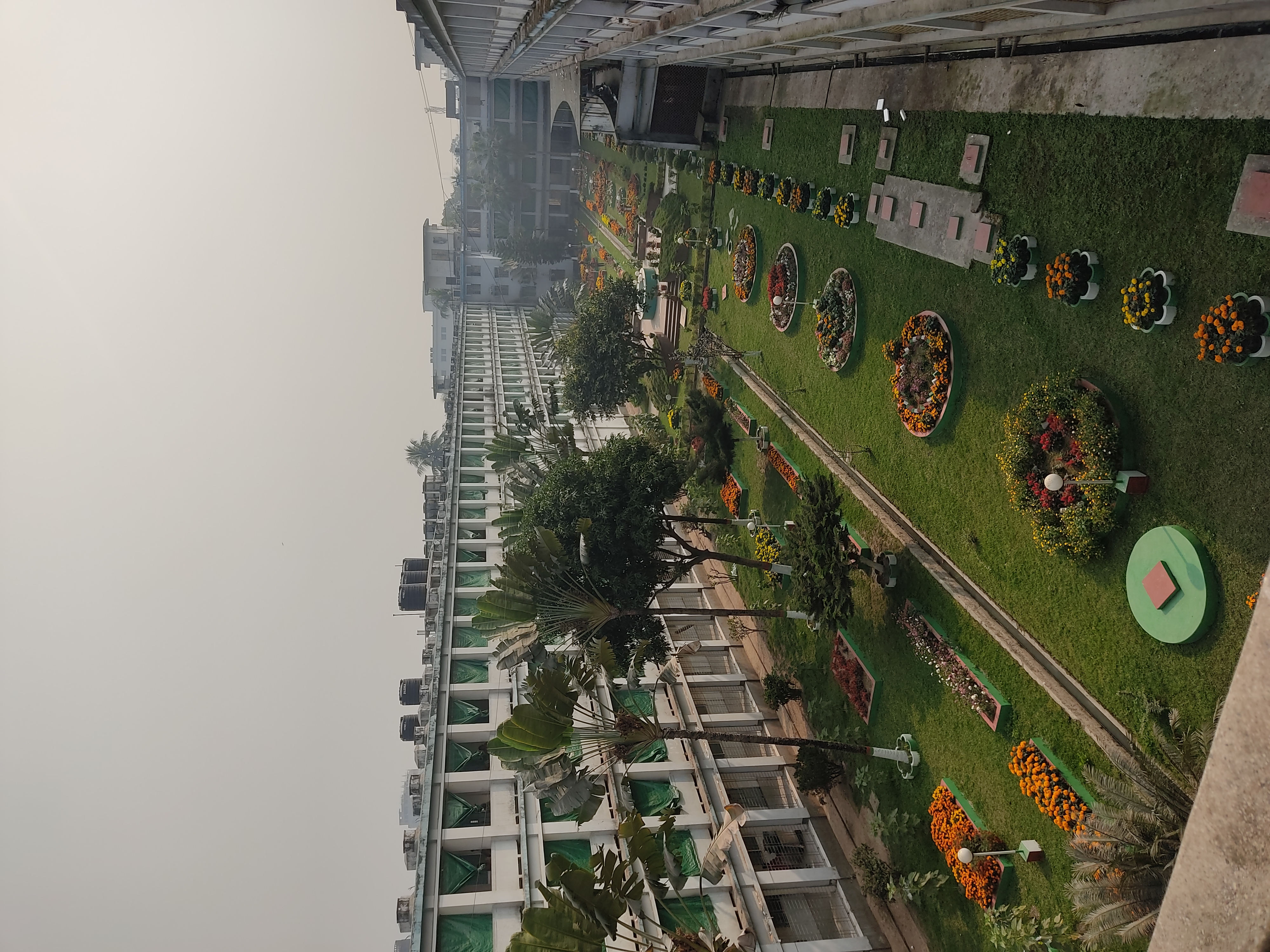
Earlier complaints about the wards
The cow photograph was not the first time conditions inside the hospital had made news. On 19 September 2024, relatives of babies admitted to the neonatal ward blocked the Dhaka-Mymensingh highway at Charpara, beside the college gate, in protest at bed bugs in the beds of the Sheikh Russel SCANU (NICU) ward, bdnews24.com and Jugantor reported. The relatives alleged that the infestation had grown, that babies were being bitten and that the authorities had done nothing despite repeated complaints. The deputy director, Dr Zakiul Islam, said the 50-bed neonatal ward held 150 to 200 patients on average, that it was impossible to replace all the beds at once, and that five to seven beds were being replaced every day to rid the ward of the insects. The protesters withdrew after an assurance from the hospital director.
In the weeks before the cow photograph, the hospital's children's wards were also under strain from a measles outbreak. Desh Rupantor reported on 1 April 2026 that 143 children had been admitted with measles symptoms since 17 March, five of whom had died, and that the hospital had opened a separate 64-bed isolation ward in the cabin area on its eighth floor on 30 March. Mymensingh's acting civil surgeon, Faisal Ahmed, said that about 80 per cent of the affected children were under nine months old, too young to have been vaccinated. On 5 May 2026, bdnews24.com reported hospital data showing that 1,088 children had been admitted with measles symptoms between 17 March and that morning, of whom 984 had recovered and gone home, and that 79 remained under treatment. The hospital director said that extra patients were being placed on the floor of the 64-bed isolation ward because of overcrowding.
It was against this background, of crowded wards full of sick children and newborns, that the picture of a cow on the third floor outside the paediatric surgery department drew such strong reactions.
Why hospitals keep animals out of patient areas
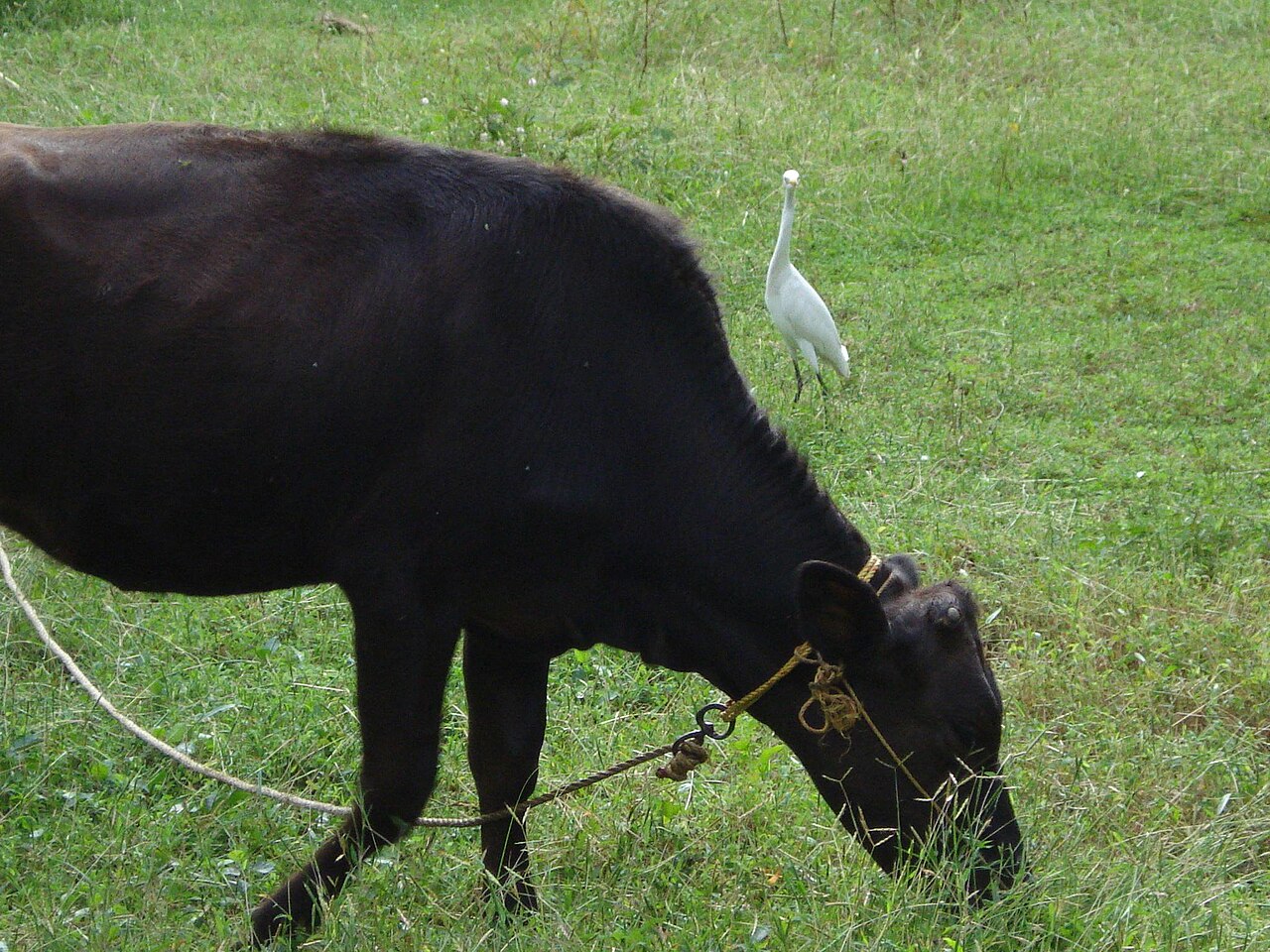
Health authorities treat animals in hospitals mainly as a question of infection control. The World Health Organization (WHO) defines a zoonosis as an infectious disease that has jumped from a non-human animal to humans. In its fact sheet on zoonoses, WHO says such pathogens may be bacterial, viral or parasitic and can spread to people through direct contact or through food, water or the environment, and that they are a major public health problem because of people's close relationship with animals in farming, as companions and in nature.
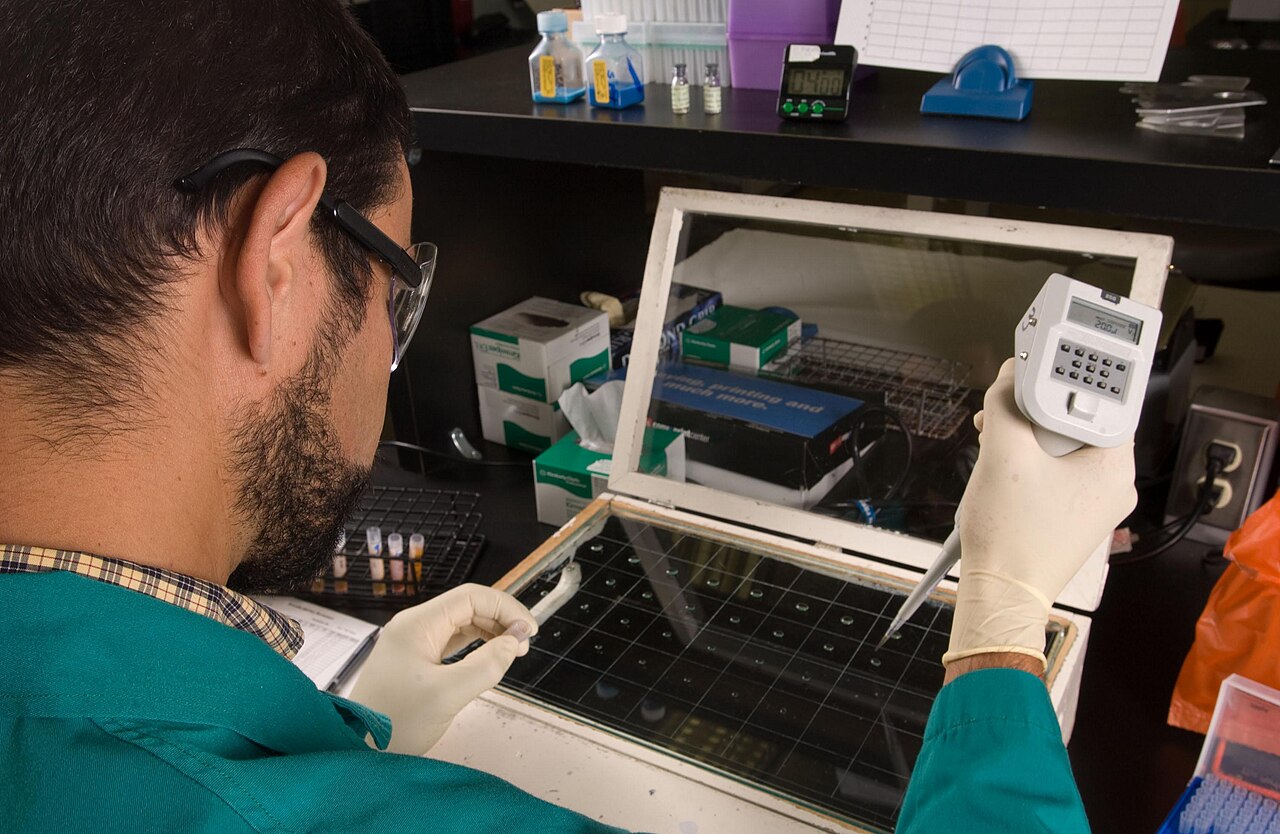
The United States Centers for Disease Control and Prevention (CDC) addresses the subject directly in its Guidelines for Environmental Infection Control in Health-Care Facilities, published in 2003 and last updated in July 2019. The guidelines say that animals in health-care facilities can serve as sources of zoonotic pathogens that could potentially infect patients and health-care workers, and can act as reservoirs for antibiotic-resistant micro-organisms that may be introduced into the hospital while the animal is present. They list the routes by which zoonoses pass from animals to people: bites, scratches, aerosols, ectoparasites, accidental ingestion, and contact with contaminated soil, food, water or unpasteurised milk.
The CDC guidelines deal mainly with animals that are deliberately brought into hospitals, such as service animals, therapy animals and research animals, and they note that formal studies of the risk of zoonoses in health-care settings outside laboratories are lacking. Their advice on pests is more general: from a public health and hygiene point of view, pests should be removed from all indoor environments, including health-care facilities, and modern pest management focuses on eliminating the food sources and conditions that attract them and on keeping them out of the building. The guidelines single out operating theatres and areas holding patients with weakened immunity as the places where such intrusion matters most.
Neither newspaper report said that the cow had caused harm or spread any disease. Their concern, and that of the hospital official and the SHUJAN representative, was that a large animal had been able to pass the hospital's security and reach a ward area full of patients.
What the law says about straying cattle
Bangladesh has old and new laws that apply to cattle left to roam. The Cattle-trespass Act, 1871 (Act No. I of 1871), still in force, defines "cattle" broadly to include elephants, camels, buffaloes, horses, ponies, mules, asses, pigs, sheep and goats. Under section 11, persons in charge of public roads, pleasure-grounds, plantations, canals, drainage works and embankments, as well as police officers, may seize any cattle found damaging or straying on them and must send the animals to the nearest pound within 24 hours. Under section 12, the pound-keeper levies a fine for every head of cattle impounded, on a scale prescribed by the government in the official Gazette, and the fines go to the District Magistrate.
In cities, the Local Government (City Corporation) Act, 2009 gives the city corporations, Mymensingh among them, matching powers. The functions set out in the act's schedule allow a corporation, by regulation, to seize animals wandering untethered on roads, in places used by the public or on cultivated land and to keep them in a pound; to set up pounds for cattle and charge fines and fees for impounded animals; and to forbid tethering animals on roads or places it has closed for the purpose. The schedule also requires a licence from the corporation to keep milch cattle in the city for selling milk, and lists among the subjects for by-laws the seizure and impounding of straying animals and the registration of cattle sales.
The Animal Welfare Act, 2019 (Act No. 12 of 2019), which took effect on 10 July 2019 and replaced the Cruelty to Animals Act, 1920, sets out the owner's side. Section 4 makes it the duty of every owner or keeper of an animal to treat it in a caring and humane way and not to be cruel to it without reasonable cause. Section 7 forbids killing or removing an ownerless animal except for the reasons the act allows. Together, these laws mean that the person who owns a cow is responsible for its care, while municipal and police authorities have powers to impound a cow found straying in public places.
Cattle in Bangladesh and around Mymensingh
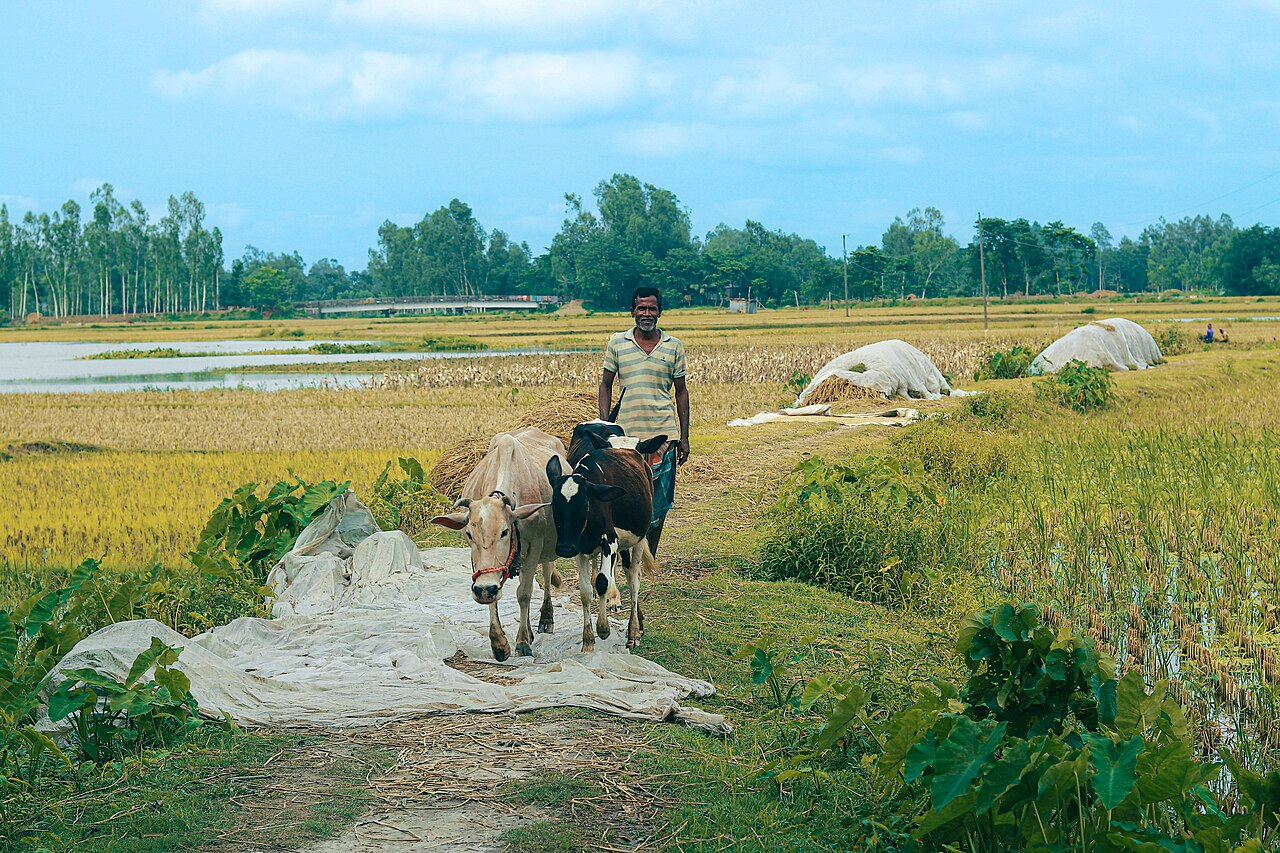
Bangladesh keeps cattle on a large scale. The Department of Livestock Services (DLS), in its Livestock Economy at a Glance 2024-2025, put the country's cattle population at 251.71 lakh (about 25.2 million) head in 2024-25, up from 237.85 lakh in 2015-16, alongside 15.32 lakh buffaloes, 39.81 lakh sheep and 272.91 lakh goats. The same publication put milk production in 2024-25 at 155.38 lakh tonnes against a demand of 162.33 lakh tonnes, based on 250 ml per person per day. Livestock contributed 1.81 per cent of gross domestic product at constant prices and 16.54 per cent of agricultural GDP, according to the DLS.
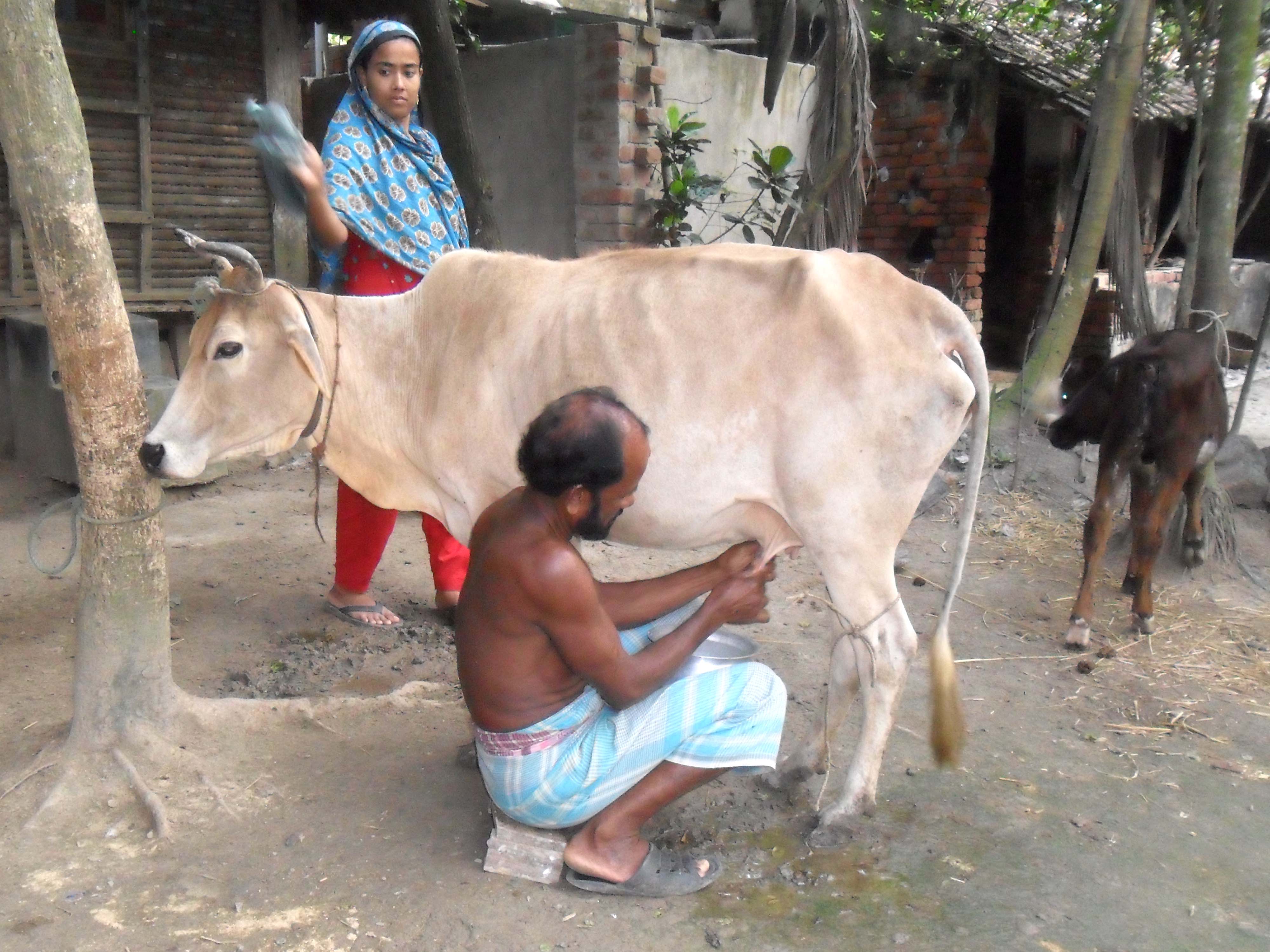
Mymensingh district, of which the city is the headquarters, is largely agricultural. Banglapedia, drawing on the 2011 census, gives the district an area of 4,080.18 square kilometres and a population of 4,812,052, with agriculture the main source of income for 64.14 per cent of households. The district was formed in 1787; its main rivers are the Old Brahmaputra, Bhogai, Bajua and Kangsa. It is also home to national farming institutions: Bangladesh Agricultural University, founded in 1960, the Bangladesh Institute of Nuclear Agriculture and the Bangladesh Fisheries Research Institute.
The city around the hospital
Mymensingh city stands on the bank of the Old Brahmaputra, about 120 kilometres north of Dhaka, and is the capital of Mymensingh Division, one of the eight divisions of Bangladesh. According to the 2022 census, the city corporation area had 135,495 households and a population of about 577,000. The river marks the northern edge of the city, and its other edges are marked by the Bangladesh Agricultural University campus, the Mymensingh Medical College, an army cantonment and Sultanabad.
As the main referral hospital for the division, MMCH draws patients from well beyond the city. The reports cited here mention patients from Haluaghat upazila of Mymensingh and from Madhupur in Tangail, and the hospital's own doctors told Bonik Barta that the shortage of good hospitals in the surrounding districts kept sending patients to Charpara.

Photo: Hermitage17 / Wikimedia Commons (public domain)
Sources: Jagonews24, Prothom Alo, Bonik Barta (DGHS Health Bulletin 2023), bdnews24.com, Jugantor, Desh Rupantor, World Health Organization, U.S. Centers for Disease Control and Prevention, Bangladesh Laws (Legislative and Parliamentary Affairs Division), Department of Livestock Services, Banglapedia, Wikipedia
Comments
(0)