
Many of us cannot get through a single day without tea; from waking up in the morning until going to bed at night, many drink seven or eight cups, and some even more. Most of the time we drink red tea, milk tea or masala tea, or green tea if we are health-conscious, and a cup can easily be had for Tk 5–10. But would you believe there are teas whose single cup costs as much as a house or a car?
Tea's history goes back thousands of years. Starting in China and spreading through India, Sri Lanka and Japan, it is today one of the most popular drinks in the world. But many people do not know that not all tea is ordinarily priced. Some rare, luxurious and historic teas cost more than gold.
Why are these teas so expensive? According to experts there are several reasons: rarity of production, historical and cultural importance, special processing, limited supply, brand value and luxury marketing all push the price up.
Tea is an everyday drink for ordinary people, but in some cases it has become a symbol of luxury. The world's most expensive teas are not just drinks but a unique blend of history, culture and luxury. Just as a cup of tea is a symbol of comfort for ordinary people, some teas are status symbols for the world's elite. For tea lovers these rare drinks may be a dream, but they remind us how varied and astonishing the world of tea can be. On International Tea Day, here are the world's five most expensive teas.
Da Hong Pao
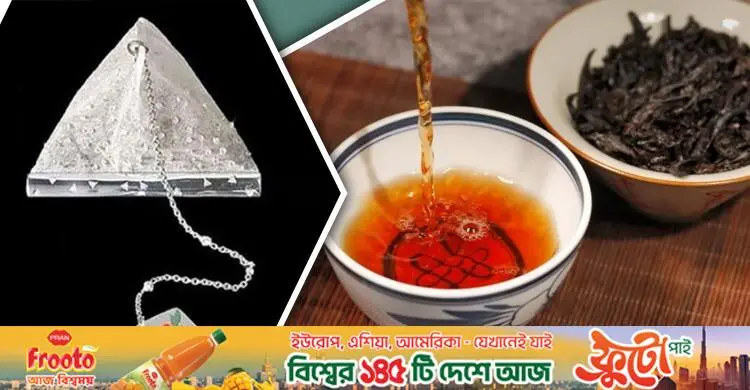
Da Hong Pao, grown in the Wuyi Mountains of China's Fujian province, tops the list of the world's most expensive teas. It is essentially a rock tea, grown in rocky soil. According to a historical legend, the sick mother of a Ming dynasty emperor recovered after drinking this tea, and in gratitude the emperor covered the tea bushes with red cloth, hence the name Da Hong Pao, or Big Red Robe. The tea can cost up to several hundred thousand dollars per kg. Its rarity and history are what set its price.
PG Tips Diamond Tea Bag
Proof that tea is a symbol of luxury is the PG Tips Diamond Tea Bag. For its 75th anniversary the British brand PG Tips made a diamond-studded tea bag, named the Diamond Tea Bag, containing real diamonds and premium tea leaves. It cost about $15,000. It was not made for commercial sale but as a luxury marketing stunt for the brand; here luxury and display mattered more than the tea.
Panda dung tea
This tea is found in China, the birthplace of tea. Panda dung tea is an unusual tea from China's Sichuan province. Surprisingly, as the name suggests, it is made using the waste of the bamboo that pandas eat. Only 30 per cent of what a panda eats is digested, and the rest is used as organic fertiliser to grow the tea plants. (The world's most expensive coffee, too, comes from the droppings of a kind of civet cat: the coffee beans are picked out of the droppings and processed to make luwak coffee.) Because of this unusual production method the tea is extremely rare and costly, reaching up to about $70,000 per kg. Its eco-friendly thinking and rare production method make it special.
Tieguanyin
Tieguanyin, China's famous oolong tea, is known around the world for its floral aroma and deep flavour. Its name comes from the Buddhist deity, the Iron Goddess of Mercy. High-quality Tieguanyin is made through repeated fermentation and special processing, and special grades sell for a thousand to ten thousand dollars per kg. Its taste carries a mixed aroma of orchid and honey, a unique experience for tea lovers.
Yellow Gold Tea Buds
Yellow Gold Tea Buds, sold in Singapore, are known as one of the world's most expensive teas. The buds of the tea plant are covered with gold leaf and cut to be collected. The tea is available at only one special shop, and special permission is needed to get it. Its taste is soft, but the main attraction is the real 24-carat gold flakes in it. A cup usually costs more than a hundred dollars, making it a drink for the elite.
The sources cited are World Tea News, Forbes, the Tea Association of the USA and Onmanorama.
Source: Jagonews24. First published in Bengali on The Agro News.
Comments
(0)