
Ashar, the third month of the Bengali calendar, is a month of the wet season; in Bangladesh's revised calendar it begins on 15 June and runs for 31 days. A few days before it began, on 12 June 2026, Jagonews24 reported that the month's heavy rain and humidity make it a good time to plant and raise new seedlings. Gardeners can set out beli, jui, gandharaj, dolonchampa, hasnahena, rain lily, dopati (balsam), sthalpadma and alokananda (allamanda) in beds or pots, and in the humid monsoon weather these plants grow quickly and come into flower.
Fragrant flowers of the rains
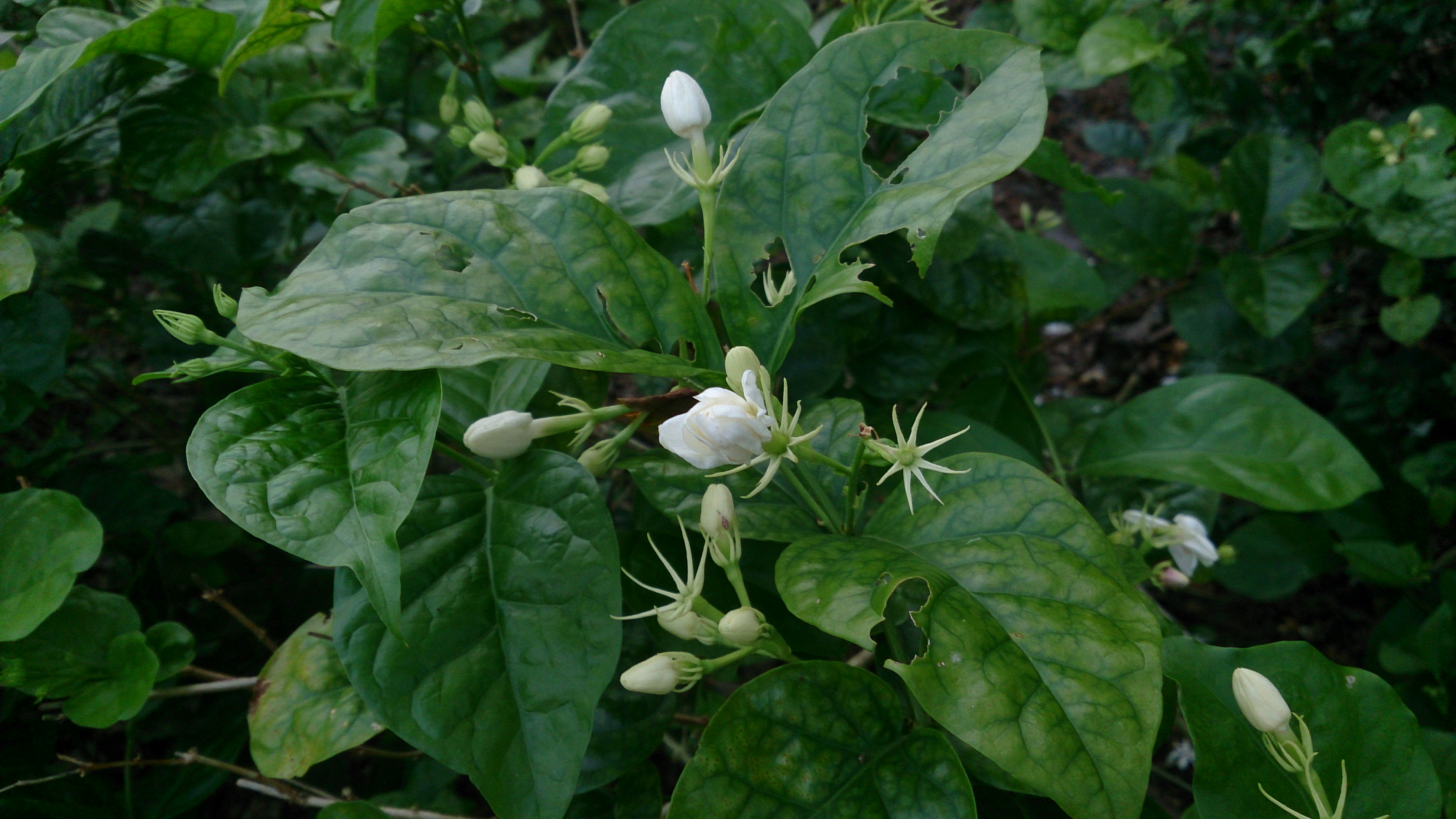
Scented flowers are prized most in the rainy season, and the sweet perfume of beli and jui can fill a whole house. Beli is Jasminum sambac, the Arabian jasmine, native to India and Bhutan. Its flowers usually open in the evening and close the next morning. Cultivated plants generally set no seed, so beli is raised by cuttings and layering.
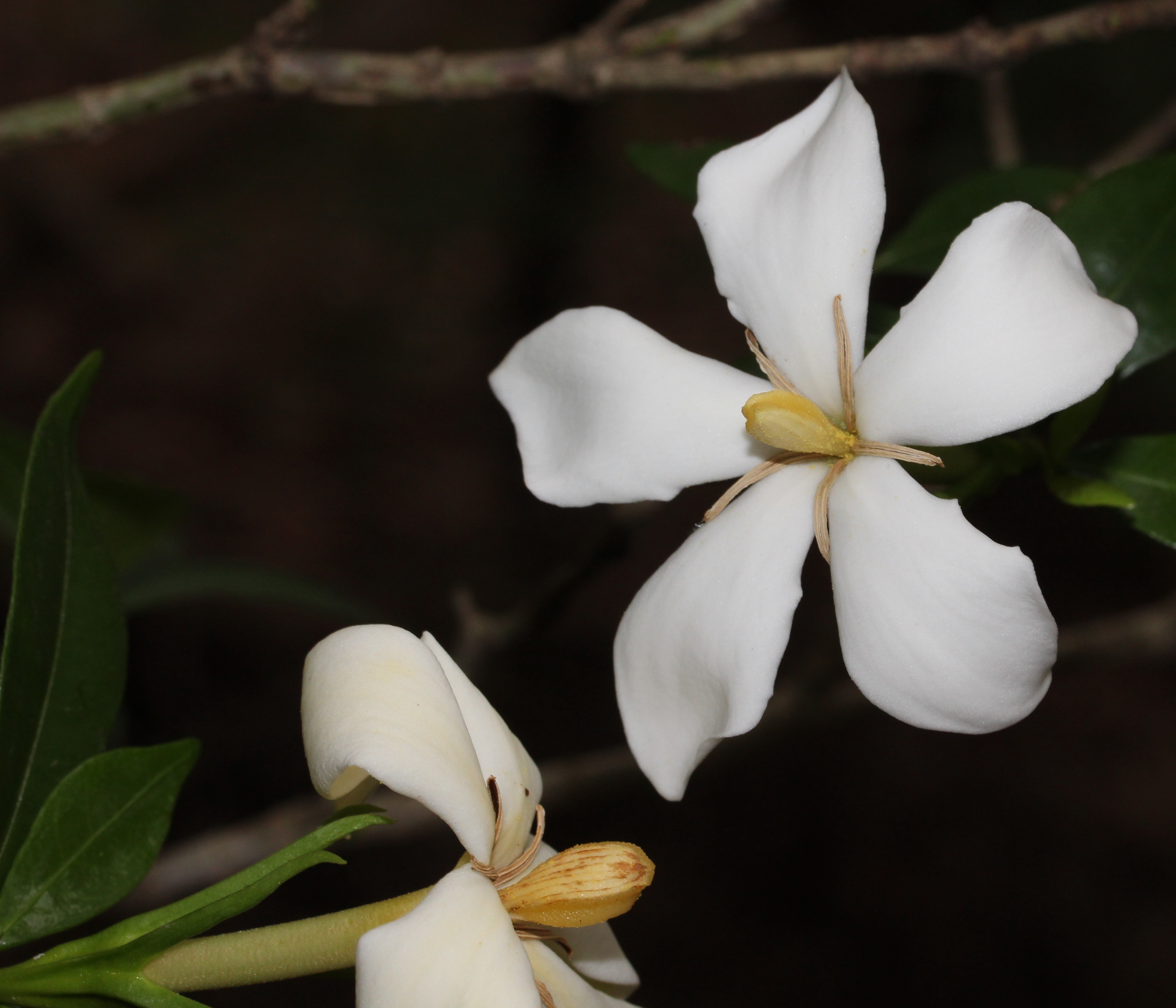
Gandharaj, the gardenia or Cape jasmine (Gardenia jasminoides), blooms best at the start of the monsoon and towards the end of summer, with white petals and a strong scent. North Carolina State University Extension advises rich, acidic, well-drained soil and bright indirect light or partial shade. Its roots are shallow, so it should not compete with tree roots. It can be propagated from stem cuttings or by layering.
Hasnahena (Cestrum nocturnum), known in English as lady of the night or night-blooming jasmine, releases a powerful sweet perfume after dark. It comes from Mexico, Central America and northern South America but has naturalised across South Asia. Like other members of the nightshade family it contains toxic alkaloids, so children should not eat its berries.
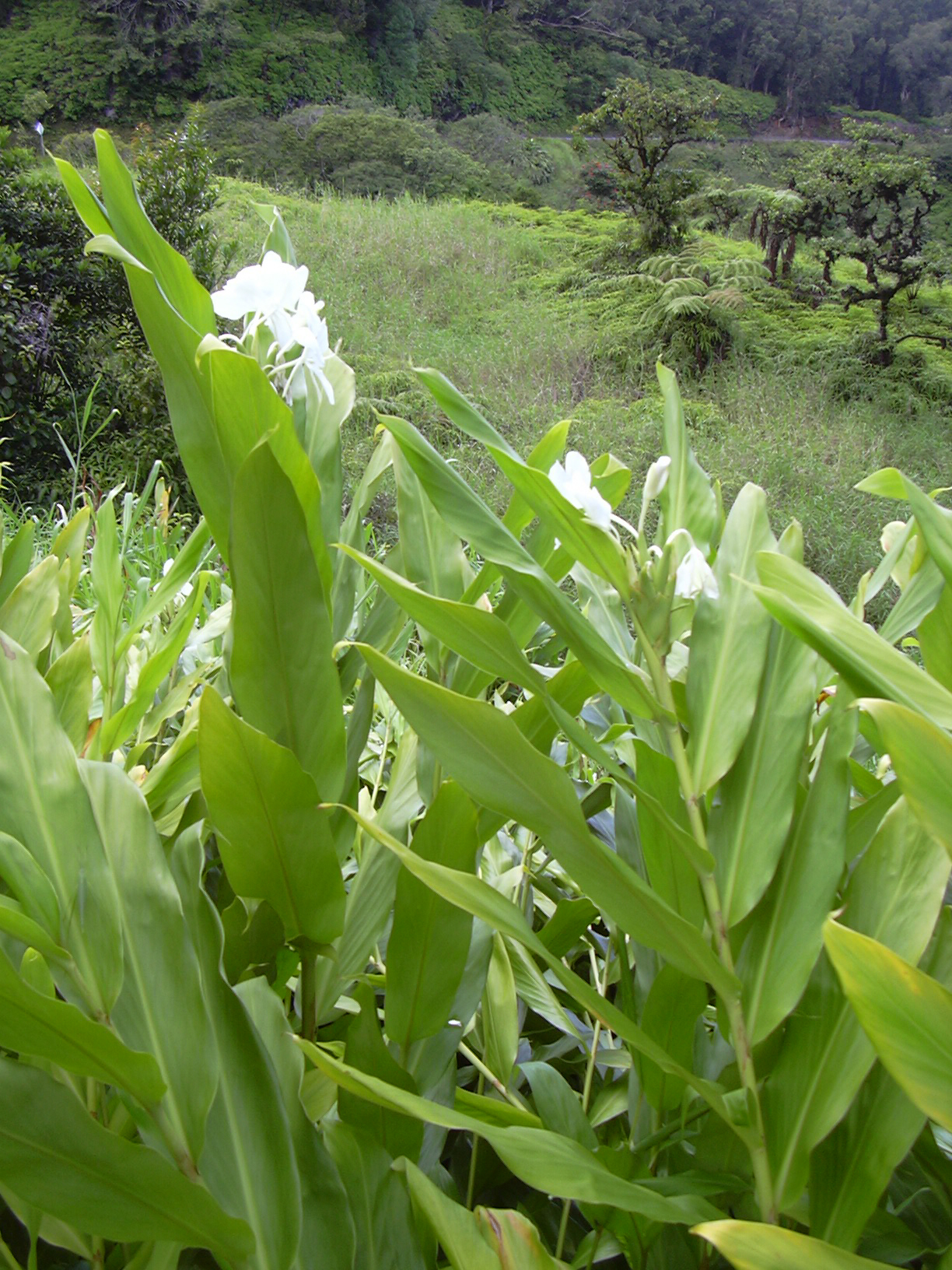
Dolonchampa (Hedychium coronarium), the white ginger lily, belongs to the ginger family and is native to southern and south-east Asia. NC State Extension notes that it bears dense clusters of fragrant white, butterfly-like flowers in summer and autumn. It likes warm, moist, humus-rich soil but does not tolerate standing water or soil that stays wet. It is propagated by dividing the rhizomes or from seed.
Colour for pots and beds: rain lily, balsam, allamanda and sthalpadma
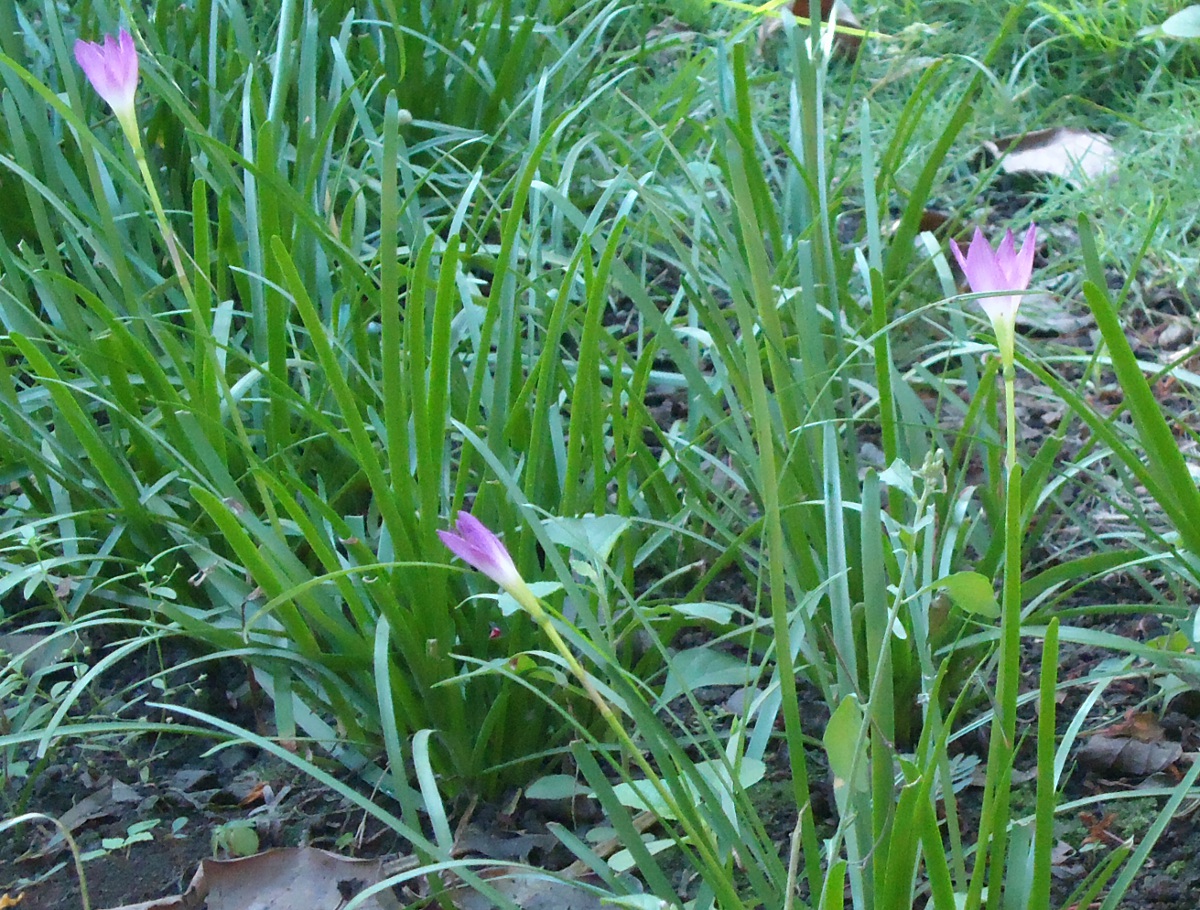
Rain lilies (the genus Zephyranthes) are perennial bulbs from tropical and subtropical America. They take their name from the way they flower a few days after rain, and they bloom well in pots. New plants are easily raised from the small offset bulbs that form beside the parent.
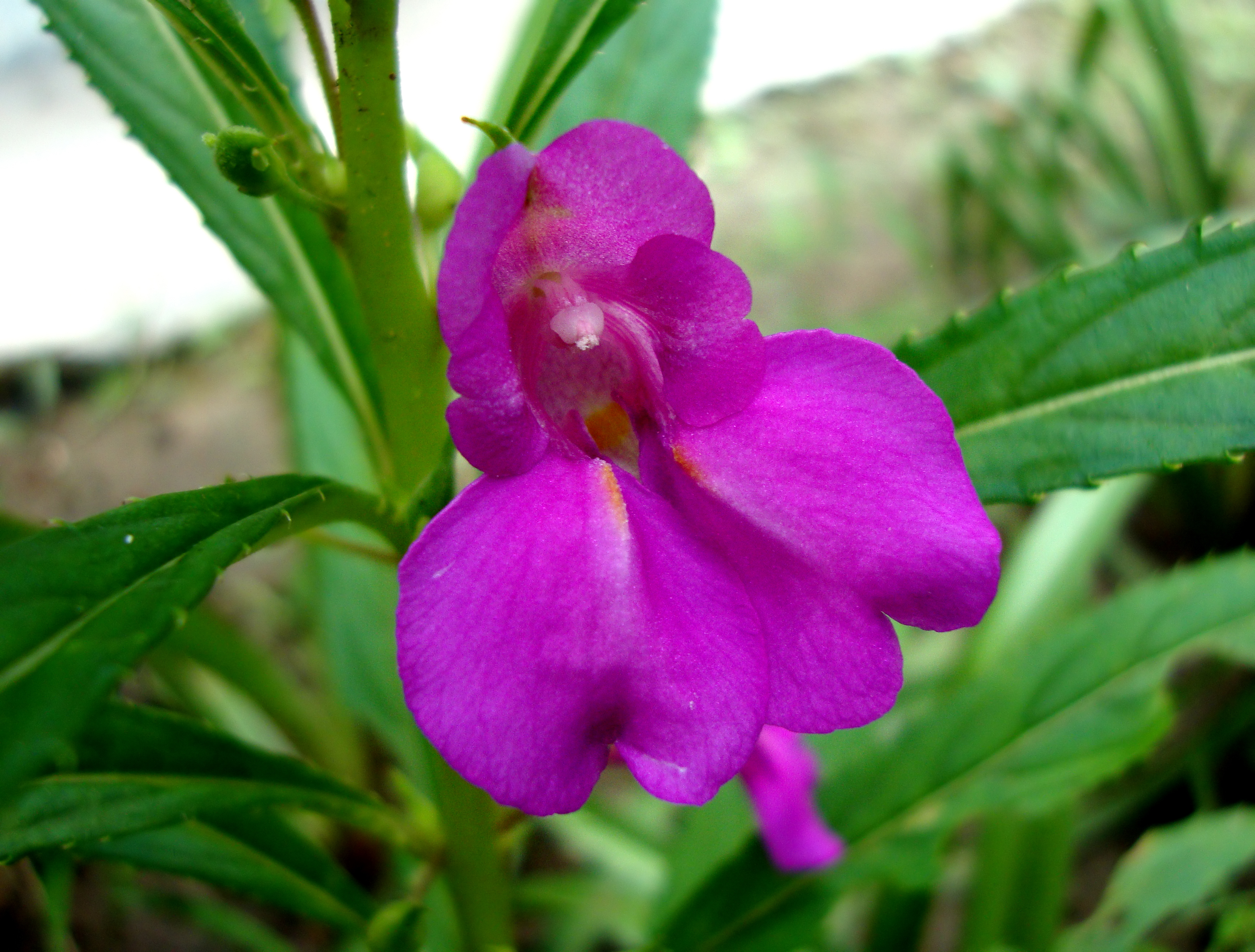
Dopati, the garden balsam (Impatiens balsamina), is a favourite flower of Ashar and is native to India and Sri Lanka. Its white, pink, red and two-coloured varieties suit pots. It prefers a moist spot and copes poorly with drought. It is grown from seed; the ripe capsules burst when touched, so seed has to be gathered with care.
Alokananda, the golden trumpet or yellow allamanda (Allamanda cathartica), carries golden yellow trumpet flowers through the monsoon. It is a vigorous climber that twines around a support. According to NC State Extension it needs six or more hours of direct sun, loam rich in organic matter and good drainage, and it is grown from stem cuttings. Its sap can irritate the skin and eyes, so care is needed when pruning.
Sthalpadma, the cotton rose (Hibiscus mutabilis), flowers at the end of the monsoon and in autumn, and its seedlings can be planted in Ashar. Its flowers open white or pink and deepen in colour as the day goes on. The plant grows fast and roots easily from cuttings.
Points to remember when planting
- In the monsoon new plants are easily raised from cuttings; beli, gandharaj, allamanda and sthalpadma are all propagated this way.
- Seedlings and seeds of fragrant flowers can also be planted now; balsam is grown from seed.
- Pots must drain well so that water never stands in them; plants such as the white ginger lily do not tolerate standing water.
- Prepare the soil by mixing loam with organic manure, well-rotted cow dung or vermicompost.
- Protect young seedlings from damage by very heavy rain.
Photo: Mokkie / Wikimedia Commons (CC BY-SA 3.0)
Sources: Jagonews24, North Carolina State University Extension (Extension Gardener Plant Toolbox), Wikipedia (Bengali calendar and plant entries)

Comments
(0)