
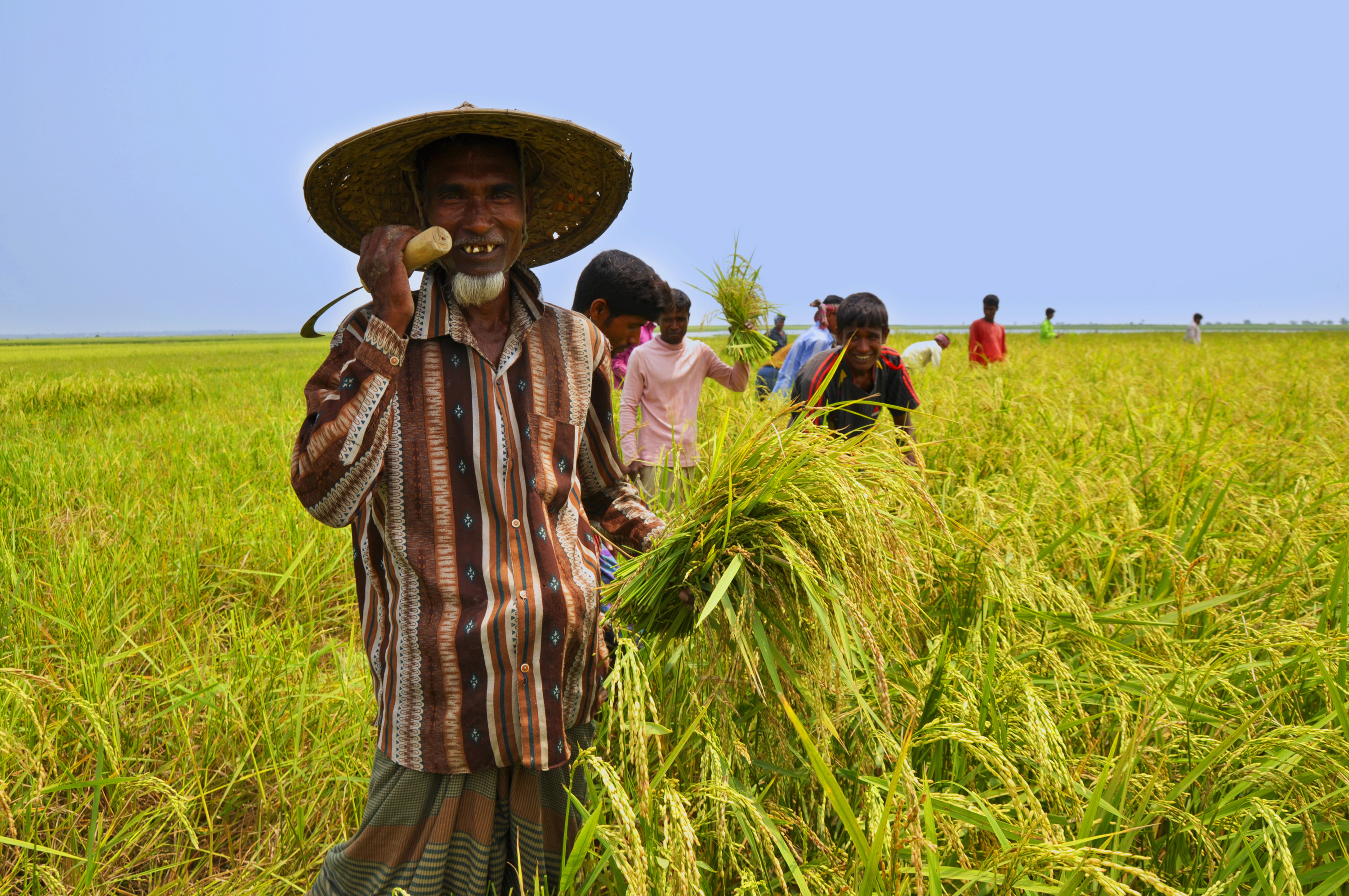
Local leaders and activists of the BNP in Mongla upazila of Bagerhat district began harvesting poor farmers' ripe paddy voluntarily and without payment, and carrying it to their homes. The programme was inaugurated at noon on Saturday, 30 November 2024, in the Chandpai area of the upazila by agriculturist Md Shamimur Rahman Shamim, research affairs secretary of the BNP central committee, Jagonews24's Mongla correspondent reported.
What the organisers said about harvest costs
Speaking at the launch, Shamimur Rahman Shamim said farmers spend a great deal looking after their paddy: preparing seed, ploughing, transplanting, irrigation and applying fertiliser and pesticide. At the end of the season they struggle even to pay day labourers to cut the crop and bring it home. That, he said, is why leaders and activists of the BNP and its associate bodies were cutting these farmers' paddy and delivering it to their homes, which he said would benefit the farmers.
He said local activists were harvesting the ripe paddy of poor farmers in six unions of Mongla. The report did not say how many farmers or how much land the programme would cover.
Labour shortages at harvest time
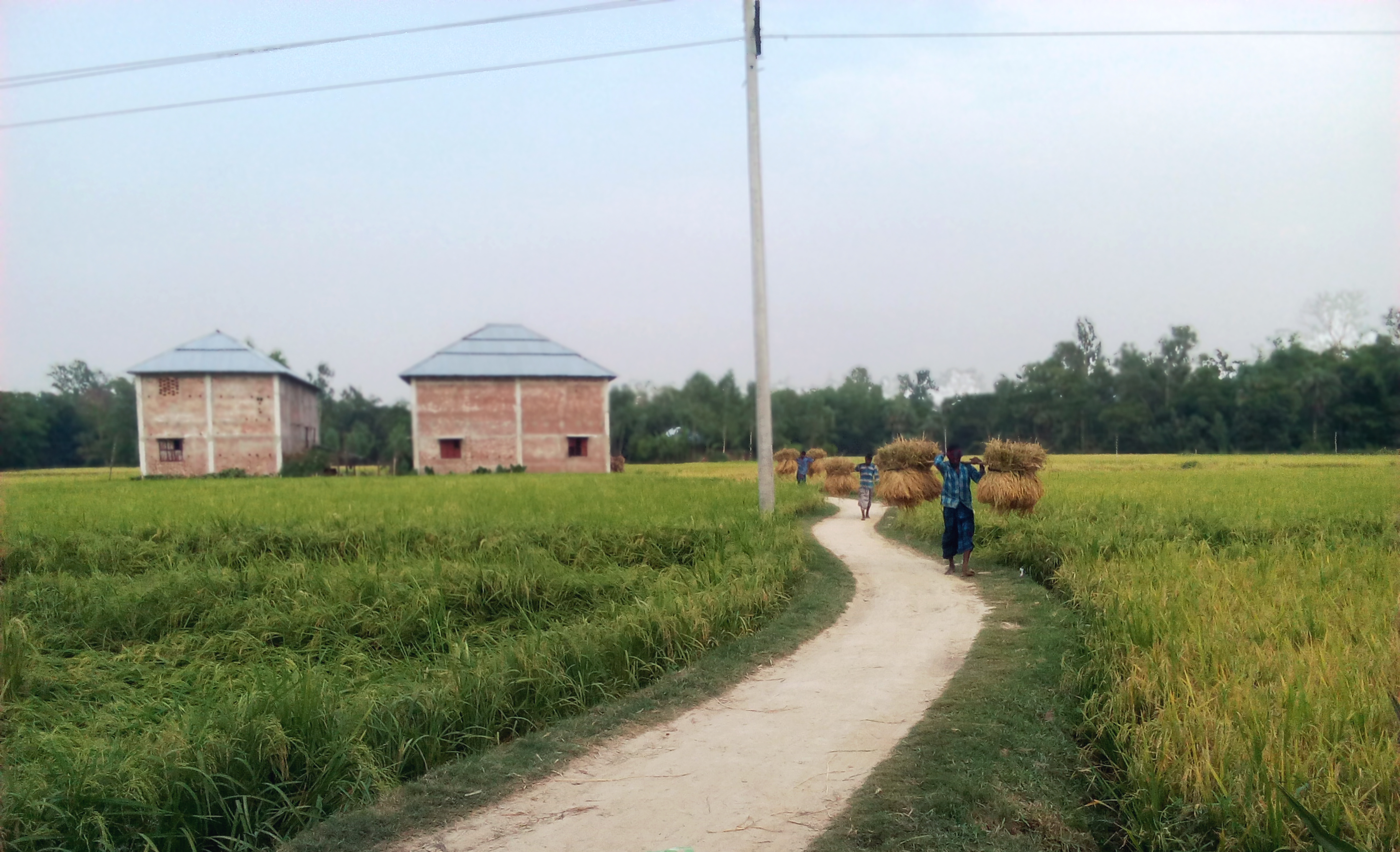
Shortages of field workers and higher wages at harvest have been reported before. A Daily Star report in September 2022 on farmers in the northern districts said labour costs had been rising because of a shortage of workers, who had other options such as rickshaw pulling and garment factories. Labourers were paid Tk 500 a day in normal times, the report said, but as much as Tk 600-700 during the peak harvest.
In the same report Belal Uddin, deputy director of the Department of Agricultural Extension in Gaibandha, said a combine harvester can reap one acre of paddy in about an hour.
Mongla and the Aman season
Mongla is an upazila of Bagerhat district. It borders Rampal to the north, the Bay of Bengal to the south and Dacope upazila to the west, and its main rivers are the Pasur and the Mongla. The Port of Mongla, the country's second-largest seaport, lies here. Besides Mongla municipality, the upazila has six unions: Burirdanga, Chandpai, Chila, Mithakhali, Suniltala and Sundarban.
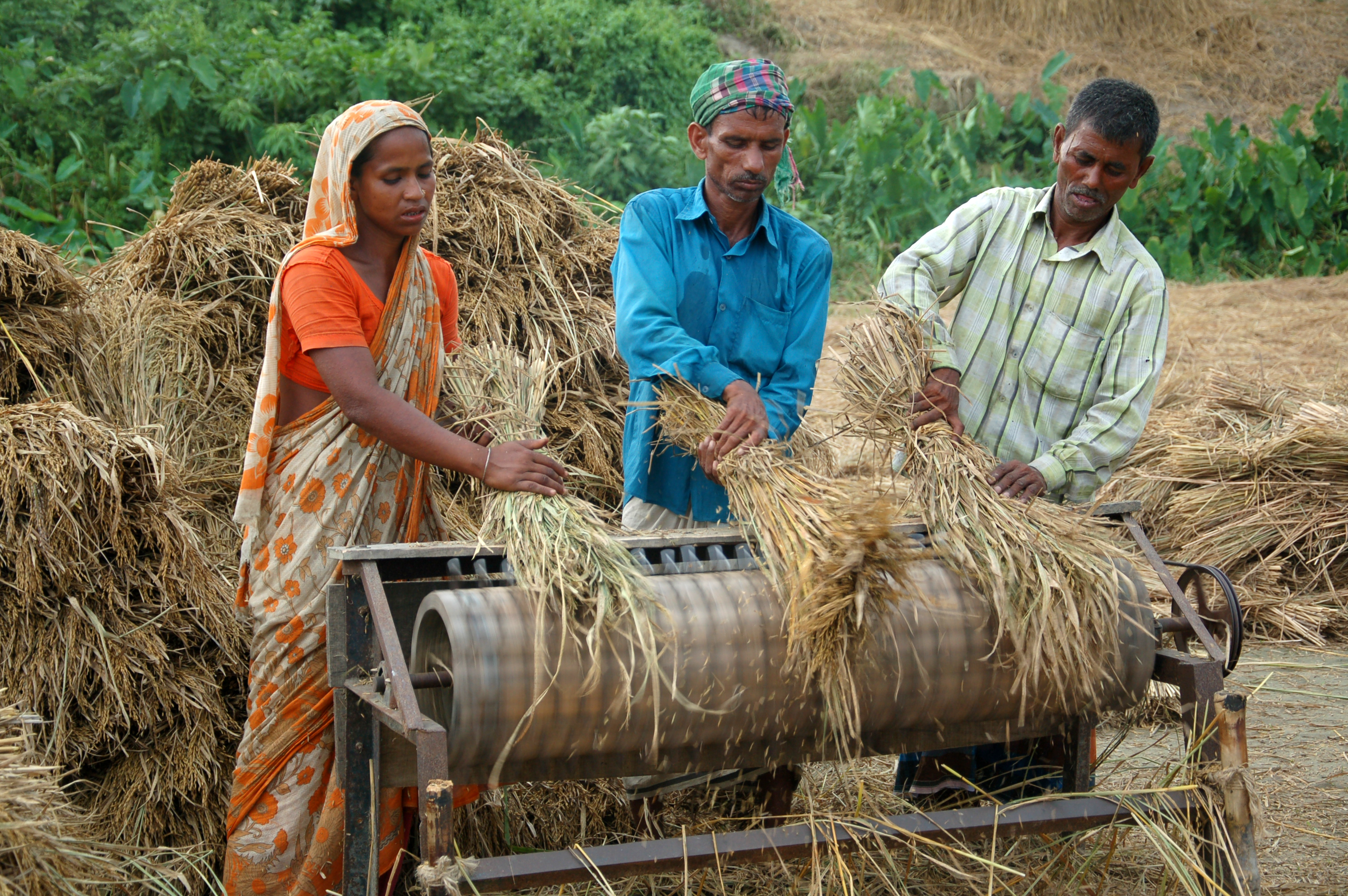
Ripe paddy in the fields in late November is usually the Aman crop. Transplanted Aman is sown in seedbeds in Jaishtha-Asharh, moved to the main field in Shraban-Bhadra and harvested in Agrahayan-Poush. According to the FAO's Global Information and Early Warning System in June 2024, the Aman crop accounts for about 35 percent of Bangladesh's annual paddy output, and planting of the 2024 Aman crop started in late May.
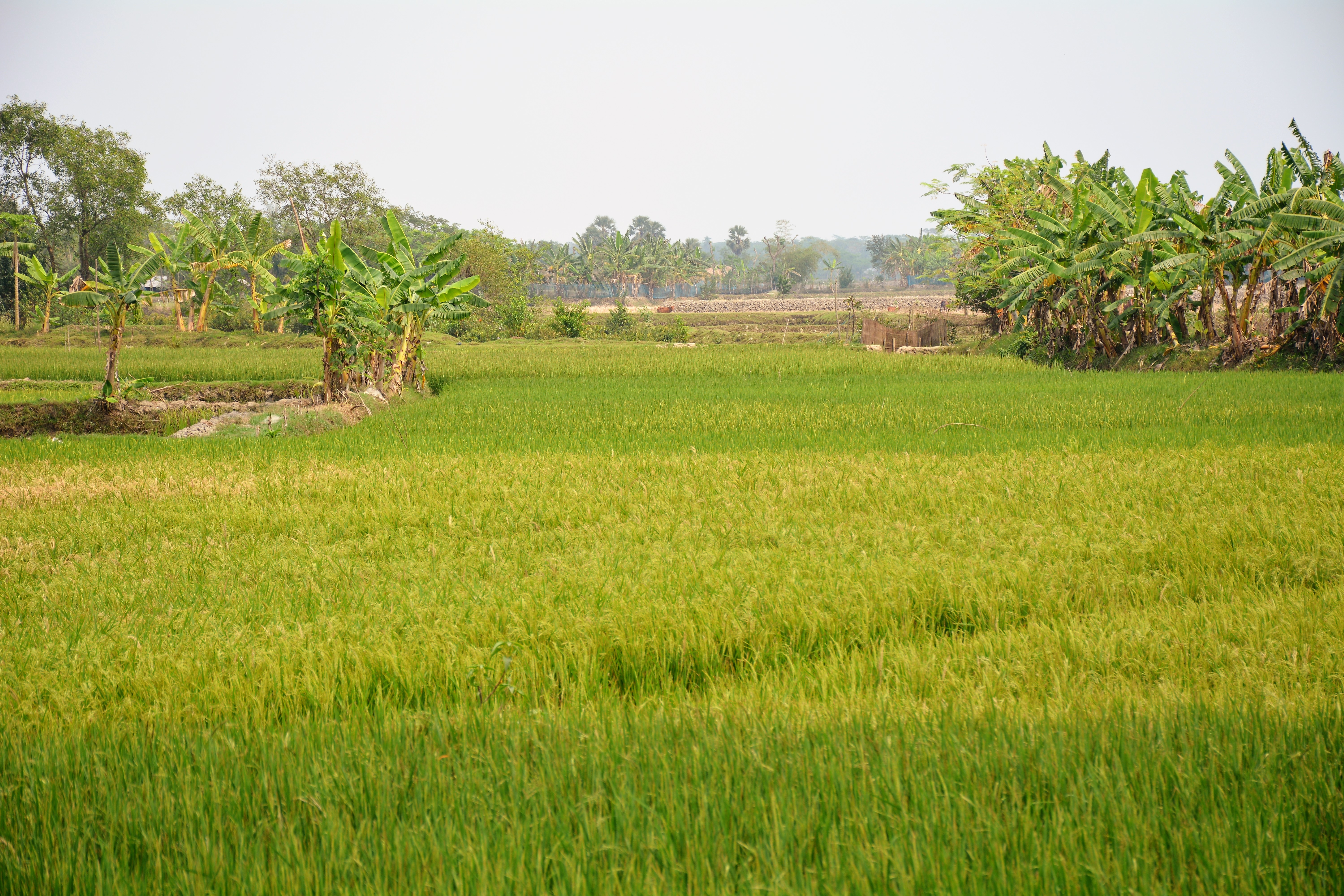
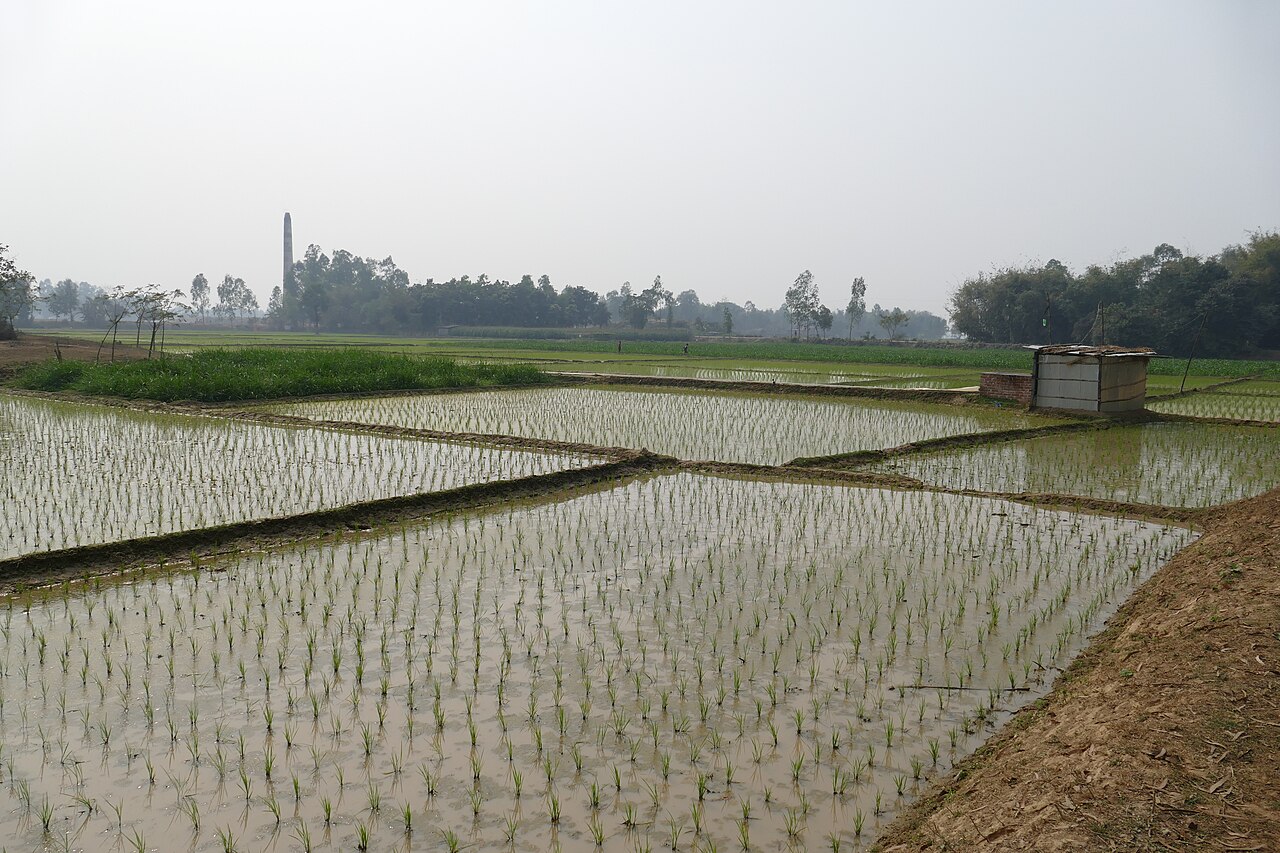
Photo: Balaram Mahalder / Wikimedia Commons (CC BY-SA 3.0)
Sources: Jagonews24, The Daily Star, FAO GIEWS, Wikipedia
Comments
(0)