
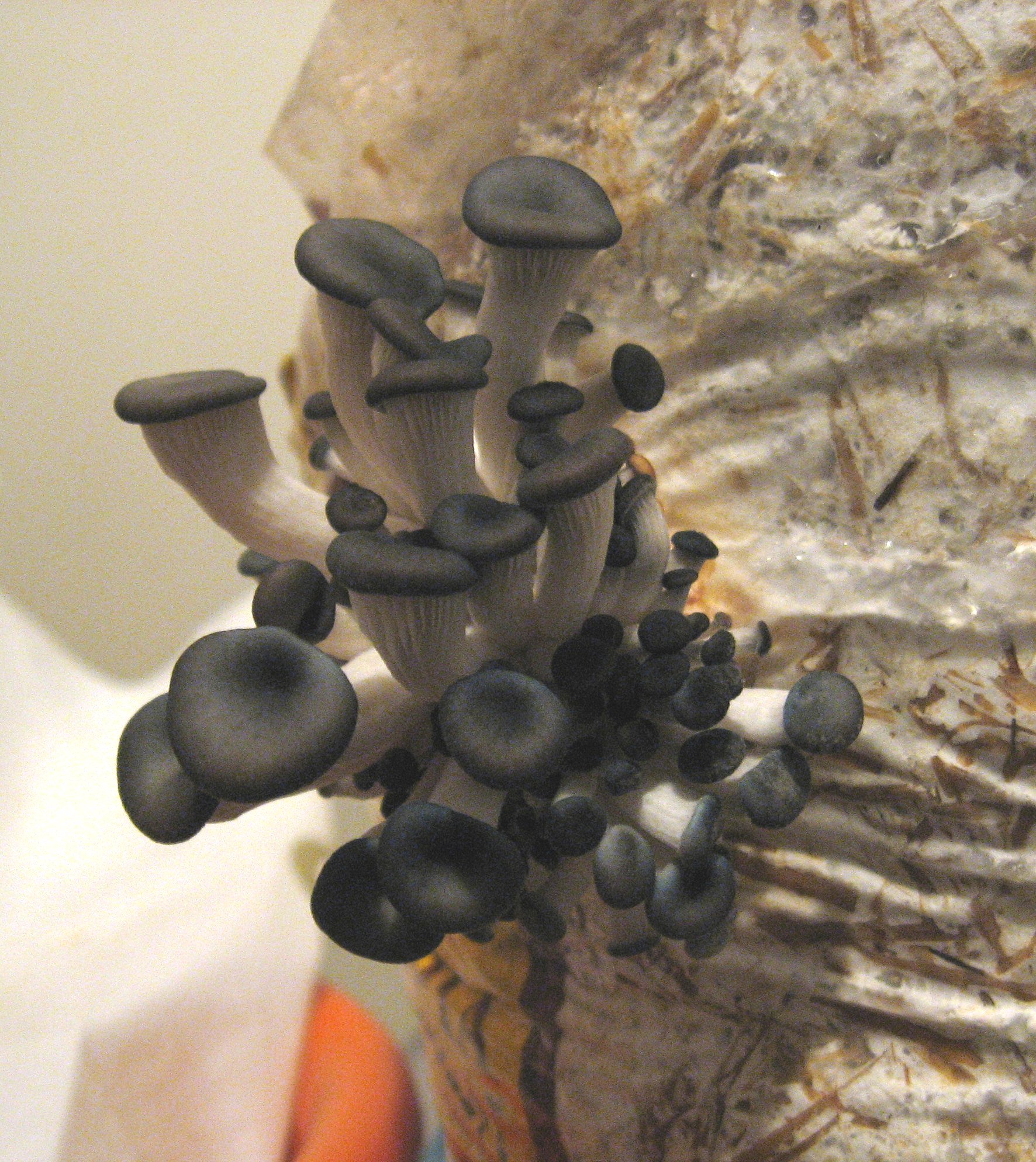
Abul Kashem, known as the first mushroom farmer of Mirsharai upazila in Chattogram, became self-reliant growing mushrooms after learning the basics from YouTube videos. The farmer, who is over sixty, lives in Purba Hinguli village of Hinguli union, Jagonews24 reported on 8 March 2025. People in the area who want to take up mushroom farming come to him for advice and help, and he gives them basic hands-on training.
From working abroad to a new start
Abul Kashem spent about three decades in Dubai. Back home he could not find a way to make a living. For nine years he tried to stand on his own feet, sometimes with a plant nursery, sometimes with a shop, but none of it worked. Frustrated, he came across mushroom-farming videos and turned to the crop in 2022.
This time he wanted to start properly, with training. He first took a one-day course run by Rifa Mushroom Project and then a 10-day training on 'Importance of Mushroom and Cultivation Technique' under the Ministry of Agriculture. He then started growing mushrooms with capital of just Tk 10,000.
Output and income of the farm
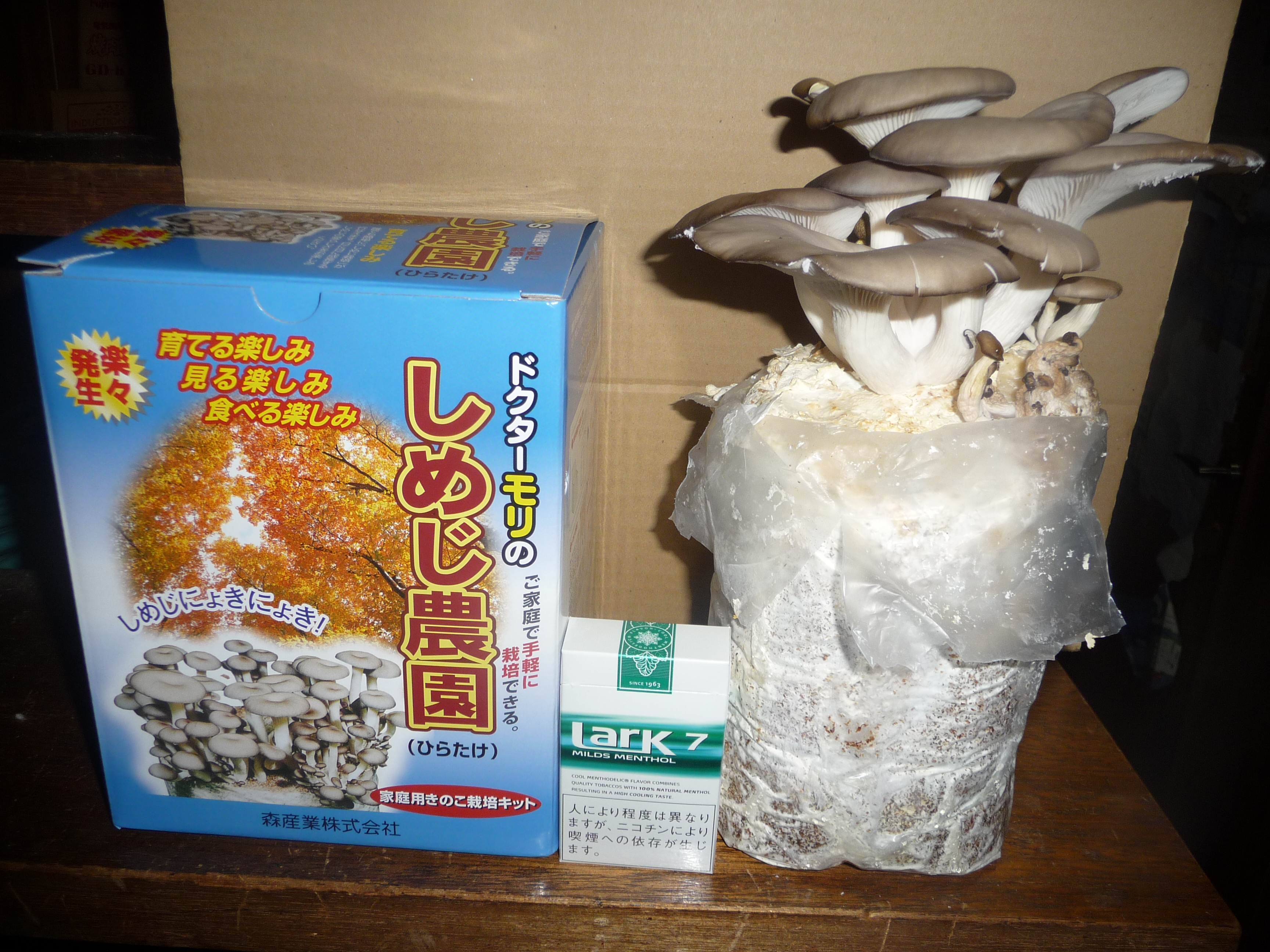
With support from the Mirsharai upazila office of the Department of Agricultural Extension, by March 2025 he had a 44 ft by 24 ft mushroom project with assets worth about Tk 6 lakh. The farm held 1,000 spawn packets and produced 5 to 7 kg of mushrooms a day, which he sold at Tk 300 a kg. Demand was strong, but output was too small to supply every buyer. According to Jagonews24, after all costs he earned Tk 10,000 to 15,000 a month and about Tk 1 to 1.5 lakh a year.
"I was in Dubai for 30 years. Back home, while wondering what to do, I watched mushroom-farming videos on YouTube and was inspired," Abul Kashem said. "On my own initiative and with help from the Mirsharai upazila Department of Agricultural Extension I took training. After the training, mushroom farming became very easy. I now earn Tk 15,000 to 20,000 a month." He said he helps newcomers with hands-on training.
Mirsharai upazila agriculture officer Pratap Chandra Roy called mushroom farming very promising. "Under a project we gave entrepreneur Abul Kashem a mushroom production house, a cultivation house, accessories and a van," he said. He added that any entrepreneur who wanted to make a living from mushrooms would get training and other support from the upazila agricultural extension office.
How mushrooms are grown in Bangladesh
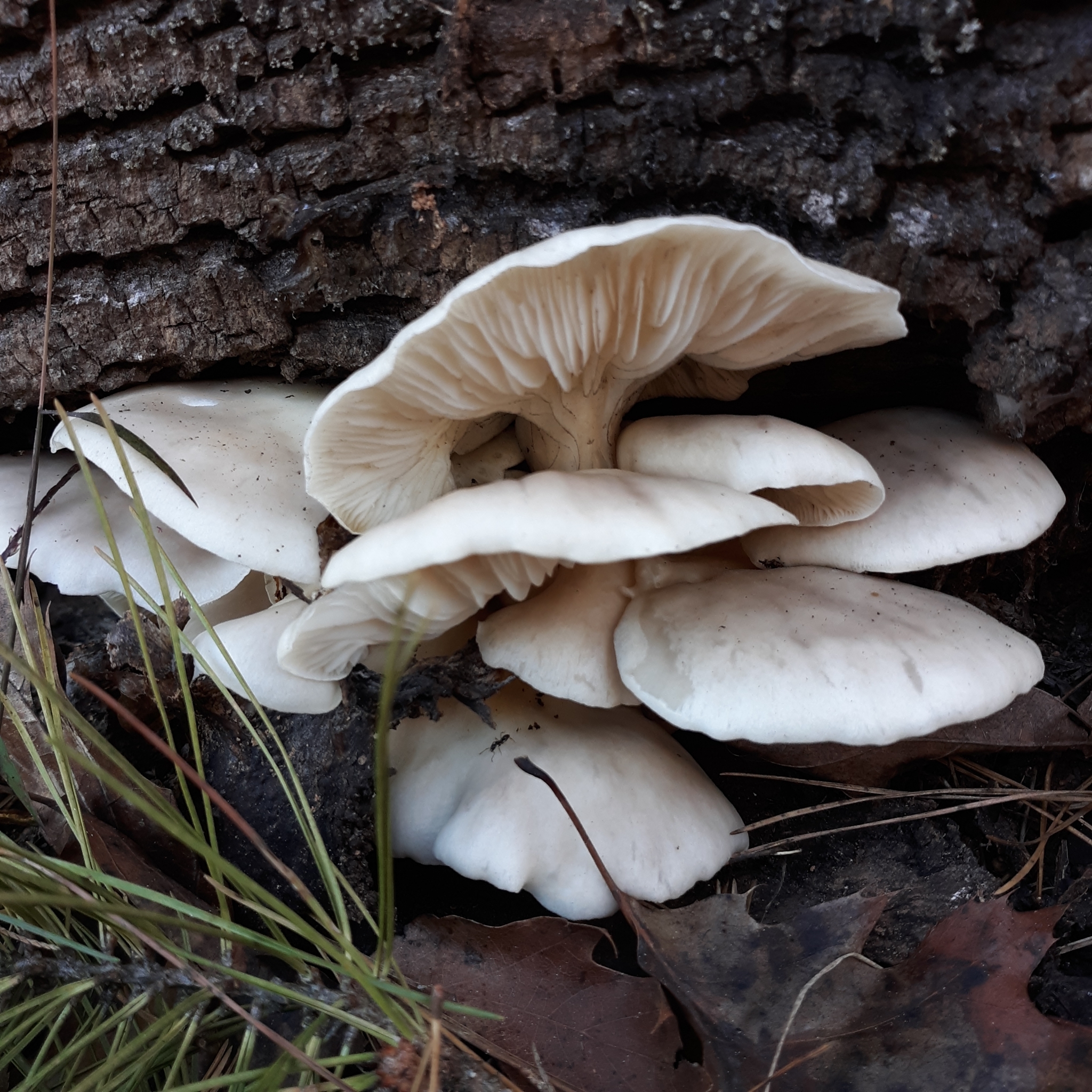
According to Banglapedia, commercial mushroom cultivation in Bangladesh began in the early 1980s, started by the Bangladesh Agricultural Research Council and then the Mushroom Culture Centre at Savar. The oyster mushroom is the most common and popular type. It is grown on rice straw, rice husk, sawdust and other farm residues packed in polythene and seeded with spawn, which is essential for a pure crop. The first harvest comes 10 to 15 days after spawning.
A March 2021 report in The Business Standard, citing the Mushroom Development Institute at Savar, said the country produced over 40,000 tonnes of mushrooms a year with a market value of around Tk 800 crore, and that about 1.5 lakh people were directly or indirectly involved. Oyster and milky mushrooms are grown most because they suit the local climate.
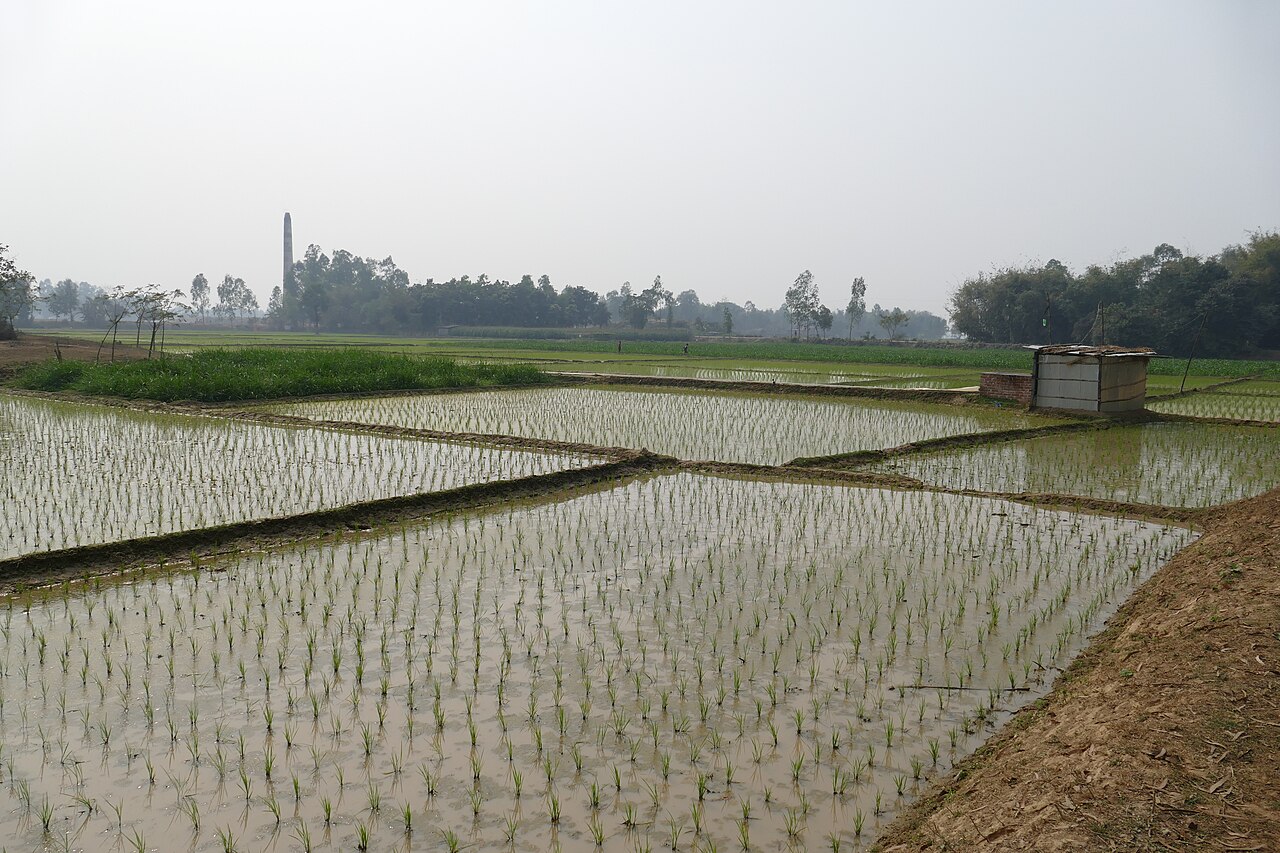
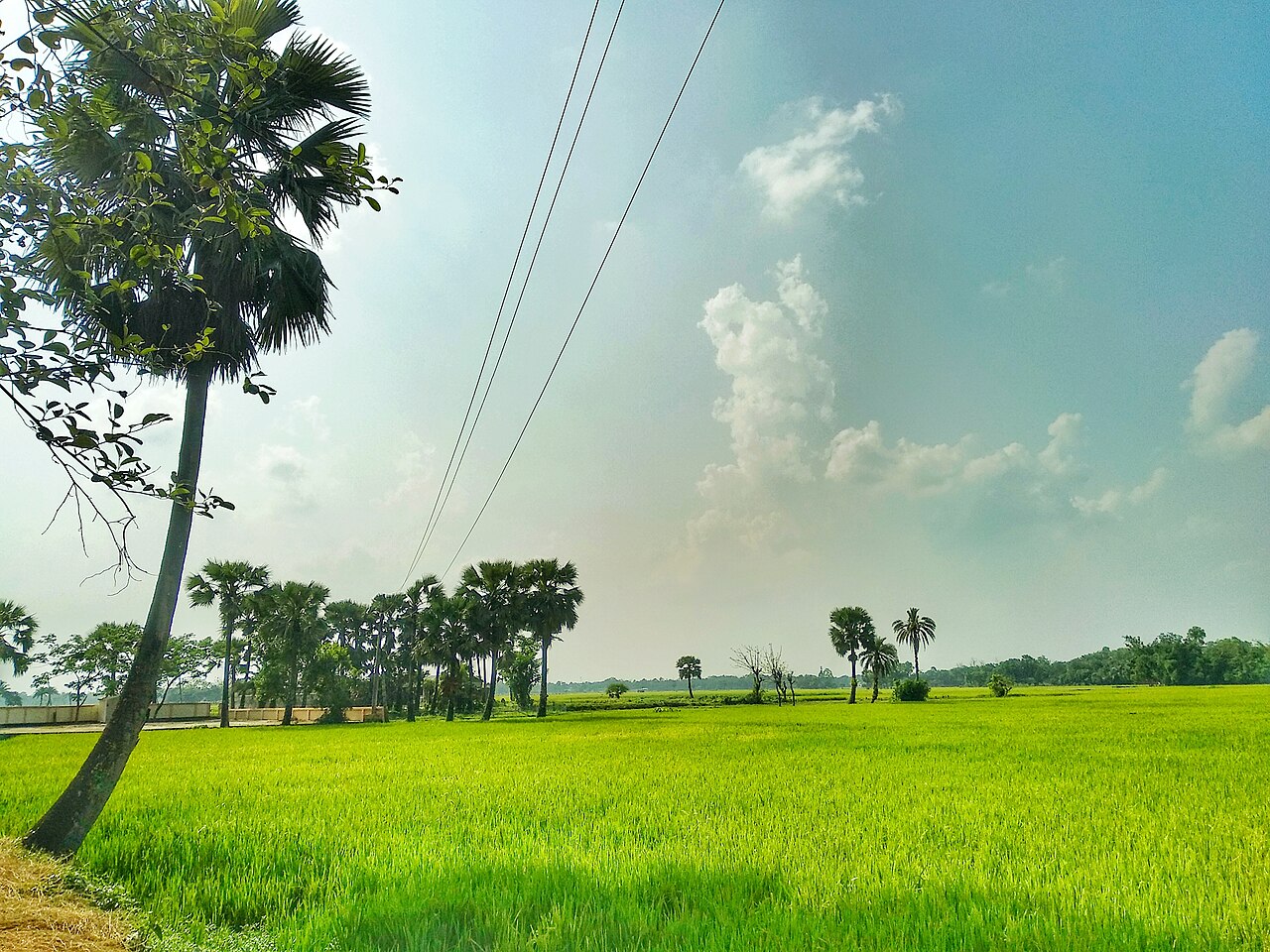
Banglapedia describes Mirsharai as an upazila of 482.88 square kilometres, bordered by India's Tripura state to the north and by Sitakunda upazila and the Bay of Bengal to the south. Besides the Feni River, the Hinguli, Mahamaya and Isakhali canals are its notable waterways. Its main crops are paddy, pulses, potato, brinjal and vegetables.

Photo: Biscutella / Wikimedia Commons (Public domain)
Sources: Jagonews24, Banglapedia (Mushroom; Mirsharai Upazila), The Business Standard
Comments
(0)