
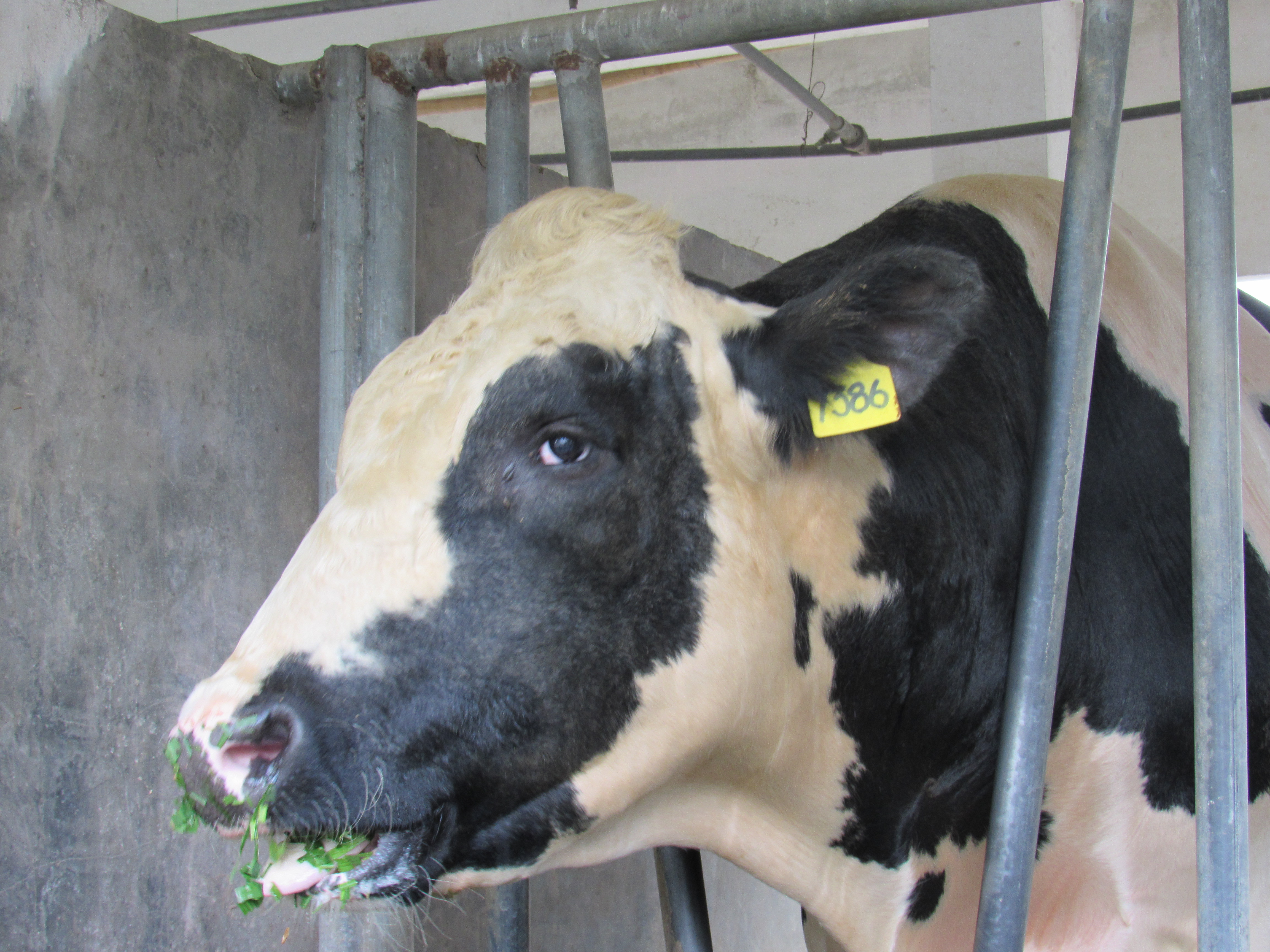
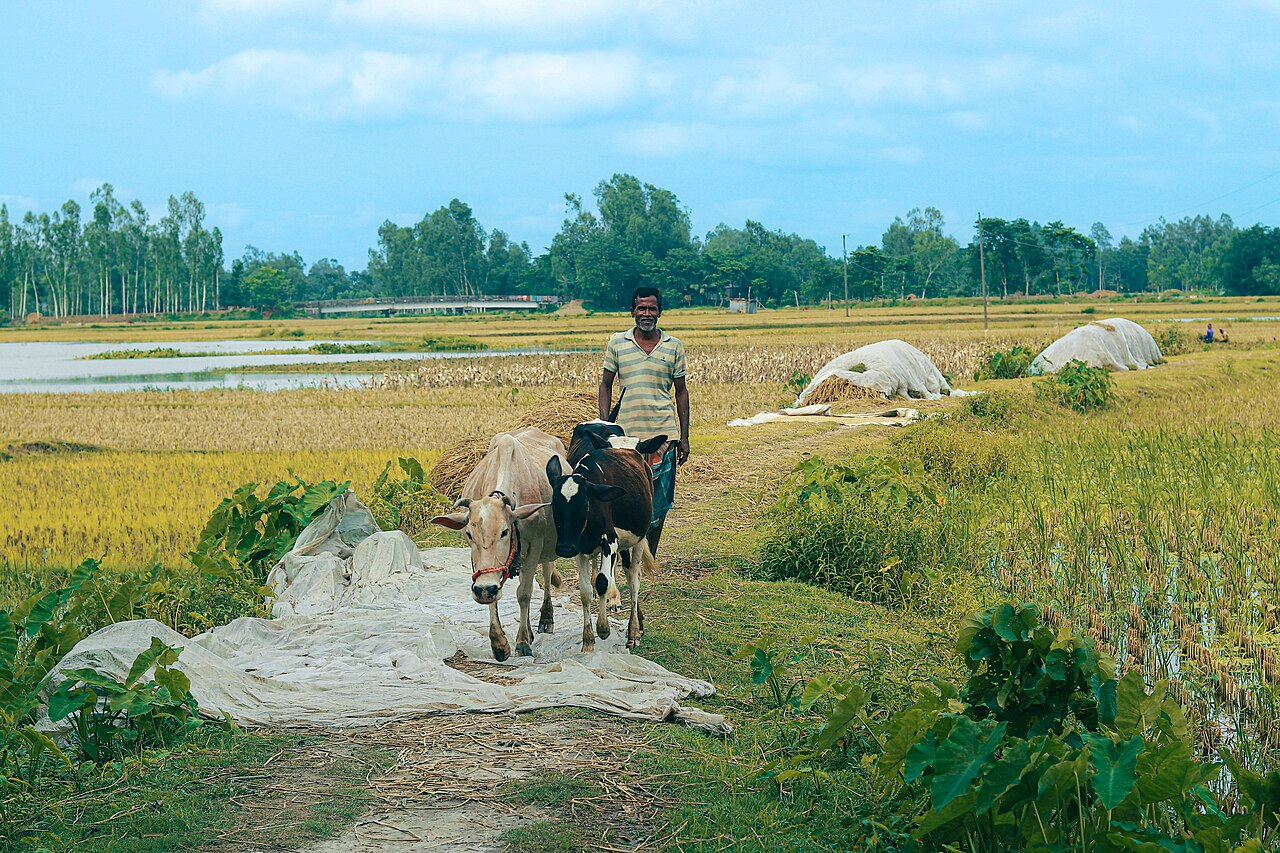
The farm of RBC Agro Tourism Limited, beside the Domkhali embankment in Saherkhali union of Mirsarai upazila in Chattogram, began with just five cows. Jagonews24 reported on 27 July 2026 that it then had more than 300 cattle and, with goats, buffaloes and sheep, about 500 animals in all. More than 200 cattle and buffaloes were sold from the farm at that year's Eid ul-Adha.
Mirsarai is an upazila of Chattogram district whose southern edge is the Sandwip Channel of the Bay of Bengal. It covers 482.88 square kilometres and has 16 unions, Saherkhali among them. The 2022 census counted 472,794 people there.
From five cows to about 500 animals
The owner, local resident Shahidul Islam Chowdhury, told Jago News: "I started small with 5 cows in 2012 and gradually expanded. Alongside cattle, I started raising goats, buffaloes and sheep." The herd grew step by step, to 10 cows, then 25, and on to more than 300.
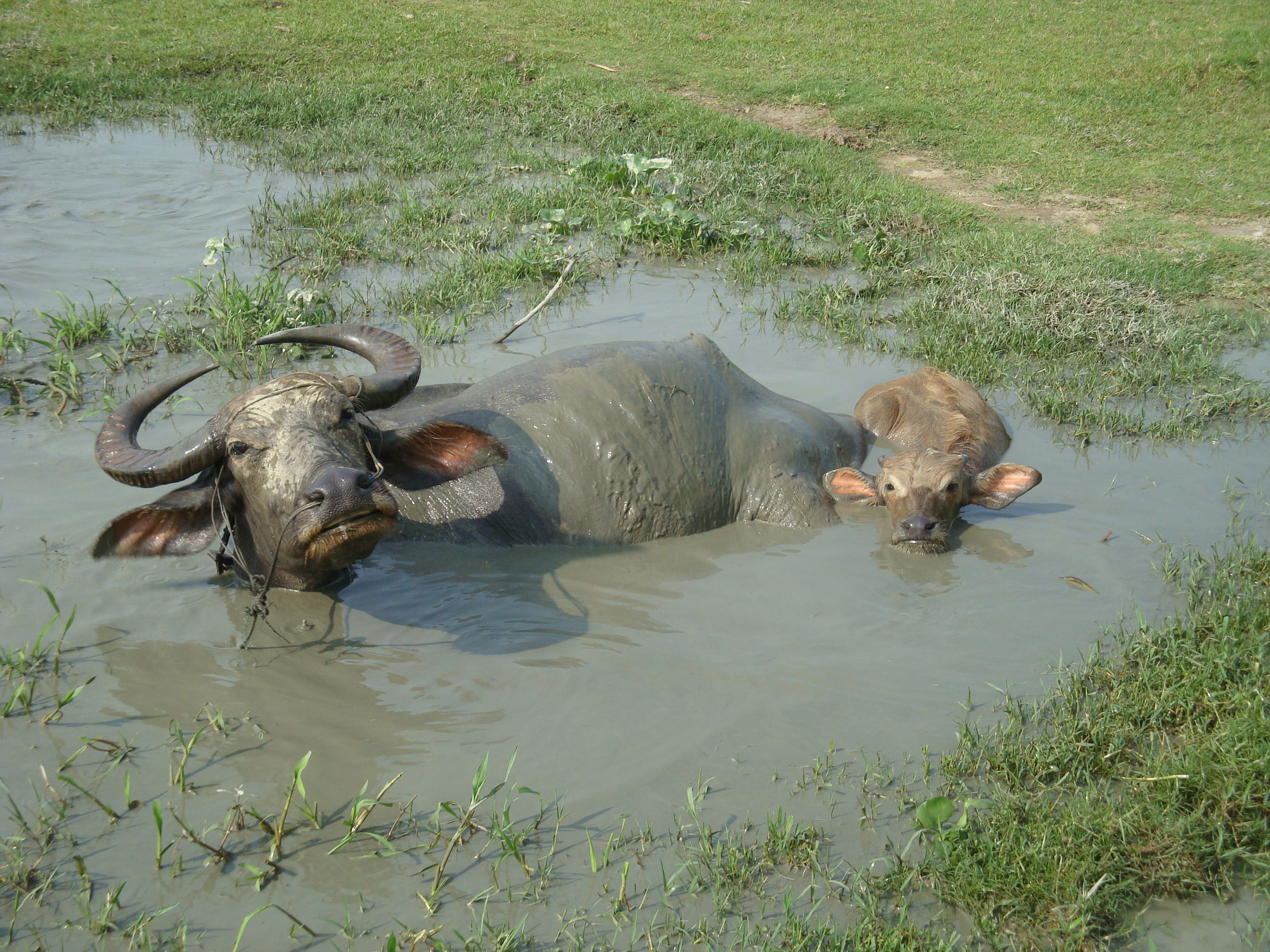
The farm covers about 22 acres. Besides cattle and buffaloes it keeps sheep, goats, ducks, chickens and pigeons, and has ponds for fish. According to the owner, about 15 people work there, permanent and temporary. At that Eid ul-Adha, 25 buffaloes were sold along with the cattle.
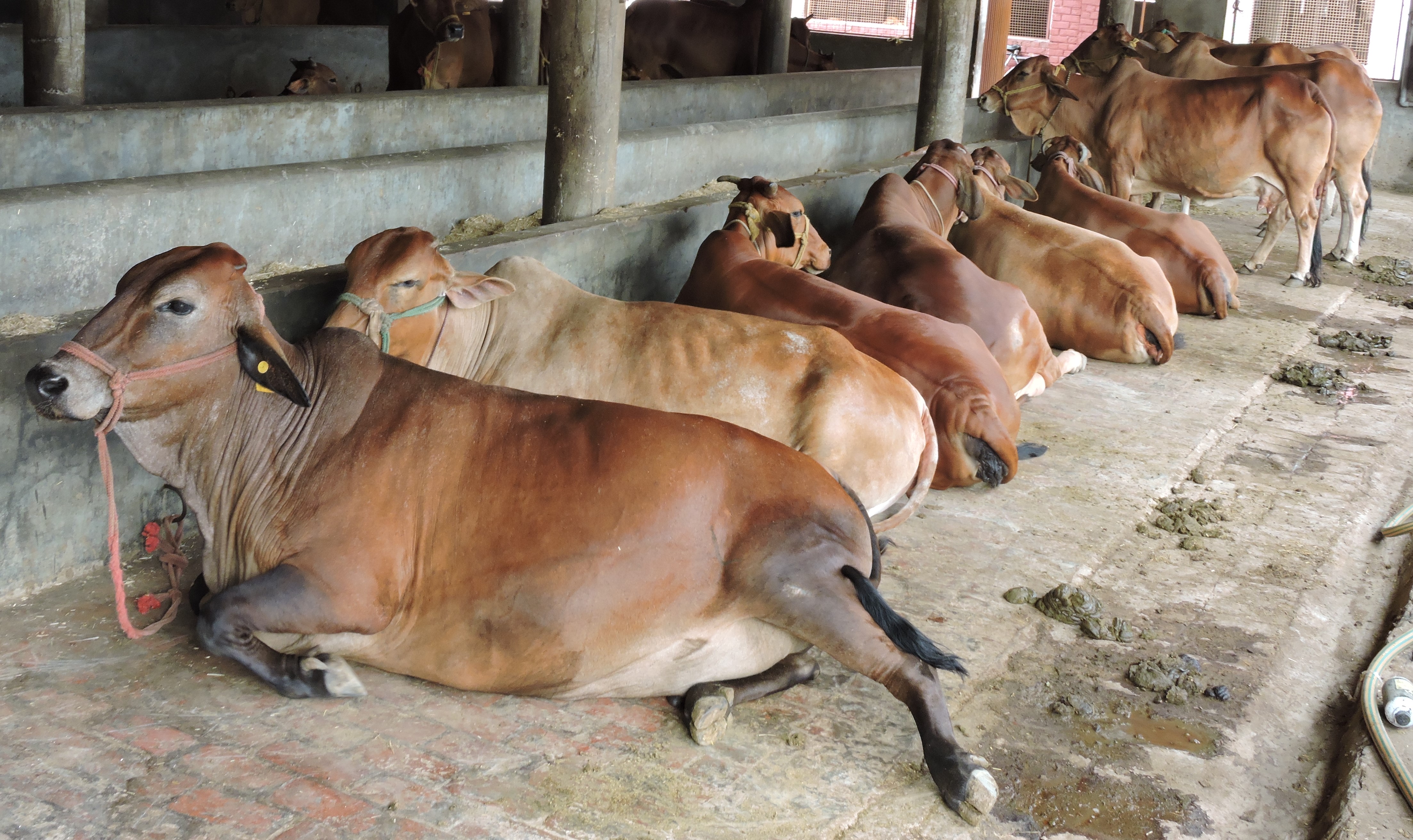
Farm manager Rashed Nur told Jago News that the farm keeps Sahiwal, Jersey, Bhutti and Hasa breeds of cattle. The Sahiwal is a zebu breed native to the Indian subcontinent, named after Sahiwal District in Pakistan's Punjab. It is kept for milk, meat and draught work, tolerates heat well and has a reddish dun coat, and it has been widely crossed with European dairy breeds such as the Friesian and the Jersey.
Fed on grass and straw from its own land
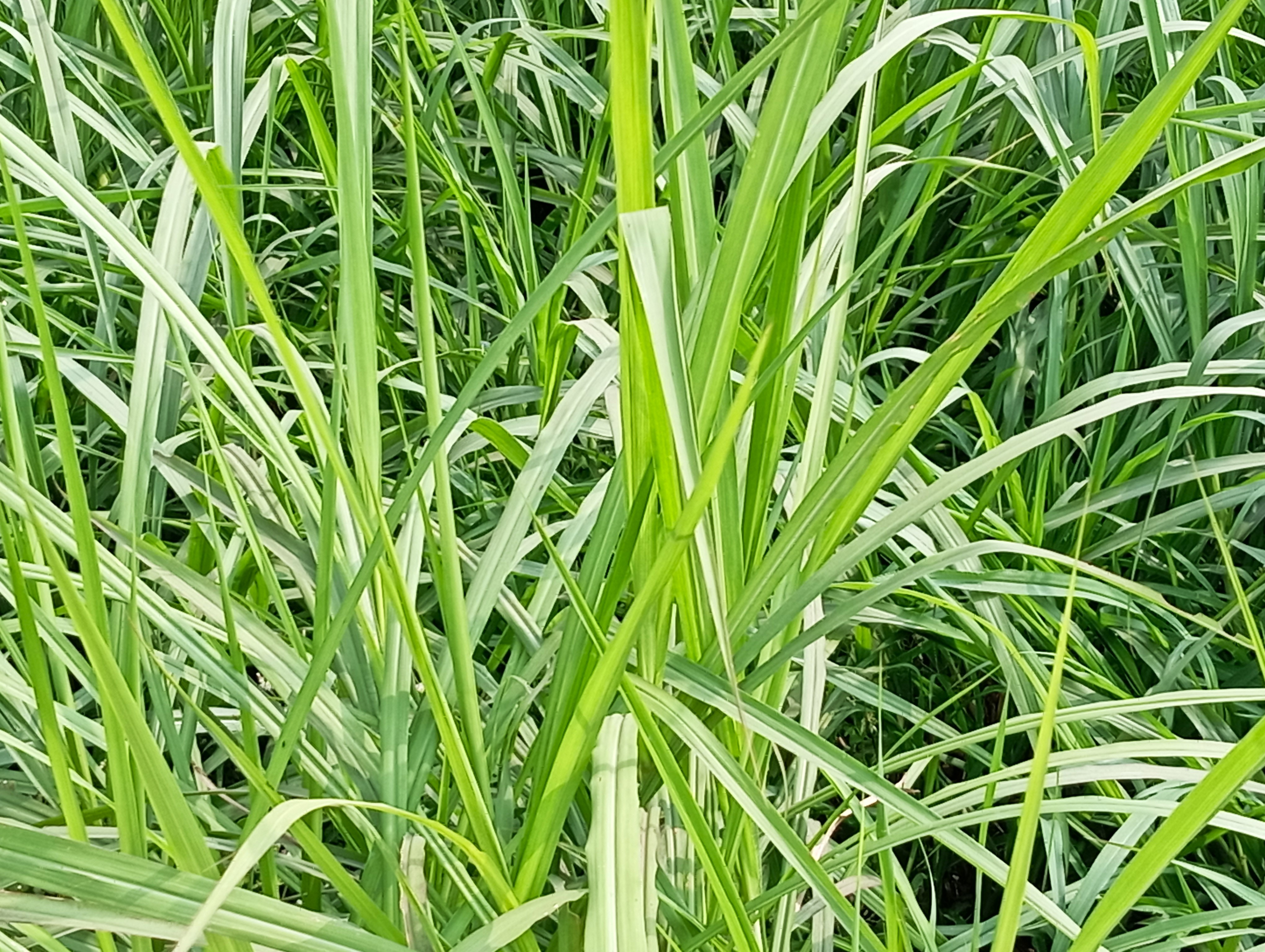
Napier grass and maize are grown on the owner's own land for the cattle, buffaloes and other animals, and straw from rice grown on about 3 acres is fed to them as well. "The animals are fed on feed produced on our own land. We do not need any feed from outside," Shahidul Islam Chowdhury said.
Napier grass, also called elephant grass (Cenchrus purpureus), is a perennial grass from tropical Africa. The livestock feed database Feedipedia describes it as one of the most productive tropical forage grasses, widely used in cut-and-carry feeding on both smallholder and commercial farms. It grows 4 to 7 metres tall and is usually planted from stem cuttings.
When the Jago News reporter visited, several workers were tending the cattle. Young cattle were kept together, the large ones in separate stalls, and the buffaloes apart. Some workers were bathing the animals, some feeding them and others cleaning up.
One of the bigger farms in the upazila
Mirsarai upazila livestock officer Dr Shuvo Sutradhar told Jago News: "There are many farmers, large and small, in Mirsarai upazila, and RBC Agro is one of the notable ones. Though it started with a small number of cattle, it has now become one of the biggest farms in the upazila. The livestock office has helped them at various times."
For the 2024-25 fiscal year the Department of Livestock Services (DLS) put Bangladesh's cattle at 251.71 lakh head, goats at 272.91 lakh, sheep at 39.81 lakh and buffaloes at 15.32 lakh. Milk production that year was 155.38 lakh metric tons against a demand of 162.33 lakh metric tons. On provisional figures at constant prices, livestock made up 1.81 percent of the country's GDP and 16.54 percent of agricultural GDP.
Photo: Ibrahim Husain Meraj / Wikimedia Commons (CC BY-SA 3.0)
Sources: Jagonews24, Department of Livestock Services (DLS), Feedipedia (INRAE, CIRAD, AFZ and FAO), Wikipedia
Comments
(0)