
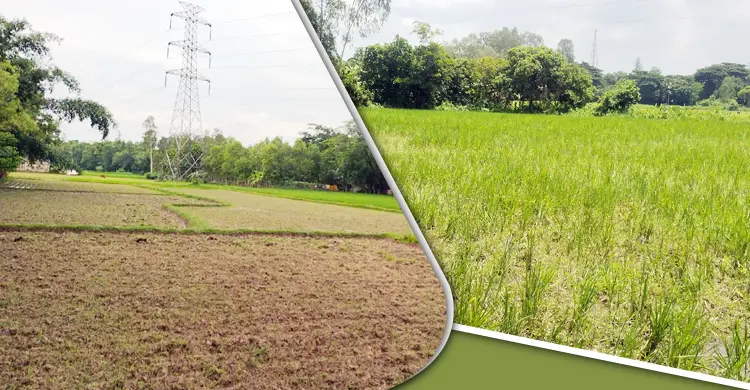
Aman cultivation in Mirsarai, Chattogram, has missed its target this season, with the crop planted on 850 hectares less than the target, according to the report. The upazila agriculture office said the lack of timely rain and the rise in fertiliser and diesel prices made the target impossible to meet. There are fears of food shortages in families that depend on farming.
The target for the upazila's 16 unions and two municipalities was 26,000 hectares, and aman was planted on 19,750 hectares. The largest area, about 2,000 hectares, was in No 6 Ichhakhali union, and the smallest in No 4 Dhum union, where about 1,000 hectares were planted this year.
Costs of diesel and irrigation
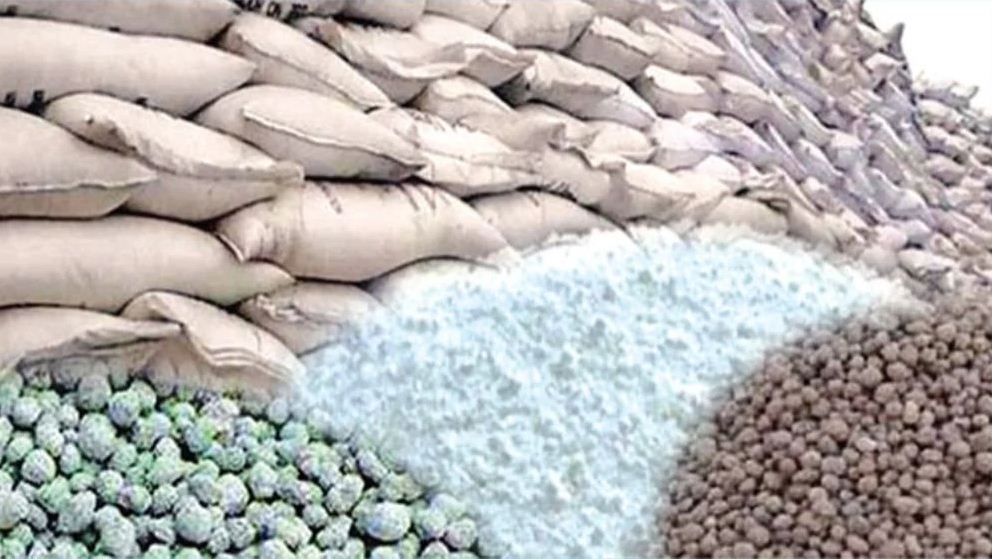
Several farmers said the rise in fertiliser prices, together with an abnormal rise in fuel prices, had pushed up their costs this year. Irrigating one hectare (seven and a half bigha, as the report puts it) took 10 litres of diesel.
Diesel now costs Tk 109 a litre after a rise of Tk 29, and the report says 10 litres now cost Tk 336 more than before. Hired irrigation pumps used to charge Tk 150 an hour and now charge Tk 200. Local farmers fear losses as farming costs rise.
Farmers' accounts
Abdul Kaium, a farmer in Saherkhali union, said he farms aman every year on some of his own land and some sharecropped land. This year, without timely rain, he could not plant as much as he hoped. Every year the family keeps rice to eat and sells the rest, he said, but this year it will not be possible to sell any.
Md Saifullah, a farmer in Moddhom Wahedpur in Wahedpur union, said he cannot keep up with the costs after the rises in diesel and fertiliser prices, and may have to stop farming.
Enamul Hoque, another farmer from Dakshin Moghadia Ghona, said he farmed a small area this year because of higher costs. Cultivation used to cost Tk 1,800 to Tk 2,000 an acre; it now costs Tk 3,500 to Tk 4,000.
Kazi Nurul Alam, sub-assistant agriculture officer in Mirsarai upazila, said the target was 26,000 hectares but lack of rain meant only 19,500 hectares could be cultivated. The main reason the target was missed was low rainfall at the height of the season, he said.
Source: Jagonews24. First published in Bengali on The Agro News.
Comments
(0)