
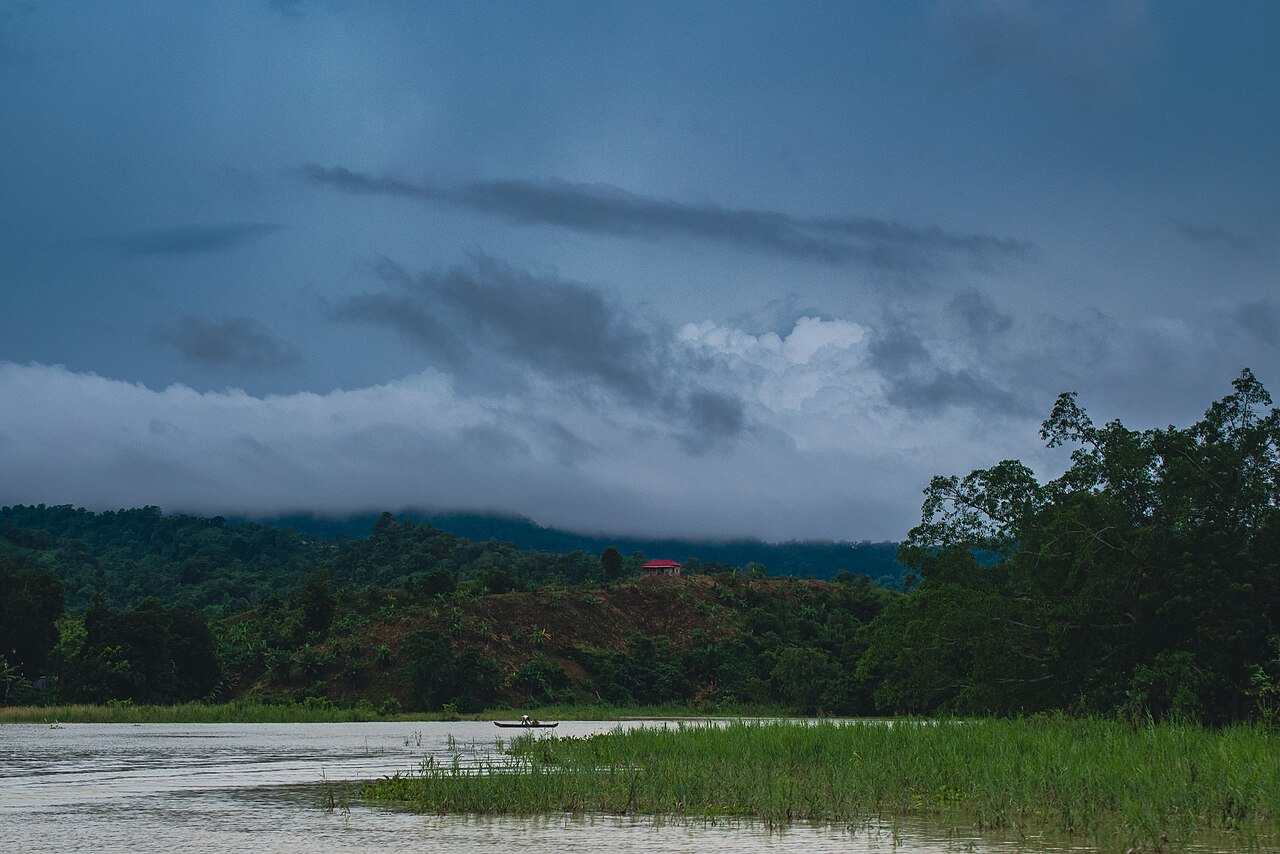
Researchers who tested five species of native small fish from Kaptai Lake in Rangamati found microplastics, plastic particles smaller than five millimetres, in every species. The study, published in the international journal Discover Environment, was carried out by a team of teachers and students of the fisheries resource management department at Chattogram Veterinary and Animal Sciences University.
The team examined 75 small fish of five species: kachki, chapila, tengra, mola and dhela. The most particles were found in tengra, which feeds in the mud and sand of the lake bed, at an average of 0.63 particles per gram.
Covering about 725 square kilometres, Kaptai Lake is the largest artificial reservoir in South Asia and one of Bangladesh's biggest freshwater fisheries. It holds 86 fish species; its fish are sold across the country and exported to several Middle Eastern countries, and about 27,000 fishing families depend directly on it.
The plastic comes from many sources. Rubbish from nearby settlements and the town washes into the lake with the monsoon rain, tourists leave plastic behind, abandoned fishing nets add to it, and with no planned waste management, drains carry waste straight into the water. Md Omar Faruk, president of the Rangamati district Committee for Prevention of Corruption, named three main sources: the markets along the shore, household waste from homes beside the lake, and tourist and passenger boats. There are also complaints that the lake has never been dredged since it was created in 1960, leaving it shallow, and that its land has been occupied for housing.
H M Rakibul Islam, a senior scientific officer at the Bangladesh Fisheries Research Institute, said awareness matters more than alarm. Tiny plastic particles reach the water from everyday plastic, fishing nets and boats and can enter fish, he said, but finding microplastics in fish does not mean the fish cannot be eaten. Cutting the use of polythene and raising awareness are what is needed to reduce contamination, he said.
The report is by Krishi Shomoy's Rangamati correspondent.
Photo: Foysal Mehedi / Wikimedia Commons (CC BY-SA 4.0)
Source: Krishi Shomoy

Comments
(0)