
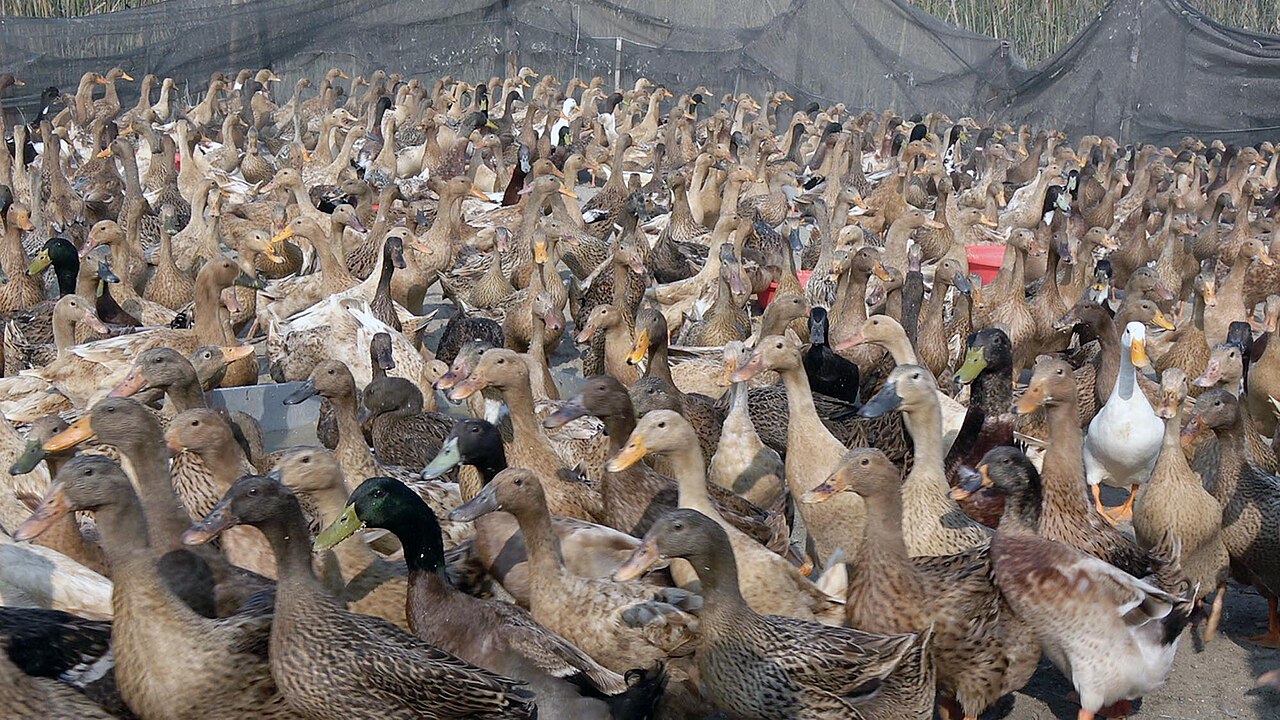
On many farms in Bangladesh, antibiotics are mixed into feed or water for fish, ducks and chickens before any sign of disease, in the name of faster growth and prevention, often without expert advice and on the word of drug company representatives and feed traders. A special report in Amar Desh says this is producing antimicrobial resistance (AMR) in animals and fish and raising the risk that drug-resistant microbes reach people through food and the environment.
Experts say meat, eggs or milk should not be sold until a drug-specific withdrawal period has passed after treatment, so that residues fall to safe levels, but many farmers ignore this. Citing specialists at the Institute of Epidemiology, Disease Control and Research (IEDCR), the report says penicillin, ciprofloxacin, tetracycline, neomycin and sulfonamides are used in poultry, some of them critically important for human medicine, and that colistin can be a last resort when other drugs fail. Selling and using antibiotics without a prescription is punishable, but there is no policy on their use in fisheries.
Harun Mia, a fish farmer in Badalgachhi, Naogaon, said he buys antibiotics from a local pharmacy and puts them in his pond himself when fish fall ill, without advice, and that other farmers nearby do the same on the advice of company representatives. Ahsan Habib, a duck farmer from Shimuldanga in Sapahar, took 1,000 ducks to Natore in the Chalan Beel on 12 November; to ward off colds before winter he gives enrofloxacin, levofloxacin and ciprofloxacin in their feed, based on his own experience. Mokarram, a drug seller in Badalgachhi, said he advises farmers to use the drugs the way company representatives tell him.
Research shows the same pattern. A 2022 study of commercial chicken farms in Bangladesh, published in PLOS ONE, found antimicrobials used during the production cycle on about 98 per cent of farms, and about 85 per cent of farmers used them to prevent disease; use was 78 per cent on broiler farms, 67 per cent on Sonali farms and 41 per cent on layer farms. A 2026 study found that 84 to 94 per cent of the antimicrobials used on layer farms fell in the World Health Organization's critically important or highest-priority classes, though it covered a limited number of farms. Joint research by the Bangladesh Livestock Research Institute and icddr,b found high antibiotic resistance in Salmonella taken from chickens.
In fish farming, a study of 672 farms in Mymensingh, Jessore, Cumilla, Satkhira, Khulna and Bagerhat found that 77 per cent of farmers had put antibiotics in their ponds or ghers. Oxytetracycline, enrofloxacin, florfenicol, amoxicillin and other antibiotics were recorded in pangas, tilapia, giant river and tiger prawns, rohu, catla, mrigal, pabda, shing, magur, koi and other species.
Dr Ripa Rani, livestock officer for Badalgachhi upazila, said many farmers dose by charts drawn up by dealers, who have no authority to give such advice; government training largely depends on projects, though courtyard meetings are held to raise awareness. Shawon Ahmed, a lecturer in fisheries at the University of Dhaka, said needless antibiotics kill useful bacteria in fish and water and make harmful ones resistant, which can reach people through the food chain and the environment. Farmers need training, he said, and safe production and rational antibiotic use must come before higher output.
Written from a special report by Emrana Ahmed published in Amar Desh.
Photo: DelwarHossain / Wikimedia Commons (CC BY-SA 4.0)
Source: Amar Desh

Comments
(0)