
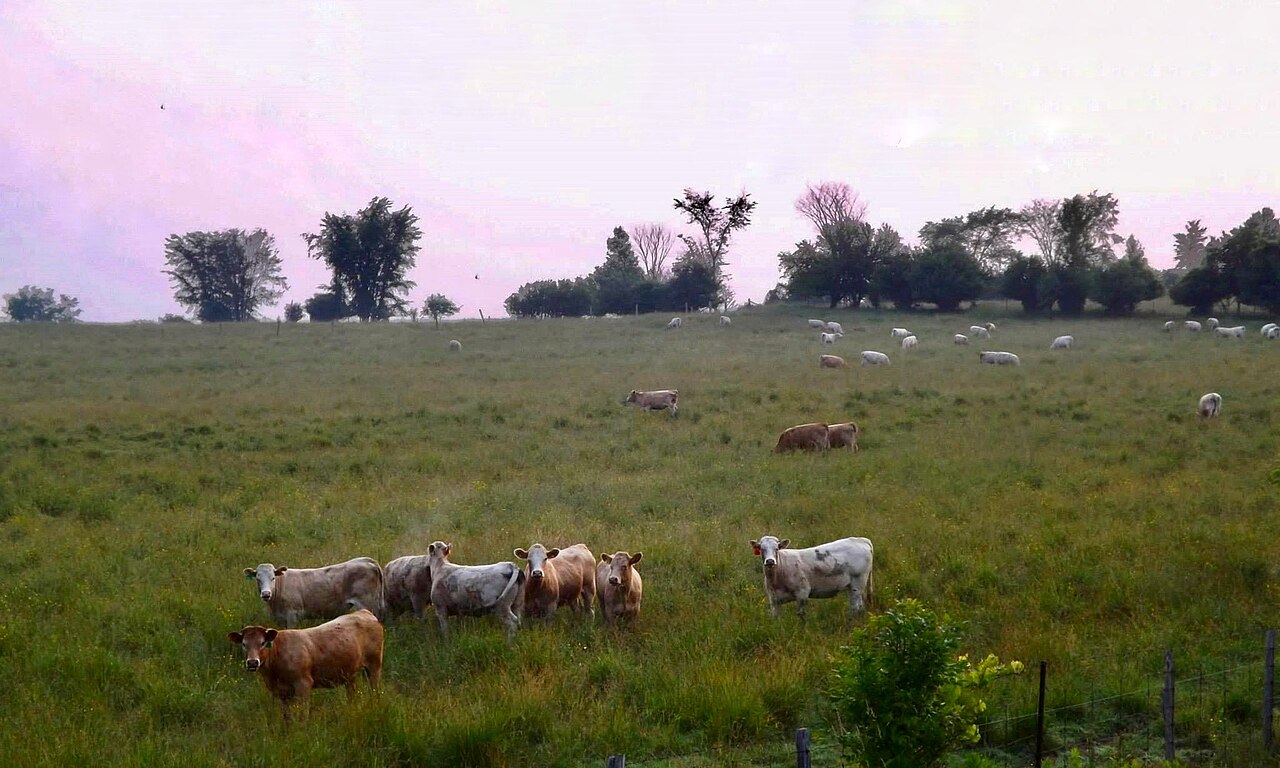
For Tyler Lee, a Red River Métis rancher on the west side of Lake Manitoba, the future of farming is regenerative. "For us as Métis producers to be able to make agriculture work, it's going to have to be on a regenerative scale," he told the Manitoba Co-operator ahead of Canada's National Day of Truth and Reconciliation.
Lee runs Mossy Rock Cattle Company with his family about six miles north of Amaranth, a ranch his paternal grandfather started in 1986. It is mainly a cattle operation, with some beef sold directly to consumers and most crops grown to feed the herd. In 2019 he and his brother decided their conventional practices were not doing enough for the land and switched to zero tillage and other regenerative methods.
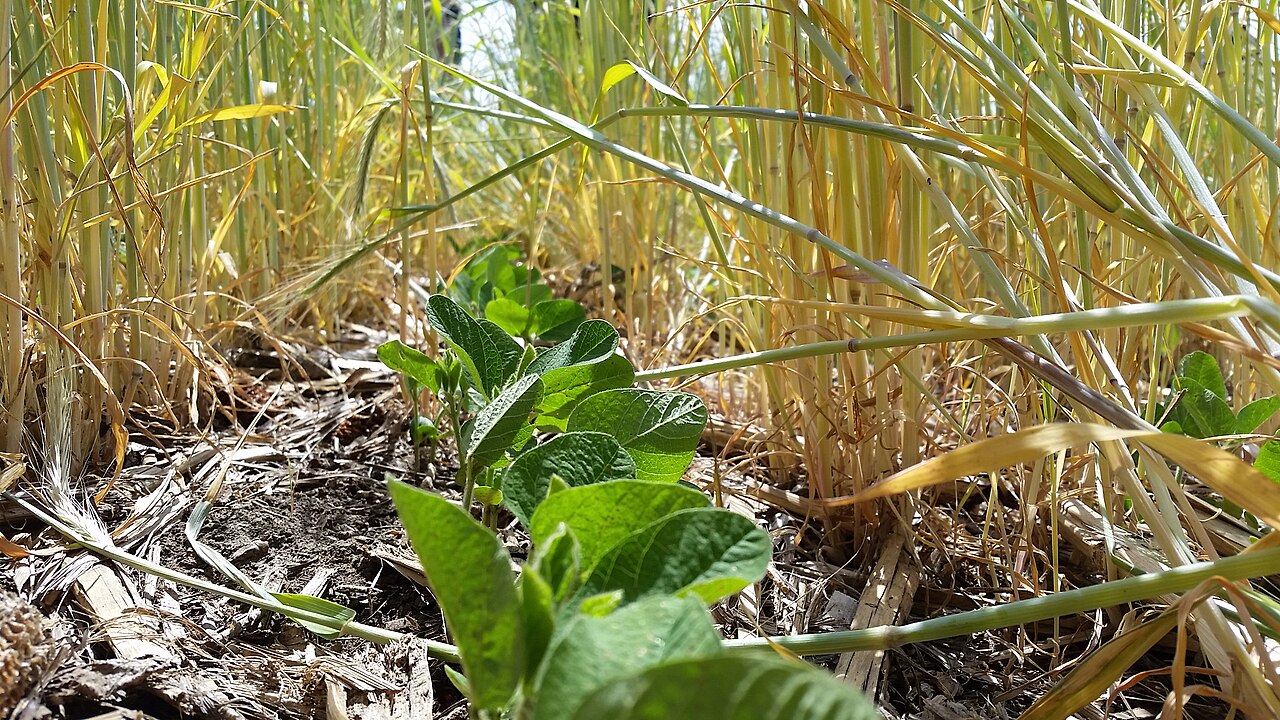
Since then, Lee says, the farm has grown good crops without synthetic fertiliser, using legumes to fix nitrogen instead. One field visible from the farmhouse produced six hay bales under the old management and about 190 last year. His 92-year-old grandfather "still thinks we're kind of loony", Lee said, but is glad the younger generation is carrying on.
Advocates link regenerative practices such as rotational grazing, modelled on bison movements, to Indigenous knowledge. Mossy Rock has hosted farm tours through the Manitoba Métis Federation for about 70 young people, some of whom had never been close to a cow. Lee worries about rising land prices and purchases by outside investors limiting Métis producers' access to land. The report was written by Miranda Leybourne.
Photo: Andre Carrotflower / Wikimedia Commons (CC BY-SA 4.0)
Source: Manitoba Co-operator

Comments
(0)