
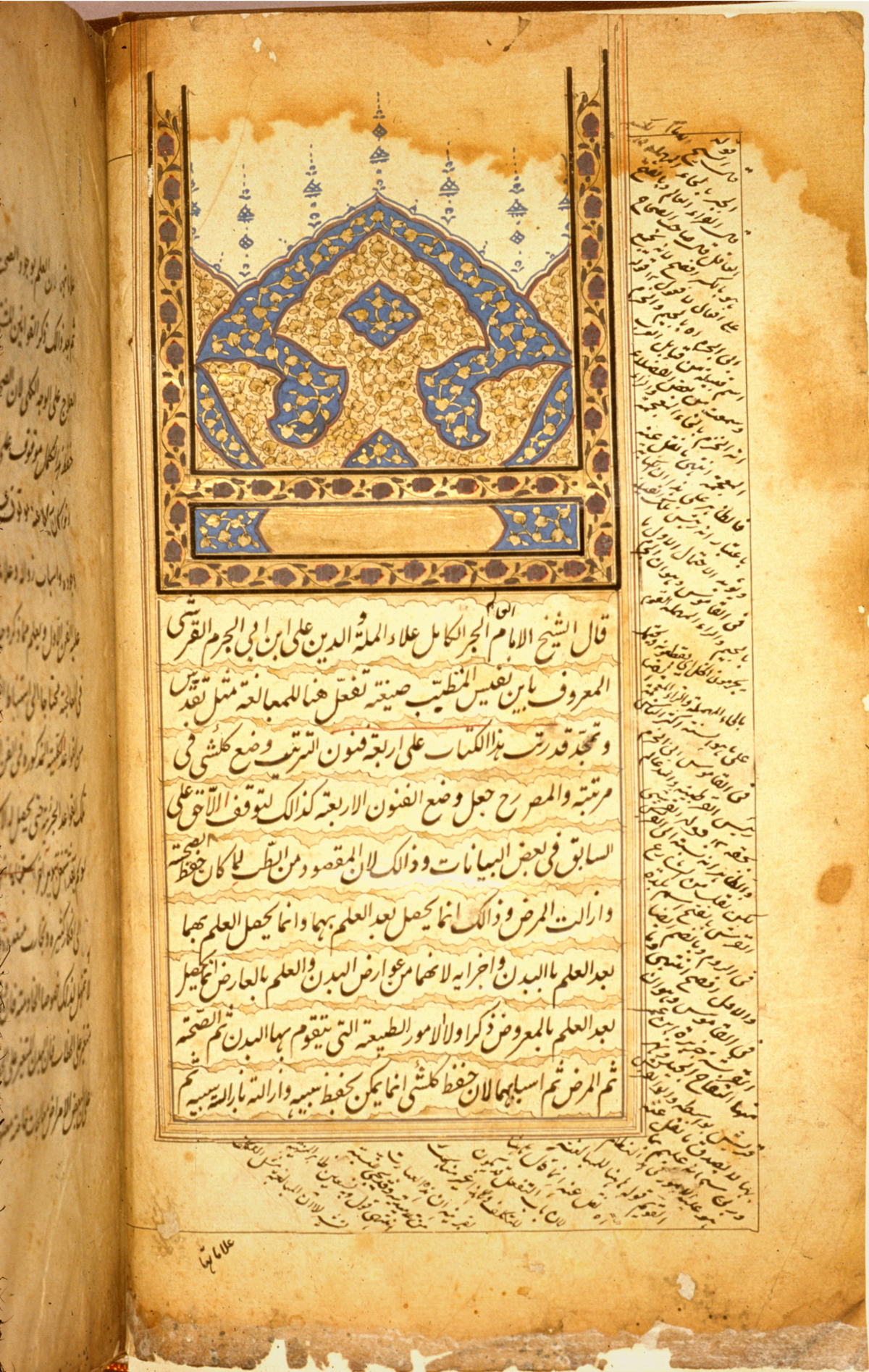
Can a sick person fast? Is a vaccine or modern treatment permissible? What are the rules for worship during an epidemic? Devout people are often unsure, and sometimes rulings on the same medical question change within months or years. A piece by Ehsan Siraj in Prothom Alo argues that in most cases the principles of Islam do not change; what changes is the medical reality on which a ruling was based.
Citing Ibn al-Qayyim, the writer recalls an agreed principle of Islamic law: a ruling depends on a correct understanding of the matter. Deciding the nature of a disease, how it spreads, how much harm it does and whether a medicine or vaccine works is for medical scientists and specialist doctors. Without a doctor's accurate report, a jurist's fatwa is incomplete.
Each has limits. A doctor may describe how serious an illness is or what fasting would risk for a patient, but has no authority to say whether something is halal or haram. A scholar explains the law, but inventing treatments through jurisprudence or dismissing a scientific diagnosis is beyond his remit. The piece quotes the Prophet's (peace be upon him) instruction on epidemics: if you hear of plague in a land, do not enter it, and if it breaks out where you are, do not flee from it (Sahih al-Bukhari, 5728).
It sets out three steps to a sound ruling on a medical question. First, establishing the facts (tasawwur): a general question such as "Should a diabetic fast?" has no single answer; the particular patient's risk, the safety of the medicine or vaccine and the alternatives must be known. Second, legal classification (takyif), applying the principles of preserving life and removing harm. Third, weighing the consequences of applying the ruling (tanzil), since a ruling correct in principle can cause greater harm if applied at the wrong time or without exceptions for the sick.
Ordinarily, accepting treatment is a personal choice and no one can be forced. But if a disease becomes dangerously contagious and threatens society, and specialist doctors confirm that a vaccine is safe, the state may make vaccination compulsory by law, the writer says, citing resolution 67 of the International Islamic Fiqh Academy's seventh session in Jeddah in 1992.
Photo: Unknown author / Wikimedia Commons (public domain)
Source: Prothom Alo



Comments
(0)