

A mosque is a place for prayer, Quran recitation and religious learning, but its role need not end there. Writing in Desh Rupantor, Mufti Enayetullah argues that with planning, good management and local participation a mosque can become the main welfare centre of its area.
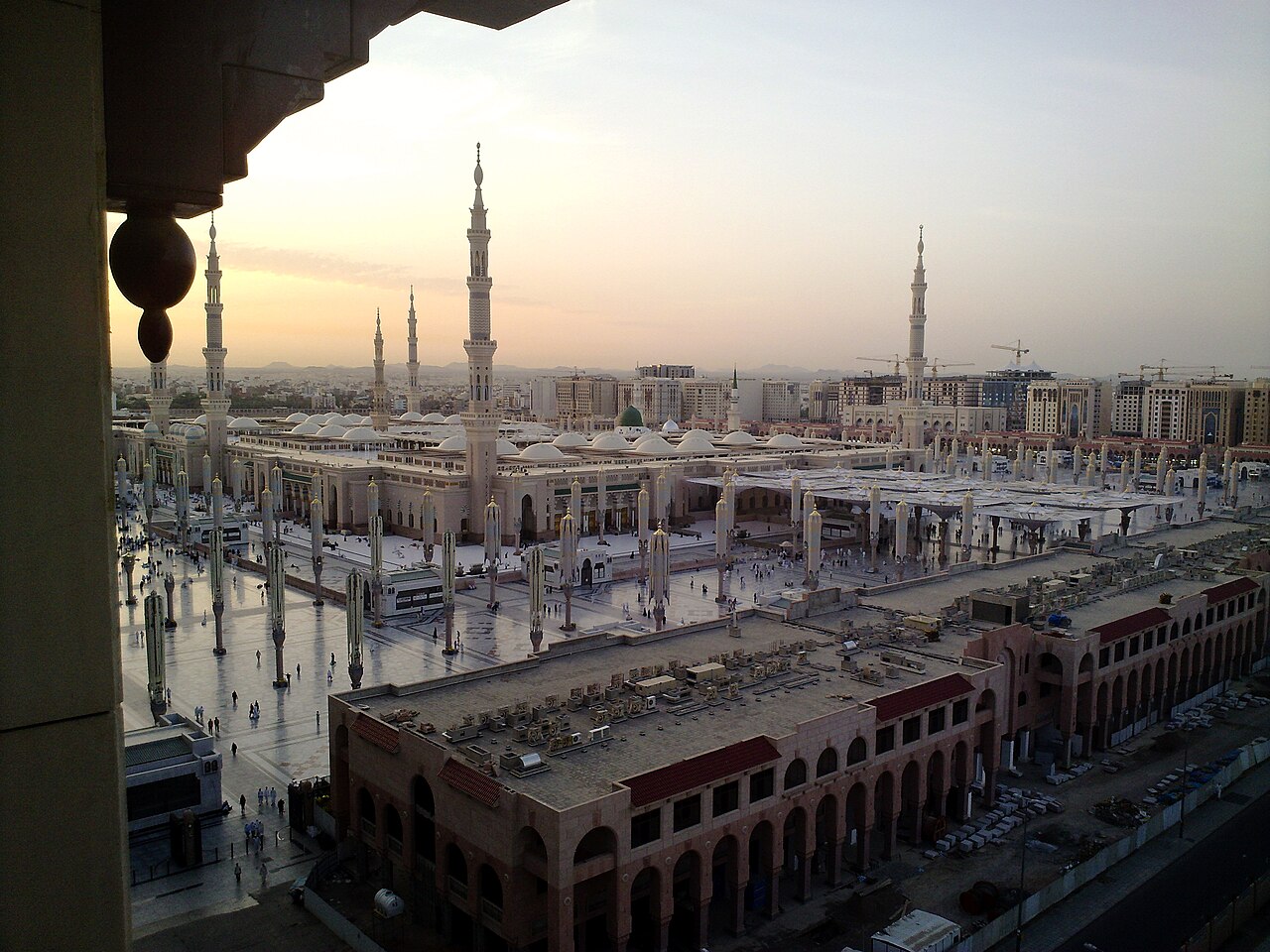
He recalls that in the Prophet's (peace be upon him) time the mosque was the centre of learning, counsel and public welfare for the Muslim community. Part of Masjid an-Nabawi in Madinah housed the Ahl al-Suffa, who studied there while the Companions met their needs. He quotes verse 2 of Surah Al-Ma'idah: 'Cooperate with one another in righteousness and piety.'
His first proposal is a mosque-based aid fund, built from voluntary gifts by better-off residents, to help poor families with food, treatment, schooling and emergencies, with zakat and sadaqah spent on the heads Islamic law allows. He stresses transparency: clear rules and accounts on who receives help, how much, and how it is spent.
For education he suggests Quran, basic Arabic and moral lessons for children, free tutoring, books and stationery for poor pupils, and scholarships for able students who cannot afford school. Evening classes could teach adults who missed out on schooling to read, write and keep everyday accounts.
On health, he proposes working with local doctors, hospitals and volunteer groups to hold a free clinic at least once a month, with checks for blood pressure, diabetes and other common conditions, talks on hygiene, nutrition and mother and child care, and a list of volunteer blood donors for emergencies.
Volunteer teams of young people could run clean-ups, tree planting, blood drives, care for the sick and disaster relief, while sport, study circles and skills training would keep them away from drugs and online addiction. For the jobless he suggests training in tailoring, computers, electrical work and mobile phone repair, and qard hasan, interest-free loans, run under Islamic rules with checks and open accounts.
The piece also asks for programmes for women, children and older people: education and training for women in a suitable setting, a fund for widows and abandoned wives, visits and help with treatment for the elderly, and awareness sessions with parents on children's safety.
Photo: Nasir Khan Saikat / Wikimedia Commons (CC BY-SA 3.0)
Source: Desh Rupantor

Comments
(0)