
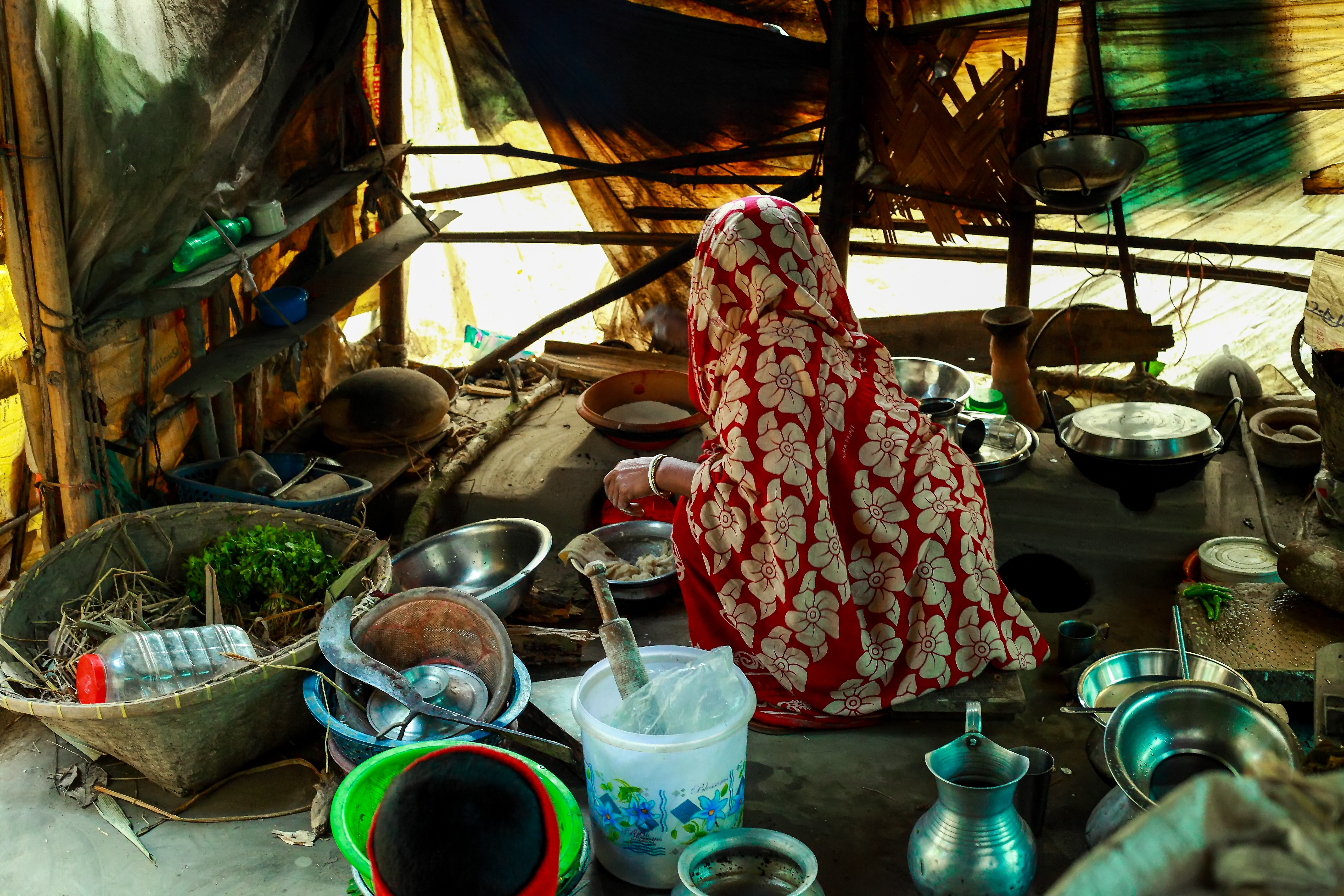
A housewife, Asma Akter, 35, died after being bitten by a snake while fetching cooking fuel in Saturia upazila of Manikganj. It happened on the morning of Friday, 30 May 2025, in Shekhri Nagar village of the upazila, Jagonews24 reported that afternoon.
Bitten on the foot while taking fuel from a loft
According to local sources quoted in the report, at about 6:30am she left the kitchen and climbed onto a loft beside the house to fetch fuel, and a snake bit her on the foot. She paid it little attention and went on cooking. After a while she felt unwell and told her family about the bite.
Her condition soon worsened, and the family first took her to a local snakebite healer. When she grew worse there, she was taken to the Sadar Upazila Health Complex, where the doctor on duty declared her dead. The report did not say what kind of snake bit her.
Abdul Latif, the union council member for Ward No 9, said he went to the house on Friday morning after hearing of the death and that the police had been informed. He said her husband, Rashedul, trades in fresh produce. Shahinul Islam, officer-in-charge of Saturia police station, said police had been sent after the news reached him and that necessary action would follow a preliminary investigation.
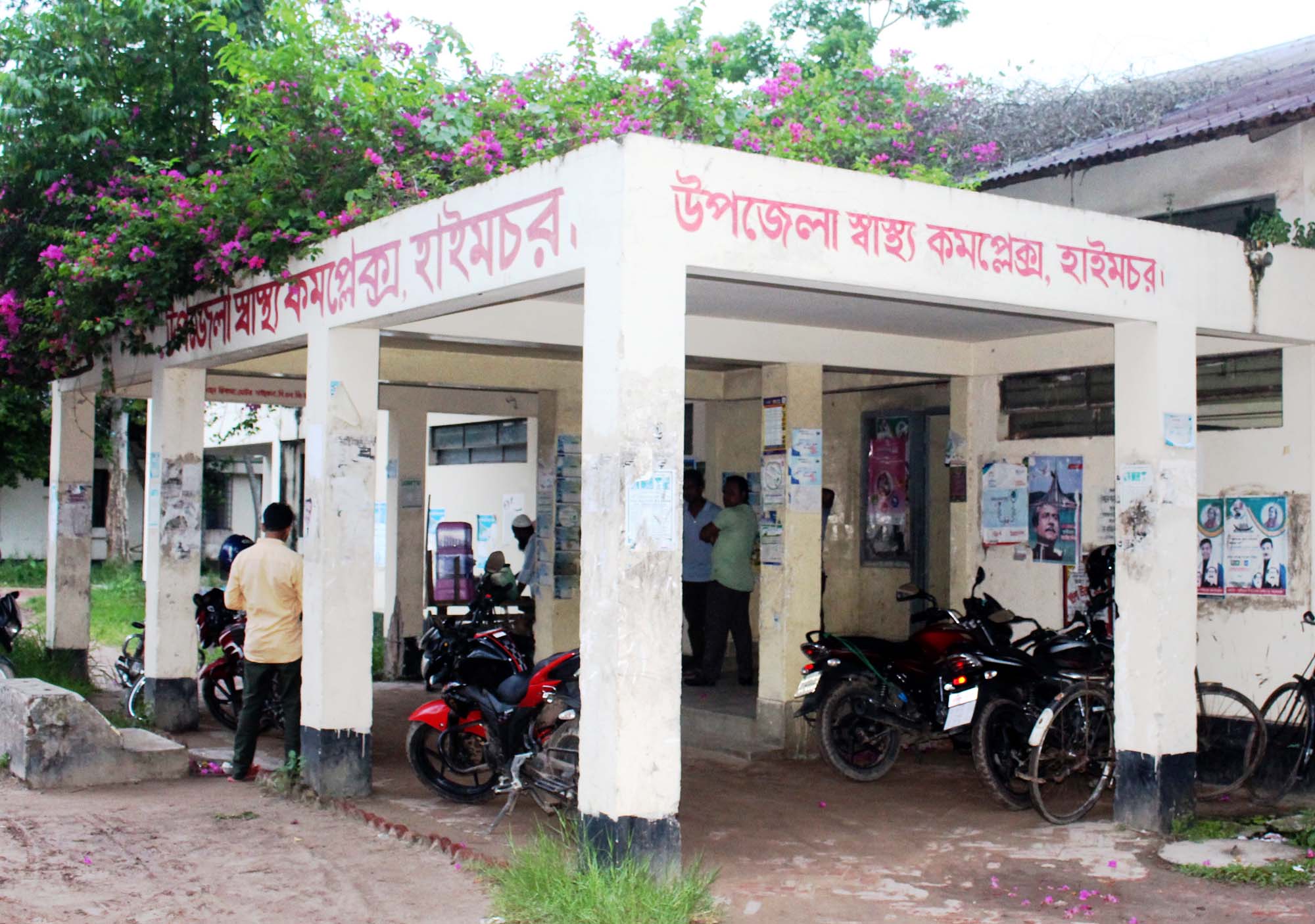
Saturia upazila
Saturia is an upazila of Manikganj district in Dhaka division, covering 140.12 square kilometres. The 2022 census counted 193,206 people there, 7.97 per cent of them in urban areas. The upazila has nine unions, and its Baliati zamindar palace is one of the country's well-known heritage sites.

Snakebite in Bangladesh and the world
A national survey for 2021-22 by the non-communicable disease control programme of the Directorate General of Health Services was released on 18 June 2023. As The Business Standard reported, it found that about 400,000 people in Bangladesh are bitten by snakes every year and more than 7,500 of them die. Ninety-five per cent of bites happen in rural areas, and at the time no antivenom was produced in the country.
The World Health Organization (WHO) estimates that about 5.4 million people worldwide are bitten by snakes each year and that 81,410 to 137,880 die. It calls high-quality antivenom the most effective treatment against most of the effects of snake venom, and notes that social and cultural factors lead many victims to choose traditional practices over hospital care, losing valuable time.
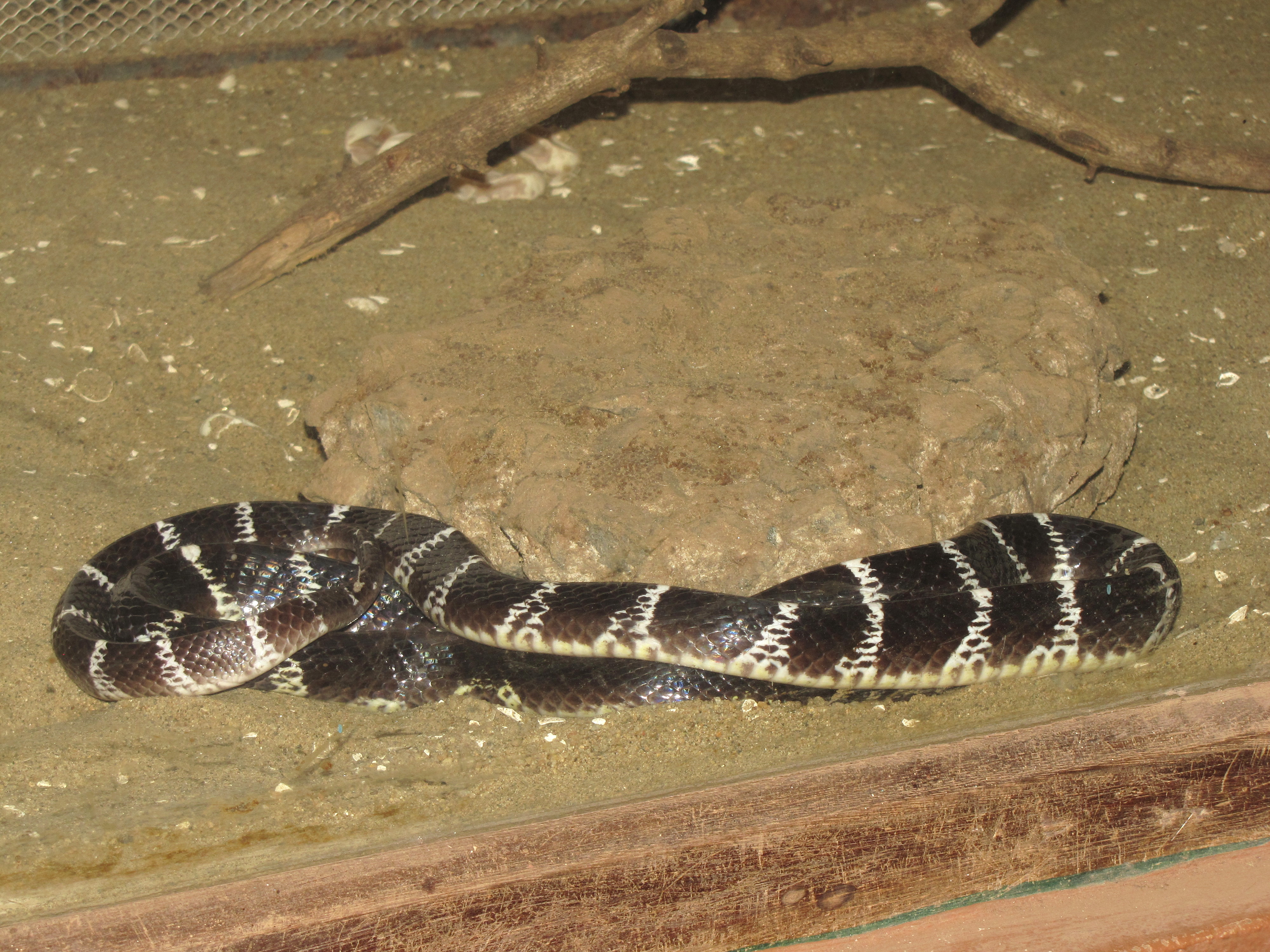
What to do after a snakebite: WHO advice
WHO says the best approach is to keep the bitten person completely still and carry them on a makeshift stretcher to medical care without delay, if possible lying on their side to protect the airway and breathing. Antivenom works best when given as soon as possible after the bite, because many effects of venom cannot be reversed.
Narrow tourniquets, cutting the wound, chemicals such as potassium permanganate and suction with heated glass containers are, in WHO's words, dangerous as well as ineffective and should not be used. To prevent bites, WHO advises:
- clearing piles of rubbish and old materials near the house and keeping grass short, since snakes shelter in such places;
- using a light when walking outside at night;
- sealing the house so snakes cannot get in, or, where that is not possible, sleeping on a raised bed under a well-tucked mosquito net;
- not walking barefoot where snakes may be; WHO says as many as 80 per cent of bites are on the legs or feet, below the knee.
Photo: Muhammad Amdad Hossain / Wikimedia Commons (CC BY-SA 4.0)
Sources: Jagonews24, The Business Standard, World Health Organization (WHO), Wikipedia
Comments
(0)